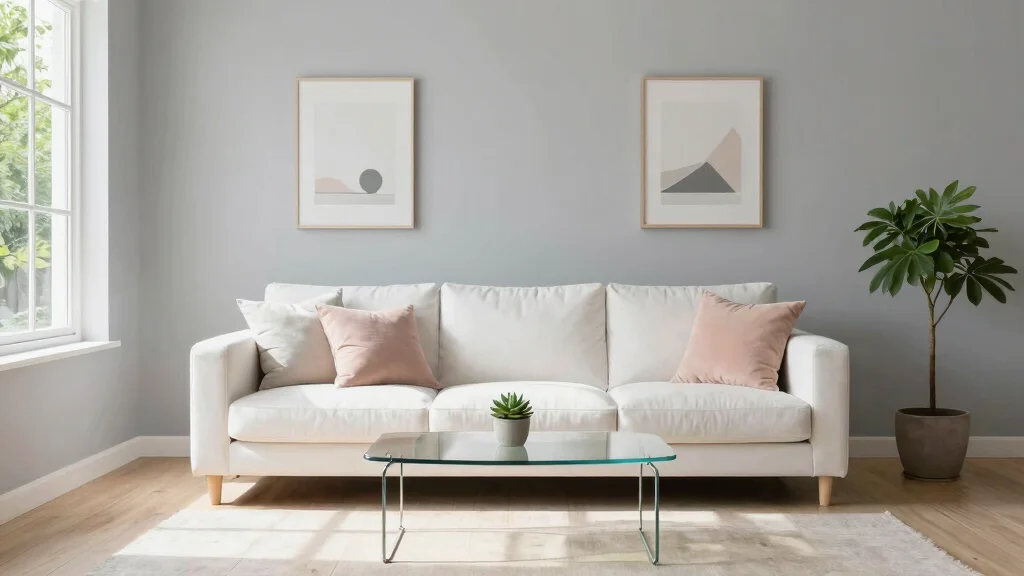
Creating a living room that feels spacious and stylish can be a challenge, especially in a modern minimalist home. With the right design choices, you can achieve a look that is sleek and functional without sacrificing warmth and personality. This post dives into 17 living room designs that modern minimalist homes will love, showcasing how to blend practicality with aesthetics.
If you’re someone who appreciates clean lines, uncluttered spaces, and a serene atmosphere, this article is for you. Whether you’re navigating small space living or just want to refresh your home’s decor, you’ll find inspiration here. I’ve gathered ideas that are not only elegant but also practical, perfect for anyone looking to enhance their living area without overwhelming it.
Get ready to explore minimalist furniture, contemporary color palettes, and smart storage solutions. Each design idea is crafted to help you create a living room that feels both open and inviting. By the end of this post, you’ll have a collection of tips and tricks that will transform your space into a style statement while keeping it cozy and functional.
Key Takeaways
– Discover 17 diverse living room designs that embrace modern minimalism, catering to those seeking style without clutter.
– Learn how earthy color palettes can create a calming atmosphere while maintaining a contemporary feel.
– Explore the importance of functional furniture that serves multiple purposes, ideal for maximizing small spaces.
– Find out how to incorporate smart storage solutions to keep your living area tidy and free from distractions.
– Embrace minimalist decor ideas that emphasize negative space, allowing your living room to breathe while showcasing personal touches.
Recommended Products

【Smart LED Light】LED light of living room table set of 3 features over 60,000 colors, adjustable brightness, timer and multiple modes. You could use a remote control and an APP to create your favorite atmosphere

【LED Light Strip】: This corner shelf has been specially equipped with LED light strips, with multiple colors available for adjustment. It can create a cozy atmosphere at night, enhance the gaming experience when placed in the game room, or add the atmosphere when watching movies at night when placed in the living room.

Design- Unique triangle coffee table top with cross base pedestal, light brown veneer finish
1. Airy Open Concept Living
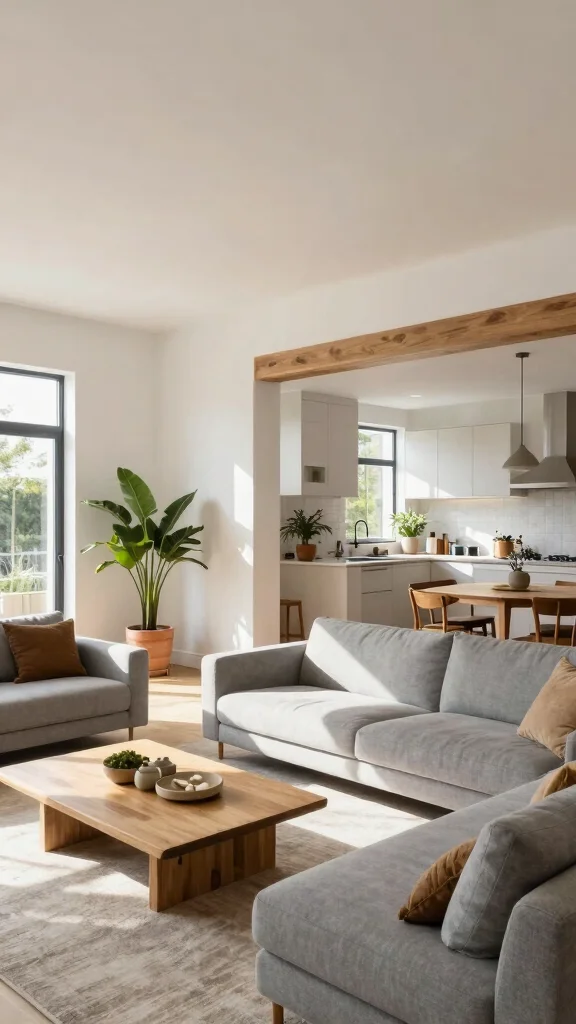
Embracing an open concept layout is essential for modern minimalist living. This design principle fosters a sense of spaciousness and light, drawing the eye across interconnected areas. Imagine a flowing space where the living room, kitchen, and dining areas merge seamlessly, unified by soft neutral tones and natural textures. Minimalist furnishings, like a streamlined sofa and a simple dining table, amplify the airy sensation, making the home feel expansive and inviting.
To make the most of this layout, consider practical strategies that enhance both function and style. Choose budget-friendly items like area rugs to delineate spaces without adding visual clutter. Maintain a consistent color scheme throughout to enhance cohesion and warmth, while incorporating multifunctional furniture to maximize utility.
Consider these tips for your open concept living:
– Pair large sectional sofas with low-profile coffee tables.
– Install light-colored curtains to enhance brightness.
– Use large mirrors to reflect light and create depth.
This design approach not only elevates aesthetics but also fosters a welcoming and connected atmosphere throughout your home.
Recommended Products
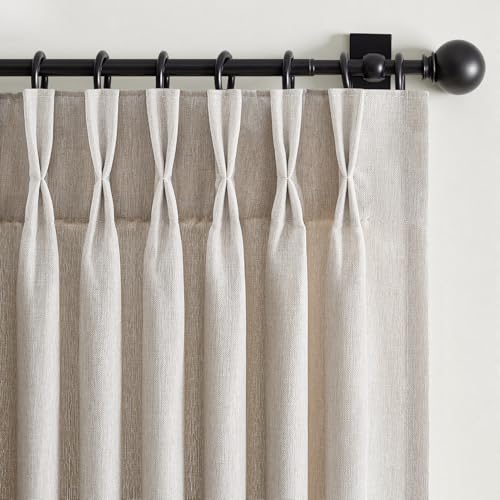
Pinch Pleat Design:Each curtain panel features 7 pinch pleats,creating a vintage and elegant ambiance.The pleats are not easy to deform,and have both softness and natural beauty.We provide a variety of different colors and sizes.The criss-cross linen texture also adds a touch of sophistication.

【Ceramic Vase 4-Piece Set Dimensions】 Four thoughtfully designed sizes cater to diverse decor needs: Diameter x Height: 3.23’’ x 10.24’’, 3.23’’ x 6.89’’, 4.13’’ x 5.71’’, 4.13’’ x 3.74. The tiered arrangement complements displays in any space.
2. Earthy Color Palettes
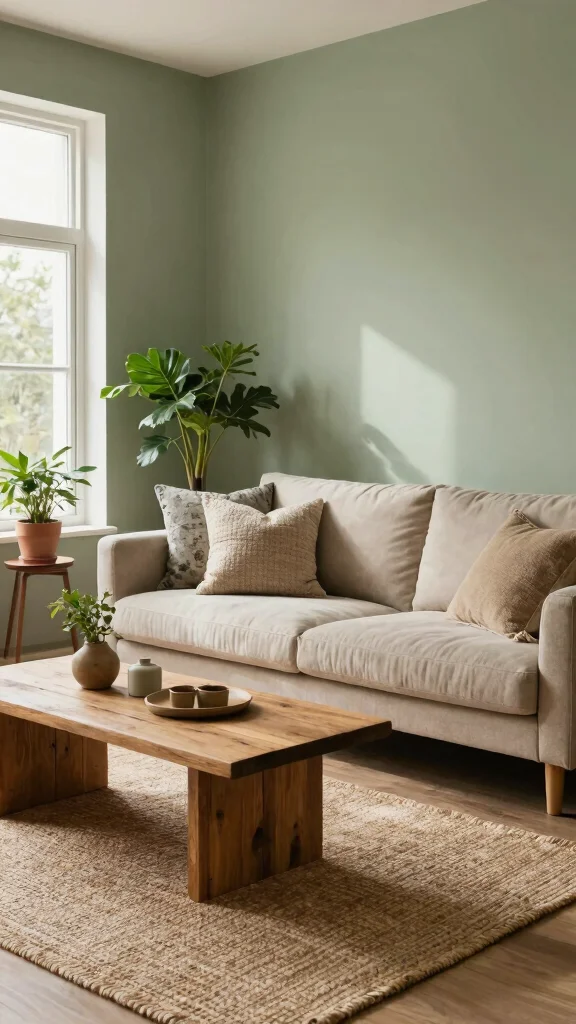
Earthy color palettes evoke a sense of calm and connection to nature in minimalist living rooms. Soft greens, sandy beiges, and warm browns create a soothing backdrop that harmonizes beautifully with minimalist furnishings. A sage green accent wall paired with a light tan sofa adorned with textured pillows can transform your space into a serene oasis. Natural materials like wood and stone enhance this earthy vibe, creating a warm and inviting environment.
To implement this palette effectively, consider layering your colors for depth without overwhelming the senses. Start with a neutral base and introduce earthy tones through accent pieces. Remember that the quality of light in your room can drastically alter how colors appear, so choose wisely based on your environment.
For choosing your palette:
– Use paint swatches to visualize color combinations.
– Incorporate decorative elements in natural hues.
– Balance darker tones with lighter accents for contrast.
This approach not only promotes relaxation but also brings a timeless appeal that connects your living space to the beauty of nature.
Recommended Products

Heavy-Duty Support: Built with thick MDF panels for strong structural support, this storage ottoman bench holds up to 660 lbs. The cushioned top features high-density foam and breathable linen fabric, providing a comfortable seating experience

【Perfect ottoman】Our ottoman has the perfect size and Relaxed color,Length 17 x width 13 x height 13 inches and Grey,It is also a comfortable footstool,Proper size and thickened sponge pad can make him a good footrest,Sitting on the sofa and putting your feet on the ottoman can relax your legs, relax your whole body and enjoy the pleasant time.

✅ 3-in-1 Multi-Functional Design – Use it as a footrest, hidden storage, or flip the lid to transform it into a sturdy small coffee table. Perfect for saving space while adding convenience to your home.
3. Functional Furniture
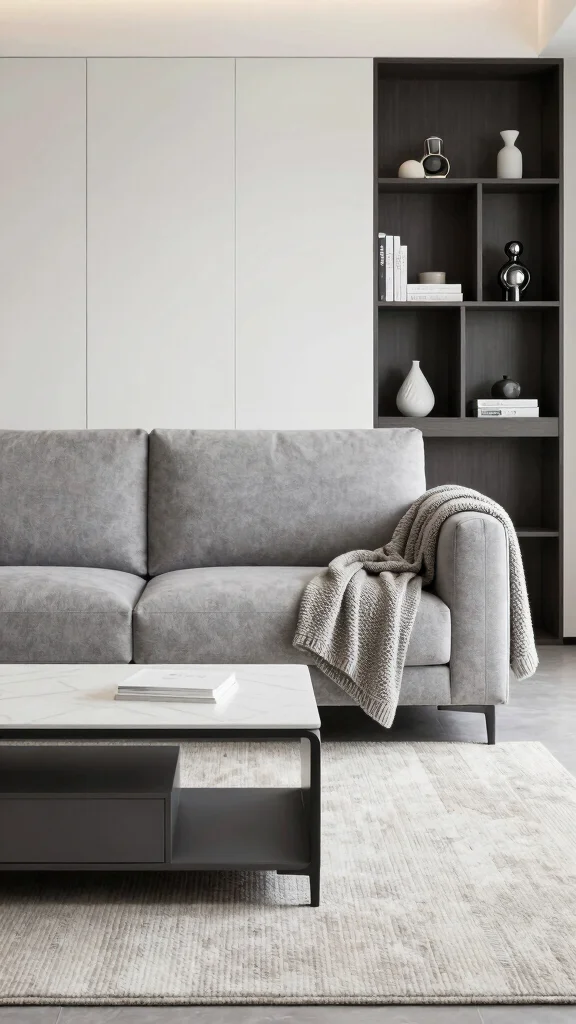
In modern minimalist design, functional furniture is key to achieving a clean and practical living room. Each piece should serve a purpose while contributing to the overall aesthetic. Furniture that offers dual functions, like a storage ottoman or a sofa bed, maximizes utility without compromising space. Selecting items with clean lines enhances the minimalist look while ensuring all elements are purposeful.
When choosing furniture, prioritize high-quality pieces that will stand the test of time. Consider modular options that adapt to your needs, and look for items with integrated storage solutions to keep your space tidy and organized.
For selecting functional furniture:
– Invest in fewer, high-quality pieces to reduce clutter.
– Choose modular designs that can be rearranged easily.
– Incorporate stylish items with built-in storage for practicality.
This focus on functionality not only maximizes your living area but also elevates your overall design aesthetic.
Fun fact: In small living room designs modern minimalist spaces, multi-function furniture can boost usable space by up to 25%, while keeping the clean look. A storage ottoman or sofa bed doubles as storage and seating, proving practical design makes spaces feel larger.
Recommended Products

48" Rectangular Tabletop: A spacious surface for serving, styling, or organizing your living space essentials.

36" Round Glass Top: Spacious circular surface ideal for serving, displaying décor, or organizing living room essentials.
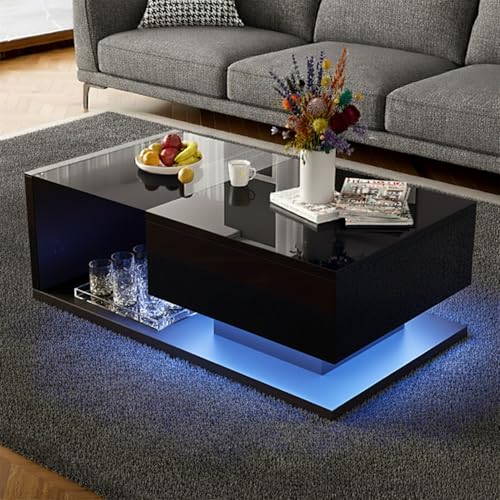
LOW-PROFILE & COMPACT DESIGN (PLEASE VERIFY DIMENSIONS): Overall Dimensions: 39.4" (L) x 19.7" (W) x 13" (H). Note: At 13 inches tall, this is purposely designed as a low-profile coffee table. It sits lower to the ground than standard tables, making it the perfect space-saving centerpiece for small apartments, low sofas, floor-seating setups, or cozy gaming rooms.
🏡 Transform Your Space Today!
Unlock your home’s potential with our DIY guide to stylish makeovers and stunning designs for every budget.
4. Statement Lighting Fixtures
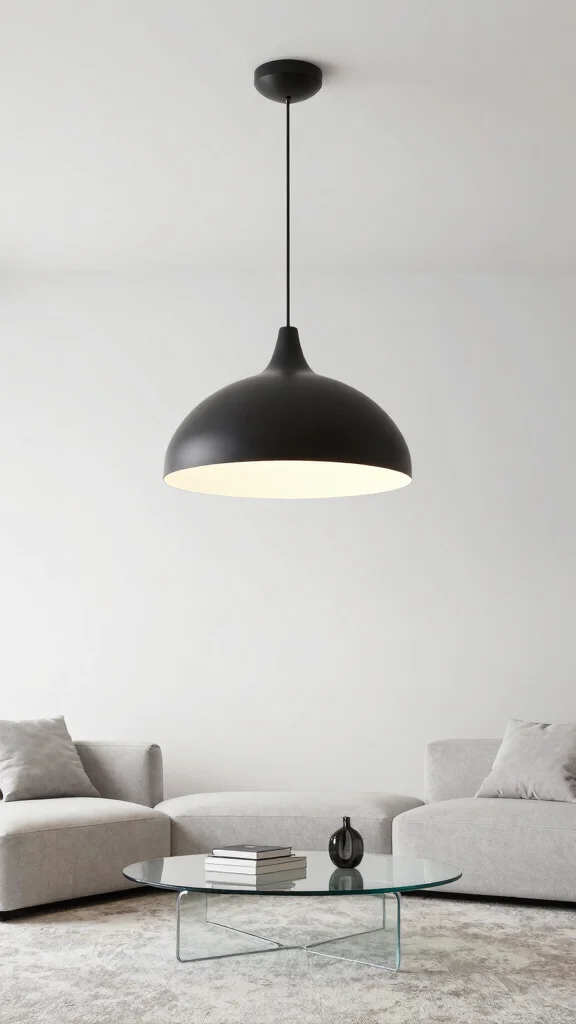
Lighting is a vital element in minimalist living room design, capable of transforming the ambiance of your space. A statement lighting fixture can serve as a captivating focal point, adding character while maintaining simplicity. Consider a dramatic pendant light or an oversized floor lamp that combines function with flair, using materials like matte black or brass to create striking contrasts with softer decor elements.
To choose the right lighting, balance the scale of fixtures with the size of your room. Look for adjustable lighting options to cater to various activities and consider layering your lighting for a dynamic effect that enhances the room’s atmosphere.
For choosing lighting:
– Select fixtures that complement your overall decor style.
– Use dimmable lights to create different moods.
– Layer ambient, task, and accent lights for versatility.
The right lighting not only sets the mood but also enhances the design, bringing warmth and personality to your minimalist space.
Recommended Products

Upgraded Non-Slip Backing Secure & Safe: Designed with an advanced textured non-slip backing that keeps the rug firmly in place on various floor types. It prevents sliding or bunching, adding safety and stability for households with kids or pets

【 Aesthetic Styles for All Decor】 From vintage faded pink to boho checkered, minimalist border, and subtle diamond patterns. These soft blush low pile rugs add a warm, sweet vibe to girls'bedrooms, nurseries, and boho living spaces. They match modern, retro, and casual decor with ease.

Modern Abstract Decor Rugs: The modern abstract rug 4x6 with modern neutral abstract design whether placed the carpet on the floor of living room, bedroom, or dining room rugs for under table, can integrated with home spaces perfectly, make your home space full of vitality
5. Artful Minimal Decor
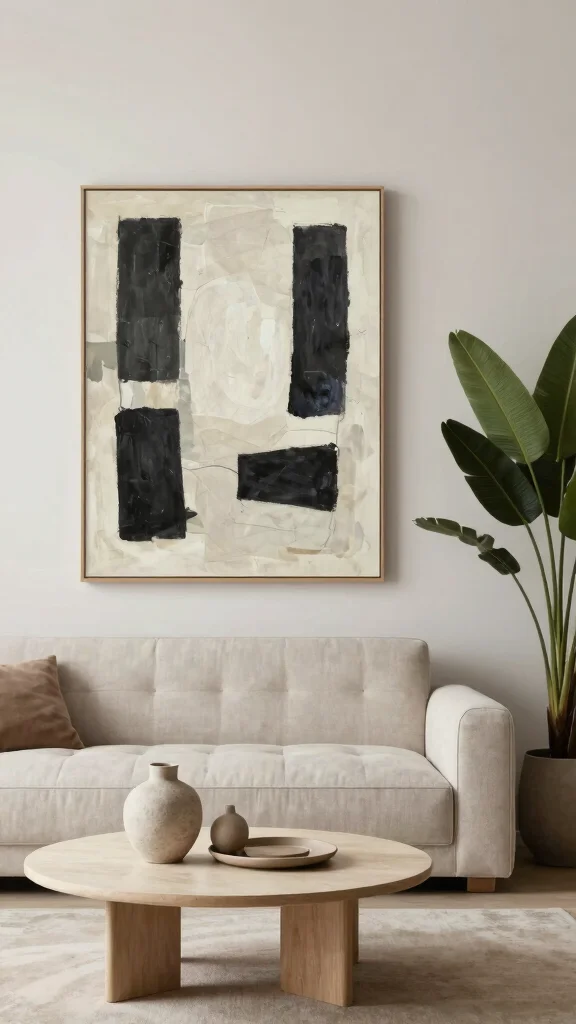
Minimalist decor thrives on artful simplicity, showcasing thoughtfully curated pieces that reflect your style. Instead of overwhelming the space with decor, focus on a few impactful items like a striking sculpture or a large painting that serves as a visual anchor. For example, a single bold artwork can bring life to an otherwise neutral wall, while a cohesive gallery wall can tell your story without compromising the minimalist aesthetic.
This approach allows you to express your individuality while maintaining a clean and organized space. Choose decor elements that resonate with you and ensure they complement your color palette for a unified look.
For artful decor:
– Select frames that match your furniture for cohesion.
– Space decor items evenly to allow each piece to shine.
– Include natural elements like wood or stone for added texture.
This thoughtful curation not only adds personality to your home but also enriches the overall visual narrative.
Recommended Products


Innovative Modern Design: Boasts a striking vertical ribbed texture that exudes contemporary elegance, combining minimalist aesthetics with a bold visual appeal. The smooth curved lines and sleek silhouette effortlessly integrate into various interior styles, whether modern, industrial, or transitional, instantly elevating the living room's decorative charm.
6. Textural Contrast
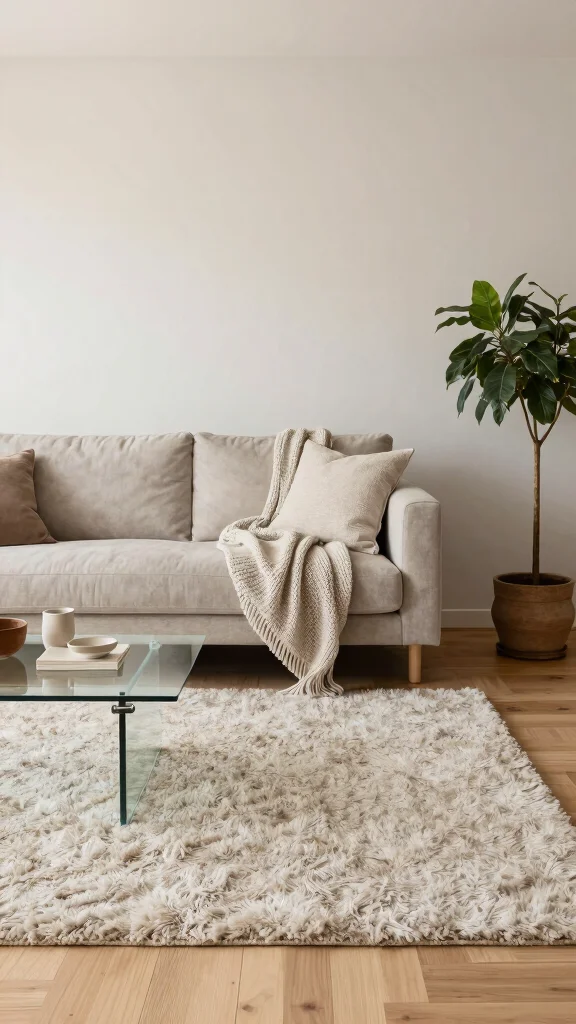
Incorporating various textures is a brilliant way to add depth to minimalist living rooms. While a neutral color scheme is often favored, the use of different materials prevents the design from feeling flat. Think about combining soft textiles, smooth woods, and natural stones to create visual intrigue. A plush area rug can add warmth against polished wooden floors, while a knitted throw may soften the look of a minimalist sofa.
To achieve textural contrast, layer different textiles and materials, ensuring they work harmoniously together. Mixing hard and soft elements creates balance without overwhelming the space, inviting a sense of comfort and warmth.
For achieving textural contrast:
– Layer throws and cushions for a cozy atmosphere.
– Combine smooth and rough materials for visual interest.
– Stick to a cohesive color palette to maintain harmony.
This strategy enhances the tactile experience of your living room, making it inviting and engaging.
Textural contrast is your secret weapon in living room designs modern minimalist: layer soft textiles, smooth wood, and natural stone to add depth without clutter. In small spaces, aim for 3 textures and one warm accent—it’s amazing how you feel bigger and cozier.
Recommended Products


Custom Design Fabric:Each package includes 2 panels of pinch pleated curtain with 18 hooks and 16 rings,measuring 40"Wx84"L each panel,To reduce budget while keeping the linen/cotton organic characteristics,Designer makes this stone washed ultra soft yet linen look blended fabric 20% cotton,20 linen,60% polyester.It drapes well,medium thick,airy and breathable in hot summer

WELL MADE: Sold per pair(set), including 2 linen sheer panels - Panel measures: 52 x 108 - inches|Set measures: 104 x 108 - inches. Each panel has 8 nickel grommets, constructed with head height: 4", bottom hem: 2", fitting up to 1 1/4 inches curtain rods/poles
7. Smart Storage Solutions
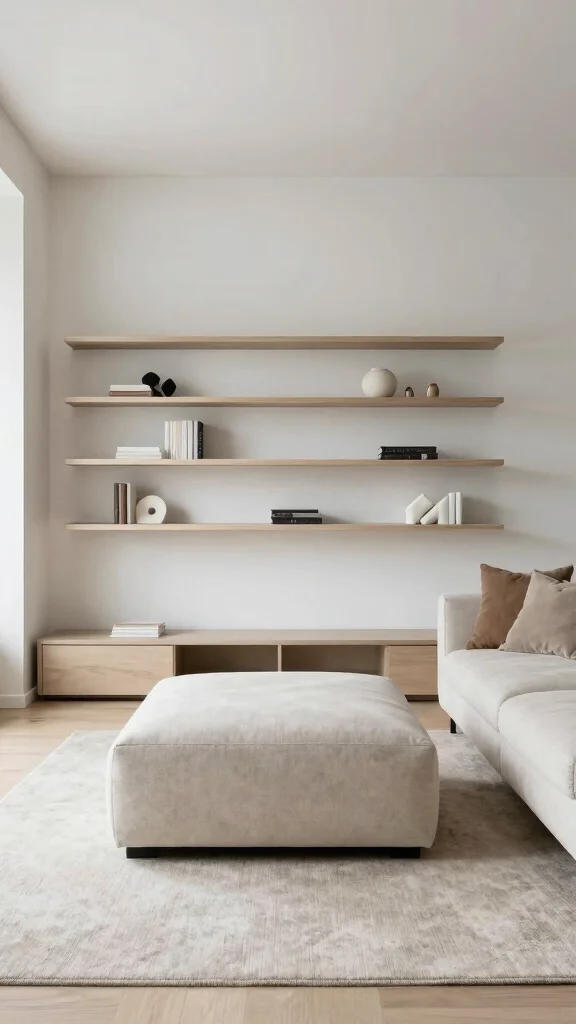
Effective storage solutions are essential in small minimalist living rooms to maintain an uncluttered environment. Consider furniture that doubles as storage, like an ottoman that opens up for hidden items or a coffee table with compartments. Floating shelves allow you to display decor without taking up floor space, keeping your area open and airy.
To implement smart storage, utilize vertical space with tall shelves and regularly declutter to ensure everything has a designated spot. This approach keeps your living area organized and enjoyable without unnecessary distractions.
For implementing storage:
– Make use of vertical storage options to save space.
– Opt for under-furniture storage to keep surfaces clear.
– Regularly assess your items to maintain functionality.
These strategies not only enhance your space’s functionality but also contribute to a visually appealing design.
Recommended Products

【ottoman】Our ottoman has the better size and Relaxed color,Length 17 x width 13 x height 13 inches and Grey,It is also a comfortable footstool,Proper size and thickened sponge pad can make him a good footrest,Sitting on the sofa and putting your feet on the ottoman can relax your legs, relax your whole body and enjoy the pleasant time

【QUICK ASSEMBLY, EASY FOLDAWAY】This storage ottoman from the SONGMICS MAZIE Collection has a foldable design that allows quick setup in seconds by simply inserting the bottom panel. Easily fold and store it under the bed or in a closet when not in use

【Perfect Footrest】Length 17 x width 13 x height 13 inches (43 x 33 x 33 cm), a comfortable footrest size with thickened, high quality soft foam for comfortable foot spacing. By reducing pressure on the legs, placing your feet on the footstool helps prevent blood clots associated with deep vein thrombosis, reduces pressure on the lower back, and reduces swelling and varicose veins.
You might also like

8. Large Windows and Natural Light
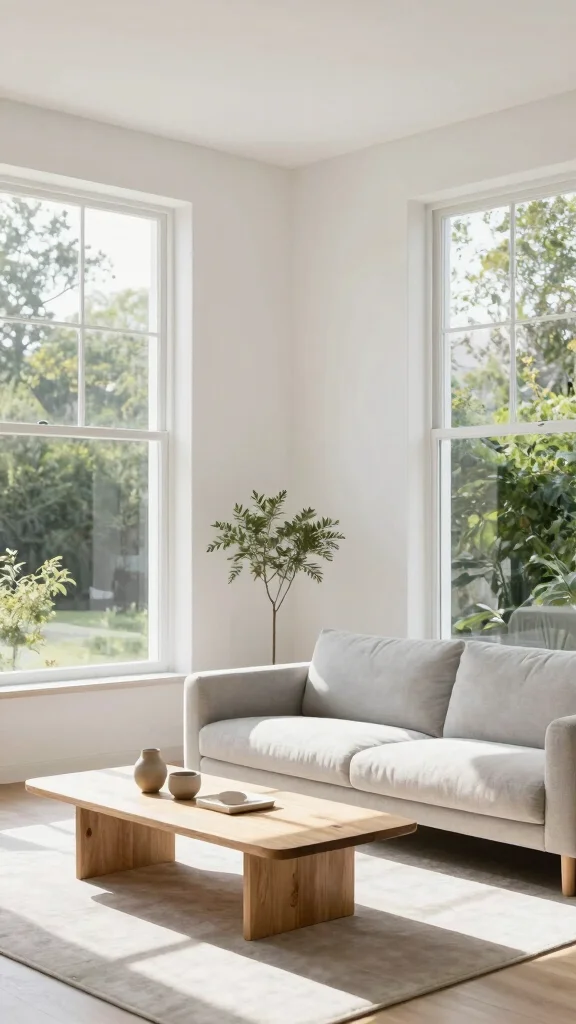
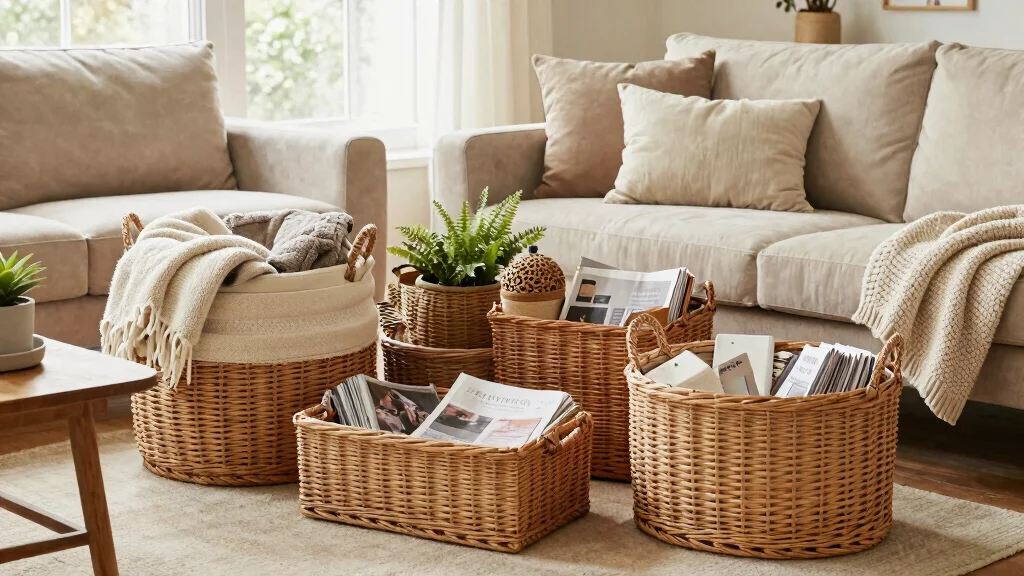
Natural light is fundamental in modern minimalist design, and large windows are key to achieving this effect. Maximizing window space invites sunlight, making even the smallest rooms feel expansive and open. Unobstructed views connect the indoors with nature, enhancing the warmth and energy of your living room while reflecting the minimalist ideals of simplicity and openness.
To utilize natural light effectively, keep window treatments minimal to allow maximum brightness. Consider using mirrors to reflect light around the room, and select furniture that complements the flow of natural light.
For utilizing natural light:
– Keep curtains light and airy to enhance brightness.
– Use mirrors strategically to amplify sunlight.
– Choose decor that harmonizes with the light’s natural flow.
This emphasis on light not only elevates the mood but also enriches the overall aesthetic of your living space.
Fact: rooms with large windows feel up to 25% larger and use less artificial lighting. In living room designs modern minimalist, keep window treatments minimal to keep brightness high and the view unobstructed—let nature serve as your art.
Recommended Products
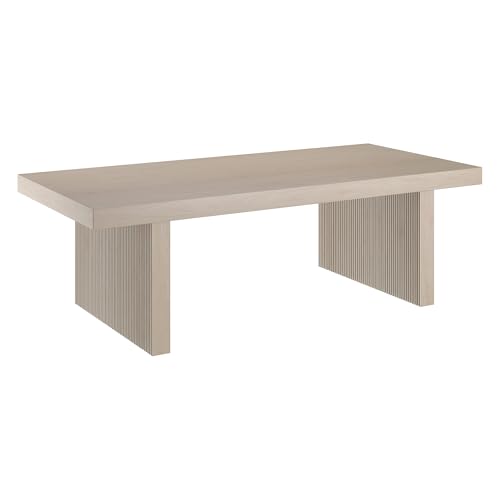
48" Rectangular Tabletop: A spacious surface for serving, styling, or organizing your living space essentials.

【Modern Minimalist Design】Comes with this sleek rectangular coffee table, featuring clean lines and minimalist block legs. The contemporary low-profile design (12.6"H) creates an elegant floating effect that complements any decor style.

Eye-Catching Geometric Design: This coffee table features a unique staggered 2-tier shape, adding a modern and artistic flair to your living space. This coffee table blends functionality with style, instantly elevating any room's visual appeal.
9. Minimalist Patterns
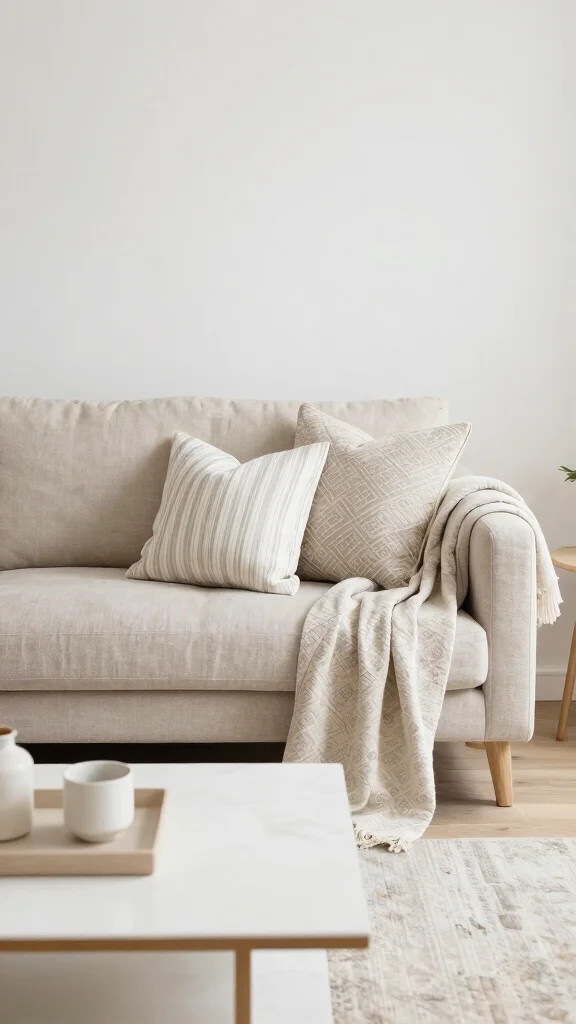
In minimalist living rooms, subtle patterns can introduce depth and interest without overwhelming the space. Look for soft stripes, geometric shapes, or delicate florals that stay true to the minimalist aesthetic while adding character. A striped throw can complement a solid sofa, while patterned cushions can serve as focal points that enhance the overall decor.
To effectively incorporate patterns, limit the number of patterned elements to maintain clarity and cohesion. Use patterns in smaller decor items to subtly introduce visual intrigue without cluttering the design.
For incorporating patterns:
– Limit patterned items to avoid visual chaos.
– Use patterns in smaller decor pieces to maintain focus.
– Stick to a consistent color palette for harmony.
Introducing minimalist patterns enriches your living space, allowing for personal expression without compromising simplicity.
Recommended Products

Designed to withstand everyday wear, this 9' x 12' area rug is the perfect size for living rooms, dining rooms, and open floorplans, or anywhere you want to define a large space with modern flair.

Rainbow Arch Textured Rug with High Low Tuft Piles: This scandinavian rug is not printed, it is woven with 2 heights of piles. The high low pile effect creates wavy lines arch patterns, adding interest and softness to your floors

Machine Washable: For daily cleaning, can be easily cleaned by vacuum cleaner. For deep cleaning,machine wash in cold water (<87℉) and hang it to air dry. Say goodbye to stains, and enjoy a fresh, clean rug effortlessly
How To Choose Minimalist Furniture for Your Living Room
When it comes to creating a modern minimalist living room, choosing the right furniture is key. Minimalist furniture not only enhances the look of your space but also promotes functionality and simplicity. Here are some essential criteria to consider when selecting minimalist furniture for your living room.
1. Size Matters
The size of your furniture should align with your living room’s dimensions. Measure your space accurately, including doorways and pathways. Aim for pieces that fit comfortably without crowding the room. A well-proportioned sofa or chair will help maintain the airy feel of a minimalist design.
2. Material Selection
Choose materials that resonate with modern interior design. Look for pieces made from natural woods, metal, or glass. These materials often provide a clean look. For upholstery, opt for fabrics that are durable yet soft, like cotton or linen, which can add subtle texture without overwhelming your space.
3. Functional Features
Focus on furniture that serves multiple purposes. For instance, select a coffee table with hidden storage or a sofa bed for guests. This aligns with the minimalist principle of reducing clutter while maximizing utility. Think about how each piece can enhance your living experience.
4. Color Palette
Stick to contemporary color palettes that embody minimalism. Neutral tones like whites, grays, and beiges create a soothing atmosphere. You can also incorporate soft pastels or muted colors for a touch of personality. Avoid bold patterns to maintain a clean aesthetic.
5. Design Simplicity
Look for furniture with simple designs and clean lines. Avoid overly ornate pieces that can clutter your visual space. Sleek, geometric shapes often work best in minimalist settings. Aim for a cohesive look that enhances the overall design theme.
6. Personal Touches
While minimalism is about simplicity, adding personal touches can make your living room feel welcoming. Choose a few curated accessories, such as a unique vase or a piece of art, to express your personality without breaking the minimalist vibe. Balance is key; choose items that complement your furniture without overcrowding your space.
Pro Tip: Before purchasing any furniture, visualize how it will fit into your space. Create a layout using tape on the floor to mark the dimensions of your desired pieces. This will help you see how each item interacts within your living room, guiding you to make better choices. 🚀
10. Smart Tech Integration
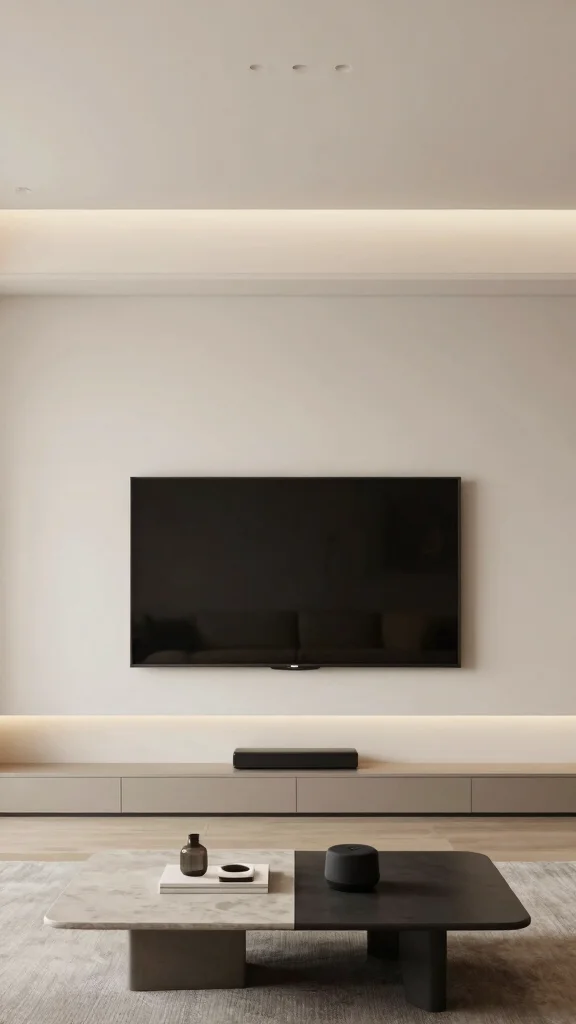
Integrating smart technology into your minimalist living room can boost convenience while keeping your space clean. Opt for sleek devices that blend seamlessly with your decor, such as a wall-mounted smart TV or discreet speakers. Smart lighting can be adjusted to create the perfect ambiance, while smart thermostats maintain comfort without bulky equipment.
To incorporate tech effectively, select devices that align with the minimalist aesthetic and hide cords to maintain an uncluttered look. Consider voice-activated systems for seamless control of your devices.
For integrating tech:
– Choose minimalist tech that complements your decor.
– Conceal cords to keep surfaces tidy.
– Explore voice-activated systems for convenience.
This integration of technology enhances functionality while maintaining the sleek design ethos of your living room.
11. Emphasis on Negative Space
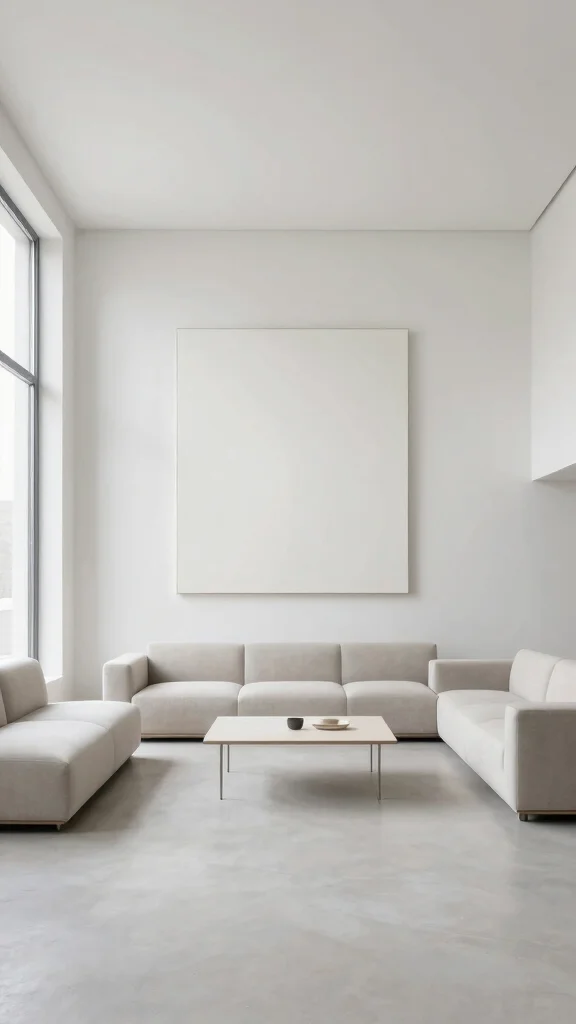
Negative space plays a pivotal role in minimalist design, fostering a sense of balance and tranquility. By allowing empty areas in your living room, you create a calm atmosphere that enhances the presence of key design elements. This approach highlights focal points, such as a striking piece of art or a beautifully designed sofa, elevating their impact within the room.
To effectively utilize negative space, opt for fewer, larger decor items and arrange furniture thoughtfully to create open pathways. Keeping surfaces clear allows the beauty of negative space to be appreciated.
For utilizing negative space:
– Choose larger decor items for stronger visual impact.
– Arrange furniture to create open areas for flow.
– Maintain clear surfaces to highlight negative space.
This focus on negative space not only enhances visual clarity but also promotes a serene environment, making your living room a peaceful retreat.
12. Neutral Textiles
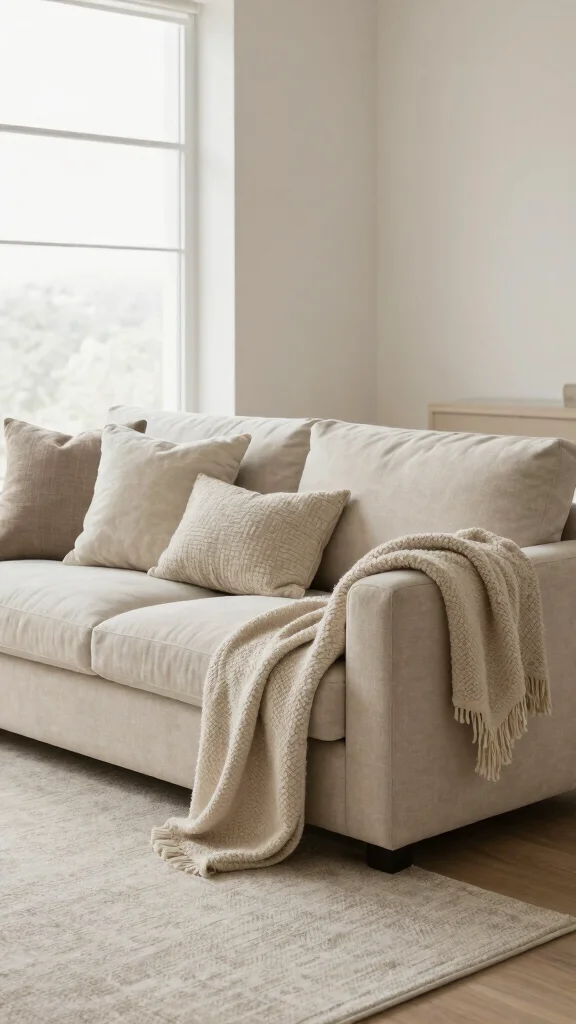
Choosing the right textiles is crucial for amplifying the minimalist vibe in your living room. Focus on neutral fabrics that enhance the calming atmosphere, such as soft linen, cotton, and wool in muted tones. A light gray or beige sofa, paired with a cozy wool throw and a few textured cushions, creates warmth while preserving a clean, sophisticated look.
To maximize the impact of neutral textiles, mix different textures to maintain visual interest. Opt for washable fabrics for easy maintenance and choose layering options like throws and cushions for added comfort.
For choosing textiles:
– Mix various textures to keep the space engaging.
– Opt for fabrics that are easy to clean.
– Layer textiles for comfort and warmth.
This approach not only adds depth but also ensures a timeless appeal, making your living room inviting and stylish.
13. Indoor Plants for Freshness
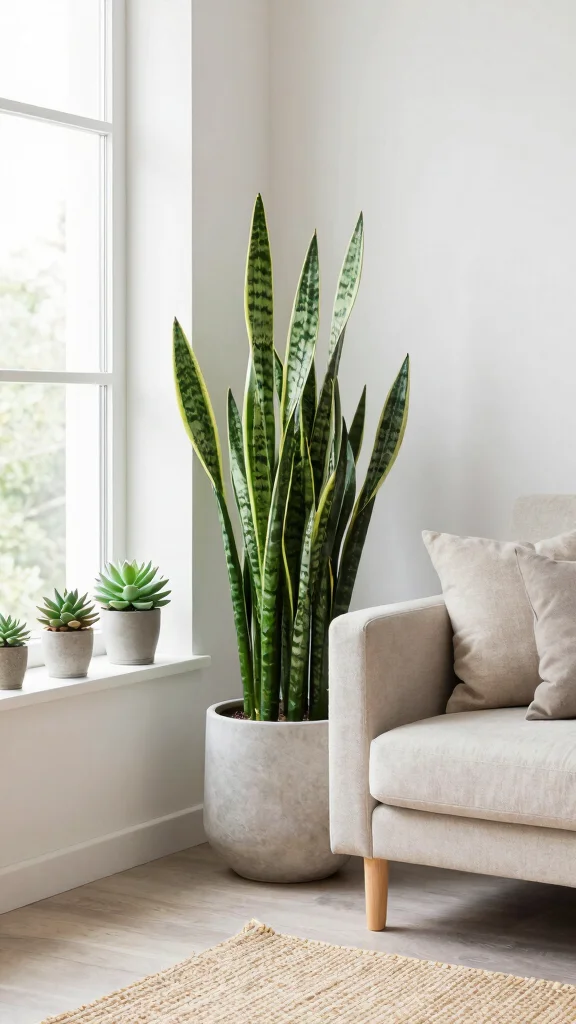
Introducing indoor plants into your minimalist living room can invigorate the space and improve air quality. Low-maintenance varieties like snake plants, pothos, or succulents thrive in various light conditions and add a refreshing touch of nature. A large potted plant can serve as a stunning focal point, while smaller plants can be grouped for added visual interest.
To effectively incorporate plants, select decorative pots that align with your color scheme and group plants of varying heights for a layered effect. Positioning them near windows ensures they receive adequate light, enhancing their growth and vibrancy.
For incorporating plants:
– Choose decorative pots that match your decor.
– Group plants of different heights for dimension.
– Place plants near windows for optimal light exposure.
This integration of greenery not only purifies the air but also brings life and energy into your living space, embodying the minimalist ethos of simplicity and nature.
You Might Also Like
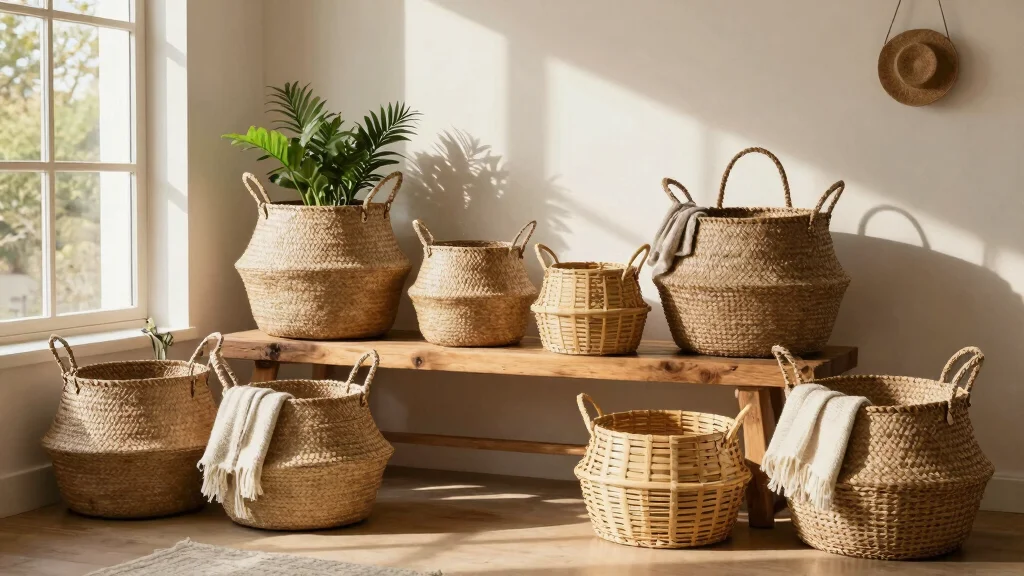
14. Curated Accessories
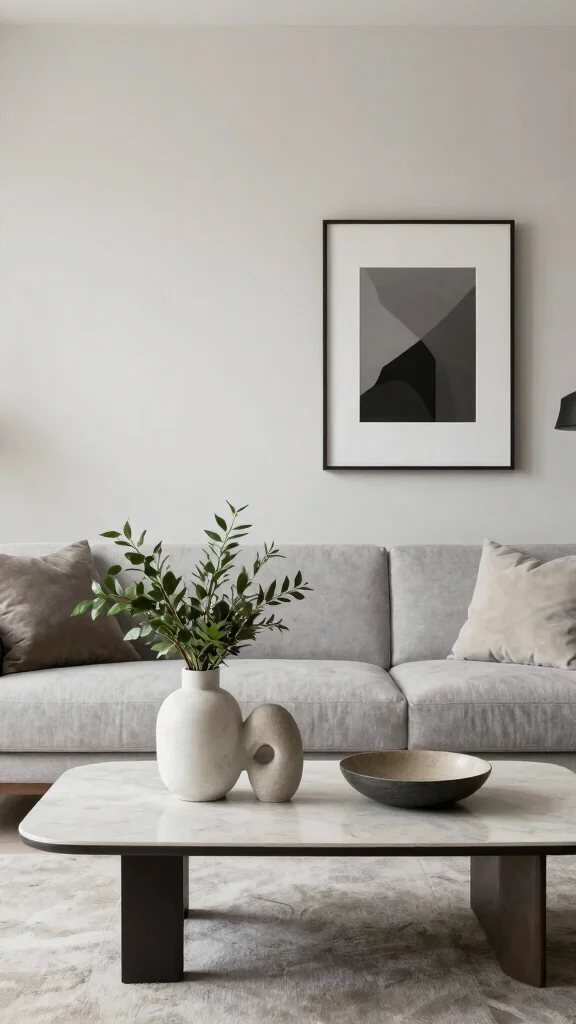
In a minimalist living room, the mantra of ‘less is more’ applies beautifully to accessories. Curating a selection of high-quality items allows you to make a statement without overwhelming the space. Thoughtfully chosen pieces, like a decorative bowl, a striking vase, or a unique sculpture, can serve as focal points that enhance both interest and personality.
The goal is to select items that resonate with your style while adhering to minimalist principles. Coordinated accessories can tie your color palette together, creating a cohesive design.
For curating accessories:
– Limit the number of pieces to maintain a clean look.
– Choose items that can be rearranged easily for freshness.
– Consider the scale of accessories in relation to furniture for balance.
This thoughtful curation adds individuality to your home while enhancing the overall design cohesion.
15. Cozy Corners
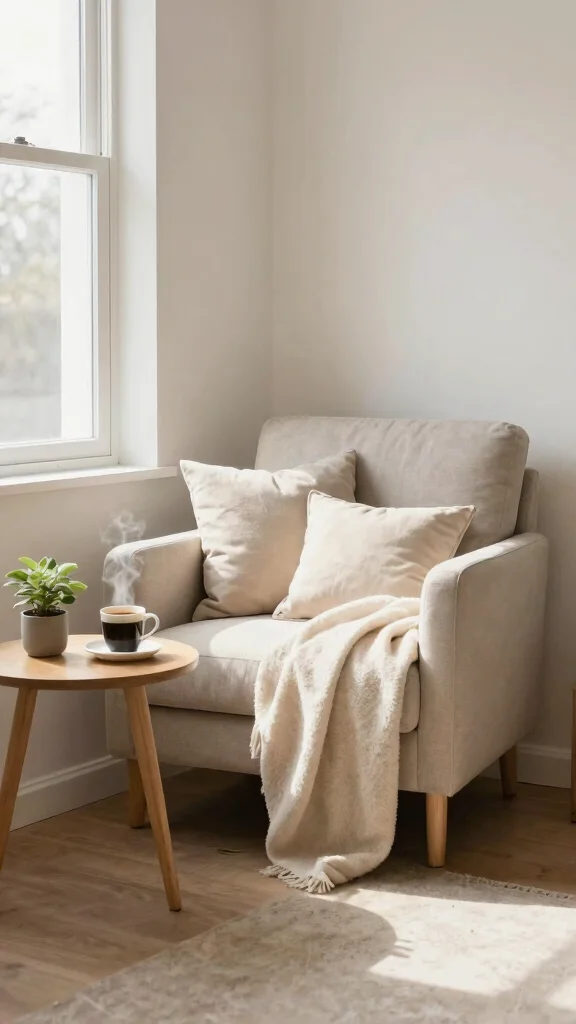
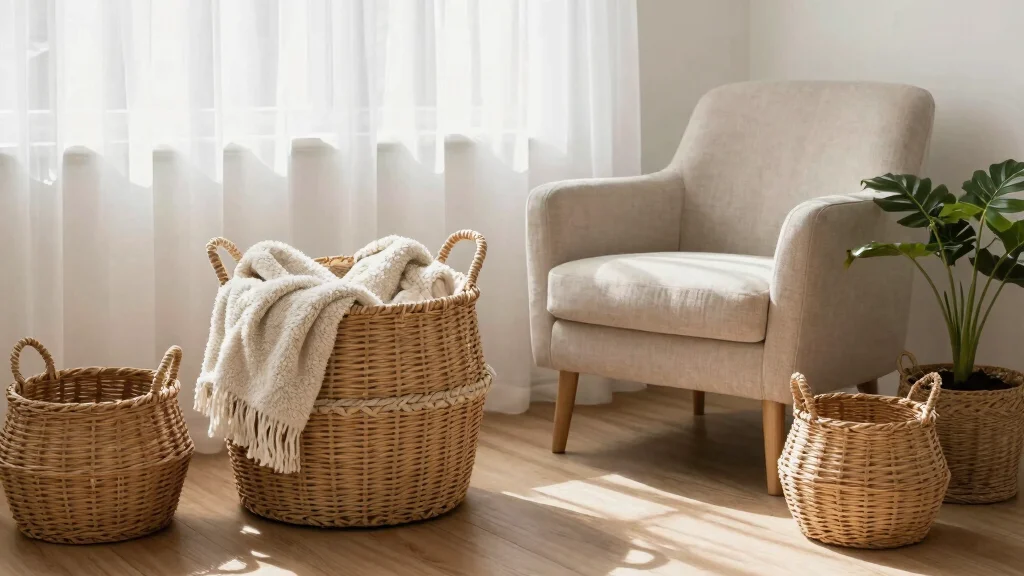
Creating cozy corners in your minimalist living room provides inviting spots for relaxation and leisure. A well-placed chair or reading nook can foster a sense of comfort and serve as a retreat within your clean design. Add a soft blanket and a few plush pillows to make the area inviting, utilizing natural light from nearby windows to enhance its warmth.
To create these cozy areas, select comfortable seating that aligns with your decor and incorporate soft textiles for added warmth. A side table can enhance convenience, making it easy to enjoy a good book or a warm drink.
For creating cozy corners:
– Choose a comfortable chair that matches your decor.
– Use soft textiles for warmth and texture.
– Include a side table for added functionality.
This thoughtful design not only promotes relaxation but also adds layers of comfort to your minimalist living space.
16. Personal Touches
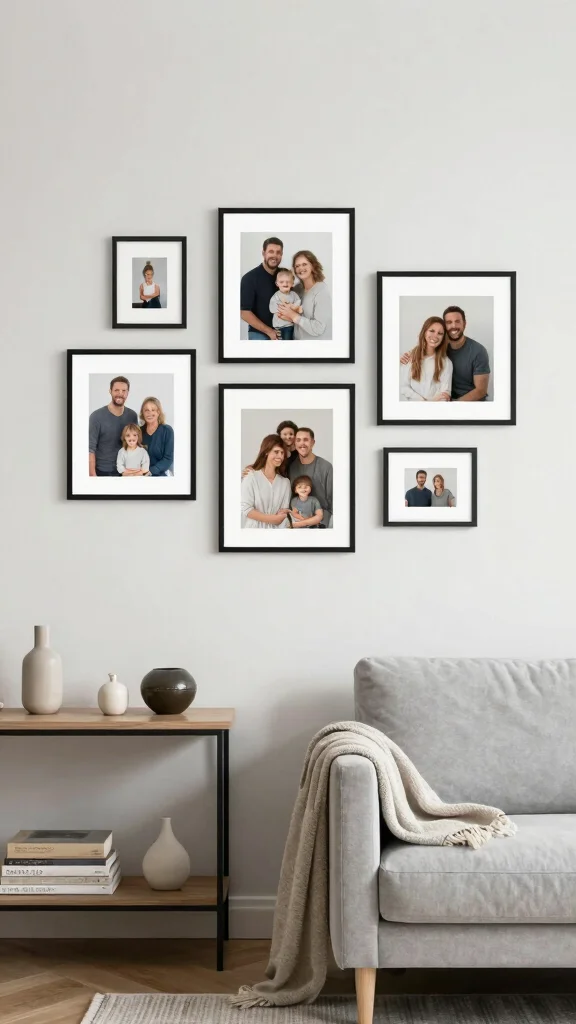
In minimalist living rooms, personal touches infuse warmth and character into the design. While simplicity is key, incorporating a few meaningful items fosters a sense of belonging and identity in your space. Consider displaying cherished photographs in minimalist frames or showcasing unique travel souvenirs that resonate with your personal journey.
The key is to choose items that blend cohesively with your overall decor while reflecting your style. This balance ensures that your space feels both welcoming and true to you.
For adding personal touches:
– Limit personal items to maintain a clean appearance.
– Choose cohesive frames and displays for unity.
– Curate a gallery wall that tells your story without clutter.
This thoughtful inclusion of personal decor not only enhances individuality but also adds a comforting layer to your minimalist aesthetic.
17. Sustainable Choices
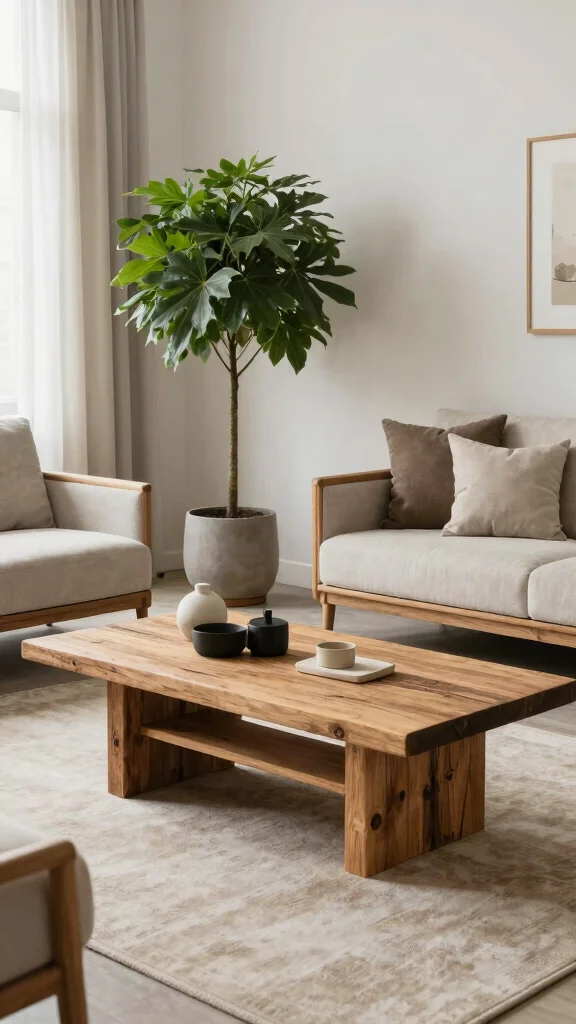
Embracing sustainable choices in your minimalist living room aligns your design with eco-friendly values. Opt for furniture crafted from sustainable materials, such as reclaimed wood or ethically sourced bamboo. By incorporating artisanal items or handmade products, you can reduce your carbon footprint while adding unique character to your space.
This approach beautifully complements minimalism, emphasizing quality over quantity and fostering a deeper connection to the environment. Invest in well-made items that reflect your values and will stand the test of time.
For incorporating sustainability:
– Research brands that prioritize eco-friendly materials.
– Choose timeless designs that ensure longevity.
– Explore thrift stores for unique finds that promote recycling.
This commitment to sustainable choices not only enhances your living space but also supports a healthier planet.
Conclusion
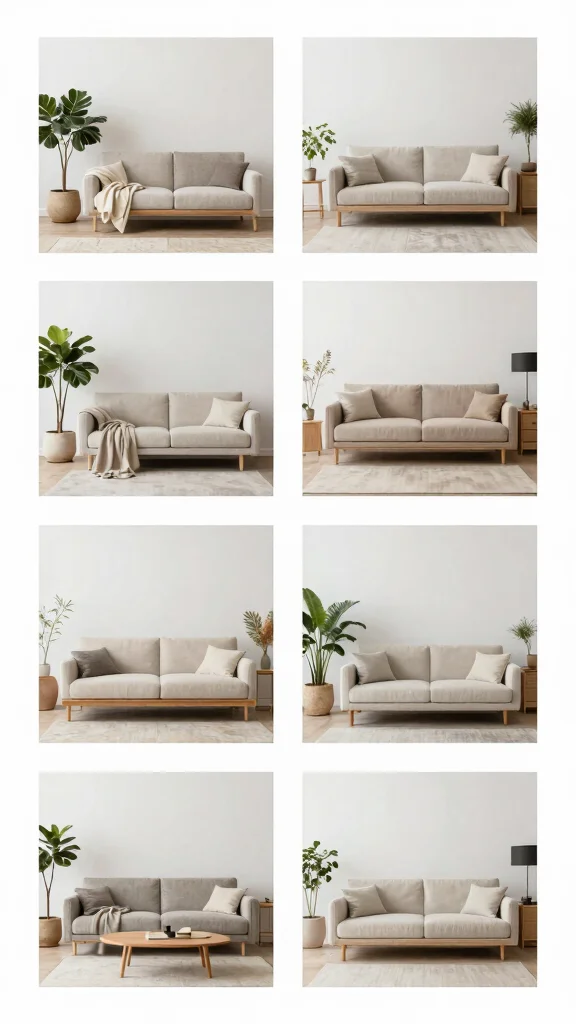
Modern minimalist living room designs offer infinite inspiration for creating stylish and functional spaces.
By embracing simplicity and intentional design, each of these 17 ideas allows you to transform your living room into a serene retreat. Whether through the use of natural light, earthy color palettes, or smart storage solutions, each element plays a vital role in crafting a harmonious environment. Consider which ideas resonate most with your style and lifestyle to create a space that feels as great as it looks.
Frequently Asked Questions
What defines living room designs modern minimalist, and how can I apply them in a small space?
Living room designs modern minimalist center on clean lines, empty space, and a calm palette. In a small space, start with a clear plan: pick a single focal point, choose furniture with slim profiles, and keep surfaces free of clutter to let the room breathe.
To get practical results, use minimalist furniture with low silhouettes, add hidden storage in ottomans or under a coffee table, and emphasize negative space around pieces. Stick to a restrained color scheme—your base should be light and neutral, with color applied via art or textiles as part of contemporary color palettes. For open concept living, define zones with rugs and lighting instead of walls, ensuring easy flow. This approach is at the heart of modern interior design and living room designs modern minimalist.
What minimalist furniture pieces should I include for a modern minimalist living room?
For a modern minimalist living room, choose pieces that are functional, compact, and well built. Start with a low-profile sofa, a streamlined coffee table, and a slim console or media cabinet.
Add minimalist furniture with hidden storage, like an ottoman or bench that doubles as storage, and consider wall-mounted shelves to keep floors clear. Keep color and texture restrained to support contemporary color palettes, and select pieces with clean lines to embrace modern interior design while making the space feel open. With these essentials, you’ll nail a calm, clutter-free vibe that still feels warm and inviting.
How can I create an open concept living area using modern interior design principles?
In small homes, an open concept living area thrives on light, uncluttered surfaces and consistent materials. Start by choosing a restrained palette and let natural light do the work. Use low-profile furniture to maintain sightlines, and define zones with rugs, lighting, or a sofa arrangement rather than walls. Integrate open concept living with modern interior design by mixing textures—wood, stone, and fabric—within a contemporary color palettes. Add minimalist decor ideas like a single statement art piece and a single plant to keep the space breathable while still feeling cohesive.
Which contemporary color palettes work best for small living rooms with minimalist decor ideas?
For small living rooms, stick to calm, cohesive palettes. Start with base neutrals (white, warm gray, beige) and add depth with an accent color used sparingly—think black, navy, or earthy tones. This contemporary color palettes approach keeps spaces bright while adding personality through minimalist decor ideas. Use color thoughtfully on textiles, art, or a single statement piece, and keep larger furniture in lighter shades to preserve flow. Finish with natural materials and modern interior design touches for enduring style.
What are practical tips to maximize storage while keeping a clean, minimalist aesthetic in living room designs modern minimalist?
Maximize storage without stealing space by choosing minimalist furniture with built-in or hidden storage—think storage ottomans, coffee tables with drawers, or wall-mounted cabinets. Opt for floating shelves to keep floors clear in open concept living. Use vertical storage to draw the eye upward and away from clutter, and keep decorative items few but meaningful as part of minimalist decor ideas. Finally, adopt a quick weekly decluttering routine to maintain the calm vibe that defines living room designs modern minimalist.
Related Topics
home decor
living room designs
modern minimalist
minimalist furniture
open concept living
contemporary color palettes
small space solutions
decorating tips
minimalist decor
easy styling
functional design
modern interiors