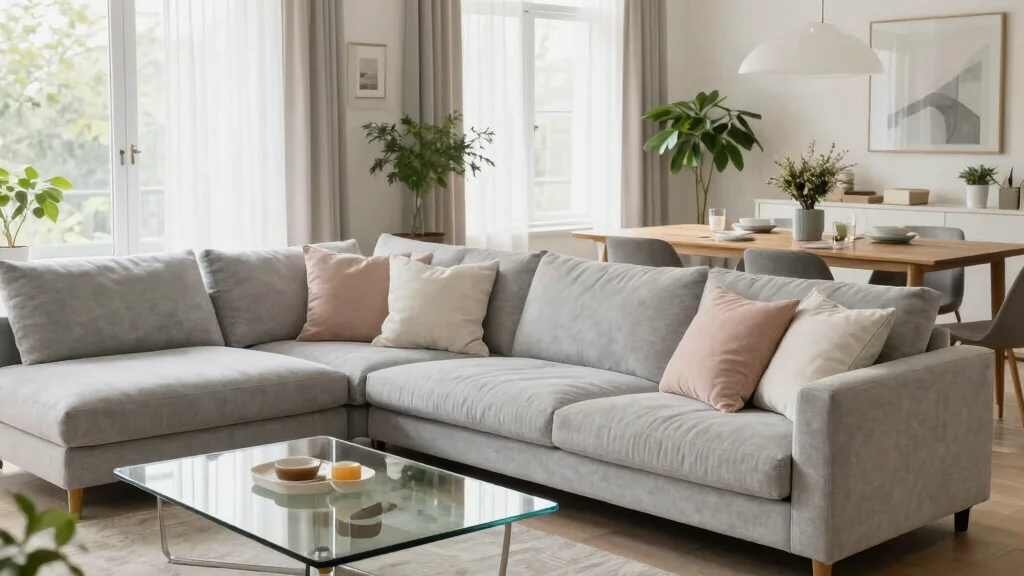
Creating a cozy and stylish living room that flows seamlessly into a dining area can feel like a daunting task, especially when you’re working with limited space. That’s why I put together this guide on minimalist living room with dining area ideas. With so many distractions in our lives, it’s essential to have a space that feels calm and inviting. Minimalism helps achieve that by stripping away the clutter and allowing your home to breathe.
If you’re someone who craves simplicity and elegance in your home, you’re in the right place. This post is designed for you—whether you’re a small-space dweller, a design enthusiast, or just looking to refresh your home. You’ll find tips and inspiration that resonate with your desire for a peaceful, organized environment.
In this guide, you’ll discover 17 creative ideas that not only maximize your space but also enhance the beauty of your home. From smart furniture choices to harmonious color palettes, these tips will help you create a minimalist living room with a dining area that feels cohesive and inviting. Get ready to transform your space into a haven of tranquility, where every element serves a purpose and reflects your style.
Key Takeaways
– Monochrome Magic: Explore the beauty of sticking to a single color palette to create a serene atmosphere that feels spacious.
– Multipurpose Furniture: Invest in furniture that serves more than one function, maximizing both style and space in your living room and dining area.
– Smart Storage Solutions: Discover creative ways to incorporate storage into your design, keeping clutter at bay and maintaining a minimalist aesthetic.
– Layered Lighting: Use different types of lighting to enhance the ambiance of your space, from task lights in the dining area to soft lighting in the living room.
– Neutral Color Palette: Embrace a neutral color scheme to create a soothing environment, making it easier to blend different areas of your home seamlessly.
Recommended Products

Ergonomic Black Dining Chairs-The ergonomically curved solid high backrest (15.74" wide) offers superior lumbar support, reducing spinal pressure during long meals in dining rooms or kitchens. The 18.5" deep seat, padded with high-density foam, ensures proper posture and comfort for adults, ideal for family gatherings or daily use.

Multi Purpose: White dining table chairs are simple and beautiful, suitable for family dining table, dining room, guest room, kitchen, apartment, office, and holiday decoration. Modern style dining chairs with overall size: 22.83 "W x 20.47 "D x 32.87 "H. The enlarged size is suitable for most tables and is versatile

SET OF 2 MODERN BISTRO CHAIRS: Offers comfortable, stylish seating for restaurants, bistros, dining rooms, living rooms, kitchens, and other indoor or outdoor commercial or residential environments
1. Monochrome Magic
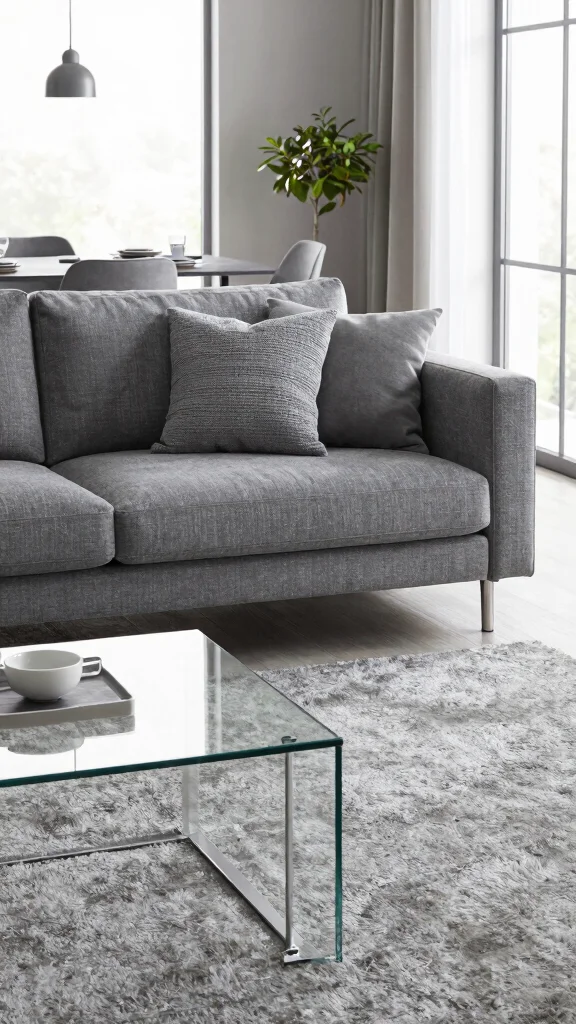
Embracing a monochrome color scheme can transform your minimalist living room and dining area into a sophisticated haven. The use of varying shades of a single color, like soft grays or warm whites, creates visual harmony and a clean, cohesive look. This method allows your furniture to blend effortlessly, giving the illusion of a larger space. Pairing different textures, such as a plush rug with sleek leather sofas, adds depth and character without overwhelming the senses. By limiting decor to one color, you achieve an effortlessly chic ambiance that embodies understated elegance.
To maximize this palette’s potential, consider these practical tips. Opt for budget-friendly alternatives like paint instead of costly wallpaper. Incorporate textured elements through affordable throw pillows or a soft blanket to enhance the warmth. This approach aligns with current design trends that favor simplicity and emotional connection through color and texture.
Consider these elements to elevate your monochrome design:
– Pair a soft gray sofa with white walls
– Use a textured rug to add warmth
– Limit decor to one or two standout pieces
This design strategy not only elevates your aesthetic but also enhances the overall atmosphere by inviting a sense of calm and tranquility into your home.
Fun fact: a monochrome palette in a minimalist living room with dining area can visually expand space by up to 20%. Layer textures—plush rug, sleek leather—so you gain depth without adding clutter.
Recommended Products

【Double‑Layer Capacity for Everyday Needs】 This 48‑inch bench comfortably stores 8‑12 pairs of frequently worn shoes. The two‑tier design keeps your entryway tidy – upper shelf for easy grab, lower shelf for concealed organization.

【Double‑Layer Capacity for Everyday Needs】 This 48‑inch bench comfortably stores 8‑12 pairs of frequently worn shoes. The two‑tier design keeps your entryway tidy – upper shelf for easy grab, lower shelf for concealed organization.

[Sustainable Bamboo Craftmanship] Crafted from 100% bamboo with grille-inspired details, our bench ensures a harmonious blend of natural elegance and modern design.
2. Open Shelving Display

Open shelving is a fantastic way to maintain a minimalist vibe while showcasing your favorite decor pieces. By opting for sleek, wall-mounted shelves, you can display curated collections or art, which draws the eye upward and creates the illusion of higher ceilings. This not only frees up floor space but also visually connects your living and dining areas. For instance, integrating elegant dinnerware or crafted books can create a seamless flow between these spaces.
Consider practical implementation tips to make the most of open shelving. Keep your decor minimal by selecting only a few standout items that resonate with your style. You can also group similar items together to enhance visual appeal. Regularly rotating displayed items keeps the space fresh and engaging, aligning with broader design trends that emphasize personalization and simplicity.
Enhance your open shelving with these ideas:
– Keep decor limited to a few carefully chosen items
– Group similar pieces for a cohesive look
– Regularly refresh your display for a new vibe
This design choice not only adds functional storage but also infuses your space with personality, making it feel both stylish and inviting.
Recommended Products

The Kamala Collection is an abstract patterned area rug in a contemporary neutral color palette

The Malibu Collection is an indoor/outdoor area rug featuring geometric patterns in airy, neutral palettes, with playfully fringed edges; from renowned interior designer Amber Lewis in collaboration with Loloi

【Ideal for small spaces or rooms with limited natural light】The neutral palette (predominantly white and beige) pairs effortlessly with both dark and light furniture, as well as vintage or modern accents — minimizing the guesswork and risk of mismatched decor. The light color palette and vintaget pattern help visually expand the space, while avoiding the flatness of a solid-color rug — making even compact areas feel open and airy.
3. Multipurpose Furniture
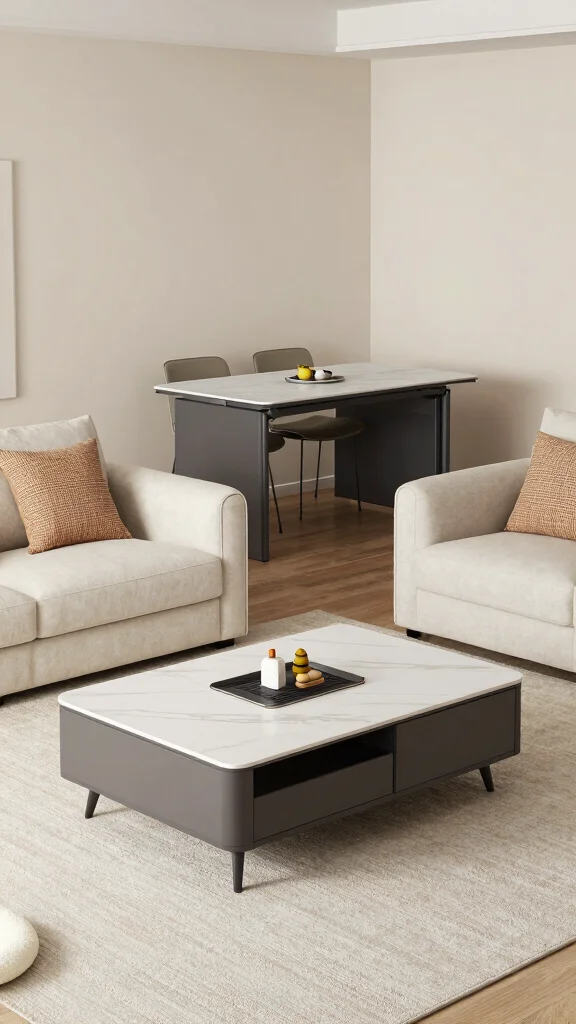
In small spaces, every piece of furniture counts, and multipurpose options are essential for minimalist living and dining areas. Think about incorporating a coffee table that doubles as a storage unit or a dining table that folds down when not in use. This functionality allows you to keep your space organized while maximizing usability. Including ottomans or benches that serve as extra seating and storage further enhances your options.
To effectively implement multipurpose furniture, look for items with hidden compartments that blend style and practicality. Choose adaptable pieces that can serve various functions based on your needs. Measuring your space is crucial to ensure a perfect fit for each item, aligning with trends that prioritize both minimalism and functionality.
Take advantage of multipurpose furniture with these strategies:
– Look for pieces with hidden storage compartments
– Choose adaptable items based on your lifestyle
– Measure your space for optimal fit
The right multipurpose furniture can significantly reduce clutter, enhancing your living experience and making your minimalist design truly functional.
Recommended Products
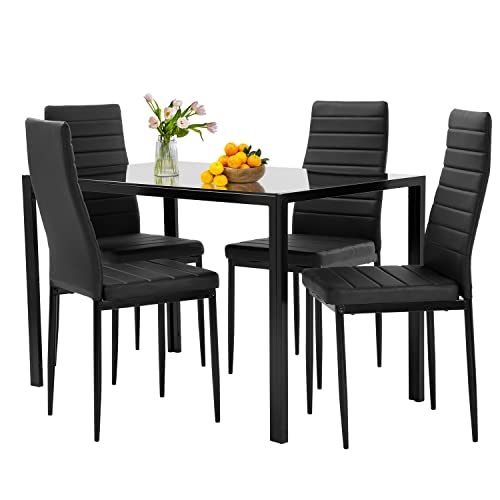
UPGRADED COMFORT: This 5-piece dining set includes a rectangular glass kitchen table and 4 faux leather chairs with cushioned seats, offering comfort and support for everyday meals.

Lift Top Design: The tabletop of this coffee table can be effortlessly raised to the right height (elevated to 6.3”). It is not just a lift up coffee table, and it also serves perfectly as a temporary dining table or a computer desk with an elevated floating tabletop

Ideal Choice for Smaller Spaces: This compact dining table (27.6"L x 27.6"W x 29.5"H) is perfect for kitchen breakfast nooks, apartments, and other limited spaces. It comfortably seats 2-4 people, making it practical for intimate gatherings
🏠 Transform Your Space Like a Pro
Unlock the secrets to stunning home makeovers with our DIY guide tailored for every budget and style.
4. Layered Lighting

Layered lighting is key to enhancing a minimalist living and dining area, as it adds warmth and depth. Instead of settling for a single overhead fixture, combine ambient, task, and accent lighting to create a welcoming atmosphere. Use floor lamps beside your sofa, pendant lights above the dining table, and wall sconces to highlight artwork or shelves. This variety enriches the space’s functionality while crafting an inviting mood.
For effective lighting implementation, consider using dimmers to adjust brightness levels according to your needs. Maximize natural light with sheer window coverings, allowing sunlight to flow in while maintaining privacy. Mixing different lighting types fosters a balanced look, reflecting current trends that emphasize comfort and coziness in design.
Enhance your lighting with these tips:
– Use dimmers to control brightness levels
– Incorporate natural light wherever possible
– Mix light sources for a harmonious ambiance
The right approach to layered lighting can transform your living space, making it feel more inviting and comfortable for you and your guests.
Recommended Products

Modern Fully Dimmable(0-100%) Floor Lamp & Convenient Rotary Switch: Compared with traditional Non-dimmable floor lamps for living room, our floor lamp is fully Stepless Dimmable, which suitable for all the room style and using situation ,find the perfect light for your needs. This standing lamp is very easy to turn on and off. Just simply twist it and then you can adjust the arc floor lamps brightness what you want. 4.1FT rotary switch, which is very convenient for you to adjust it.

0-100% Dimmable Floor Lamp: Compared to other floor lamps, Ambimall floor lamp features a 9W dimmable light bulb and a convenient rotary switch, allowing for easy adjustment of brightness from 0-100% with a simple twist.

Lampshades Dimension: Top diameter: 12.6 inch, bottom diameter: 12.6 inch, height: 7.68 inch, screw thread diameter: 1.65inch(UNO construction). Our rattan lamp shades are designed to fit seamlessly on most lamps with E26 socket, such as table lamps, floor lamps, hanging pendant light, chandelier lamp and so on. Please check the shade size carefully to make sure they are suitable for your light fixtures before purchasing.
5. Minimalist Art Pieces
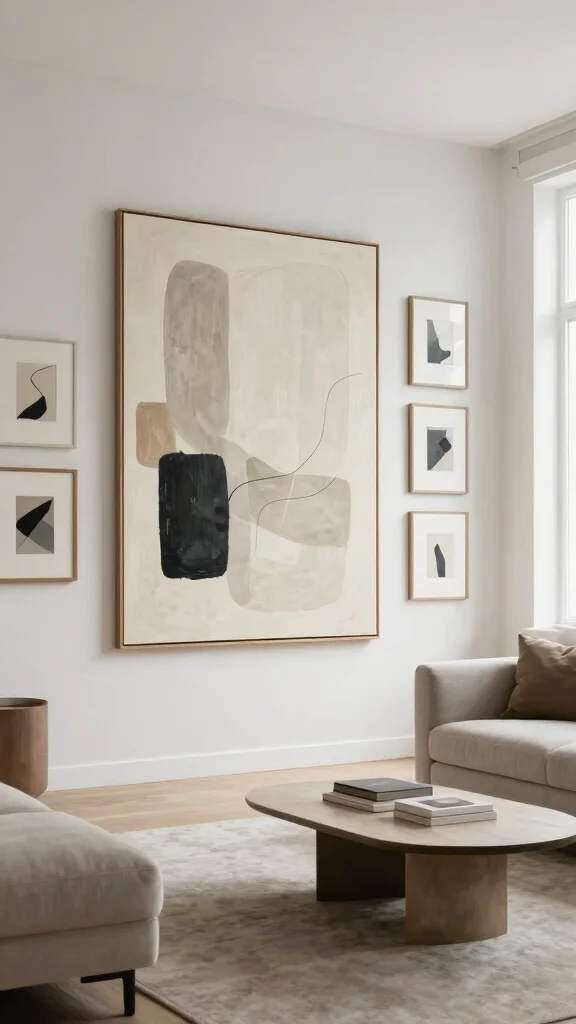
Art can play a powerful role in a minimalist living and dining space, serving as a focal point without overwhelming the design. Select impactful pieces that resonate with your personal style, such as large canvas art or framed prints featuring minimalist designs. Focus on simplicity and abstract themes to ensure they blend seamlessly with your decor. Arranging art in a grid pattern can create a stunning visual without cluttering the space.
To effectively incorporate art into your design, stick to a consistent style or color palette that aligns with your overall theme. Hang your art at eye level for maximum impact, and utilize negative space to allow each piece to breathe. This approach aligns with trends celebrating emotional connections through art, enhancing the atmosphere of your home.
Consider these art tips to elevate your space:
– Choose a consistent style or color scheme
– Arrange art at eye level for better visibility
– Use negative space to let the art shine
Minimalist art can evoke emotion and spark conversation, enriching the overall vibe of your living and dining areas.
6. Neutral Color Palette

A neutral color palette is synonymous with minimalist design, working wonders in small spaces to create a soothing atmosphere. Shades of white, beige, gray, and taupe evoke a sense of tranquility while making your area feel expansive and airy. You can introduce subtle contrast through varying textures and patterns, keeping decor minimal. For example, a soft beige sofa paired with a knitted throw and a simple wooden coffee table creates a cozy yet uncluttered feel.
To implement this palette effectively, use lighter shades on your walls to enhance brightness. Introduce darker accents sparingly for added depth, and consider the undertones of your colors for cohesive harmony. This approach aligns with current design trends that favor serene environments and easy seasonal updates.
Enhance your neutral palette with these tips:
– Use light colors for walls to promote brightness
– Incorporate dark accents for visual interest
– Pay attention to color undertones for harmony
A neutral palette fosters tranquility, allowing for easy accents of color that can refresh your space with the seasons.
Recommended Products

Durability, & Easy Installation:Engineered for enduring support, our bench ensures steadfast sturdiness, confidently accommodating up to 450 pounds with ease. It features a simple assembly with just a few screws and three panels, making installation quick and hassle-free.

【Corner Dining Bench with Cushion】 The L-shaped storage bench with Cushion is suitable for corners and small rooms, helping you maximize space utilization. The kitchen bench is equipped with fluted finish and comfortable velvet cushion, and high-density foam core provides stable support, which will not sag over time, suitable for daily use.

【L-Shape Bench with Cushion】The L-shaped storage bench with Cushion is suitable for corners and small rooms, helping you maximize space utilization. The farmhouse barn door and grey cushions are perfectly combined to create a low-key and sophisticated style.
7. Textured Accents
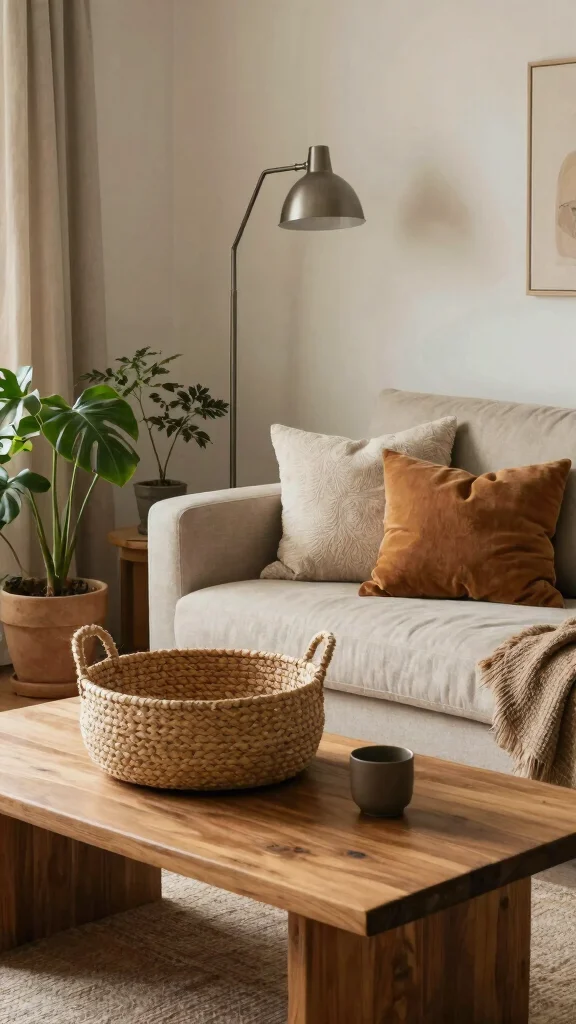
Incorporating various textures into your minimalist living and dining area can add warmth and interest while maintaining simplicity. Use a mix of materials such as wood, metal, and fabric in your decor to create a rich visual experience that stays true to minimalism. Layering textures, like a woven basket for decorative storage or a soft throw on a couch, invites tactile engagement without overwhelming the space.
To successfully implement textured accents, mix materials strategically—pairing a metal coffee table with a wooden dining set enhances visual appeal. Soft textiles like throws and cushions can add comfort, while incorporating plants brings organic texture indoors. This approach resonates with trends that prioritize comfort and livability in design.
Include these texture tips to enhance your space:
– Combine materials like metal and wood
– Use soft textiles for added comfort
– Add plants for natural texture
Textured accents create a more lived-in feel, inviting warmth and charm into your minimalist home.
Recommended Products

Soft Fluffy Rugs for Bedroom: With its plush high-low piles, this 5x7 area rugs delivers an incredibly comfortable and soft sensation, making it suitable for going barefoot. Lay the carpet over your hardwood floor, and it not only infuses warmth but also turns any room into a snuggle-worthy retreat

WASHABLE AREA RUG: Stain resistant surface engineered for modern convenience. Easily toss it into the washing machine with cold water. For sizes 6x9 and up, use a commercial washer. Spills wipe away easily before they have a chance to penetrate. The quick-dry fabric allows the rug to dry quickly. For daily care, vacuum on the lowest setting in one direction to protect fibers. Retains vivid colors and shape wash after wash

Machine Washable Rug: These 8x10 area rugs made from polyester feature stain-resistant surfaces to repel spills and pet messes easily. These washable rugs 8x10 can be washed on a cold gentle cycle, and standard vacuums and robot vacuums simplify routine upkeep
You might also like
8. Cohesive Furniture Arrangement
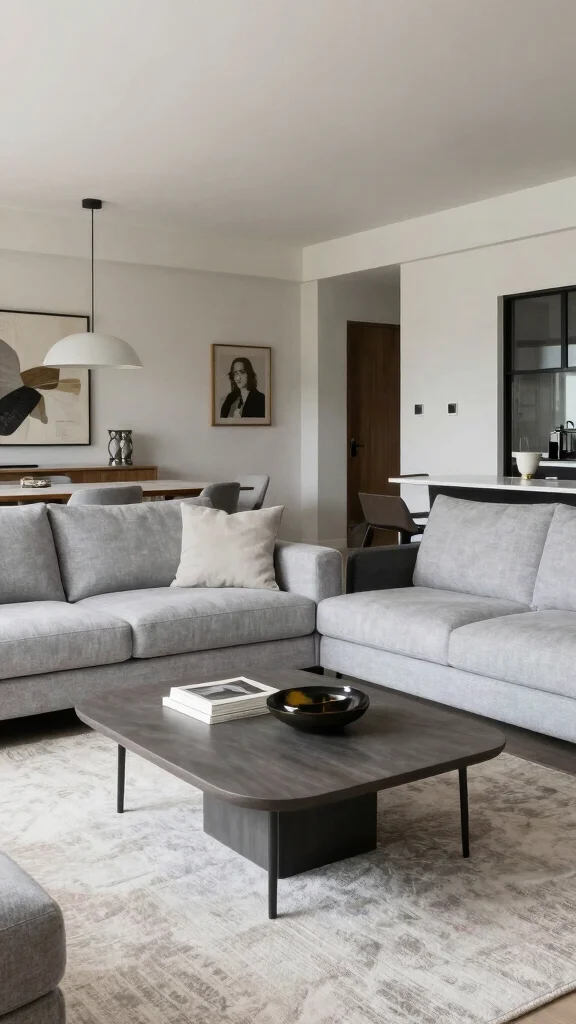
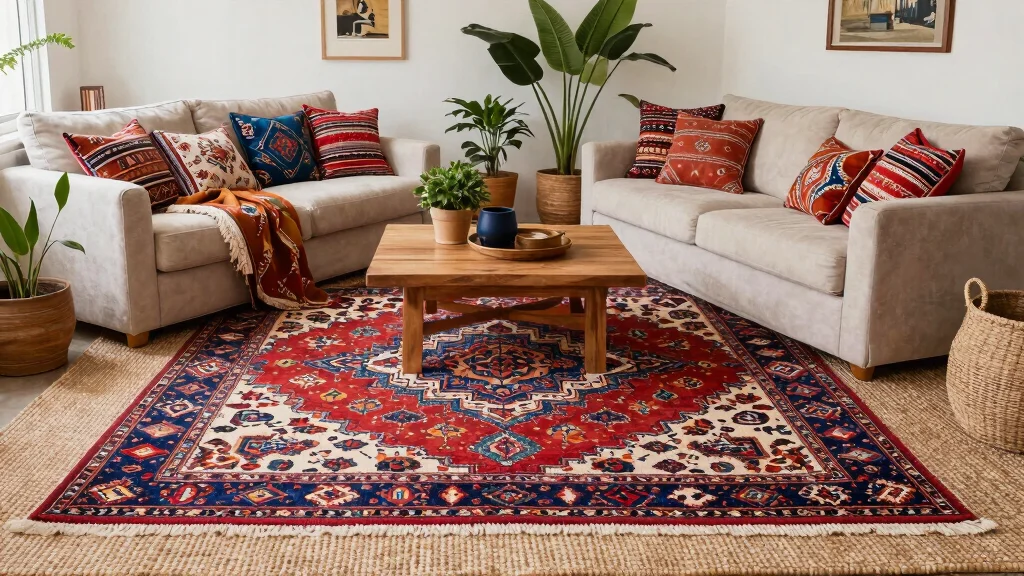
The arrangement of furniture significantly impacts how well your living and dining areas flow together. A cohesive layout allows for easy movement while keeping sightlines open and inviting. Positioning the dining table near the living area enhances accessibility during meals and gatherings. Additionally, using furniture with complementary styles contributes to a harmonious look throughout the space.
To achieve an effective furniture arrangement, ensure there’s enough space between pieces for comfort and navigation. Arrange sofas and chairs to encourage conversation, and use rugs to define different areas. This approach aligns with trends that prioritize social interaction and connection in home design.
Enhance your furniture arrangement with these strategies:
– Leave space for comfort and movement
– Arrange seating to foster conversation
– Use rugs to delineate areas
A well-thought-out furniture layout enhances social interactions, making your home feel more inviting and connected.
In a minimalist living room with dining area, the right furniture layout creates effortless flow and generous sightlines. Keep the dining near the living zone and ensure space between pieces for easy movement and a cohesive, welcoming feel.
Recommended Products

Ideal Choice for Smaller Spaces: This compact dining table (27.5"L x 27.5"W x 29.5"H) is perfect for kitchen breakfast nooks, apartments, and other limited spaces. The kitchen dining table comfortably seats 2-4 people, making it practical for intimate gatherings


【Important Notice】This item includes only the small kicthen table, dining chairs are not included. The chairs shown in the image are for display purposes only, and are not included or sold separately
9. Smart Storage Solutions

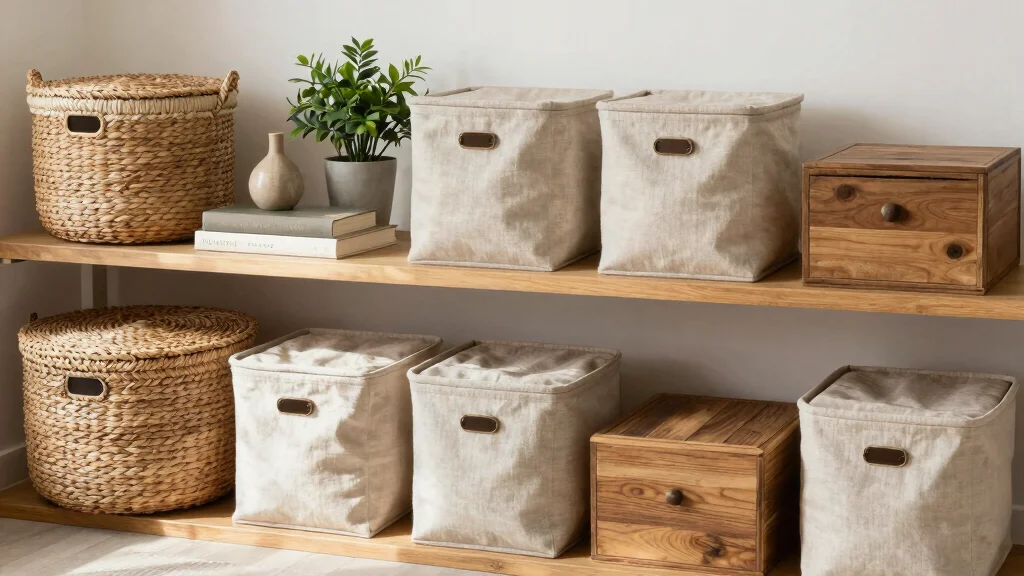
Minimizing clutter is crucial in a minimalist design, and innovative storage solutions are essential. Look for furniture that offers hidden storage, such as benches with lift-tops or coffee tables with drawers, to keep your space organized. Wall-mounted storage can also help keep items off the floor without sacrificing style. Incorporate decorative baskets or stylish boxes to store smaller items neatly while adding to your decor.
For effective storage implementation, regularly declutter to maintain a minimalist aesthetic. Use vertical space creatively to keep your areas looking open and organized, and label storage items for easy access. This aligns with broader trends that emphasize organization and simplicity in home design.
Consider these storage tips to keep your space tidy:
– Regularly declutter to maintain a minimalist vibe
– Use vertical space for effective storage
– Label storage items for easy organization
Smart storage solutions contribute to a clean and relaxed atmosphere, enhancing the overall minimalist lifestyle.
Recommended Products

3-in-1 End Table: This floor lamp with table brings storage, lighting, and charging together to maximize function in small spaces. Its mix of rustic farmhouse style and metal industrial design blends easily into any room, elevating your home’s look

ONLY 1 Beige Lamp Shade Included: please noted that this version comes only one piece beige lampshade. Please check carefully before you place order.

【Dimmable 3 Color Temperatures&Fully Adjustable for Light Direction】 Unlike standard lamps, our arched floor lights includes a premium Dimmable LED Bulb. Moreover, The bright lamp with 3 color temperatures (3000K Warm, 4500K Natural, 6500K Cool) and It can be curved horizontally up to 350° and vertically up to 90° to direct light to create the perfect atmosphere for movie nights, reading, or working.The lighting match any activity or mood instantly Memory function saves your last setting
Dimensions & Size Guide
Standard Sizes & Measurements:
Understanding the dimensions for your minimalist living room with dining area is vital. Here are some standard sizes to keep in mind:
– Living Room Sofa: The average size for a sofa is about 78-84 inches in length. If space is tight, opt for a loveseat at 54-72 inches long.
– Dining Table: A standard table for four people is usually 36-48 inches wide and 48-60 inches long. For more intimate spaces, a round table with a diameter of 36-48 inches can work wonders.
– Dining Chairs: Standard dining chairs are typically 18 inches wide and 18-20 inches deep, with a seat height of around 18 inches from the ground.
– Coffee Table: A coffee table should be about 48-54 inches long and 24-30 inches wide. Leave 18 inches of space between the coffee table and the sofa for comfortable movement.
– Area Rug: For a cohesive look, choose a rug that is at least 24 inches larger than your furniture arrangement to anchor the space.
When planning your layout, remember to allow for at least 36 inches of walking space around all furniture for easy movement and flow.
Quick Reference Table:
Size/Dimension – Best for: [use case], Minimum space needed: [measurement]
– Sofa (78-84 inches) – Best for: Family gatherings, Minimum space needed: 10×12 ft
– Dining Table (36-48 inches wide) – Best for: Meals for four, Minimum space needed: 8×10 ft
– Coffee Table (48-54 inches) – Best for: Centerpiece in living area, Minimum space needed: 8×10 ft
– Area Rug (24 inches larger than arrangement) – Best for: Grounding your space, Minimum space needed: 8×10 ft
Space Planning Tips:
Planning your space effectively will lead to better flow and functionality. Here are some practical tips for measuring your space:
1. Measure Twice: Use a tape measure to get accurate dimensions of your rooms. Measure the length, width, and height. This will help you avoid purchasing furniture that doesn’t fit! 📏
2. Create a Floor Plan: Sketch out your living space on graph paper. Use squares to represent feet. This visual can help you see how furniture will fit together before making any decisions.
3. Consider Traffic Flow: Think about how people will move through your space. Ensure pathways are open and free of clutter. Aim for at least 36 inches of clearance for walkways.
4. Avoid Overcrowding: It’s easy to fall into the trap of cramming too much furniture into a small space. Stick to a few key pieces to maintain that minimalist vibe.
5. Use Vertical Space: If you’re limited in floor space, think vertically. Shelves that reach the ceiling can provide storage without consuming too much space.
Pro Tip: One of the most important measurements is the distance between your furniture pieces. Always allow for at least 18 inches between your sofa and coffee table. This ensures comfort and functionality while maintaining that open concept feel. 🚀
10. Low-Profile Furniture
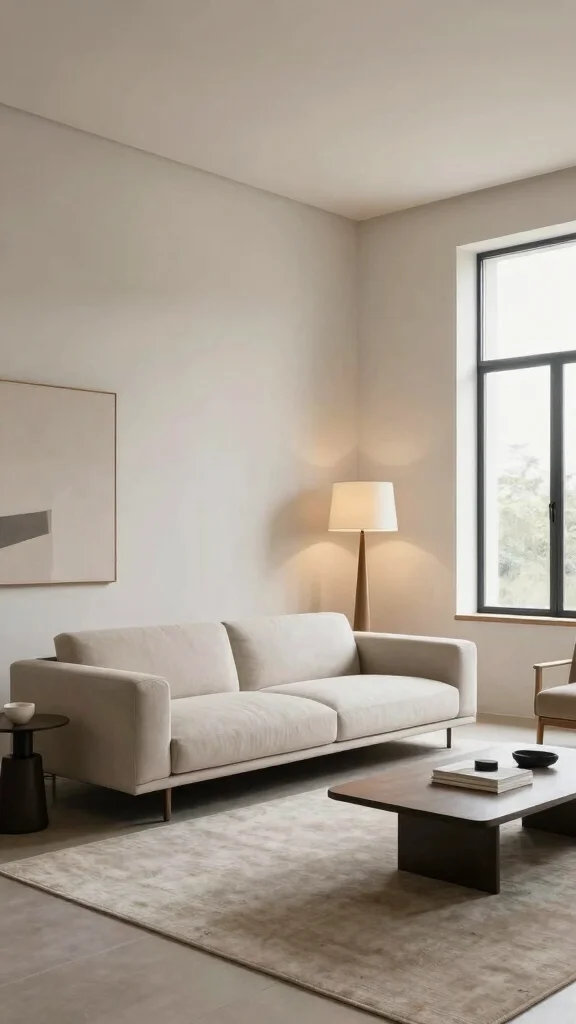
Choosing low-profile furniture can enhance the feeling of spaciousness in both your living and dining areas. These pieces create an open atmosphere, especially in smaller rooms, as they elongate the visual lines of the space. Look for sofas, chairs, and tables that sit lower to the ground, and pair them with taller decor elements like floor lamps or vibrant plants to draw the eye upward.
To implement low-profile furniture effectively, focus on clean lines that maintain a minimalist vibe. Slipcovers can make cleaning easier and allow for quick updates. Additionally, consider furniture with exposed legs for a lighter, airier look. This design choice aligns with modern trends that emphasize openness and fluidity in living spaces.
Enhance your low-profile design with these tips:
– Choose furniture with clean lines for a streamlined look
– Use slipcovers for easy maintenance
– Select furniture with exposed legs for an open feel
Low-profile furniture creates a seamless flow between spaces, enhancing the open-concept design that is so popular today.
Your minimalist living room with dining area should feel effortless, not crowded. Go low with furniture to open sightlines, then add a tall lamp or a vibrant plant to draw the eye upward. Simplicity plus thoughtful height makes spaces feel genuinely bigger.
11. Indoor-Outdoor Flow
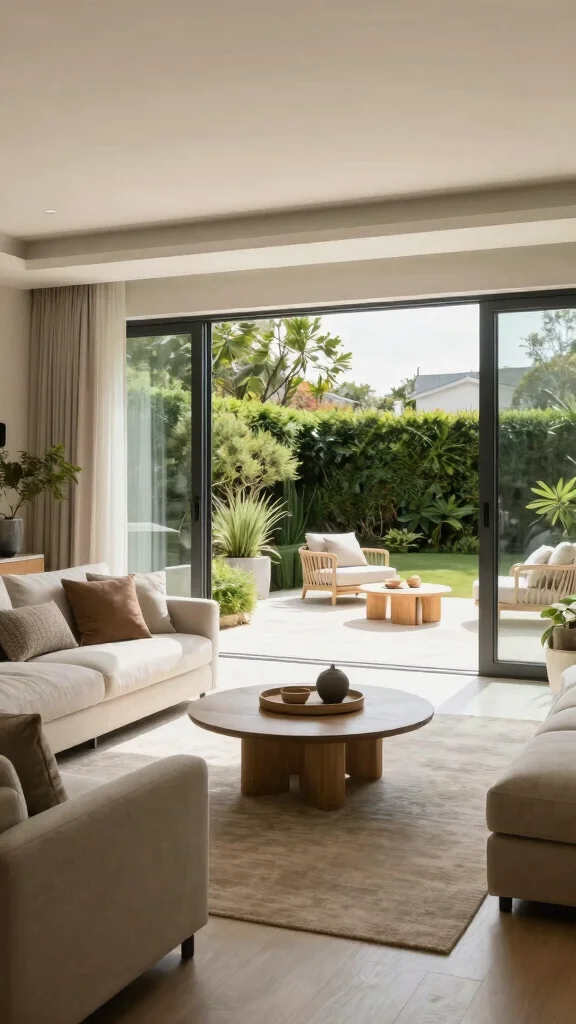
Creating a seamless transition between indoor and outdoor spaces can elevate your minimalist living and dining experience. Using similar decor styles and colors fosters continuity that beautifully connects both areas. Consider large sliding glass doors that open to a patio or garden, blurring the line between indoors and outdoors. Incorporating outdoor-inspired decor elements like natural materials or potted plants ties everything together harmoniously.
To achieve effective indoor-outdoor flow, use similar flooring for both areas to maintain consistency. Outdoor seating that matches your indoor style can create a cohesive look, while keeping outdoor decor simple ensures a unified feel. This approach aligns with trends emphasizing relaxation and connection to nature in home design.
Enhance your flow with these strategies:
– Use similar flooring for both indoor and outdoor spaces
– Match outdoor seating to your interior style
– Keep outdoor decor minimal for cohesion
Enhancing indoor-outdoor flow promotes a relaxing lifestyle and makes your space feel larger and more inviting.
12. Minimalist Textiles
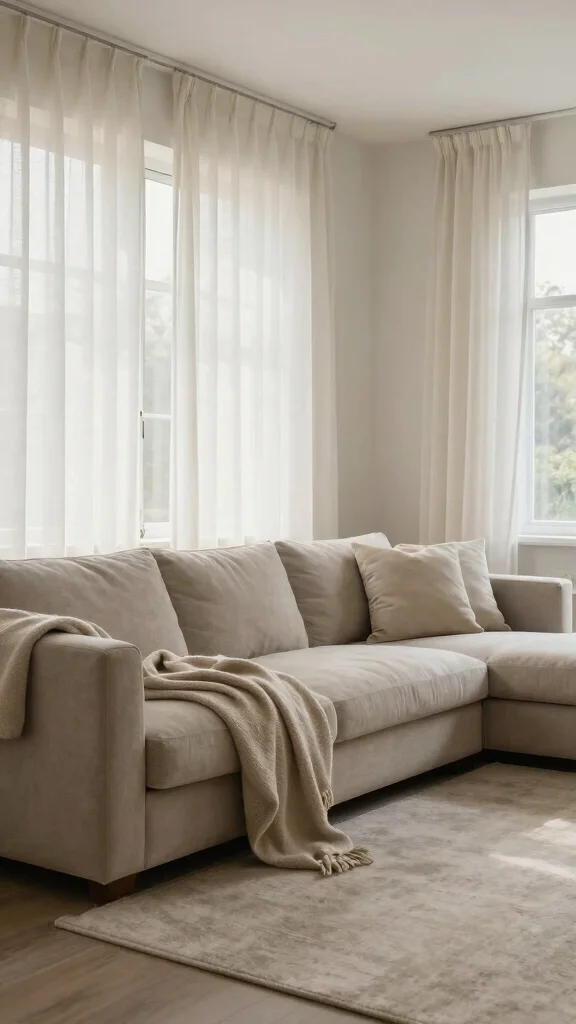
Textiles play a vital role in making a space feel inviting without overwhelming it. Choose minimalist textiles like lightweight throws, simple curtains, and neutral-toned cushions that complement your decor. Soft fabrics create a cozy atmosphere while keeping the overall look streamlined. Layering textiles on your sofa or bed adds warmth and interest, avoiding busy patterns that can distract from the minimalist theme.
To effectively incorporate textiles, stick to a cohesive color palette that aligns with your overall design. Opt for natural fabrics like cotton or linen for added comfort and durability. Using sheer curtains allows light to filter in while providing privacy, enhancing the inviting feel of your space. This approach reflects current trends that favor comfort and simplicity in home design.
Consider these textile tips to enhance your decor:
– Stick to a cohesive color palette for harmony
– Choose natural fabrics for comfort and sustainability
– Use sheer curtains to maintain lightness
Minimalist textiles enhance comfort and warmth, making your living space more enjoyable and inviting.
13. Simple Centrepieces
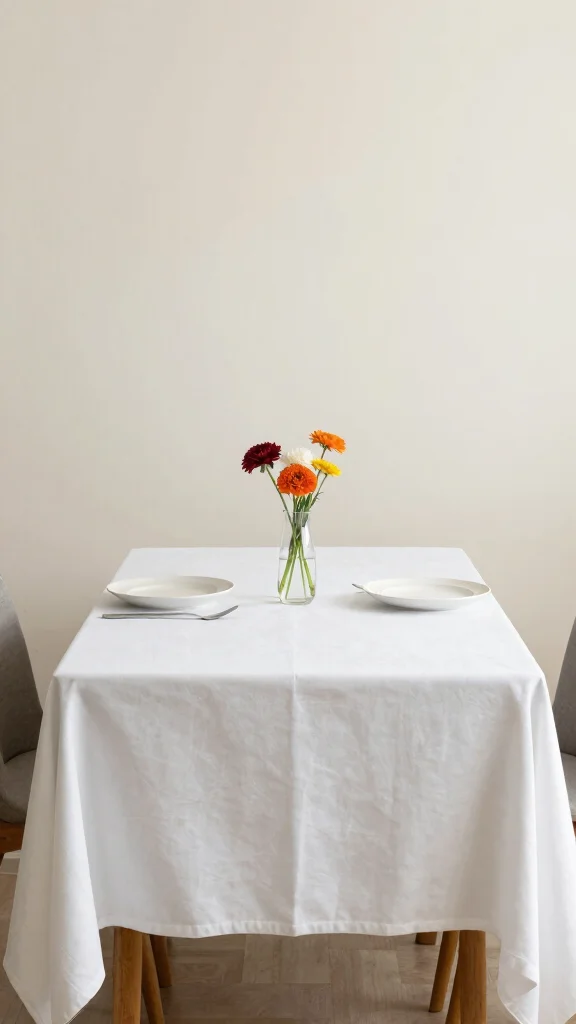
In a minimalist dining area, less is often more when it comes to decor. Opt for simple centerpieces that capture attention without overwhelming your table. A single vase with fresh flowers or a small bowl of fruit can be both beautiful and understated. Avoid excessive decor that clutters the space, focusing instead on pieces that add character and elegance.
To effectively implement centerpieces, choose items that can serve dual purposes, like candle holders that provide light as well. Maintain a consistent color palette that ties in with your overall theme, and consider changing centerpieces seasonally for variety while keeping it simple. This approach reflects trends that value intentional decor choices and simplicity.
Consider these centerpiece tips to elevate your dining experience:
– Choose dual-purpose items for functionality
– Keep the color palette consistent with your theme
– Rotate centerpieces seasonally for freshness
A well-chosen centerpiece can spark conversation and add a touch of elegance, enhancing the overall dining experience without overshadowing it.
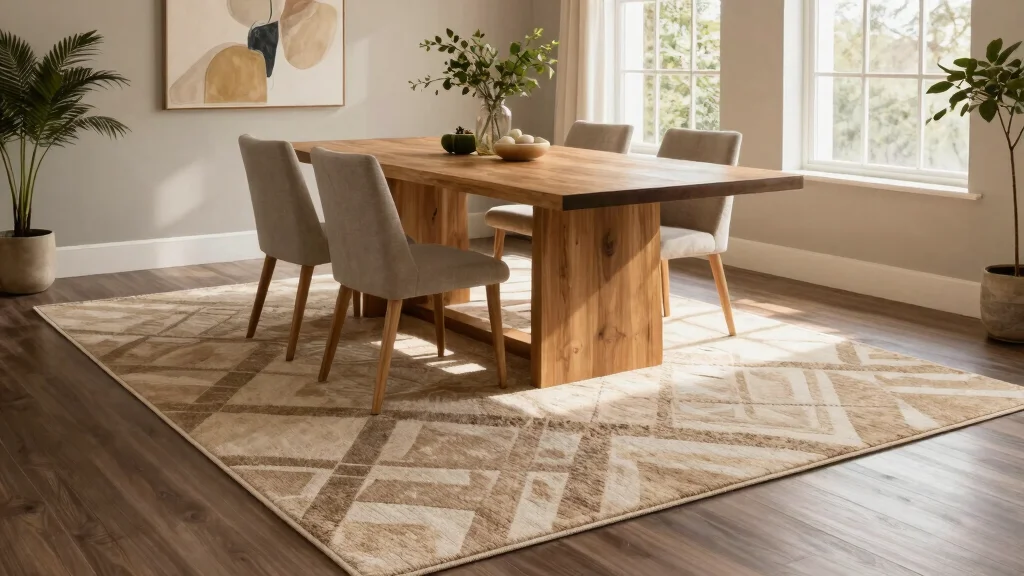
14. Natural Elements
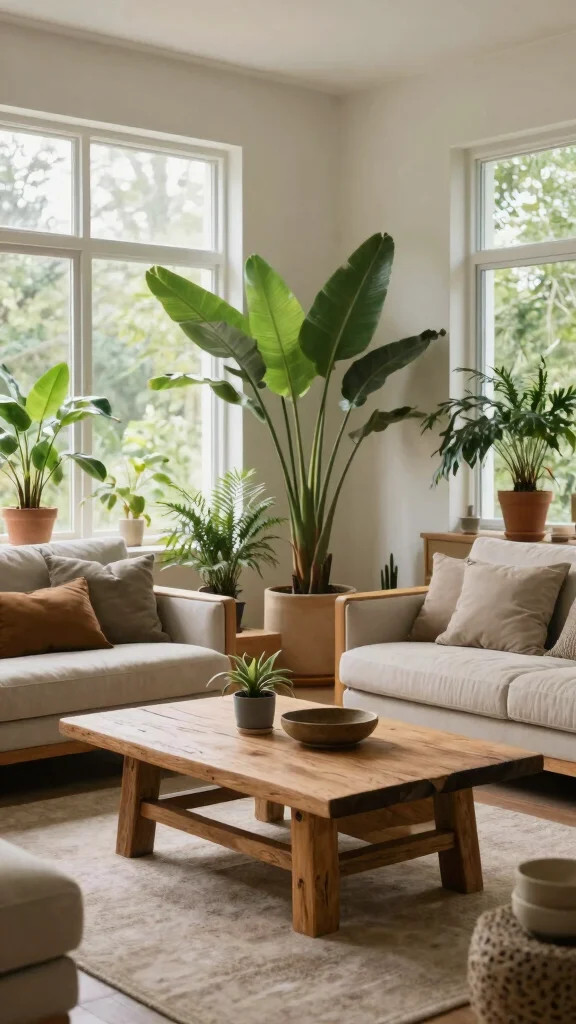
Incorporating natural elements can infuse warmth and beauty into a minimalist living and dining area. Using materials like wood, stone, and plants adds organic charm to your space. Natural furnishings, such as wooden coffee tables or stone accents, enhance the aesthetic while keeping the design simple and grounded. Additionally, integrating greenery through potted plants or hanging planters brings life and color without overwhelming the decor.
To effectively implement natural elements, opt for sustainably sourced materials that promote eco-friendliness. Choose easy-care plants like succulents that require minimal maintenance, and consider using wooden accents in your furniture for added warmth. This approach aligns with current design trends that celebrate sustainability and connection to nature.
Enhance your natural elements with these tips:
– Use sustainably sourced materials for eco-conscious design
– Select low-maintenance plants for ease of care
– Incorporate wooden accents for warmth and texture
Natural elements create a calming environment, promoting relaxation and harmony in your home.
15. Seamless Color Transitions

Creating seamless transitions between color schemes in your living and dining areas can unify your design beautifully. Start by selecting a primary color for one space and gradually introduce other shades into the adjoining room. For instance, if your living area features a light gray, consider incorporating deeper grays or complementary colors in your dining area. This flow keeps your home feeling connected and vibrant while maintaining a minimalist touch.
To achieve effective color transitions, use accessories in shared colors to bridge the gap between spaces. Stick to a similar intensity of colors for better cohesion, and allow natural light to influence how colors are perceived throughout the area. This approach reflects trends that prioritize fluidity and connection in home design.
Consider these transition tips to enhance your design:
– Use shared color accessories for cohesion
– Maintain a similar color intensity for unity
– Let natural light influence color perception
Seamless color transitions can enhance the airy feel of your home while still allowing for individual character in each space.
16. Custom Built-Ins
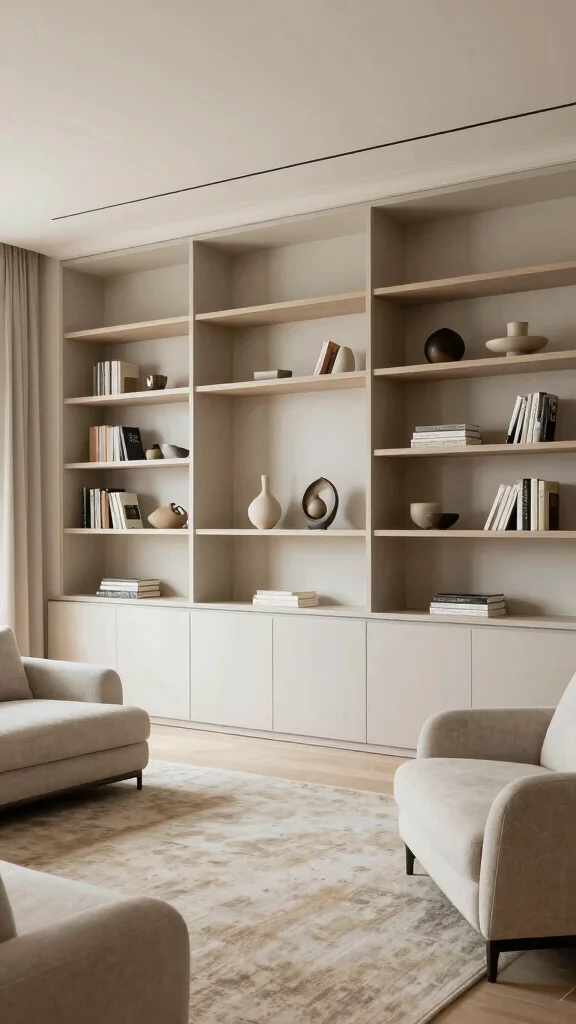
Custom built-ins are a fantastic solution for maximizing storage while keeping a minimalist aesthetic. These tailored designs integrate seamlessly into your living and dining areas, providing functional space without contributing to clutter. Consider creating built-ins for books, decorative items, or even a bar area that complements your existing style. This method enhances functionality while maintaining a clean, streamlined look.
For effective built-in solutions, consult with a professional to ensure optimal design and placement. Choose materials that align with your decor to create a cohesive look, and use built-ins to showcase curated collections that reflect your personality. This design strategy aligns with trends that value both personalization and functionality in home spaces.
Enhance your built-in design with these tips:
– Consult with a designer for optimal layouts
– Choose materials that complement your decor style
– Use built-ins to display curated collections
Custom built-ins can elevate your home’s functionality and style, making them a worthwhile investment for any minimalist space.
17. Personal Touches
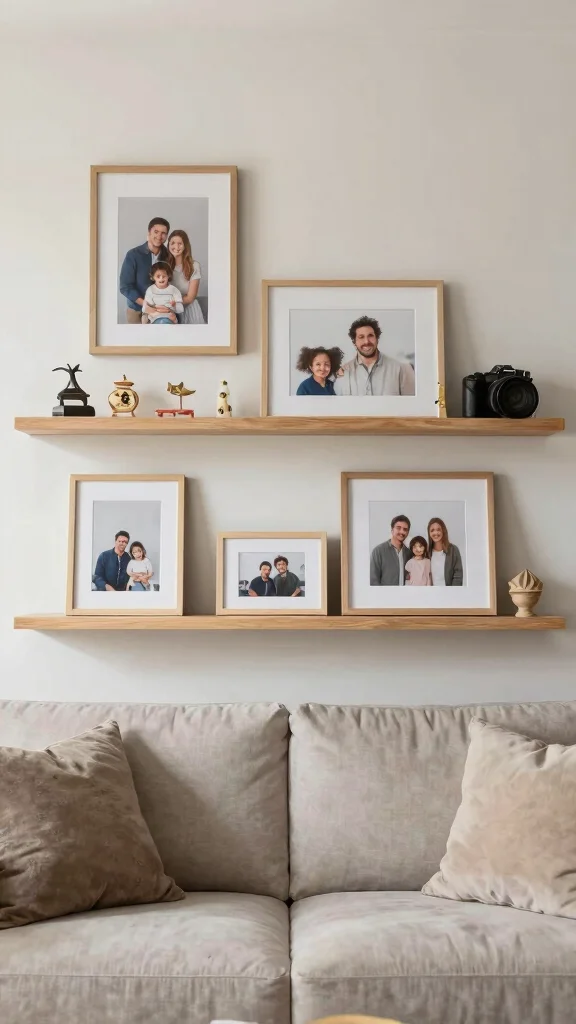
While minimalism emphasizes simplicity, adding personal touches can bring warmth and character to your living and dining areas. Incorporate family photos in minimalist frames or display travel mementos, spacing them out to avoid clutter. These personal items tell your story without overwhelming your design. Emphasizing your unique style while maintaining an organized, intentional look is key.
To effectively include personal touches, keep items to a select few to maintain a minimalist approach. Use similar frames or colors to create visual cohesion, and consider rotating items periodically to keep the display fresh and engaging. This method aligns with trends that celebrate individual expression within a minimalist framework.
Enhance your personal touches with these tips:
– Limit personal items to maintain minimalism
– Use similar frames for a cohesive look
– Rotate items for variety and freshness
Personal touches can make any minimalist space feel more inviting and connected to you, ensuring it reflects your personality and warmth.
Conclusion

Designing a minimalist living room with a dining area is all about creating a harmonious balance between simplicity and functionality.
Each of the ideas shared offers unique ways to maximize your space while maintaining an inviting atmosphere.
Embrace these concepts and let your home reflect your personal style, all while keeping clutter at bay!
Frequently Asked Questions
How can I design a minimalist living room with dining area in a small open-concept space?
Designing a minimalist living room with dining area in a small open-concept space starts with clear zones and simple, low-profile pieces. Place a compact sofa facing a slim, extendable dining table to create distinct but connected areas for living and dining. Choose space-saving furniture with clean lines and hidden storage to keep clutter at bay. Stick to a cohesive neutral color palette and use texture (wood, linen, jute) to add warmth. Keep decor minimal—one statement piece and a couple of plants to bring life without crowding the room.
What are space-saving furniture ideas for a minimalist living room with dining area?
For a minimalist living room with dining area, look for pieces that pull double duty. Try a wall-mounted fold-down dining table or a dining bench to save floor space. Use a sofa with built-in storage and nesting coffee tables that tuck away when not in use. Add a slim console that doubles as a sideboard and keep shelves floating to minimize bulk. All selected pieces should follow your neutral color palette and open concept living ethos to maintain flow.
How can I keep a neutral color palette while adding warmth in a minimalist living room with dining area?
To maintain a neutral color palette while feeling warm, layer textures and materials: light wood, soft textiles, wool throws, and natural fibers. Use varying shades of the same neutrals to create depth without introducing busy patterns. Warm lighting, plants, and a carefully chosen art piece add personality without stealing the minimalist home design vibe. This keeps your minimalist living room with dining area looking serene and inviting.
What lighting tips help maintain open concept flow in a minimalist living room with dining area?
Layer lighting to define zones without breaking the line of sight. Use ambient overhead lighting for the whole space, task lighting near seating and the dining area, and a touch of accent lighting to highlight texture. Install dimmers and opt for slim floor lamps or wall-mounted sconces to save floor space in open concept living. Choose a warm, cohesive color temperature to enhance the calm vibe of a minimalist home design.
How do I maximize storage without sacrificing the open feel of a minimalist living room with dining area?
Maximize storage with floating shelves, wall-mounted cabinets, built-in storage, and a storage ottoman that doubles as a coffee table. Keep most items concealed in closed storage and use decorative baskets for quick access. Practice a simple rule like one in, one out to prevent clutter from creeping back. Designate distinct zones for dining and living, using a slim sideboard that doubles as a surface for entertaining while preserving sightlines in open concept living.
Related Topics
minimalist living room
dining area ideas
small space decor
open concept design
neutral color palette
space-saving furniture
modern home design
beginner friendly
stylish storage
functional furniture
cozy minimalism
easy decor tips