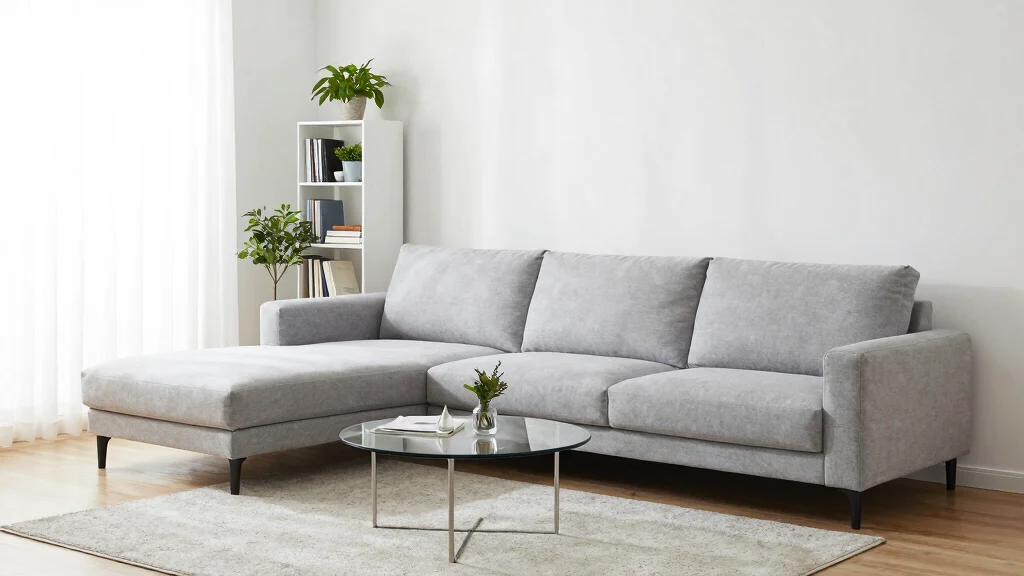
Designing a small apartment living room can feel like a daunting task, especially if you’re drawn to the modern minimalist style. This aesthetic has me craving simplicity and elegance while maximizing space. If you’re someone who appreciates clean lines and uncluttered spaces, you’re in the right place. The right layout can make your living room feel open and inviting, even in the tiniest of areas.
I created this post to help you discover how to achieve a living room that embraces modern minimalism without compromising on style or functionality. Whether you’re living in a cozy studio or a compact one-bedroom, you’ll find inspiration tailored specifically for you. I’ve pulled together 17 layouts that are stylish, practical, and perfect for creating an environment that feels more spacious and serene.
With these ideas, you can transform your living space into a haven of relaxation. From utilizing minimalist furniture and space-saving designs to incorporating modern decor ideas, you’ll learn how to create an attractive living room that meets your needs. Get ready to explore layouts that not only look amazing but also promote a sense of calm and organization in your home.
Key Takeaways
– Discover 17 modern minimalist layouts that transform small living rooms into functional spaces.
– Learn how to incorporate minimalist furniture that complements your design while saving space.
– Explore space-saving designs that maximize usability without sacrificing style.
– Find modern decor ideas that enhance your living area, making it feel larger and more inviting.
– Get tips on stylish home organization to keep your minimalist space tidy and serene.
Recommended Products

Bespoke Modular Versatility: Experience the pinnacle of interior freedom with our Modular Sectional Cloud Sofa. This avant-garde, adaptable design allows you to effortlessly reconfigure your layout to suit expansive lofts or intimate apartments, ensuring your Boneless Sofa evolves with your lifestyle.
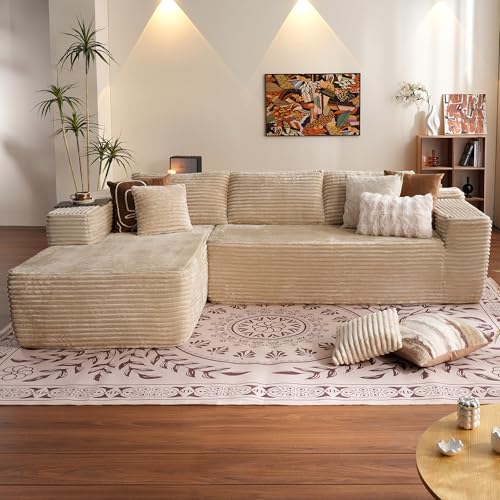
Modular Sectional Sofa:Discover the versatility of our simplified style modular sofa, designed for flexible configurations to fit your needs. This minimalist L-shaped sectional set maximizes space when placed against a wall. Composed of two chic pieces, this living room set invites you to customize your comfort and style

[Comfortable Modular Sofa] This velvet modular sofa offers a detachable design, allowing you to customize the seating layout based on your needs Can choose to combine it into 4 individual seats, a 1-chair 1-seat configuration, or a l shape sofa. The flexibility ensures that the modular couch fits any room size or arrangement.
1. Open Concept Delight

Embracing an open concept layout creates a harmonious flow between your living room and kitchen, making it feel more spacious and connected. This design approach works well in compact spaces, where every square foot counts, allowing for seamless interaction and an airy ambiance. Imagine a cozy sectional in soft gray paired with a sleek white dining table, perfect for gatherings and daily life alike.
To enhance this design, select furniture that complements your style while maximizing function. Consider adding storage solutions like built-in shelves or stylish ottomans that can double as seating. Open shelving can display your favorite decor, keeping everything organized while adding personality.
– Use consistent flooring to unify spaces.
– Integrate color schemes that flow between areas.
– Opt for light-colored furniture to amplify openness.
This layout not only elevates your living experience but also fosters a welcoming atmosphere that feels expansive and inviting.
Open concept living is a practical game-changer for small spaces. In a living room modern minimalist setup, a soft gray sectional paired with a white dining table keeps the flow airy while maximizing every square foot for real, daily life.
Recommended Products
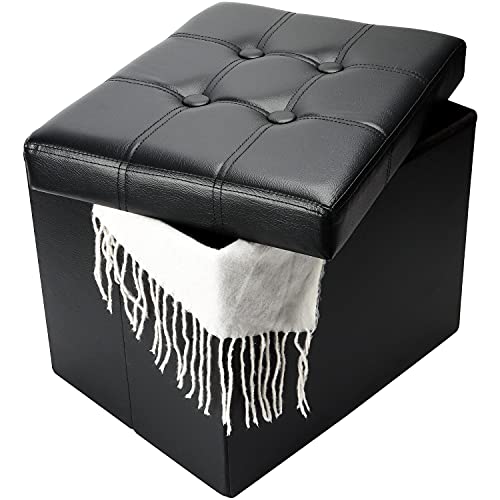
PERFECT FOOT REST STOOL: L17 x W13 x H13in, Specially designed size and high-quality thicker soft foam, bring more comfort for your foot rest. Spacious hidden storage room for sundries including clothes, blankets, children's toys or many other stuffs inside; organize your living room, bedroom and hallway.an

✅ 3-in-1 Multi-Functional Design – Use it as a footrest, hidden storage, or flip the lid to transform it into a sturdy small coffee table. Perfect for saving space while adding convenience to your home.

Soft and Comfortable Material:The surface of small stool made of high-quality teddy fabric that is super soft to the touch, bring you a warm feeling and compliments any decor style
2. Multi-Functional Marvels
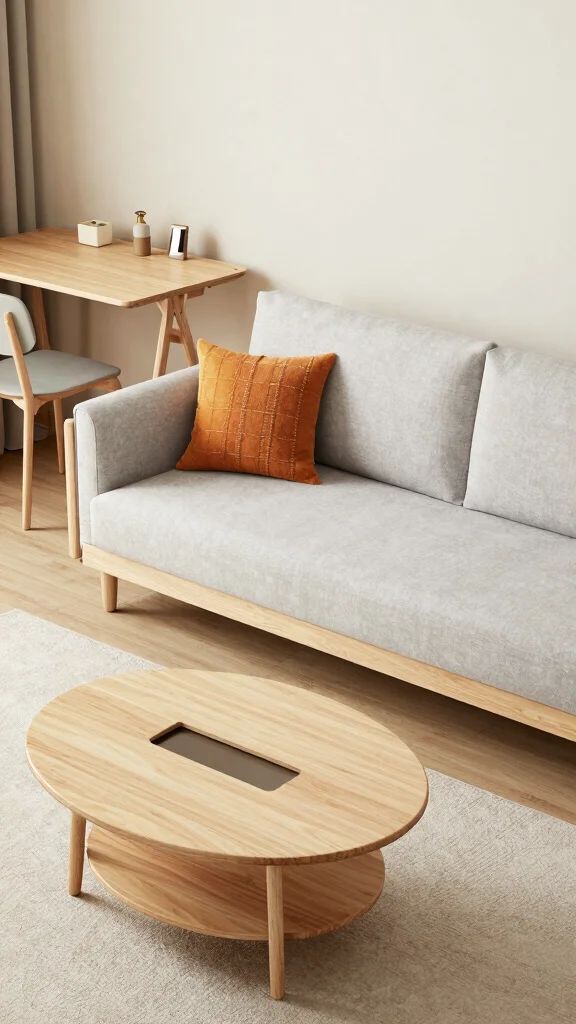
In a compact living room, every piece of furniture plays a vital role. Choosing multi-functional items lets you maximize utility while maintaining style. Imagine a stylish sofa bed that transforms into a cozy guest space or a coffee table with hidden storage for blankets and books.
Look for versatile options like a foldable dining table that tucks away when not in use or a chic bench that serves both seating and decor. Each selection should elevate your space while serving practical needs.
– Seek ottomans with storage features.
– Invest in a Murphy bed for flexible sleeping arrangements.
– Use nesting tables that can be neatly stored away.
This thoughtful approach not only conserves space but also enhances your living area’s functionality, providing comfort for everyday use and gatherings.
Recommended Products

Worth Every Penny - Same price for more boards, 5 sets of same size 15.6*5.6*1.8 inches sturdy compositive wood and include all hardware, provides ample storage space and durability feature with a compelling price. Just a few minutes of easy installation, your home will enjoy an entire wall of art.

𝐌𝐨𝐝𝐞𝐫𝐧 & 𝐌𝐢𝐧𝐢𝐦𝐚𝐥𝐢𝐬𝐭 𝐒𝐭𝐲𝐥𝐞 - Featuring clean lines and a rustic brown finish, these wall-mounted shelves bring warm farmhouse charm and modern style to any space. Perfect as shelves for room decoration, book shelves display, and rustic farmhouse wall decor — they elevate your bathroom wall art vibe, bedroom aesthetic, living room style, kitchen organization, office setup, and laundry room storage all in one versatile design

𝐌𝐨𝐝𝐞𝐫𝐧 & 𝐕𝐞𝐫𝐬𝐚𝐭𝐢𝐥𝐞 𝐒𝐭𝐲𝐥𝐞: The 𝐡𝐢𝐝𝐝𝐞𝐧 𝐛𝐫𝐚𝐜𝐤𝐞𝐭 𝐝𝐞𝐬𝐢𝐠𝐧 𝐠𝐢𝐯𝐞𝐬 𝐚 𝐜𝐥𝐞𝐚𝐧, 𝐟𝐥𝐨𝐚𝐭𝐢𝐧𝐠 𝐥𝐨𝐨𝐤 that works beautifully as home decor wall shelves in modern, farmhouse, rustic, or industrial decor styles. 𝐀𝐝𝐝𝐬 𝐰𝐚𝐫𝐦𝐭𝐡 𝐚𝐧𝐝 𝐬𝐭𝐲𝐥𝐞 without overwhelming your space — 𝐩𝐞𝐫𝐟𝐞𝐜𝐭 𝐟𝐨𝐫 𝐛𝐞𝐝𝐫𝐨𝐨𝐦 𝐝𝐞𝐜𝐨𝐫𝐚𝐭𝐢𝐨𝐧𝐬, 𝐟𝐚𝐫𝐦𝐡𝐨𝐮𝐬𝐞 𝐥𝐢𝐯𝐢𝐧𝐠 𝐫𝐨𝐨𝐦 𝐝𝐞𝐜𝐨𝐫, 𝐨𝐟𝐟𝐢𝐜𝐞 𝐰𝐚𝐥𝐥 𝐝𝐞𝐜𝐨𝐫, 𝐧𝐮𝐫𝐬𝐞𝐫𝐲, 𝐞𝐧𝐭𝐫𝐲𝐰𝐚𝐲, 𝐤𝐢𝐭𝐜𝐡𝐞𝐧, 𝐚𝐧𝐝 𝐦𝐨𝐫𝐞
3. Monochrome Magic

A monochrome palette can bring elegance and cohesion to your living room, creating a serene environment. Sticking to a single color family helps open up the space, making it feel organized and calm. Shades like soft beige or light gray can work wonders, especially in smaller rooms.
To introduce depth, mix textures by layering a smooth sofa with a chunky knit throw or a sleek coffee table paired with a soft area rug. Minimalist decor in similar hues—like vases or wall art—can enhance the tranquil vibe while adding interest.
– Mix various shades for visual contrast.
– Combine different materials for a rich tactile experience.
– Keep decor simple to embrace minimalism.
This strategy not only amplifies your room’s style but also fosters a peaceful retreat, inviting relaxation and comfort.
Monochrome magic isn’t boring—it’s budget-friendly and instantly spacious. Stick to one color family, then layer textures like a chunky knit throw and a soft rug. Your small living room will feel calm, organized, and truly inviting.
Recommended Products
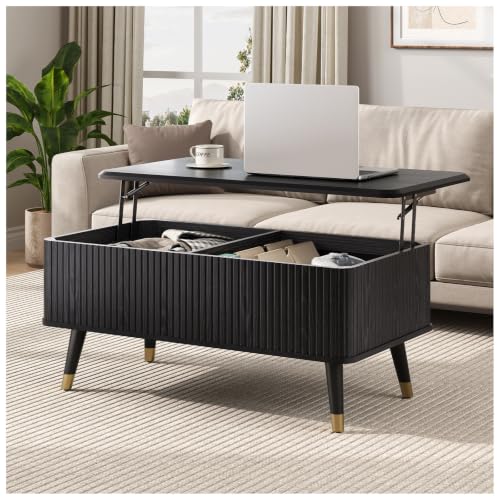
ERGONOMIC 2-IN-1 LIFT TOP DESIGN – Transform your living space into a sleek, modern workstation. The premium metal mechanism allows the tabletop to lift smoothly, creating a floating desk at the ideal height. Perfect for "Work from Home" professionals or gamers, this design eliminates forward leaning to reduce back strain, offering ergonomic comfort whether you’re typing on a laptop or enjoying a meal from the sofa.

【Modern Minimalist Design】This coffee table features a sleek, modern minimalist design that complements a wide range of home decor styles. Its simple yet elegant appearance, crafted from premium wood materials, not only elevates the aesthetic appeal of your living room but also offers practical functionality. A perfect addition to any contemporary space.

【Modern Boho Aesthetic】Designed in a modern boho style, this rectangular coffee table blends sculpted fluted drawer details with soft minimalist lines for a relaxed yet refined look. The light oak coffee table finish adds warmth and airiness, pairing naturally with the faux marble top for subtle contrast. As a modern coffee table, it fits effortlessly into boho coffee table interiors, creating an inviting focal point for coffee tables for living room spaces.
4. Layered Lighting
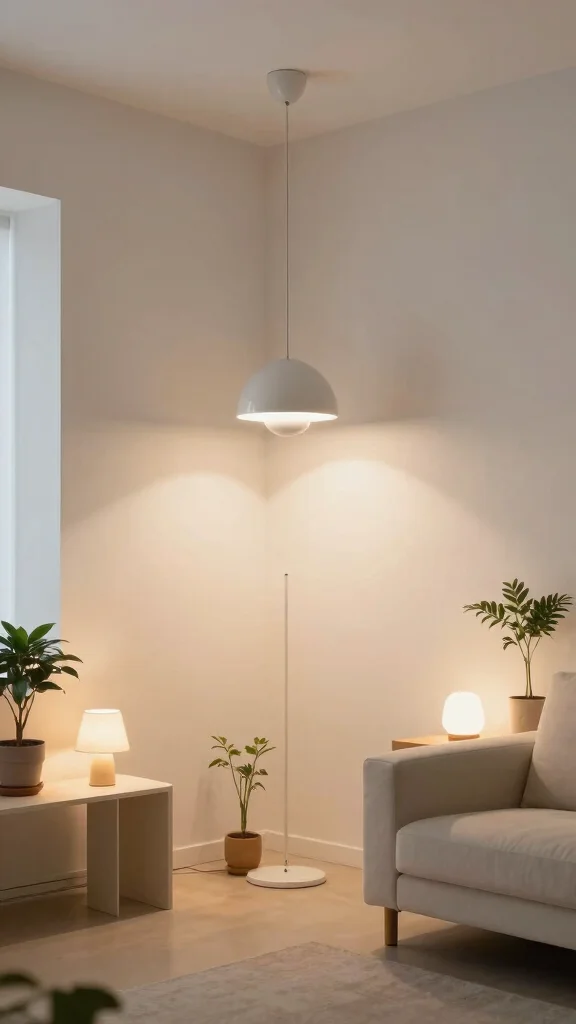
Lighting can profoundly influence the mood of your living room, making layered lighting essential in minimalist design. By using various light sources, you can cultivate a warm and inviting atmosphere that remains open yet cozy. Picture a blend of overhead fixtures, stylish floor lamps, and chic table lamps for a balanced glow.
Adding dimmers allows you to adjust brightness for different occasions, while strategic light placement can highlight key areas like artwork or seating arrangements.
– Choose warm light bulbs for a cozy feel.
– Mix ambient, task, and accent lighting for versatility.
– Position lights to cast reflections off walls or ceilings.
This thoughtful lighting approach maximizes both functionality and aesthetic appeal, creating a welcoming and dynamic living space.
Recommended Products

Beautiful Design Abstract Rug:The 5x7 rug design is unique and trendy, the colors blend with nature, the abstract design complements the modern tones, it blends perfectly with your home decor, adding more warmth and comfort to your home. Suitable for living room, bedroom, dining room, study, home office, etc

Luxuriously Soft & Non-Slip: Crafted with denser low-pile faux wool fibers, this 5x7 area rugs offer a soft and gentle touch underfoot. The enhanced non-slip TPR backing keeps it securely in place on any floor, providing peace of mind for all your family members — whether it's kids or pets

CLASSIC VINTAGE AESTHETIC BEIGE RUG: The area rug 8x10 features a harmonious blend of beige tones that evoke a timeless vintage charm, making it an ideal addition for any room in your home—from retro bohemian and rustic farmhouse to modern minimalism. Perfect rugs for living room, bedrooms, dining room rugs for under table, entryways, playrooms, or home offices, this 8x10 rug serves as the finishing touch to your interior flooring decor
✨ Transform Your Space Today!
Unlock the secrets to stunning home decor with our DIY guide that suits any style and budget.
5. Creative Storage Solutions
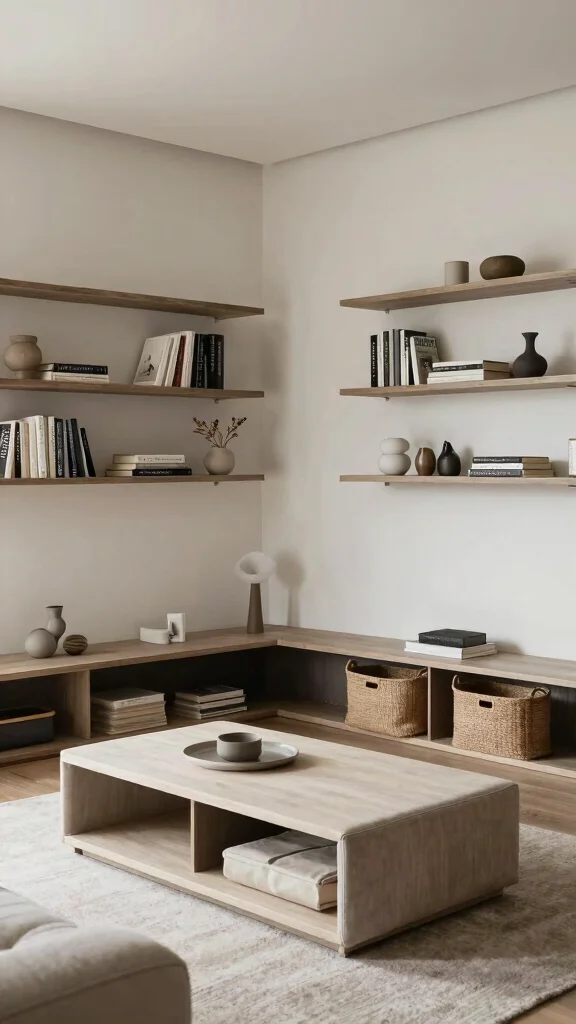
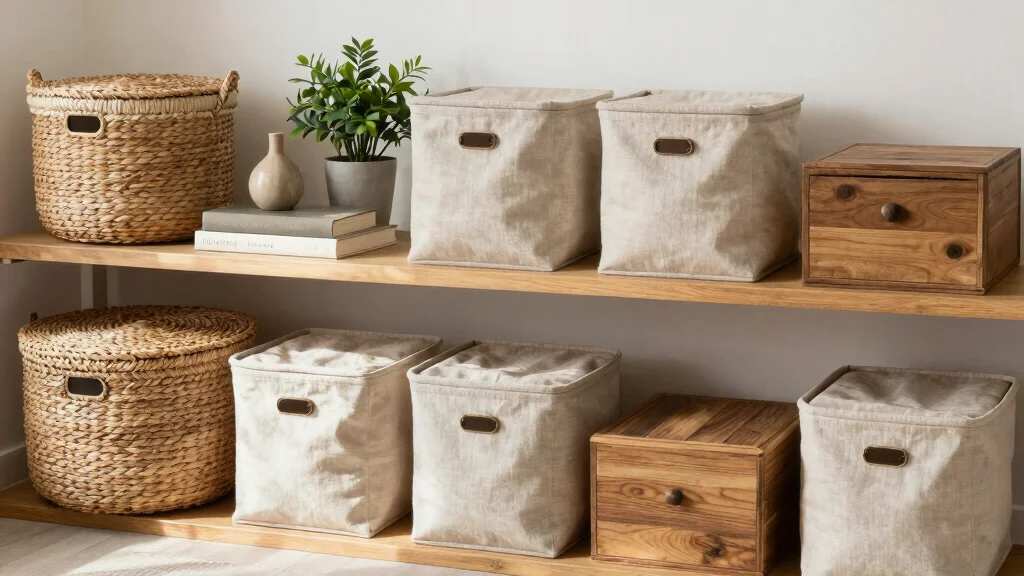
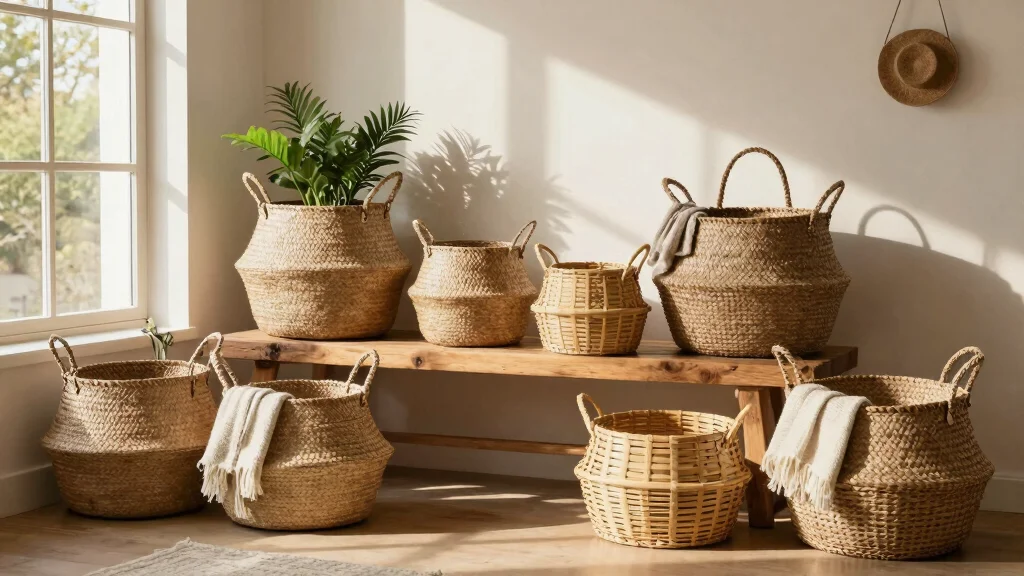
In a small living room, creative storage can be transformative. Keeping your space clutter-free is crucial to achieving a minimalist aesthetic. Think about furniture that doubles as storage or innovative solutions like wall-mounted shelves and stylish bins.
Built-in shelving, floating shelves, or under-sofa storage can enhance functionality. Decorative baskets can also keep items organized while enhancing your decor.
– Utilize vertical space; tall shelves can save floor room.
– Choose furniture with hidden compartments for added convenience.
– Employ decorative boxes to neatly store loose items.
These smart solutions not only keep your living area tidy but also create a more spacious and inviting feel.
Recommended Products

No Assembly Required:Be ready in 1 step! Setting up this cloud couch is incredibly easy. Simply unbox the cushions, place them together, and let them naturally expand over 24-72 hours. No extra tools or complicated assembly steps are needed. It’s ready to use this cloud sofas for living room with minimal effort.

No Assembly Required:Say goodbye to furniture assembly nightmares! our minimalist sofas require no tedious assembly to experience instant comfort. Simply unwrap and relax, no tools required. In just a few moments, your comfy cloud couch is ready to be put to use and reach a state of total luxury within 72 hours.

[Luxury Velvet Fabric] Made of high-quality velvet fabric, it is soft and skin-friendly, smooth and bright in color, exuding a sense of luxury. Whether it is modern and simple style or classic and elegant style, this luxury velvet sofa can be easily integrated into different home styles.
6. Natural Elements

Incorporating natural elements into your living room design can elevate the space and promote tranquility. Adding plants, wooden accents, and maximizing natural light fosters an inviting atmosphere. Opt for low-maintenance houseplants like snake plants or pothos, which help purify the air and enhance calmness.
Wooden furniture or decor can introduce warmth and depth, contributing to the overall aesthetic.
– Use wooden shelving or tables for organic texture.
– Position plants at varying heights for visual interest.
– Maximize natural light with large windows or sheer curtains.
This strategy creates a serene environment that beautifully blends modern design with the calming influence of nature.
Recommended Products

Spacious Square Storage Ottoman for Everyday Living—This 17.5" x 17.5" x 17.1" blue square ottoman offers ample hidden storage (13.2" x 13.2" x 9.5") for organizing blankets, books, and toys. A perfect storage ottoman for anyone needing smart space-saving furniture in their living room or bedroom.

【QUICK ASSEMBLY, EASY FOLDAWAY】This storage ottoman from the SONGMICS MAZIE Collection has a foldable design that allows quick setup in seconds by simply inserting the bottom panel. Easily fold and store it under the bed or in a closet when not in use.

Stylish and Modern Design: The 30-inch round storage ottoman features a contemporary boucle fabric upholstery, adding a chic touch to any living room, bedroom, or apartment
7. Function Meets Aesthetics

In modern minimalist design, the beauty of each piece should work harmoniously with its function. Every item in your living room should not only enhance the decor but also serve a practical purpose. Consider a coffee table that doubles as a dining spot, or a stylish storage bench that provides both seating and organization.
Selecting sleek designs that don’t overpower the space is essential. Prioritize quality over quantity by choosing a few standout pieces instead of cluttering with many.
– Opt for designs that enhance functionality.
– Select a few quality items for a clean look.
– Ensure every piece serves a specific purpose.
This philosophy encourages intentional furnishing, creating a stylish yet practical living area that meets your needs.
Recommended Products

𝐄𝐱𝐩𝐚𝐧𝐝 𝐒𝐩𝐚𝐜𝐞 𝐚𝐧𝐝 𝐌𝐨𝐝𝐞𝐫𝐧 𝐃𝐞𝐬𝐢𝐠𝐧: With clean lines and a warm finish, these small bathroom shelves expand wall space in dry bathroom zones and double as stylish bathroom organizers and storage. Effortlessly organize towels, toiletries, and decor with the invisible bracket that creates a sleek, modern display appearing to float seamlessly on your wall — perfect for over the toilet bathroom organizer setups and completing your bathroom wall decor

Centerpiece of Room Decoration - These shelves boast a distinctive design and an elegant shape, making them a focal point that elevates the style of any room. Ideal for the living room, bedroom, study, bathroom, laundry room, children's room, or office, they reflect the owner's sophisticated taste and blend seamlessly with various decor themes.

𝐌𝐨𝐝𝐞𝐫𝐧 & 𝐌𝐢𝐧𝐢𝐦𝐚𝐥𝐢𝐬𝐭 𝐒𝐭𝐲𝐥𝐞 - Featuring clean lines and a warm walnut-like finish, these small floating shelves bring mid-century modern and natural wood charm to any space. Perfect as shelves for room decoration, book shelves display, and rustic wood wall decor — they elevate your bathroom wall art vibe, bedroom aesthetic, living room style, kitchen organization, office setup, and laundry room storage all in one versatile design
You might also like
8. Geometric Patterns
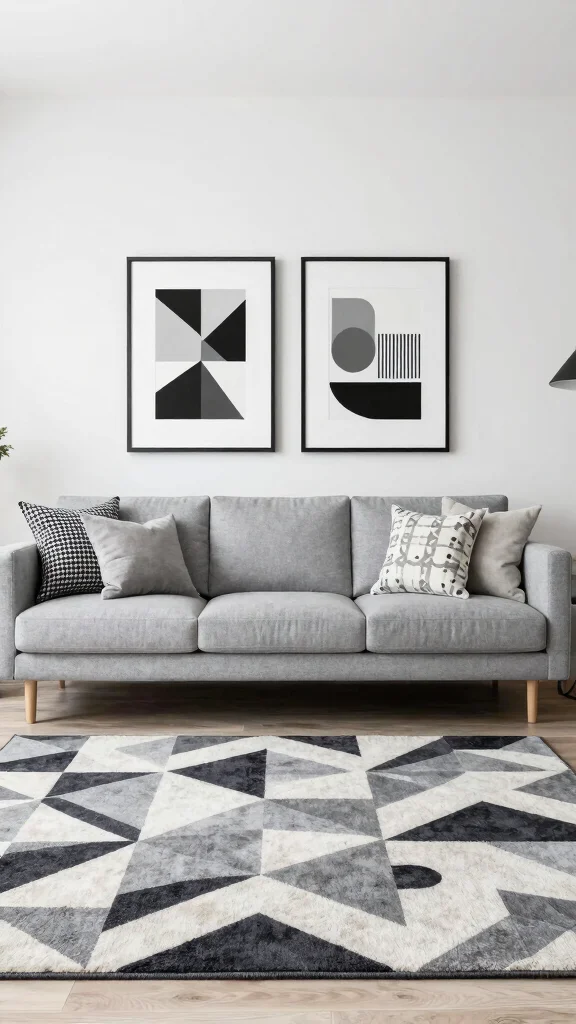
Incorporating geometric patterns can add energy and dynamism to your minimalist living room while maintaining a sleek aesthetic. These shapes can be introduced through rugs, throw pillows, or wall art, providing visual interest without overwhelming the space.
Maintain a consistent color palette to ensure a cohesive look, pairing geometric designs with solid colors to allow the space to breathe.
– Anchor the area with a geometric rug.
– Limit patterns to a few select pieces for balance.
– Mix different geometric shapes for added depth.
This design trend infuses contemporary flair into your living area while preserving the clean lines that define minimalism.
Did you know geometric patterns can visually enlarge a small living room by up to 20%? Pair bold shapes with solid colors and limit the patterns to a few pieces for a calmer, more spacious feel.
Recommended Products

☕Fashionable and Stylish Round Coffee Table: This Round Coffee Table with Storage features a stylish design and a perfect combination of storage space under the lid, the unique mushroom shape with fluted design will effortlessly blend with your existing decor, whether you prefer a contemporary or minimalist style.

Mid-Century Modern Charm: With its sleek lines and minimalist silhouette, this round coffee table brings timeless mid-century elegance to your living room. The rich, natural wood grain adds warmth and texture, making it the perfect stage for your favorite books, trays, or decor

【Mid-Century Sophistication for Your Home】Bring timeless elegance into your space with this mid-century modern coffee table that blends retro charm with contemporary style. Designed as a refined square coffee table, it features a rich walnut wood grain finish and distinctive wave-inspired detailing. This fluted coffee table creates a striking focal point in any living room or office while enhancing your home with artistic character.
Dimensions & Size Guide
When planning your living room in a modern minimalist style, understanding dimensions and sizes is key to making your space functional and stylish. Let’s break down the essential measurements you should consider when selecting minimalist furniture and designing space-saving layouts.
Standard Sizes & Measurements:
– Sofas: The average sofa is about 72 to 84 inches long. For smaller spaces, consider loveseats that are 48 to 72 inches long. Aim for at least 24 inches of depth for comfort.
– Coffee Tables: A standard coffee table is around 48 inches long and 24 inches wide. Ensure there’s at least 18 inches of space between the sofa and the table for easy movement.
– TV Stands: For TVs 40-60 inches, a stand that is 60 to 70 inches wide is ideal. Maintain at least 2 feet of clearance for comfortable viewing and access.
– Rug Sizes: A 5×8 rug works well in small living rooms. For larger spaces, opt for an 8×10 rug. Make sure the front legs of your sofa sit on the rug for a cohesive look.
– Accent Chairs: These typically range from 30 to 36 inches in width. Ensure you have at least 30 inches of space around them for walking.
Quick Reference Table:
Size/Dimension – Best for: [Use Case] – Minimum space needed: [Measurement]
– Sofa (72-84 inches) – Best for: Main seating area – Minimum space needed: 10×12 feet
– Coffee Table (48 inches) – Best for: Central focal point – Minimum space needed: 24 inches from seating
– TV Stand (60-70 inches) – Best for: TV display – Minimum space needed: 2 feet from seating
– Rug (5×8) – Best for: Grounding the space – Minimum space needed: Front legs of sofa on rug
– Accent Chair (30-36 inches) – Best for: Additional seating – Minimum space needed: 30 inches around chair
Space Planning Tips:
1. Measure Twice: Always double-check your measurements before buying furniture. A slight error can lead to cramped spaces or wasted money.
2. Leave Room to Move: Ensure there’s at least 36 inches of clearance in walkways. This allows easy movement, especially in smaller living rooms.
3. Visualize with Tape: Use painter’s tape to outline where furniture will go. This helps you see how everything fits before committing to your layout.
4. Consider Scale: Larger furniture can overwhelm a small room. Choose minimalist furniture that is proportional to the space to create balance.
5. Avoid Clutter: Keep surfaces clear. Plan for storage solutions that match your minimalist style to maintain an airy feel.
Pro Tip: The most important measurement to remember is the clearance space around your furniture. Always aim for at least 2 feet of space to ensure comfort and accessibility in your living room. This small detail can transform your space from cramped to comfortable instantly!
Recommended Products

Modern Home Decor: Sumptuously soft to the touch, the vivid solid color design allows you to choose the perfect space whether the rug be in your bedroom, dorm room, apartment, or even the home office

VINTAGE BOHO AREA RUG: With its plush high-low piles, this 5x7 area rugs delivers an incredibly comfortable and soft sensation, making it suitable for going barefoot. Lay the carpet over your hardwood floor, and it not only infuses warmth but also turns any room into a snuggle-worthy retreat

Solo Solid Shag Collection by Unique Loom features luxurious shag rugs in 22 gorgeous colors. Lush and soft, you’ll fall in love with this amazing rug. Imagine sinking your bare feet into the lavish pile of this extravagant rug! You’ll be the envy of everyone who visits your home with the magnificent color from your Solo Solid Shag rug.
9. Textured Textile Play
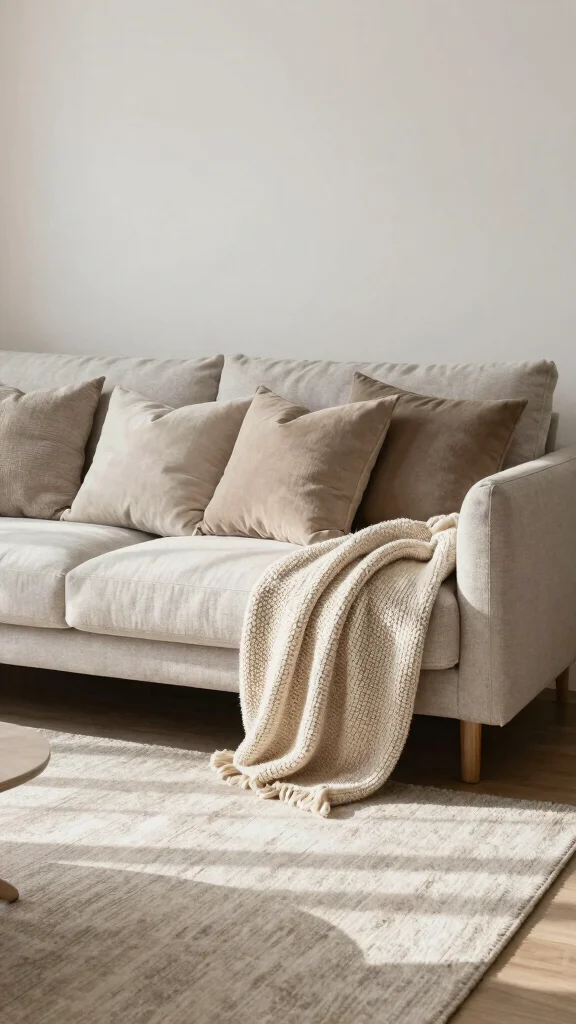
Textiles are key to adding warmth and comfort to a minimalist living room while keeping the design refined. Using a variety of textiles, from soft throws to plush pillows, creates layers that make your space feel curated and inviting.
Choose subtle textures in a minimalist setting, such as a chunky knit throw draped over a sleek sofa or a smooth leather chair complemented by a soft fabric cushion.
– Layer pillows in various fabrics for depth.
– Select rugs that add texture without being overwhelming.
– Use textiles that maintain a cohesive color scheme.
This approach not only enhances comfort but also introduces a tactile element that enriches the minimalist aesthetic.
10. Minimalist Art Display

Art can significantly elevate your living room’s aesthetic, even in a minimalist context. Opt for a few bold pieces that resonate with your style while avoiding visual clutter. A large canvas or sculptural piece can serve as a focal point, drawing the eye without crowding the space.
Consider a gallery wall featuring fewer, larger pieces instead of many smaller frames for a more streamlined look.
– Select artwork in a color palette that complements your decor.
– Use floating shelves to display small pieces attractively.
– Hang art at eye level for maximum impact.
This strategy allows your personality to shine while adhering to minimalist principles, creating a stylish and engaging living space.
11. Simplistic Color Schemes
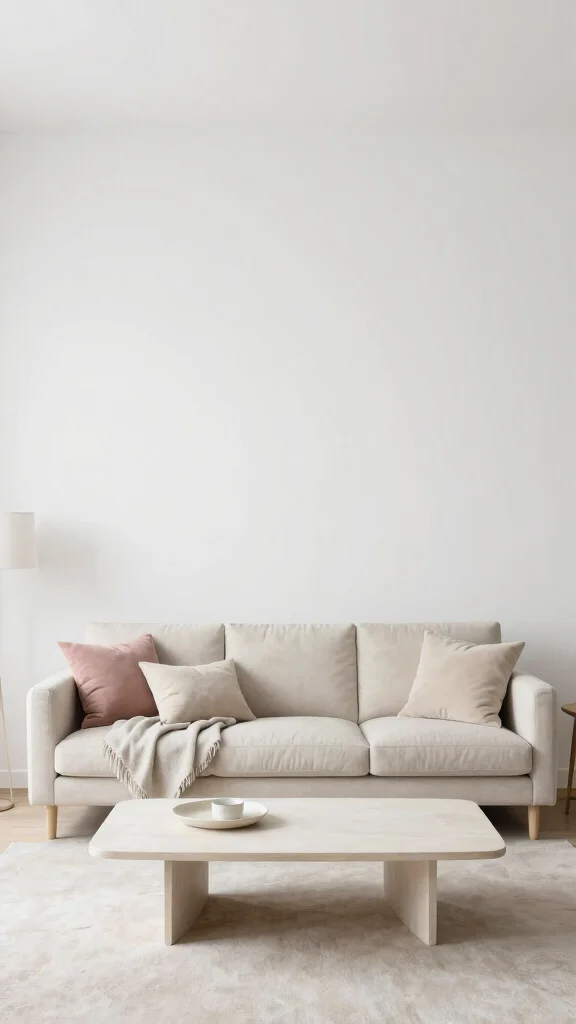
A simplistic color scheme can enrich the minimalist aesthetic of your living room, providing a calming backdrop that encourages relaxation. Stick to a limited palette featuring varying shades of one or two colors. Neutral tones like whites, grays, and beiges can create an expansive feel in smaller spaces.
Incorporate accent colors through decor items like cushions or throws to add personality without disrupting the minimalist vibe.
– Use accent colors sparingly for harmony.
– Blend different shades of the same color for a monochrome effect.
– Test color swatches to find the perfect balance.
This approach not only maintains visual appeal but also fosters a sense of tranquility throughout your living room.
12. Large-Scale Furniture

In a small living room, opting for fewer pieces of large-scale furniture can create a striking statement while maximizing space. A single oversized sectional can provide ample seating without the need for multiple smaller items.
When selecting large pieces, ensure they are proportionate to the room’s size to maintain balance without overwhelming the area.
– Choose streamlined designs to avoid visual heaviness.
– Use light colors to keep the atmosphere open.
– Arrange furniture to facilitate movement and enhance spaciousness.
This strategy fosters a modern, cohesive look while enhancing both comfort and functionality in your living space.
13. Zen-Inspired Spaces

Creating a zen-inspired atmosphere in your living room can transform it into a tranquil retreat. This design philosophy promotes relaxation through simplicity and natural materials. Utilize a muted color palette alongside natural elements like wood, stone, and soft fabrics.
Consider including calming details like a small indoor fountain or decorative stones to enhance serenity in your decor. Keeping the space uncluttered focuses on balance and harmony.
– Choose calming colors that evoke peace.
– Select furniture with organic shapes and materials.
– Use soft lighting to enhance the tranquil vibe.
By emphasizing a calming aesthetic, you can craft a living room that serves as a peaceful escape from daily life.
You Might Also Like
14. Minimalist Textures

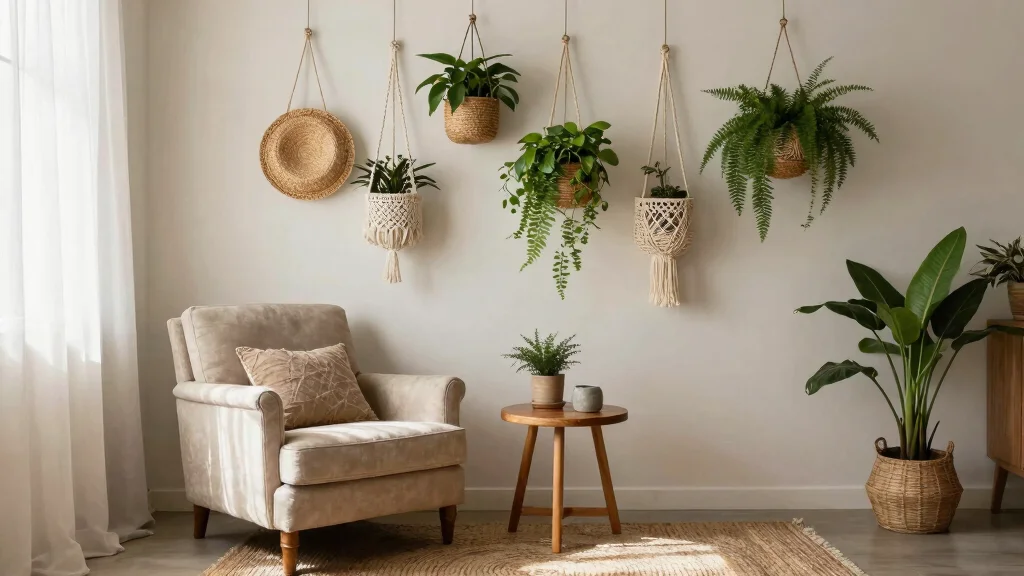
Textures play a significant role in adding depth and interest to a minimalist living room. Instead of relying solely on colors, use textures to create a sophisticated appearance. Combine materials such as smooth leather, soft textiles, and rugged wood to form layers that add character and warmth.
Mixing various materials keeps the space dynamic without overwhelming it visually.
– Pair soft fabrics with harder surfaces for contrast.
– Use area rugs to define spaces and enhance comfort.
– Focus on high-quality materials to uplift the overall aesthetic.
This approach enriches the minimalist design by creating tactile experiences that invite touch and interaction, making your living space both visually appealing and cozy.
15. Smart Use of Mirrors

Mirrors can be an excellent design element in a small living room. They create an illusion of space and brightness by reflecting light throughout the room. Strategically placing mirrors can enhance the airy feel of your living area.
Choose minimalist mirrors with simple frames to maintain a clean aesthetic. A large mirror can act as a statement piece, or you can group smaller mirrors for a unique visual arrangement.
– Hang mirrors opposite windows to maximize natural light.
– Use mirrors to create focal points without adding clutter.
– Opt for various shapes to keep things visually interesting.
With thoughtful mirror placement, your small living room can feel more spacious and inviting, effortlessly blending style with practicality.
16. Defined Zones

Establishing defined zones within your living room can enhance its functionality. This approach is particularly beneficial in open concept layouts, where the living area flows into other spaces. Use rugs, furniture arrangements, or subtle decor changes to distinguish areas for lounging, working, or dining.
For example, a plush area rug can highlight a cozy seating section, while a sleek desk and chair can create a dedicated workspace in a corner.
– Utilize furniture to create boundaries without isolating spaces.
– Incorporate varied lighting styles to mark each area.
– Maintain consistent decor across zones for a unified appearance.
This layout not only enhances your living room’s spaciousness but also ensures each area serves its intended purpose effectively.
17. Seasonal Refreshing

Finally, refreshing your living room with the seasons can keep it vibrant and inviting. Simple decor changes with each season can breathe new life into your space without significant renovations. Consider swapping out throw pillows, adding seasonal flowers, or updating light fixtures to create a fresh feel.
For instance, winter could call for cozy blankets and warm hues, while summer might inspire light fabrics and bright accents.
– Store off-season items to maintain tidiness.
– Introduce seasonal colors through decor updates.
– Keep a base of neutral decor for easy seasonal transitions.
This strategy not only keeps your living space feeling fresh but also allows you to express your style while adapting to the changing seasons.
Conclusion
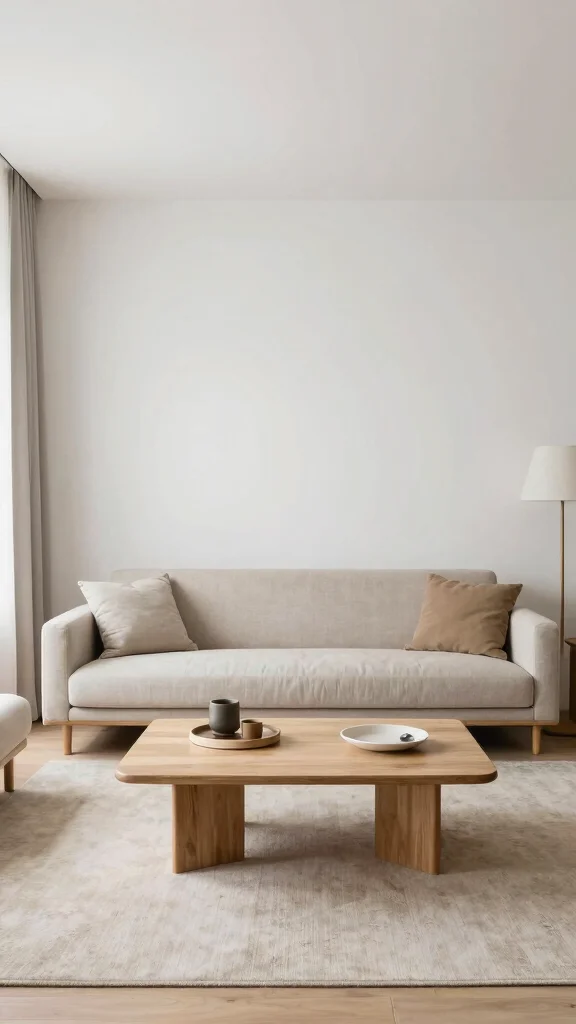
Maximizing space in a small living room doesn’t mean sacrificing style—it’s all about smart design choices and thoughtful decor. Every layout and idea presented highlights how a modern minimalist approach can transform your living area into a spacious haven.
Embrace these trends to create a stylish, functional, and inviting living space that resonates with your personality. With the right techniques and a dash of creativity, your small apartment can become your dream retreat.
Frequently Asked Questions
How can I maximize space in a small living room with a modern minimalist layout?
To maximize space in a small living room with a modern minimalist layout, start with a living room modern minimalist plan. Measure the space and choose scale-appropriate, multi-functional furniture. Opt for a low-profile sofa with space-saving designs, a compact wall-mounted media unit, and nesting or folding tables that tuck away when not in use. Use a light, neutral palette and minimal patterns to maintain open sightlines for an open concept living feel. Add vertical storage with wall shelves and tall cabinets to free floor space. Finally, declutter regularly and invest in stylish home organization solutions to keep surfaces clear.
Which minimalist furniture pieces are essential for space-saving living rooms?
In a small space, prioritize flexibility: a living room modern minimalist sofa with built-in storage, a coffee table that lifts or nests, a slim wall-mounted console, and a compact media unit. Add folding chairs or stackable stools for guests. Choose minimalist furniture with slim profiles and space-saving designs that don’t crowd the room. Keep lines clean and use glass or acrylic surfaces to maximize light. Plan the layout to optimize circulation and support open concept living.
How can I create an open concept living feel in a small apartment without sacrificing storage?
Focus on cohesion and hidden storage. Use a wall-mounted TV and floating shelves, along with a slim media unit with concealed compartments, and a living room modern minimalist sofa facing the storage wall. Choose a transparent or glass coffee table to preserve sightlines. Define zones with rugs and careful furniture placement to achieve an open concept living vibe. Integrate space-saving designs like built-ins and modular units to tuck away daily essentials, keeping the space stylish and organized with stylish home organization.
What are common mistakes to avoid in a living room modern minimalist layout?
Common mistakes include overcrowding surfaces with clutter or choosing bulky furniture that blocks flow. Avoid dark colors that absorb light; instead stay in a cohesive living room modern minimalist palette to keep the space airy. Don’t neglect lighting—layer ambient, task, and accent light to preserve openness. Skipping concealed storage forces you to stash items on visible surfaces, undermining minimalist furniture and space-saving designs. Finally, don’t overactivate the space with too many decor items; pick a few high-impact pieces and let modern decor ideas speak softly.
How can I keep a small living room organized and stylish without sacrificing the minimalist vibe?
Start with stylish home organization by decluttering first, then adding discreet storage. Use space-saving designs like wall-mounted cabinets, an ottoman with hidden storage, and a slim media console. Choose minimalist furniture with clean lines and versatile pieces for flexibility. Integrate baskets and decorative boxes to corral remotes, chargers, and cables, and use recessed shelving for display with closed storage behind doors. Finish with simple lighting and natural textures to preserve the living room modern minimalist feel.
Related Topics
home decor
modern minimalist
small spaces
minimalist furniture
space-saving designs
open concept living
stylish organization
apartment living
functional layouts
contemporary decor
easy updates
design inspiration