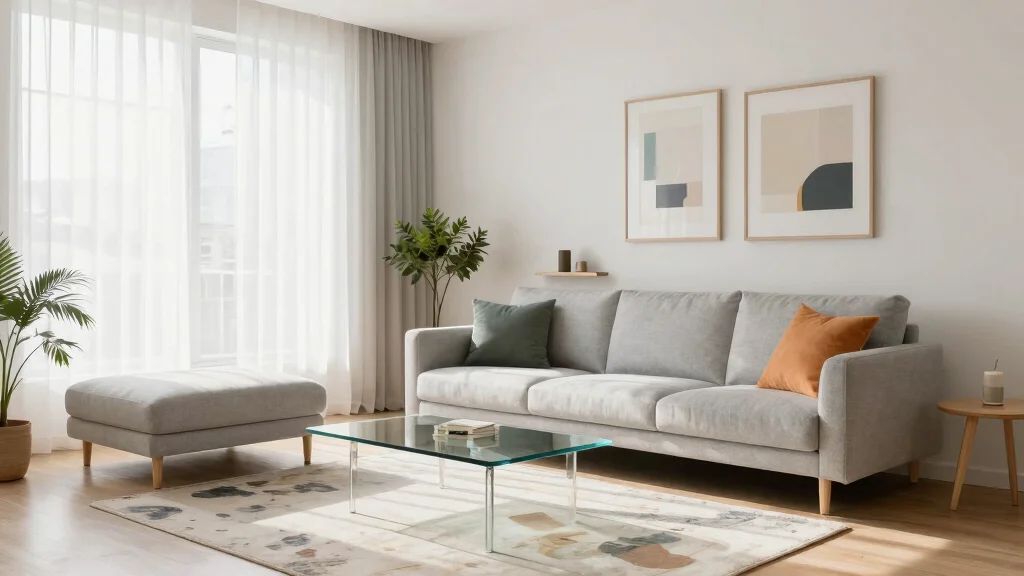
Small living rooms can often feel cramped and stifling, especially when you’re trying to make the most of every square foot. As someone who has been in that position, I understand the struggle of wanting a stylish yet functional space without it feeling overcrowded. That’s why I created this post—to offer you solutions that blend minimalist design with practical functionality, allowing your small living area to not only look larger but also feel more inviting.
If you’re passionate about home decor and are looking for ways to embrace the minimalist aesthetic, this guide is for you. Whether you’re living in a cozy apartment or simply want to declutter your home, these tips will resonate with you. You’ll find a collection of ideas that are not only chic and modern but also practical for a small space.
In this post, you’ll discover 19 small living room minimalist ideas that will help you maximize your space while maintaining a clean, stylish look. From utilizing multi-functional furniture to incorporating mirrors for depth, these insights will empower you to create a serene and spacious atmosphere, no matter how compact your living area may be.
Key Takeaways
– Light Colors Matter: Using light-colored paint and decor can open up your space and make it feel larger and more airy.
– Multi-Functional Furniture: Opt for furniture pieces that serve more than one purpose. This can save space and increase functionality in your living room.
– Vertical Space is Key: Don’t forget to use your walls. Tall shelves and vertical decor can draw the eye upward, creating the illusion of height.
– Limit Accessories: Keeping decorations to a minimum not only maintains a clean aesthetic but also helps prevent a cluttered feel.
– Create Cozy Zones: Use rugs to define different areas within a small room, offering both comfort and a sense of separation without the need for walls.
Recommended Products

Note: This floor lamp is 53.7 inches tall and features a standalone warm-white LED light that delivers up to 1000 lumens of everyday illumination. It supports 2.4G network only. Remote control is not included.

A FULLY FUNCTIONAL, STYLISH AND MODERN FLOOR LAMP: A fantastic product. The floor lamp is of very good quality, sturdy and durable, with rich color changes, bright and soft light, which is soothing to look at. When you light up one of these ambient lamps in your home or party, it will attract a lot of attention, a great product to recommend to friends, neighbors and family

【Endless Color RGB Sunset Lamps】 - This upgraded sunset projection lamp features high-refraction lenses , farther distance ,wider light-emitting surface,and a larger projection range. Choose from over 21 colors and 4 dynamic modes via a switch button or the app to create customizable ambient lighting and romantic mood lighting for any scene.
1. Use Light Colors to Maximize Space
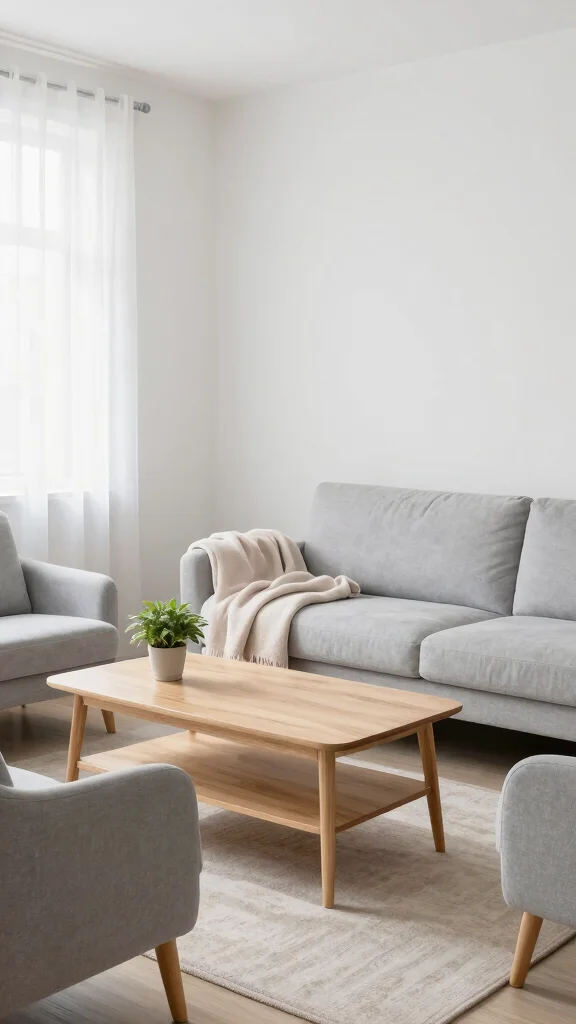
Light colors can dramatically enhance the feeling of space in a small living room. Shades like soft whites, delicate pastels, and gentle grays not only reflect light but also create a serene atmosphere, making the room feel expansive and inviting. For instance, pairing a pale blue with crisp white trim can evoke a fresh and airy vibe, beautifully amplifying the natural light in the space.
To make the most of this effect, consider painting your walls in a soft hue and incorporating lighter furniture. You can also explore budget-friendly options like peel-and-stick wallpaper or lighter slipcovers for your sofas. Remember, this choice connects to the broader trend of creating calm and cozy environments, perfect for unwinding.
Here are some practical ideas to incorporate light colors:
– Paint all walls in a soft white for a clean slate.
– Layer light shades of the same color for added depth.
– Opt for sheer curtains to let in natural light.
This thoughtful approach not only brightens your living room but also creates a tranquil haven that feels more spacious.
Recommended Products

Beautifully handcrafted, our rustic silver mirror for wall hanging is handcrafted with care and attention to detail and design. We use high quality metals and mirror materials to guarantee the sturdiness and consistent aesthetic beauty of the design. Our mirrors are silver-backed, presenting a beautiful reflection every time. The beautiful silver finish really stands out, making any wall look incredible!

Adorable Size: Diameter of the mirror: 11.8 inches, it is a very nice hanging looking and elegant wall decoration

Tempered Glass Mirror: A beautiful and modern unbreakable mirror full length can provide you with high-definition reflection. The improved shatterproof glass greatly reduces the weight of the glass and also reduces the problem of damage
🏡 Transform Your Space Effortlessly
Unlock the secrets to a beautiful home with our ultimate DIY guide packed with stylish makeovers and storage solutions.
2. Opt for Multi-Functional Furniture
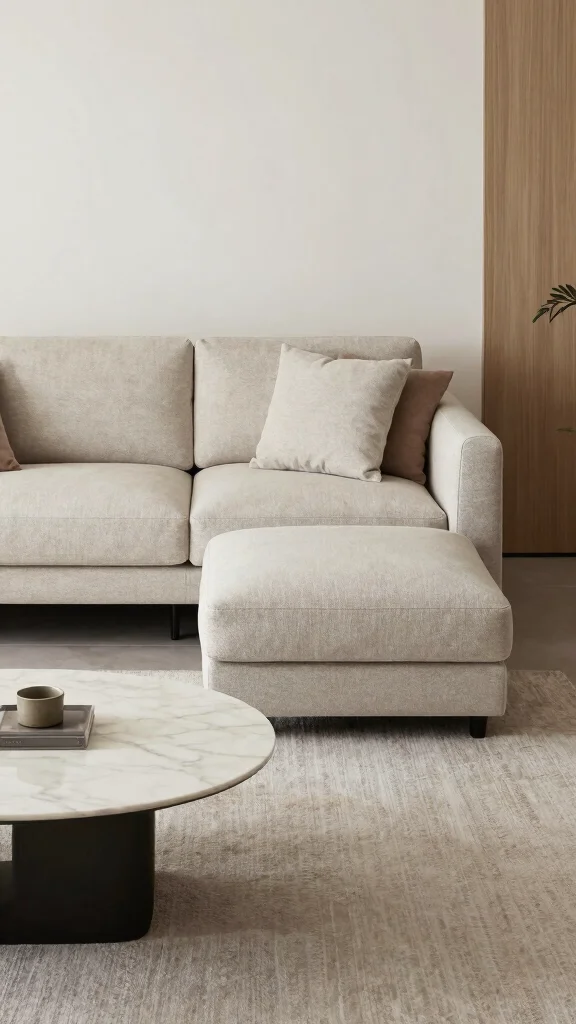
In a compact living room, multi-functional furniture is your best friend. Choosing pieces that serve multiple purposes helps keep your space organized while maximizing functionality. For instance, a stylish sofa bed can cater to unexpected guests without compromising your living area.
Look for budget-friendly options like ottomans with storage to keep blankets handy or coffee tables that double as storage units. These versatile choices align with the trend of practicality in design, making your space feel both stylish and accommodating.
Consider these multi-functional furniture ideas:
– Select a sofa bed for extra sleeping space.
– Use storage ottomans for seating and organization.
– Choose coffee tables with hidden compartments for clutter-free surfaces.
By incorporating these smart designs, your living room will feel open and inviting, meeting all your needs effortlessly.
Recommended Products

[Utility Design] Our over the toilet storage shelf features three open shelves and 1 storage basket, along with 3 removable hooks and a toilet paper holder, providing ample storage space. The compartment below the basket helps organize your toilet, washing machine, dirty clothes cart, and other large items.


3-in-1 Convertible Chair to Table for Two: This smart multifunctional furniture easily transforms from a comfortable accent chair into a compact table with two seats. Perfect for coffee chats, studying, working on a laptop, or casual dining. One piece replaces multiple furniture items while maximizing space.
Dimensions & Size Guide
Standard Sizes & Measurements:
When dealing with a small living room, understanding standard sizes and measurements can help you choose the right furniture and decor. Start with a few common dimensions:
– Sofa: A standard three-seat sofa is typically around 75-90 inches long. If space is tight, consider a loveseat or a compact sofa, which usually measures between 50-70 inches long.
– Coffee Table: Look for coffee tables that are approximately 36-48 inches long and 18-24 inches high. This size is ideal for small spaces without blocking pathways.
– Accent Chairs: Chairs should be between 20-30 inches wide. If opting for a pair, ensure there’s at least 18 inches between them for ease of movement.
– Area Rugs: Choose rugs that are about 5×8 feet for small living rooms. This will define the space without overwhelming it.
These measurements provide a good foundation for fitting furniture comfortably in your small living space while allowing for movement and flow.
Quick Reference Table:
Here’s a simple size reference guide to help you visualize furniture needs and space requirements:
Size/Dimension – Best for: [use case], Minimum space needed: [measurement]
– Sofa (75-90 inches) – Best for: Seating for 3-4, Minimum space needed: 18 inches from walls
– Coffee Table (36-48 inches) – Best for: Centerpiece of the living area, Minimum space needed: 18 inches from seating
– Accent Chair (20-30 inches) – Best for: Additional seating, Minimum space needed: 20 inches from other furniture
– Area Rug (5×8 feet) – Best for: Grounding furniture, Minimum space needed: Enough to fit front legs of sofas/chairs
Space Planning Tips:
Planning your small living room effectively can transform it into a stylish and functional area. Here are some practical tips:
1. Measure Everything: Before buying furniture, measure your space. Always confirm that what you plan to buy will fit.
2. Create a Floor Plan: Sketch a simple layout of your room. Include doors and windows. This visual can help you see potential arrangements without moving heavy furniture around.
3. Think About Flow: Ensure there’s enough space to walk around furniture without bumping into anything. Aim for at least 30 inches of walking space.
4. Avoid Overcrowding: Stick to a few key pieces of furniture. Too many items can make the room feel cramped. Less is often more in minimalist design.
5. Use Vertical Space: Consider shelving and tall furniture to draw the eye upward, making the room feel taller and more open.
Pro Tip: The most important measurement to keep in mind is the walking space around your furniture. Aim for at least 30 inches of clear space between pieces. This ensures comfort and a sense of openness in your small living room.
Recommended Products


3. Keep It Simple with Streamlined Designs
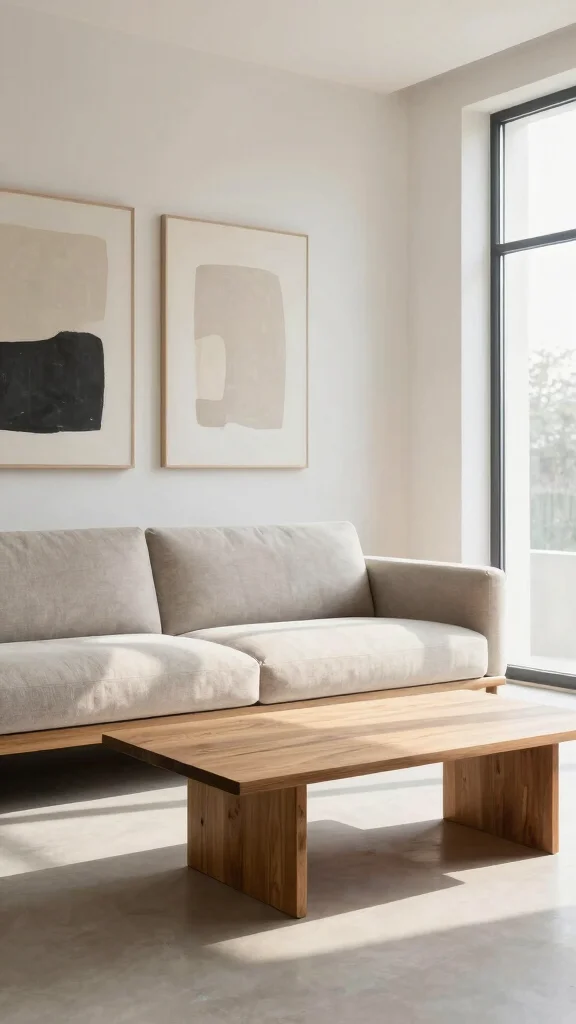
Embracing simplicity is key to achieving a minimalist aesthetic. Opt for furniture and decor that feature clean lines and minimal ornamentation, avoiding overly complex designs that can overwhelm a small space. For example, a sleek, low-profile sofa can create a sense of openness while still being stylish.
Focus on pieces that elevate the space, like furniture with legs that create visual height and minimalist art that adds a personal touch without cluttering the walls. This simplicity resonates with the minimalist design trend, creating a calm and organized environment.
Here are some streamlined design tips:
– Choose furniture with elevated legs to enhance visual space.
– Select a few impactful art pieces instead of many small ones.
– Aim for fewer standout items to maintain a clean look.
These strategies cultivate a serene atmosphere, allowing your small living room to feel more spacious and tranquil.
Recommended Products

Unique Abstract Art Rugs: Our modern abstract area rugs pour infinite creative inspiration into your living space. This 5x7 blue abstract rug with navy grey striped features free-flowing abstract line elements for a perfect collision of modern and contemporary. We offer a wide range of styles, including abstract, minimalist, modern, art deco, accent and more, ensuring that each rug will be the finishing touch to elevate the style of your home.

Machine Washable Area Rug: Our living room rugs are washable for easy care—simply toss in the washing machine in cold water. For minor dirt, it is robot vacuum friendly or easily shaken off outdoors. For liquid spills, wipe promptly with a dry towel.

Beautiful Design Abstract Rug:The 5x7 rug design is unique and trendy, the colors blend with nature, the abstract design complements the modern tones, it blends perfectly with your home decor, adding more warmth and comfort to your home. Suitable for living room, bedroom, dining room, study, home office, etc
4. Maximize Vertical Space
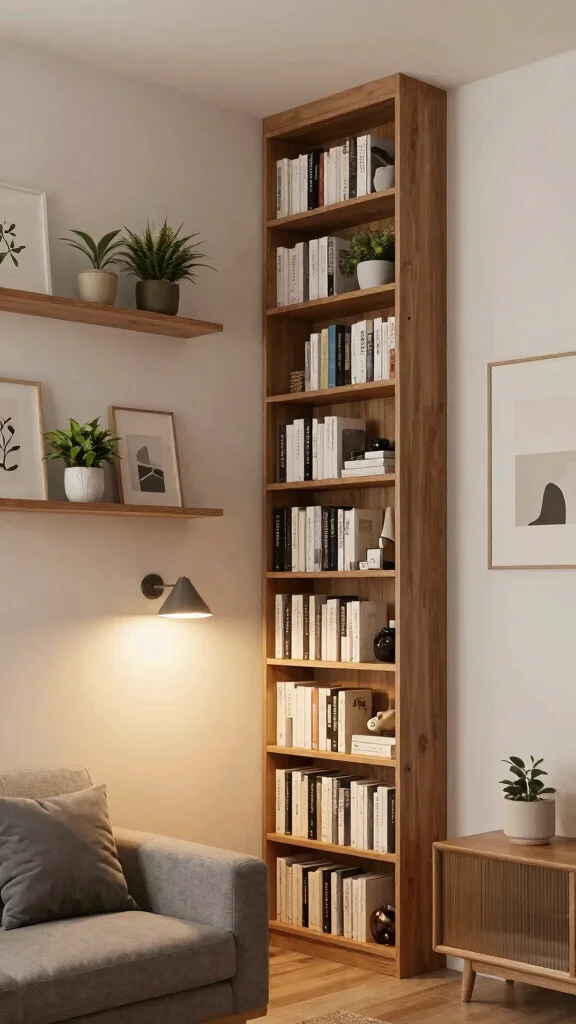
Thinking vertically is essential in a small living room. Utilizing wall space not only clears the floor but also creates a sense of height, making the room feel larger. Incorporating tall bookcases or wall-mounted shelves can store items stylishly without sacrificing floor space.
Consider budget-friendly options like DIY floating shelves or upcycled furniture that draws the eye upward, enhancing the overall design. This method ties into the trend of optimizing space while maintaining a stylish look.
Here are some ideas to maximize vertical space:
– Install tall bookcases to store items neatly.
– Use wall sconces to save surface space.
– Hang floating shelves for displaying decor.
By focusing on vertical elements, you’ll transform your living room into a more dynamic, spacious environment.
Recommended Products

Dynamic RGBICW Color Technology:Unleash your creativity with our RGBICW LED floor lamp, offering customizable colors for each segment to match nature themes, festivals, or your mood. Simultaneous multi-color displays make it ideal for holiday decor or as a unique family gift.

APP and IR Remote Contorl: With a stable connection,control your LED lights,freely change in 16 million colors,adjust brightness,customize modes (Flashing,Jump,Fade,etc) in different speeds.
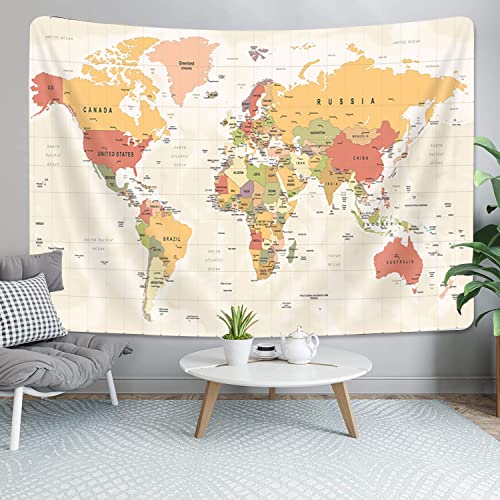
3D Printing - The Travel Map Tapestry is made of polyester fabric, which durable enough to be home decor for wall art. This hanging tapestry comes with vivid colors bring happy feel with you and your family.
5. Choose Light and Airy Fabrics
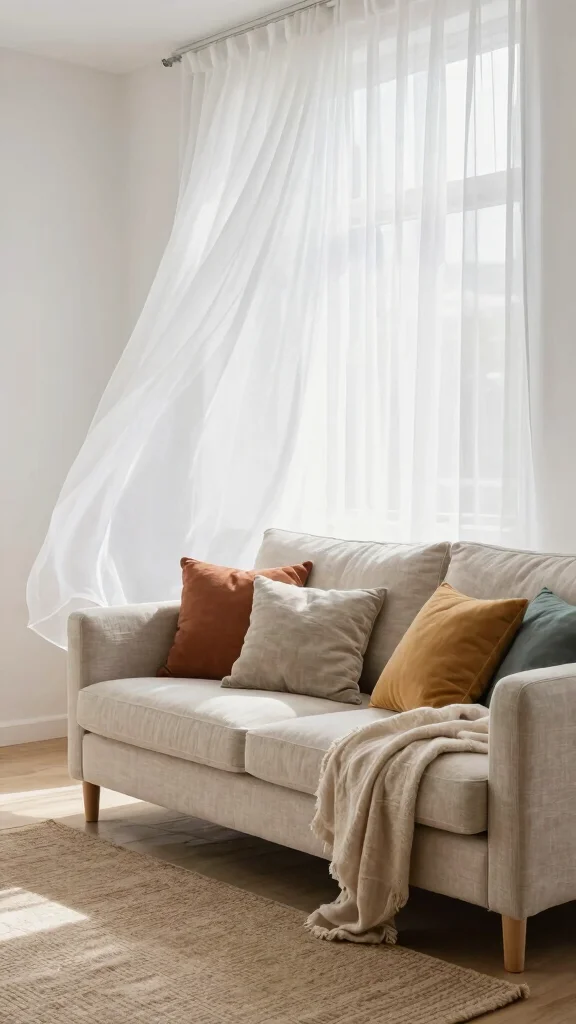
The right fabrics can greatly influence the overall ambiance of your small living room. Selecting light and airy textiles fosters an open feel, making the space feel more inviting. Soft cotton or linen curtains can filter light beautifully while ensuring privacy, creating a cozy yet spacious atmosphere.
Look for budget-friendly options like lightweight throws or pillows that add warmth without feeling heavy. This choice aligns with the trend of creating light-filled spaces that evoke comfort and ease.
Here’s how to incorporate airy fabrics:
– Choose sheer curtains to enhance natural light.
– Use subtle patterns to avoid overwhelming the design.
– Layer lightweight throws for added comfort.
These fabric selections will contribute to an inviting atmosphere that feels spacious and relaxing, perfect for unwinding.
Recommended Products

Adorable Size: Diameter of the mirror: 11.8 inches, it is a very nice hanging looking and elegant wall decoration

Explosion-Proof Round Bathroom Mirror : The upgraded HD explosion-proof lenses offer clearer imaging and distortion-free reflections, ensuring a superior visual experience. Moreover, the mirror surface features fast fog dispersal properties, making it resistant to corrosion and preventing easy oxidation. It is also effortless to clean, providing added convenience for your use

Decorative Wall Mirror: A stunning fusion of minimalist design and organic charm. Inspired by the gentle forms of nature, this teardrop and raindrop-shaped mirror breaks away from conventional rectangular or round mirrors, offering a fresh, contemporary aesthetic that complements modern, boho, Scandinavian, or eclectic interiors.
6. Incorporate Mirrors for Depth
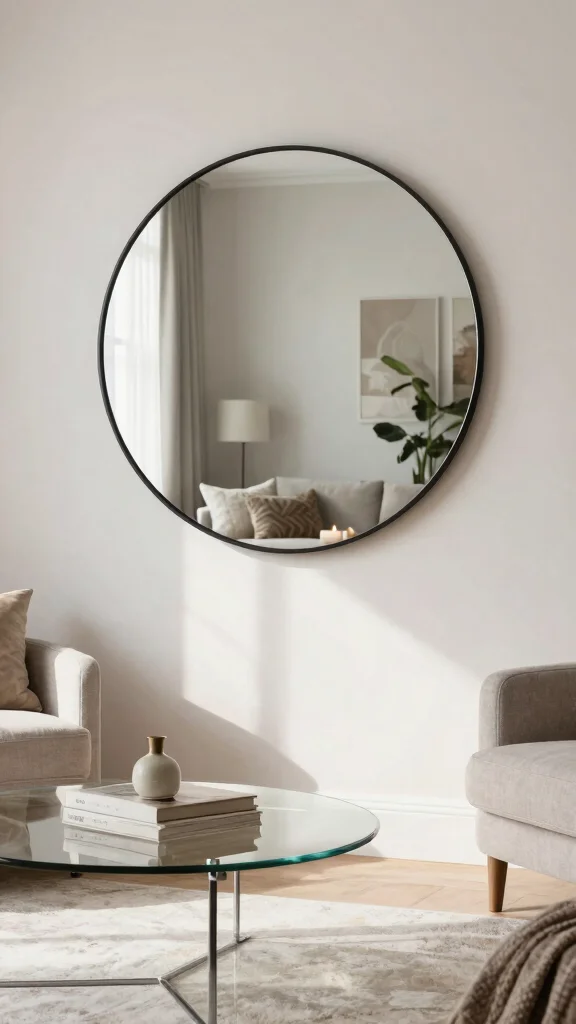
Mirrors are a clever way to enhance the feeling of space in a small living room. They reflect light and create depth, making your area appear larger and brighter. For instance, a large statement mirror can serve as a focal point while visually expanding the room.
Use budget-friendly options like thrifted mirrors or mirrored decor that adds both style and functionality. This practice connects with the trend of using reflective surfaces to amplify light and space.
Here are effective ways to use mirrors:
– Hang a large mirror to reflect light and views.
– Opt for mirrored furniture to elevate style.
– Position mirrors near windows to maximize brightness.
Thoughtfully placed mirrors will visually expand your living area while maintaining a chic, minimalist aesthetic.
Recommended Products
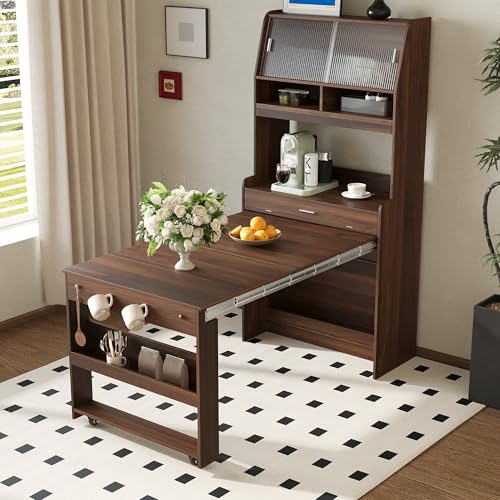
🛋️ 2-in-1 Space-Saving Buffet & Foldable Table: This 33.5" compact buffet combines a 50.4" extendable dining table and storage hutch, perfect for small apartments, studios, and tiny homes. The table folds neatly under the 15.2" workstation, while 3 removable leaves store inside the drawer.

3-in-1 Instant Conversion:Easily transforms from a supportive chair to a comfy recliner or a full-size bed in seconds—no complicated steps or effort needed. Perfect for when you need quick changes for guests, relaxation, or bedtime

Seats Up to 12 People: Expands to 118” long, comfortably seating up to 12 guests for family dinners, holidays, and entertaining.
7. Designate Zones with Rugs
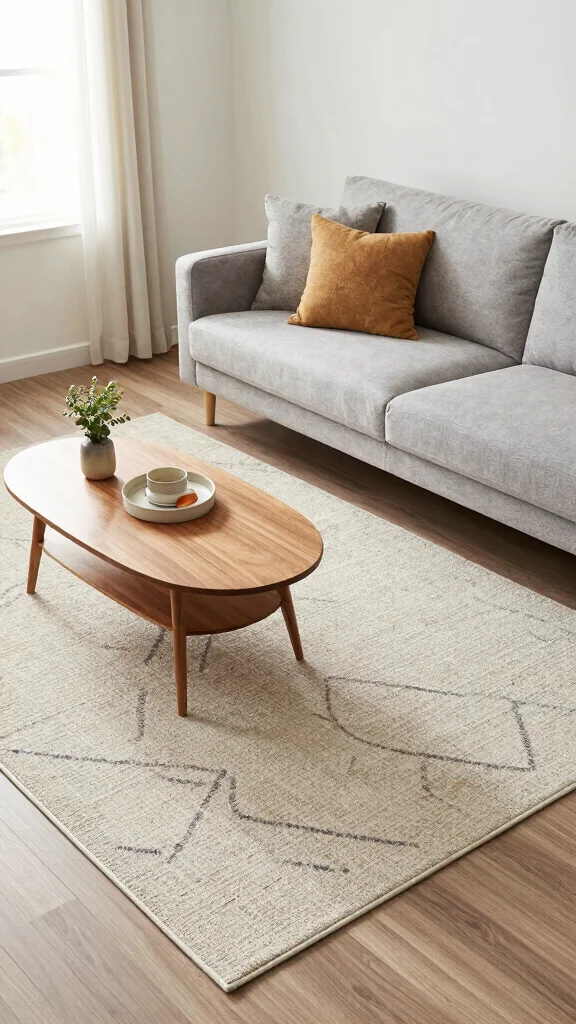
Using rugs is a fantastic way to create visual separation in a small living room, helping to define different functional areas. A well-placed area rug can anchor your seating arrangement, giving the space a cozy focal point.
Explore budget-friendly options such as layering smaller rugs over larger ones or shopping for discounted area rugs that fit your style. This technique aligns with the trend of creating multi-functional spaces that feel organized and inviting.
Here are some rug strategies to consider:
– Use a large area rug to define seating.
– Layer rugs for added texture and warmth.
– Choose colors that match your overall palette.
By thoughtfully placing rugs, you’ll create a well-organized, inviting living area that feels larger and more functional.
Recommended Products


【Modern Concise Design】Our white floating shelves are designed with modern simplicity. It has streamlined look to bring modern style and vintage atmosphere to the home. Our wood floating shelves for wall is a set of 4 wall mounted shelves. Our rustic wood shelves can give us plenty of space for creativity, we can choose a line, a ladder shape, or a symmetric way. Let our floating shelf wood more suitable to the home decor and bring a better visual experience.

OVERSIZED 65L BLANKET BASKET CAPACITY -- Master household clutter with this extra-large storage solution. Designed specifically as a high-capacity blanket basket, it easily swallows 3-5 thick throws, 2 king-sized comforters, or a mountain of plush toys. It serves as a centralized organization hub for living rooms and bedrooms, keeping your floors tidy and your essentials accessible.
8. Use Vertical Decor Accessories
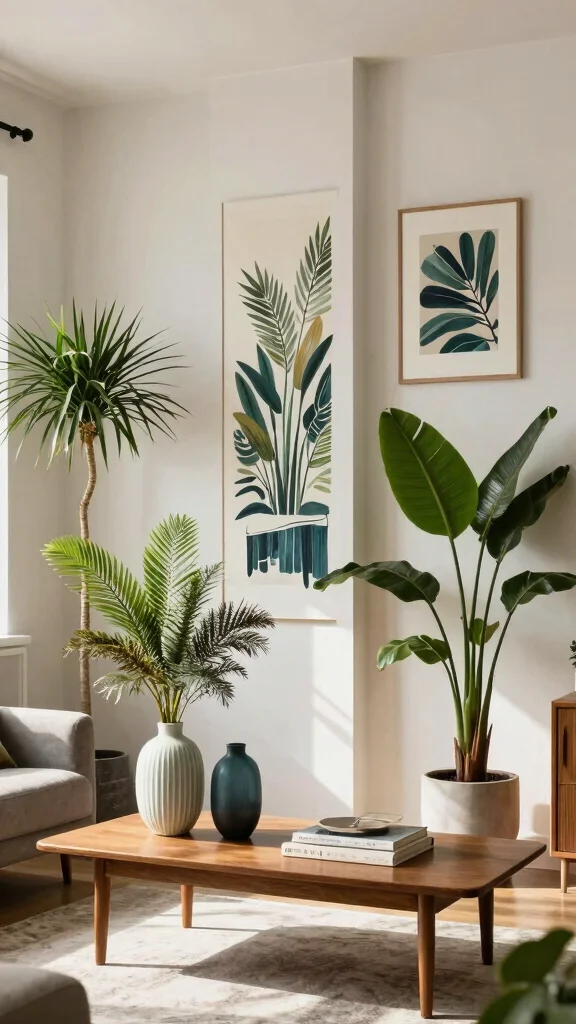
Incorporating vertical decor accessories can add height to your living room while keeping the design minimal. These elements draw the eye upward, making the space feel taller and more open. For example, tall vases placed on shelves can create visual interest and enhance your decor’s overall appeal.
Look for budget-friendly decor pieces or DIY projects that introduce verticality without overwhelming the space. This approach resonates with the trend of maximizing vertical design elements to enhance an airy feel.
Here are some ideas for vertical decor:
– Select tall vases for tables or shelves.
– Hang elongated art pieces for visual impact.
– Use tall plants to introduce greenery and height.
By thoughtfully including vertical accessories, you’ll enhance the sense of space and character in your living room.
Recommended Products

【Ultra Soft】The luxurious 1.8-inch high plush pile delivers an incredibly soft feel every time you walk on it. The rug is made of ultra-soft microfiber, perfect for cozy living rooms and bedrooms

[Supreme Comfort and Softness] Treat yourself to the luxurious comfort of the OLANLY Machine Washable Area Rug. Its plush, high-density pile provides an incredibly soft, plush feel underfoot. Enjoy the warmth and coziness, all while the rug remains fiber-shed-free, making it ideal for your bedroom, living room, or nursery.

CLOUD LIKE SOFTNESS AND SUPREMELY COZY: Treat bare feet to absolute comfort. Crafted from premium faux wool, this living room rug delivers a luxuriously velvety soft texture that shields toes from cold floors. The tightly woven fibers to be non-shedding and durable, provides a relaxing environment.
You might also like
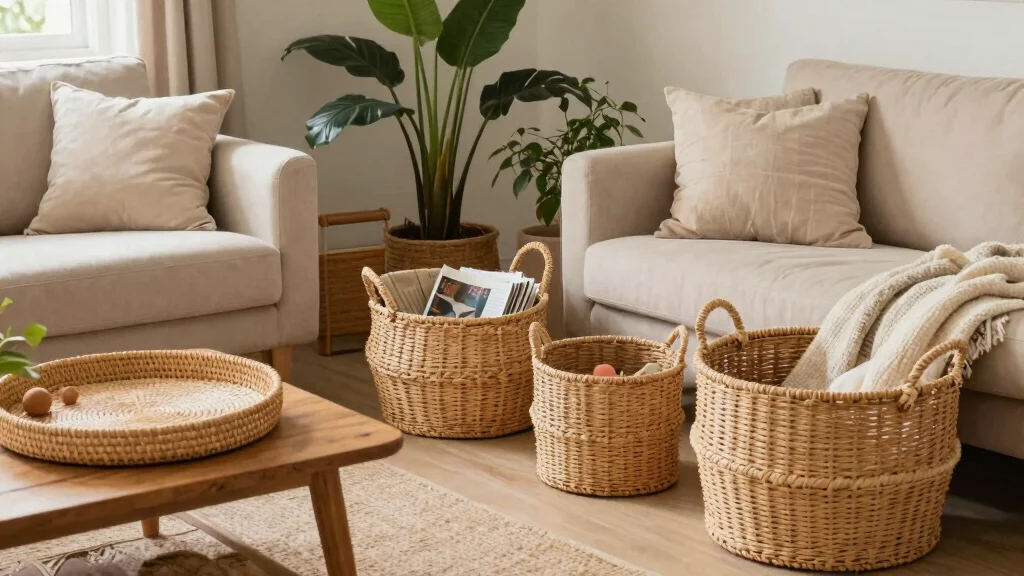
9. Limit Accessories for Clarity
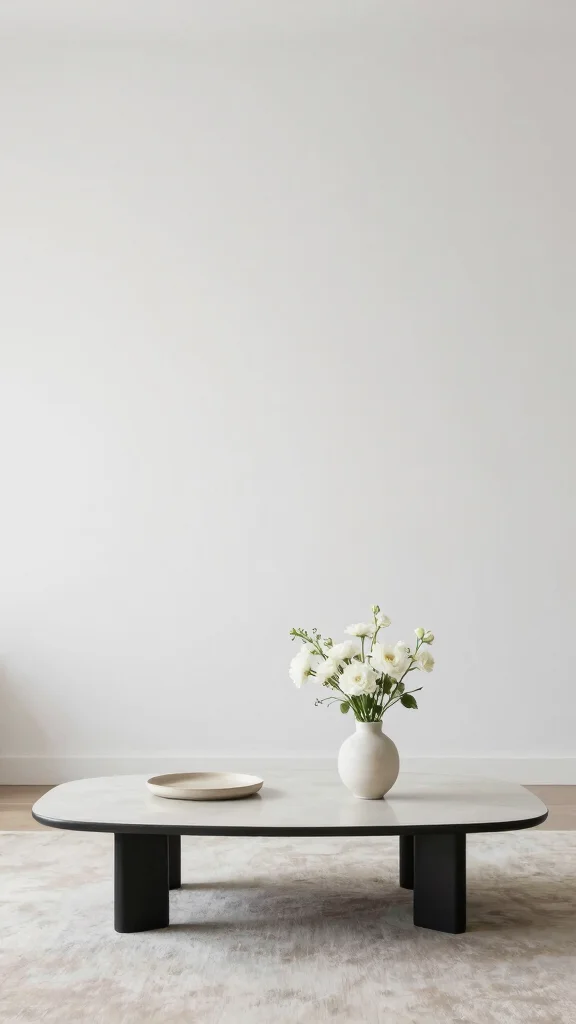
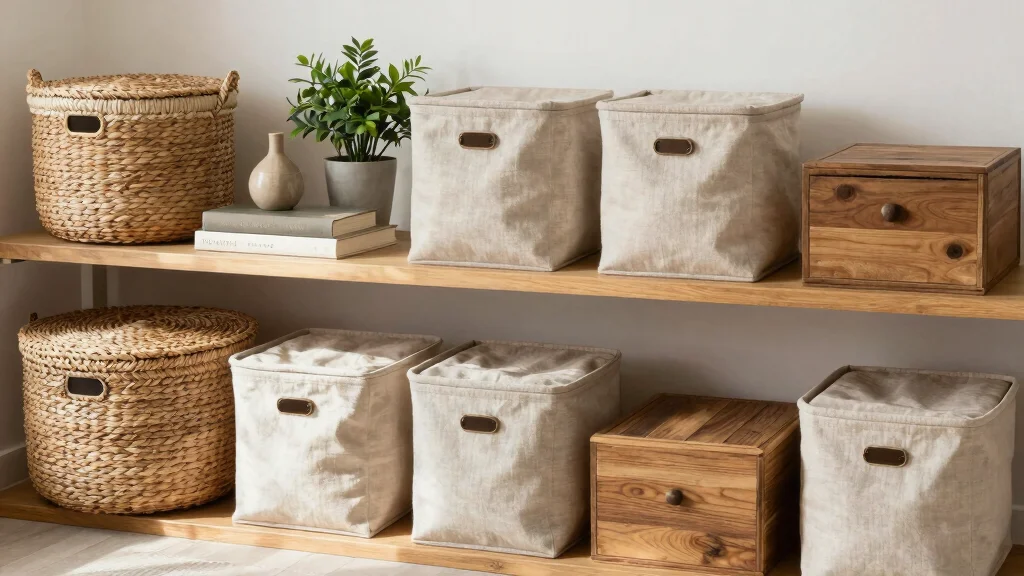
In minimalist design, less truly is more. Limiting accessories to just a few meaningful pieces can help maintain clarity and prevent your small living room from feeling cluttered. Focus on selecting favorite decor items that reflect your personal style and placing them strategically around the space.
Consider grouping accessories to create cohesive displays without overwhelming the area. This intentional approach ties into the trend of creating serene spaces that feel organized and stylish.
Here are some strategies to limit accessories:
– Choose a few favorite decor pieces for a personal touch.
– Arrange items in clusters for visual interest.
– Keep surfaces clear to avoid clutter.
By being intentional with your decor, you’ll cultivate a serene, organized space that feels welcoming and stylish.
10. Utilize Built-In Storage
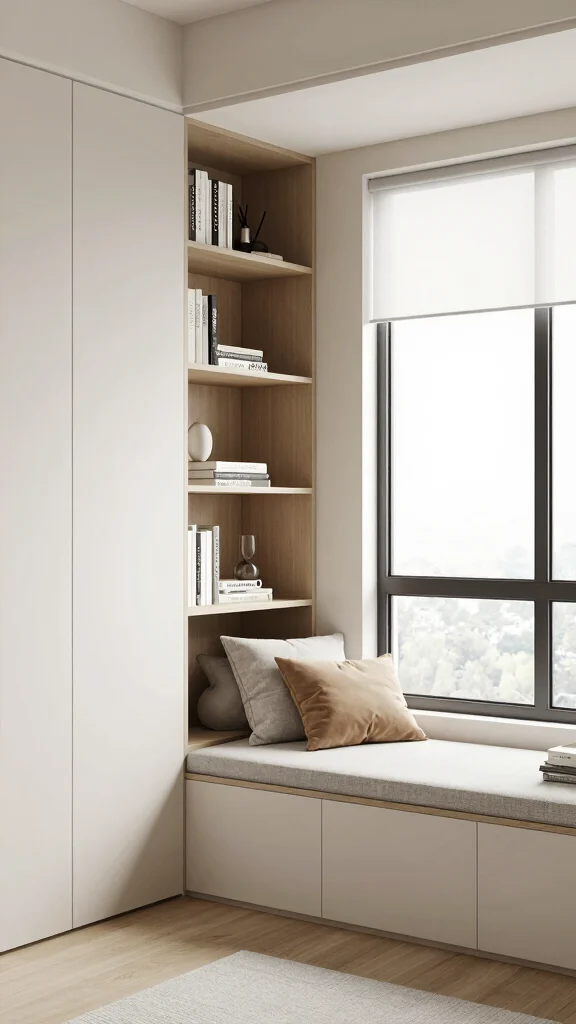
Built-in storage solutions are ideal for small living rooms, offering a clean and uncluttered look while optimizing space. These features blend seamlessly into your room’s architecture, enhancing a minimalist feel. For instance, built-in bookcases can stylishly store your books and decorative items without taking up valuable floor space.
Explore options such as cabinetry under windows or storage benches that can double as seating. This trend aligns with the desire for functional yet stylish living areas.
Here are effective ways to implement built-ins:
– Install built-in bookcases for organized storage.
– Add cabinetry to hide clutter while keeping essentials accessible.
– Consider a built-in bench with storage for added functionality.
These features not only save space but also enhance your living area’s overall design, making it both practical and beautiful.
11. Embrace Minimalist Lighting
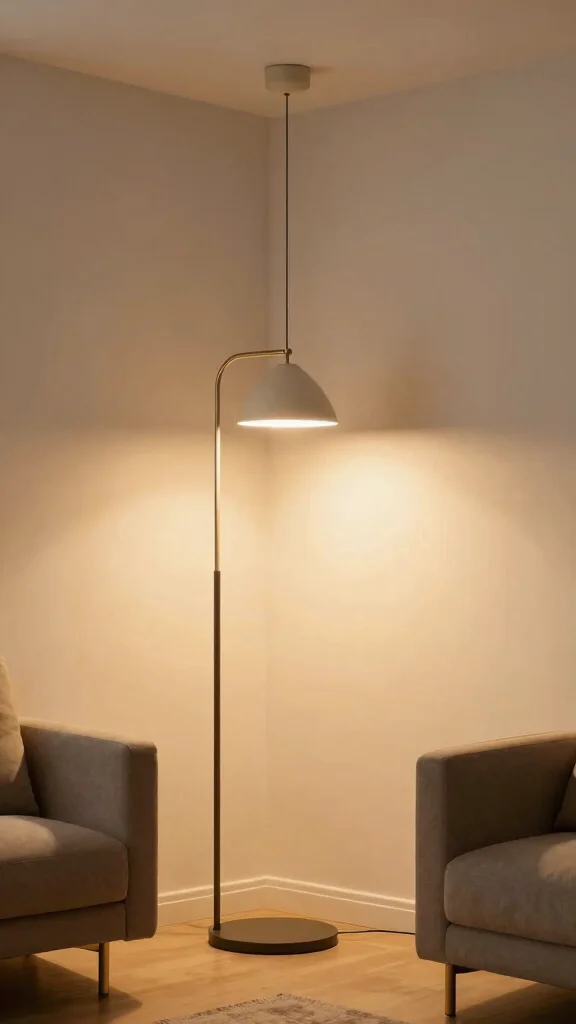
Lighting can significantly influence the feeling of a small living room, and choosing minimalist fixtures enhances your design while maintaining a spacious ambiance. Opt for simple yet striking designs that complement the room without overwhelming it. For example, a slim floor lamp can provide light without occupying too much space.
Consider budget-friendly options like LED bulbs for soft lighting or simple pendant lights that serve as focal points. This choice aligns with the trend of using lighting to create warmth and openness.
Here are some minimalist lighting ideas:
– Use tall floor lamps for unobtrusive illumination.
– Select simple pendant lights for a modern touch.
– Incorporate dimmers for a cozy atmosphere.
By minimizing lighting fixtures, you’ll maintain a sleek look while ensuring your living space feels warm and inviting.
12. Invest in Slim Furniture Designs
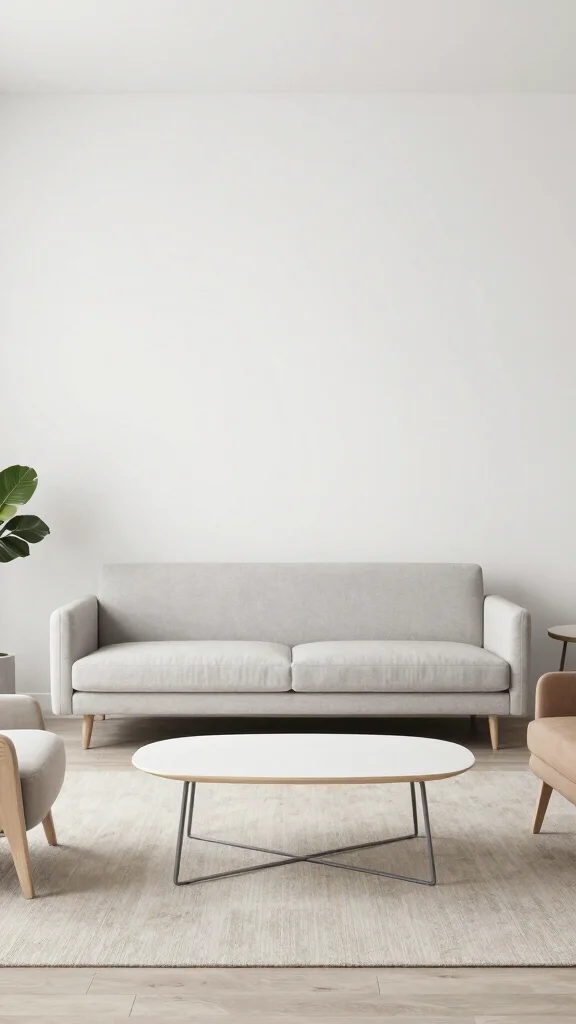
In a small living room, opting for slim furniture designs can make a notable difference. These pieces are crafted to occupy less visual space while providing comfort and style. A narrow sofa can offer seating without overwhelming the room’s proportions, making it feel more open.
Look for budget-friendly options like lightweight chairs that can be easily moved around, enhancing the space’s flexibility. This approach connects with the trend of prioritizing functionality in compact areas.
Here are some slim furniture choices to consider:
– Select a narrow sofa for efficient seating.
– Use lightweight chairs for flexibility and movement.
– Choose tables with thin legs for an airy feel.
By investing in these designs, you’ll keep your living room spacious and functional, allowing for easy movement and conversation.
Fun fact: A slim sofa can free up up to 20-30% more floor space in a small living room, making it feel instantly bigger. Pair with lightweight chairs you can rearrange in minutes—storage stays calm, life stays flexible.
13. Incorporate Natural Elements
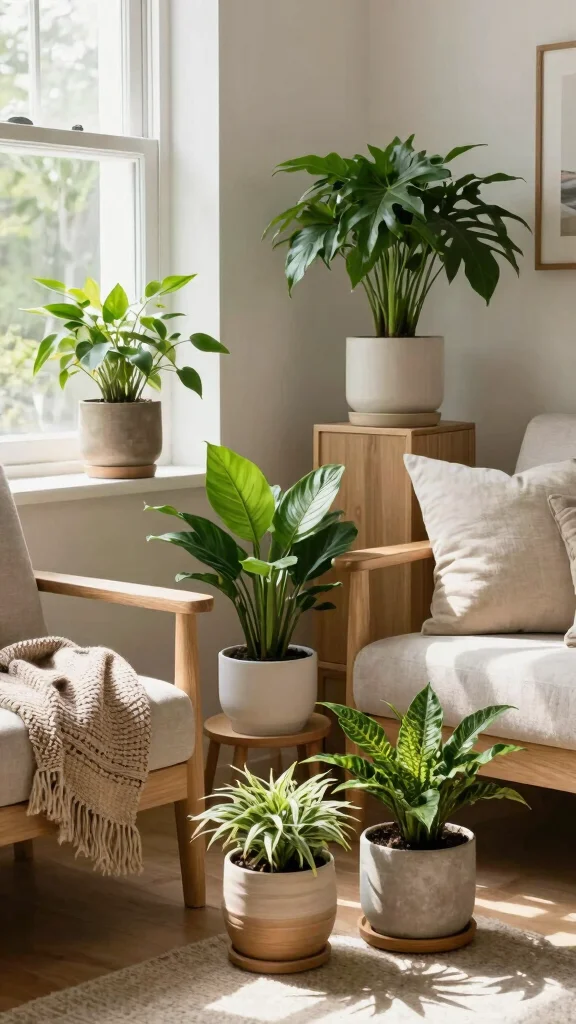
Bringing in natural elements can infuse your small living room with warmth and texture, creating an inviting atmosphere that complements minimalist designs. Incorporating plants, light wood accents, and natural textiles can enhance the overall feel of the space. For example, potted plants can add life and freshness, while light wood furniture introduces an organic touch.
Look for budget-friendly options like thrifted wood decor or low-maintenance houseplants to add vibrancy without overwhelming the design. This approach aligns with the trend of creating calming spaces with natural influences.
Here are ways to include natural elements:
– Add potted plants for a touch of greenery.
– Use light wood furniture for warmth and character.
– Choose cotton or linen textiles for a cozy feel.
These elements will not only enhance the vibrancy of your room but also help maintain a tranquil and refreshing environment.
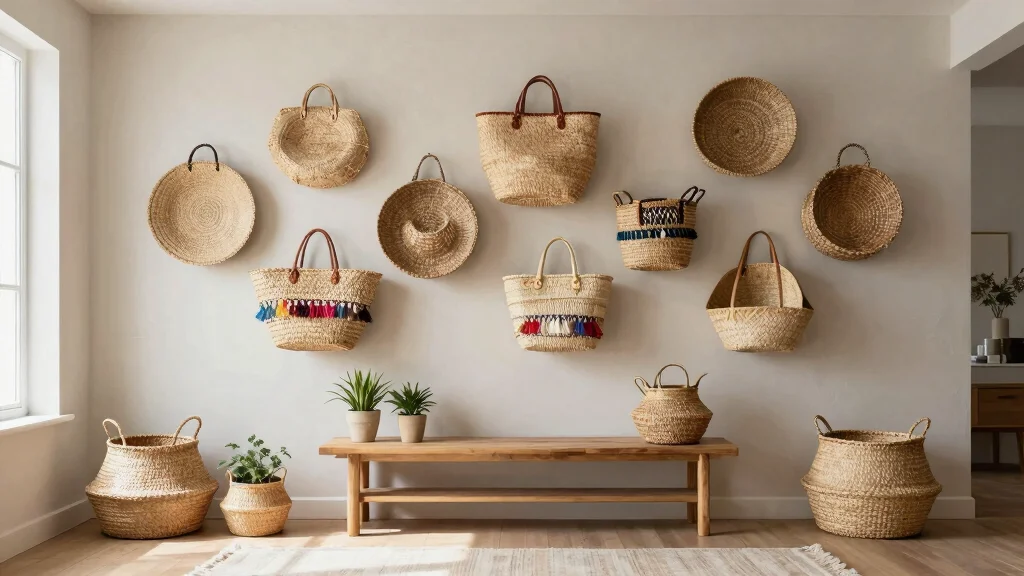
14. Create a Gallery Wall with Purpose
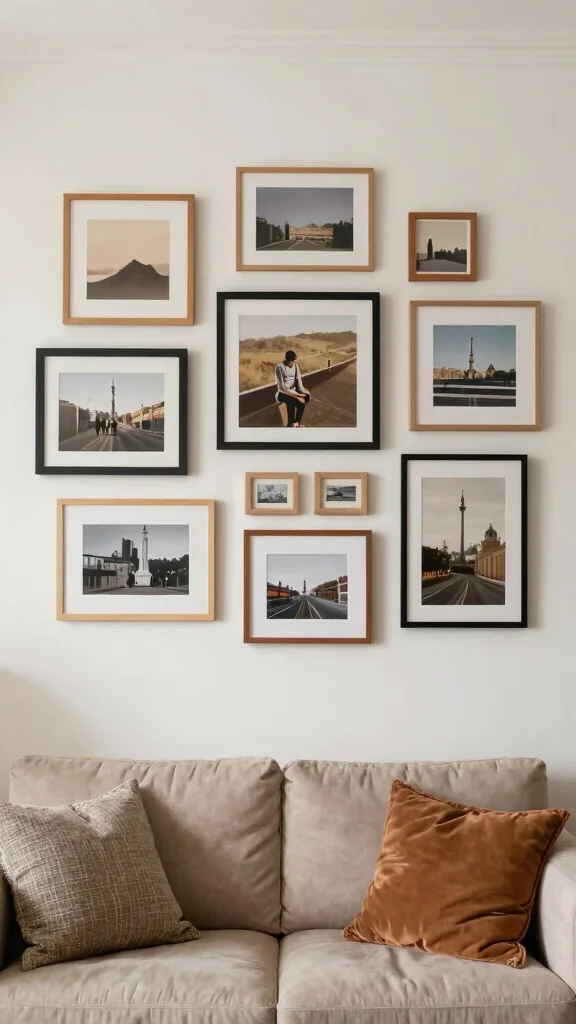
A thoughtfully designed gallery wall can serve as a stunning focal point in a small living room, allowing you to express your personal style without taking up physical space. Curating a mix of art pieces, photos, and personal mementos can make a statement while keeping a cohesive theme.
Be sure to vary the sizes of your frames for visual interest, but ensure they complement each other in color and style. This practice connects with the trend of personalizing spaces while maintaining a minimalist aesthetic.
Here’s how to create a purposeful gallery wall:
– Curate a selection of meaningful items that tell your story.
– Mix frame sizes for visual appeal while maintaining harmony.
– Keep adequate spacing to avoid a cluttered look.
By carefully curating your gallery wall, you’ll add character to your minimalist living room while making it feel spacious and personalized.
You Might Also Like
15. Integrate Technology Seamlessly
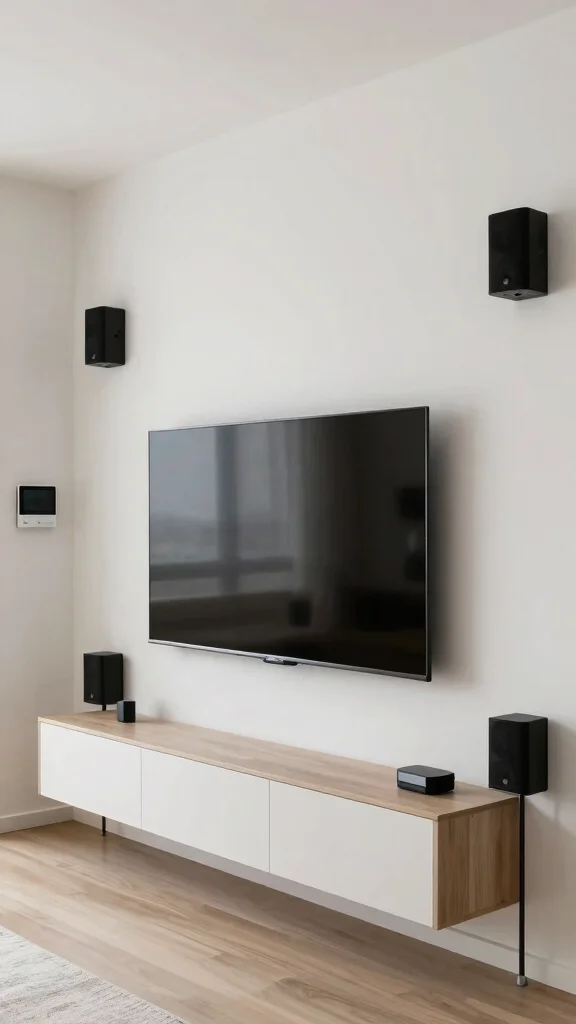
Incorporating technology into your living room should be done thoughtfully to maintain a minimalist feel. Choose tech solutions that blend seamlessly with your decor while providing convenience and functionality. For instance, built-in audio systems can be integrated into your walls for a clean look.
Look for budget-friendly cable management solutions to hide wires and keep your space looking tidy. This practice aligns with the trend of creating stylish yet practical living areas.
Consider these technology integration ideas:
– Opt for built-in audio systems for a seamless look.
– Use cord covers to hide unsightly cables.
– Choose smart home devices for easy control.
By integrating technology thoughtfully, you’ll maintain a functional and stylish living room without compromising your minimalist vision.
Small living room minimalist? It’s all about conceal and blend. Invest in built-in audio and cable management—your space stays calm, and you’ll actually enjoy tech without the clutter.
16. Layer Lighting for Ambiance
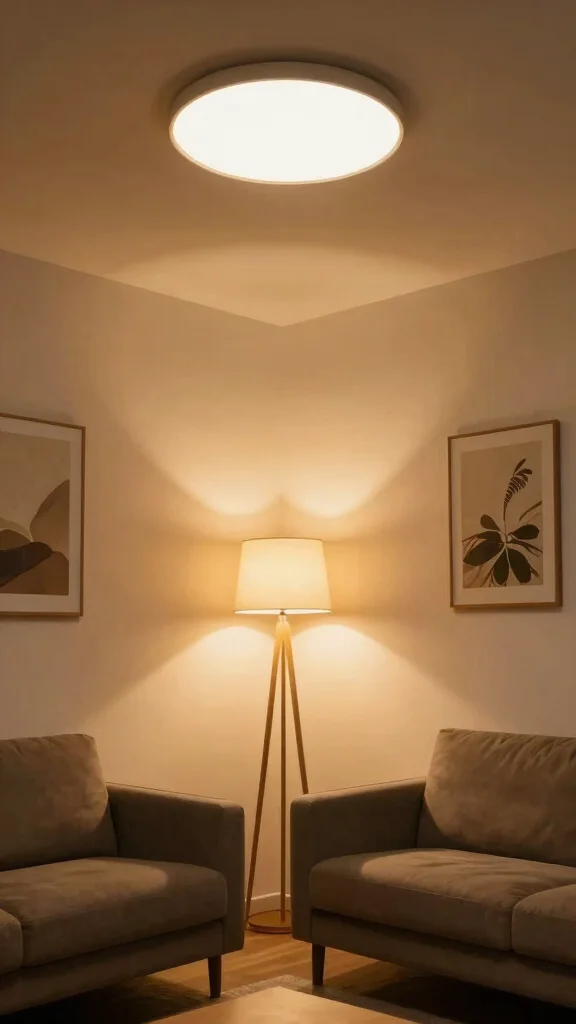
In a small living room, layered lighting serves both functional and aesthetic purposes. By incorporating various types of lighting, you can create depth and mood, making your space feel larger and more inviting. For example, using a combination of ambient, task, and accent lighting can transform the overall atmosphere.
Explore budget-friendly options like string lights for accenting decor or soft LED bulbs that create warmth. This approach connects with the trend of using lighting to enhance the ambiance in smaller spaces.
Here are some tips for layering lighting:
– Use ceiling fixtures for general illumination.
– Incorporate table lamps for task lighting.
– Highlight decor with accent lighting.
By layering your lighting, you can create a cozy retreat in your small living room, perfect for any occasion.
17. Use Color to Define Spaces
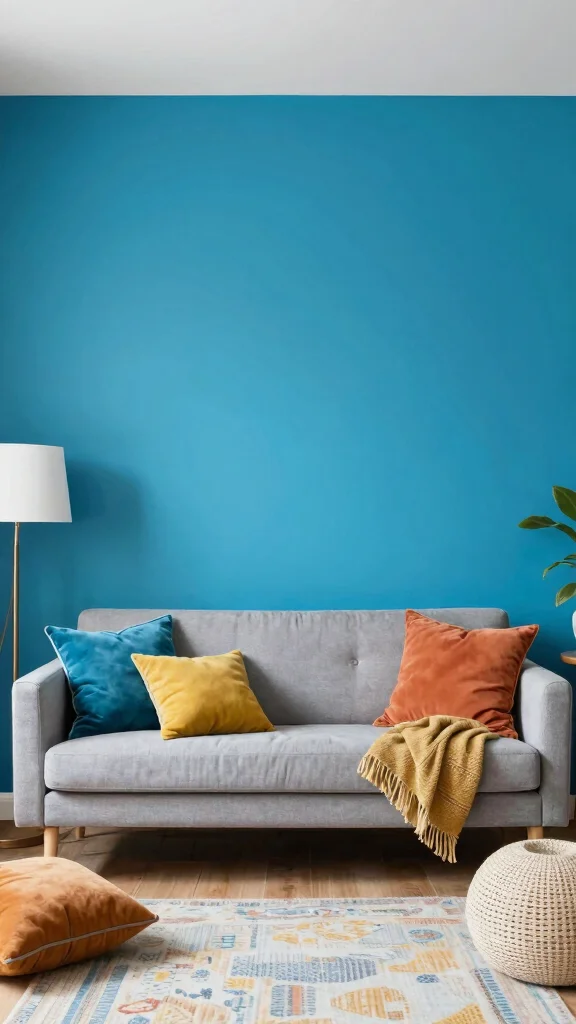
Color plays a significant role in defining spaces within your small living room. Strategically applying different colors can create distinct areas without physical barriers, enhancing functionality. For instance, painting an accent wall in a bold hue can highlight your seating area and make a dramatic statement.
Consider budget-friendly options like colorful throw pillows or decor accents that can easily be switched out to differentiate areas. This technique aligns with the trend of using color to enhance visual boundaries in compact spaces.
Here are ways to use color effectively:
– Paint an accent wall to create focal points.
– Use colorful cushions to differentiate spaces.
– Employ color blocking with complementary hues for interest.
By skillfully using color, you can enhance your small living room while maintaining a clean and minimalist design.
18. Personalize with Minimal Decor
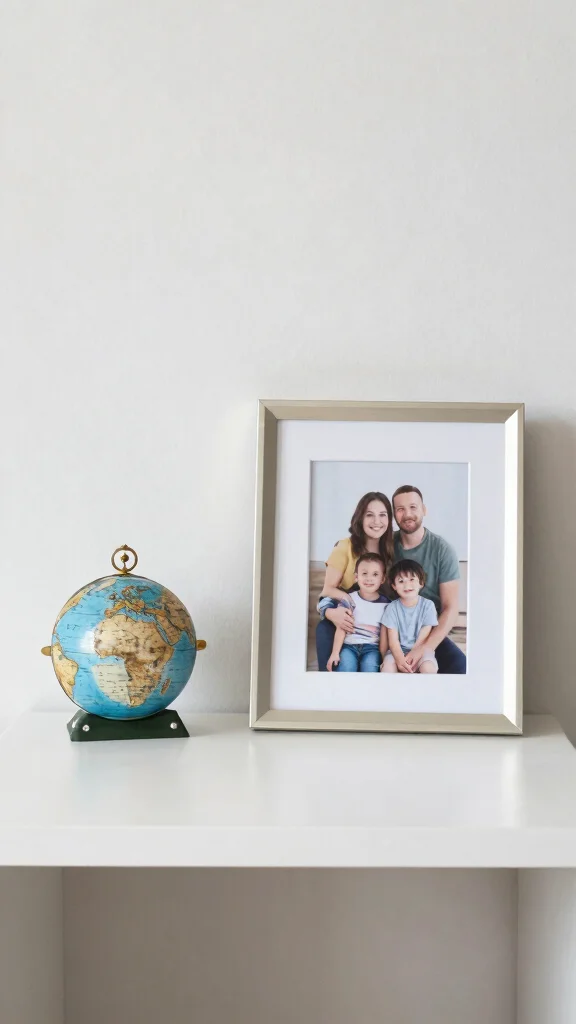
Your small living room should reflect your personality while adhering to minimalist principles. Personal touches can be added without cluttering the space, creating a warm and inviting atmosphere. For example, select a few meaningful items like travel souvenirs or family photos to display in stylish frames.
Consider grouping these items for a cohesive look while avoiding overwhelming the space. This practice connects with the trend of creating personalized yet minimalist environments.
Here’s how to personalize effectively:
– Choose a few meaningful decor pieces that resonate with you.
– Arrange items in clusters for a stylish display.
– Update decor seasonally for freshness.
With careful selection and arrangement, you’ll add warmth and character to your minimalist living room.
You don’t need a lot to show your personality—just pick a few meaningful items and group them nicely. In a small living room minimalist setup, less really is more, and warmer corners make the space feel like you.
19. Create a Cozy Nook
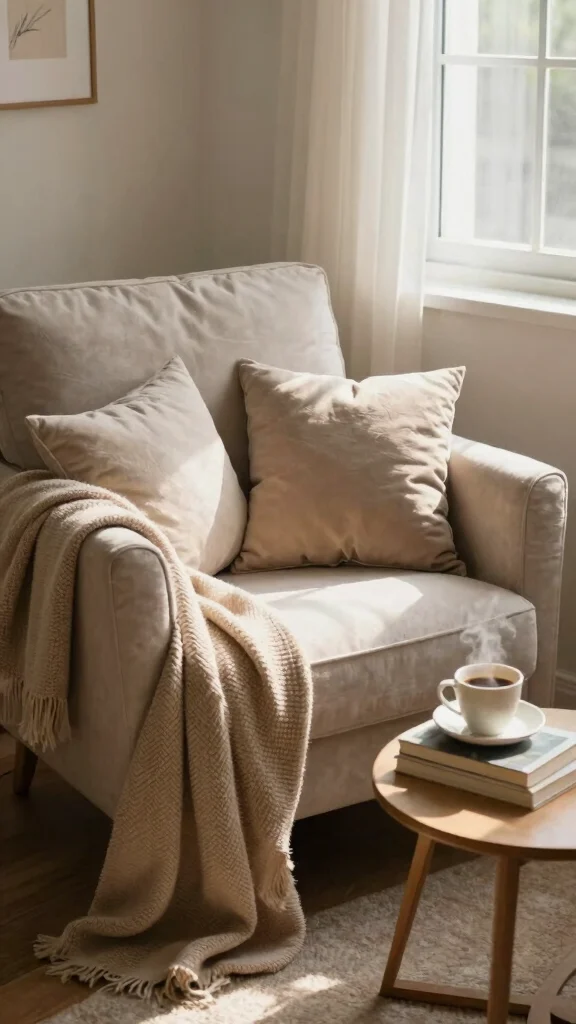
A cozy nook can transform a small living room into a charming retreat. This designated area can be perfect for reading, relaxing, or enjoying a cup of coffee. Look for a corner that receives natural light or offers a pleasant view to enhance the experience.
Choose comfortable seating, like a small armchair or cushioned floor cushion, to invite relaxation. Adding personal touches like a side table for your book or a soft throw can enhance comfort. This idea ties into the trend of creating functional yet inviting spaces.
Here’s how to create your nook:
– Find a corner that feels inviting and bright.
– Use a cozy chair or cushion for relaxation.
– Add a small table for essentials like books or drinks.
This little sanctuary will make your living space feel larger, adding a sense of purpose and warmth.
Conclusion
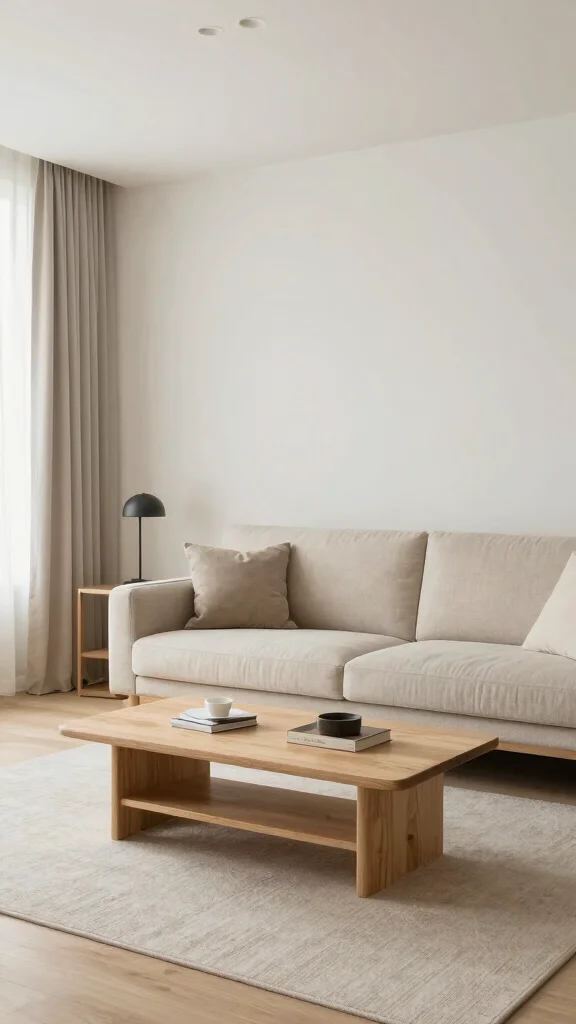
Embracing minimalist design in your small living room doesn’t mean compromising on style or comfort. By integrating these 19 small living room minimalist ideas, you can create a space that feels bigger and brighter while reflecting your personal aesthetic. Remember, less is often more when it comes to decorating smaller spaces. By being intentional with your design choices, you’ll enjoy a cozy and functional environment that you truly love spending time in.
Frequently Asked Questions
Question: What are the most practical storage ideas to achieve a small living room minimalist look?
To create a small living room minimalist feel with smart storage, start with vertical solutions and hidden compartments. Install slim wall shelves and a wall-mounted media console to free floor space, and choose a sofa with built-in storage or a lift-top coffee table for small space solutions.
Keep clutter at bay by using labeled baskets and keeping decorative items to a curated few. Finally, pick furniture with clean lines and a light color palette to maximize a sense of openness.
Question: How can I choose functional furniture and lay out a small space to maximize usability without sacrificing style?
Start with scale and flow. Choose functional furniture that serves multiple roles, like a sofa with storage, nesting tables, and an ottoman that can double as seating.
Keep traffic paths clear and align pieces with windows to preserve sightlines, a key maximizing small rooms tactic. Use transparent or light-colored pieces to maintain airiness and support minimalist home decor.
Question: What are modern design tips to make a small living room minimalist space feel bigger?
Light, cohesive palettes are your friend in a small room. Use a continuous wall and floor color, add a large mirror or two to reflect light, and choose functional furniture with clean lines. Declutter and limit textures to 2-3 tones for minimalist home decor that reads calm and spacious. Finally, keep windows clear and dress them with sheer treatments to maximize natural light and win at small space solutions.
Question: How do I organize storage in a tiny living room to keep a small space solutions approach tidy?
Plan zones for living, media, and storage. Use built-in shelves or a wall of cabinetry to keep the floor clear, and pick storage ottomans or benches that double as seating.
Under-sofa storage, slim consoles, and cable management help hide clutter. Pair with a few curated decor pieces and a dedicated ‘donate’ box to maintain a sense of maximizing small rooms.
Question: What common mistakes should I avoid in a small living room minimalist setup, and how can I fix them?
Common traps include overcrowding, misfitting rugs, too many textures, and heavy curtains that dampen light. Fix by planning with measurements, selecting a neutral palette, and using space-saving furniture to keep sightlines open. Anchor seating with a properly sized rug and keep surfaces clear; rotate decor sparingly to preserve the minimalist home decor vibe while maximizing small rooms.
Related Topics
small living room minimalist
minimalist home decor
functional furniture
small space solutions
modern design tips
space-saving storage
light color palettes
beginner friendly
stylish organization
open concept living
budget decor
easy updates