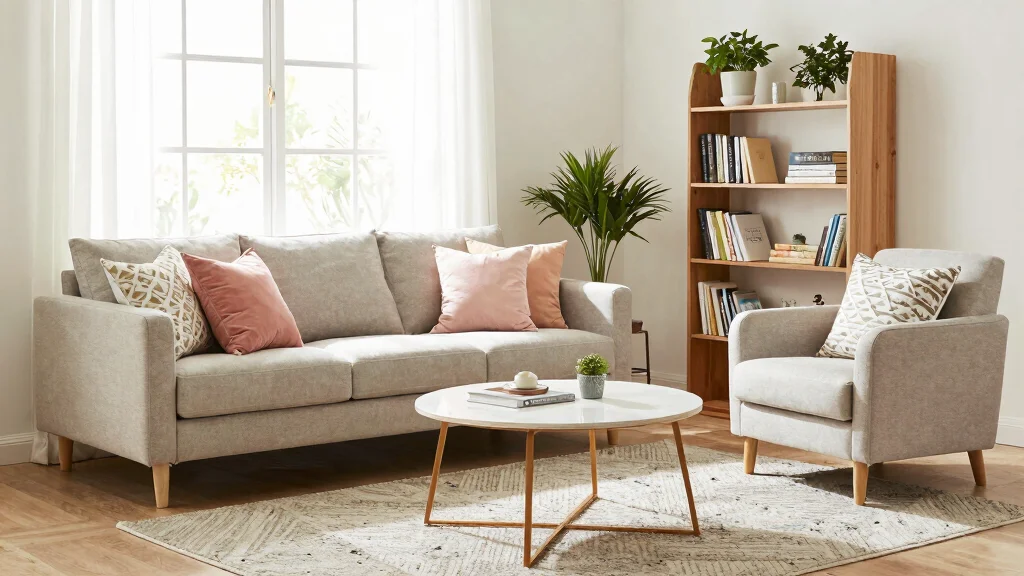
Creating a cozy and functional living room can feel like a puzzle, especially when you’re dealing with a small space. You might find yourself craving a fresh layout that flows well, makes the most of every corner, and feels inviting. This post is here to help you tackle that challenge!
If you’re someone who enjoys home decor, loves entertaining, or just wants to create a comfortable spot for relaxation, you’re in the right place. We’ve compiled 14 innovative living room furniture arrangement ideas that cater specifically to small spaces. Each idea is designed to optimize room flow and maximize comfort, so you can create the living area of your dreams.
In this guide, you’ll discover practical tips for furniture placement, clever zones for multifunctionality, and smart tricks to make your living room appear larger. You’ll learn how to breathe new life into your space, ensuring that it reflects your style while remaining highly functional. Let’s dive in and start transforming your living room!
Key Takeaways
– Explore 14 different furniture arrangement ideas designed to enhance small living rooms while maintaining a cozy atmosphere.
– Learn furniture placement tips that prioritize movement and flow, making your space feel larger and more inviting.
– Discover how to create distinct zones within your living room using rugs and clever furniture setups for different activities.
– Find out how to use light colors and vertical space to visually open up your living area, maximizing natural light and perceived space.
– Get inspired by personalized touches that can make your living room a true reflection of your personality and style.
Recommended Products

Sectional Recliner Sofa Covers Set: this couch and loveseat covers set include 1 pcs three seater sofa cover, 1 pcs loveseat cover; the size of three seater sofa cover is about 68 inches/ 173 cm to 90 inches/ 229 cm in length, and the size of loveseat cover is about 48.03 inches/ 122 cm to 67.72 inches/ 172 cm; Please refer to the measurements before purchasing

【Full-body Boucle Fabric Settee: Our small love seat is wrapped in luxurious Boucle fabric, offering a soft and cozy touch that elevates your seating experience; This high-quality fabric adds a touch of elegance to your living space, making it a perfect choice as an office couch for small spaces or a stylish small office c

CLOUD LIKE COMFORT: The interior of 2 seater sofa is filled with with high resilience foam that perfectly contours to the curves of your body. While offering a soft seating sensation, the loveseat sofa also provides robust and enduring support, ensuring that small couch retains shape over time while continuously enhancing your seating comfort.
1. The Cozy Corner Arrangement
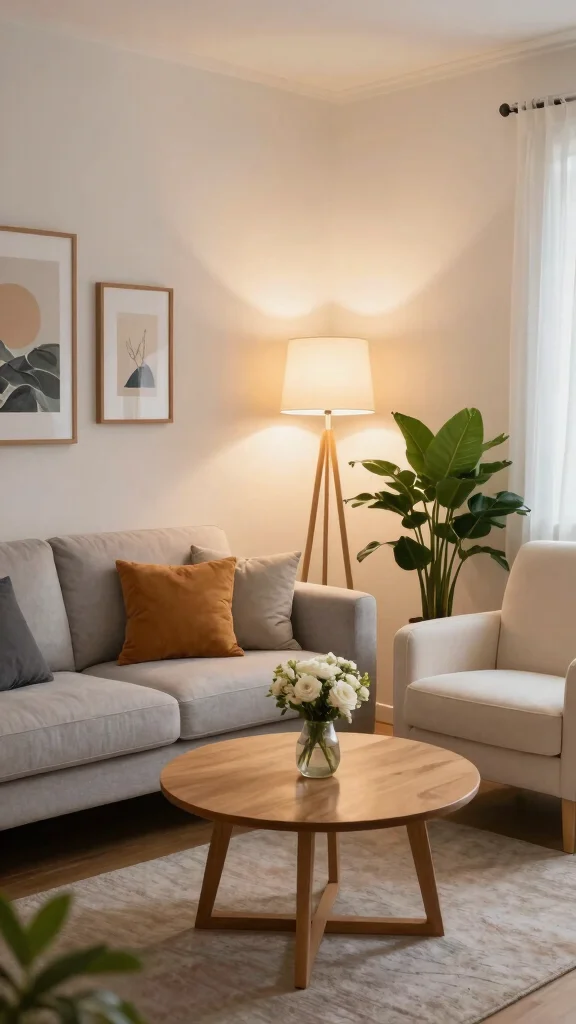
Embracing the cozy corner arrangement can transform a small living room into a warm retreat. Positioning a snug sofa or loveseat against a wall, paired with a stylish armchair and a small side table, creates an inviting nook that encourages relaxation. This setup fosters intimate conversations and a welcoming atmosphere, perfect for unwinding after a long day. Soft textiles like plush throws and vibrant cushions enhance comfort and style, making the space feel even more inviting.
To make this arrangement truly shine, consider practical additions that elevate the overall vibe. Opt for budget-friendly options by sourcing second-hand furniture or affordable decor from local shops. Embrace this cozy corner as part of broader design trends, where comfort meets style, enhancing emotional well-being.
Consider these elements to maximize this arrangement’s appeal:
– Pair a round coffee table to soften edges and enhance flow.
– Install a stylish floor lamp for illuminating the space.
– Use a captivating piece of wall art to draw the eye above the sofa.
– Incorporate greenery to bring a touch of nature indoors.
This cozy corner arrangement not only promotes relaxation but also enhances the overall aesthetic with layered textures and inviting materials.
Recommended Products

Exquisite Craftsmanship: This end table features a handmade brushed metallic finish and a hammered floral pattern, adding a sophisticated touch to your living room.
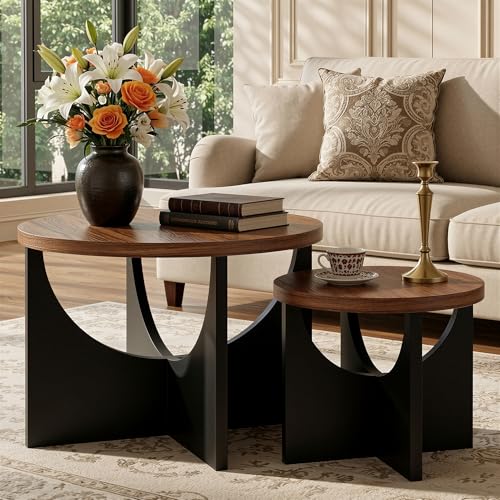
Space-Saving Nesting Design: Maximize your space with this nesting coffee tables set. The smaller table nests neatly halfway under the larger one for compact storage, ideal for apartments, small living rooms, or studios

Modern Fluted Design: Featuring a soft round silhouette with dimensional fluted detailing, this round coffee table delivers a clean yet visually layered look. The natural wood-grain finish adds warmth and texture while remaining practical for everyday living. Its versatile style blends seamlessly into living rooms, home offices, apartments, and smaller spaces.
Dimensions & Size Guide
Standard Sizes & Measurements:
When arranging your living room, understanding standard furniture sizes is essential for optimal space usage. Common sofa lengths range from 72 to 96 inches. If you have a tight space, consider loveseats, which are usually between 48 to 72 inches long. Coffee tables typically measure 36 to 48 inches in length and 18 inches in height. For chairs, a standard width is around 30 inches.
To ensure everything fits, leave at least 30 inches of walkway space around furniture for comfortable movement. This distance helps maintain a good flow in your living area. For small spaces, you might need to adjust these dimensions slightly, but keeping a minimum of 24 inches for pathways is a good rule.
Quick Reference Table:
| Size/Dimension | Best for: | Minimum space needed: |
|---|---|---|
| 72-96 inches (Sofa) | Standard living room | 10×12 feet |
| 48-72 inches (Loveseat) | Small spaces | 8×10 feet |
| 36-48 inches (Coffee Table) | Center piece | 2 feet from seating |
| 30 inches (Chair) | Extra seating | 3 feet from walls |
Space Planning Tips:
– Measure Before You Buy: Always measure your space before purchasing furniture. Use a tape measure to determine the dimensions of the room and the pieces you’re considering. This helps avoid returns and disappointment.
– Sketch It Out: Draw a simple floor plan on paper or use an app. Include doors and windows to visualize how everything will fit and flow. This visual can guide your furniture placement decisions.
– Consider Scale: Make sure that each piece of furniture is in scale with your room. A large sectional can overwhelm a small space. Choose appropriately sized items to maintain balance.
– Avoid Common Mistakes: Don’t push furniture against walls to save space. This can create an uninviting feel. Instead, float your furniture in the room to encourage conversation and a better flow.
– Test the Layout: Before settling on a final arrangement, try moving furniture around with painter’s tape or cardboard cutouts. This physical representation can help you see how the space works with different layouts.
Pro Tip:
Always prioritize measuring your doorways and hallways. This ensures that your new furniture will fit into your home once you bring it inside. A beautiful sofa can quickly become a headache if it can’t make it through the door! 🚪🛋️
Recommended Products

Compact Size: The modern floor lamp measures only 7.9"L x 7.9"W x 64.6"H, fitting into tight and narrow corners without taking up extra space. It is perfect for use next to sofas, couches, recliners and side tables, providing warm and cozy lighting to brighten up your corner space

UPGRADED FLOOR LAMP 90% BRIGHTER THAN OTHERS: Our strong R&D team has upgraded the brightness and performance based on the same product on the market. Compared with other old model lamp 12W/1000lm, our new lamp 18W/1800lm is the first one to adopt LED technology with a light guide plate, which increases its brightness to 90% brighter than others. A best bright Lamp for living room bedroom, Also for LED lash light, nail light, tattoo lamp,sewing light, craft lamp and puzzle light.

[DIMMABLE FLOOR LAMP FOR BRIGHTNESS & COLOR] This tall lamp can use the remote control to adjust the brightness by stepless from 10% to 100% and color temperature from 3000K to 6000K, for warm white, natural white, and cool white light. You can adjust the brightness from super soft and cozy to bright and energizing, and switch between warm, natural, and cool light depending on your mood.
2. Symmetrical Layout for Balance
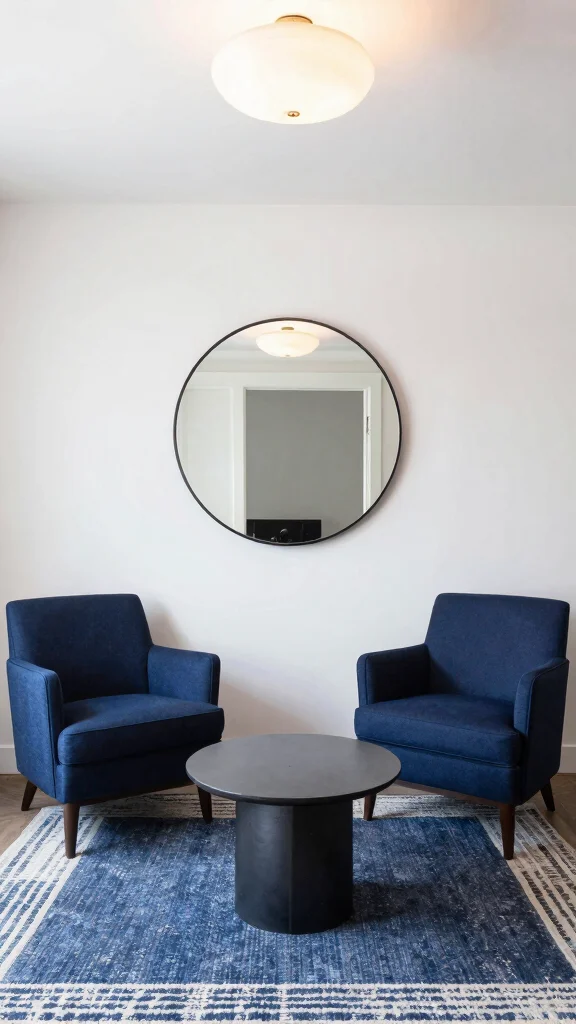
A symmetrical layout creates balance and harmony, making your living room feel organized and serene. By placing matching sofas or armchairs opposite each other, separated by a coffee table, you encourage lively conversation while minimizing clutter. This arrangement not only looks visually appealing but also makes the room feel spacious and less cramped, promoting a calming atmosphere.
To implement this classic design, consider budget-friendly alternatives like thrifted furniture or DIY decor projects. This symmetrical setup aligns beautifully with contemporary design trends that prioritize simplicity and elegance, enhancing your living space’s emotional benefits.
Key aspects of a symmetrical layout include:
– Use identical side tables for each seating option to enhance balance.
– Choose a bold area rug that ties the colors together.
– Hang a large mirror on one wall to reflect light and create an illusion of depth.
– Place decorative items in pairs for a polished look.
This arrangement not only emphasizes a structured aesthetic but also enriches the space with visual interest and thoughtful design.
Recommended Products

Ultra Soft Fluffy 8x10 Area Rugs for Living Room: shag rug treat your feet to cloud-like comfort with our ultra-soft, high-density plush microfiber pile—designed to stay fluffier longer without shedding. Whether walking, sitting, or lying down, each step feels luxuriously soft. Furry fibers resist matting, keeping the plush texture season after season. Ideal for bedroom, living room, or nursery

Upgraded Non-Slip Backing Secure & Safe: Designed with an advanced textured non-slip backing that keeps the rug firmly in place on various floor types. It prevents sliding or bunching, adding safety and stability for households with kids or pets

💓Gentle Vacuuming Recommended: Use LOW-POWER vacuum (≤20AW) or with a soft brush - high suction may snag fibers or lift rug. Warning: Avoid standard/heavy-duty vacuums (clogging risk). It is perfect as grey rectangle rug for dining room tables, persian rugs for living room, large bedroom carpet, nursery area rug
3. Multifunctional Furniture Magic
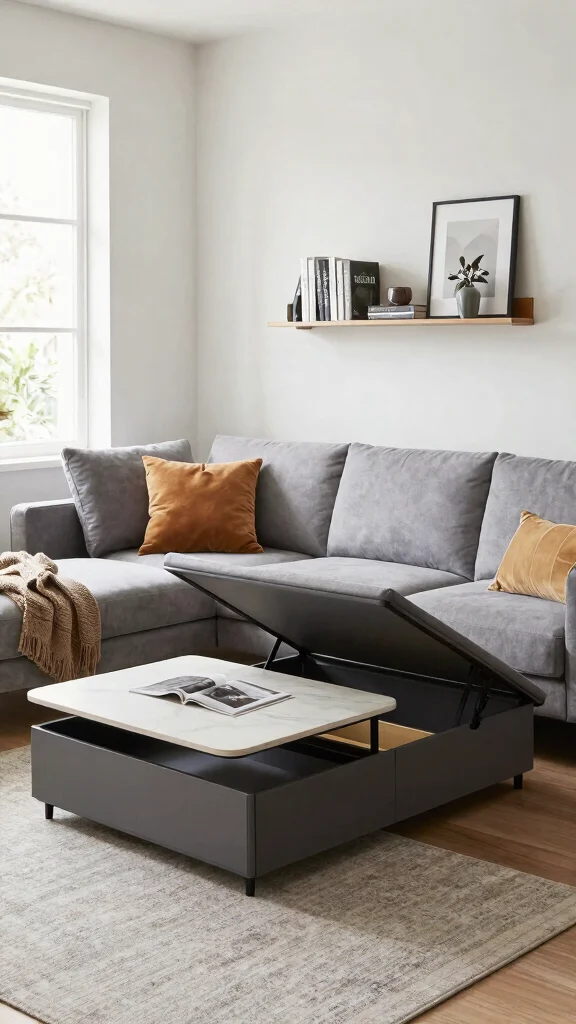
In small living rooms, multifunctional furniture is a game changer. Pieces like a sofa bed or an ottoman that doubles as storage provide versatility without compromising style. An L-shaped sectional with a pull-out bed serves as both seating and sleeping space for guests, while coffee tables with hidden compartments keep clutter at bay.
To incorporate multifunctional furniture seamlessly, choose clean-lined designs that maintain an open feel. Explore stylish storage solutions that complement your decor, ensuring functionality meets aesthetics. This practical approach aligns with the growing trend of maximizing space while creating inviting environments that enhance emotional well-being.
When incorporating multifunctional pieces:
– Choose furniture with clean lines to maintain an open feel.
– Invest in stylish storage options that blend with your decor.
– Utilize wall-mounted shelves to minimize floor space taken up by bulky furniture.
– Opt for ottomans that can serve as both seating and tables.
This arrangement keeps your living room practical and stylish, ensuring you can entertain guests without sacrificing comfort.
Recommended Products

MODERN BLACK RING DESIGN, 2 PACK: Two faux String of Pearls set in 7.87" black ring planters with white pebbles and a jute hanging rope. Overall drop is ~16" — a bold, boho-modern wall accent that stands out against light OR dark walls. Ready to hang right out of the box.

PREMIUM MATERIAL & SIZE: The eucalyptus wall hanging is made of environmentally friendly plastic, natural hardwood and yellow jute twine. The width of the high quality wooden stick is 17 inches and the length of the artificial eucalyptus plant varies from 11-17 inches. Each item has 11 number of big hanging branches, please feel free to customize according to your need.
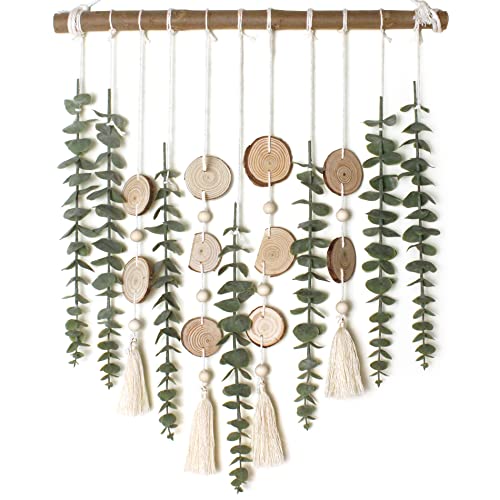
【 Elegant Simple Boho Wall Decor】Compared with other similar items the design of our hanging eucalyptus wall decor is more unique. Our designer added wood beads and chips,fringe to create a natural, earthy, peaceful, bohemia vibe.Our this style also comes with two beautiful butterfly as gift to decorate with.You could clip it on the wood stick or strand.
4. Open Concept Flow
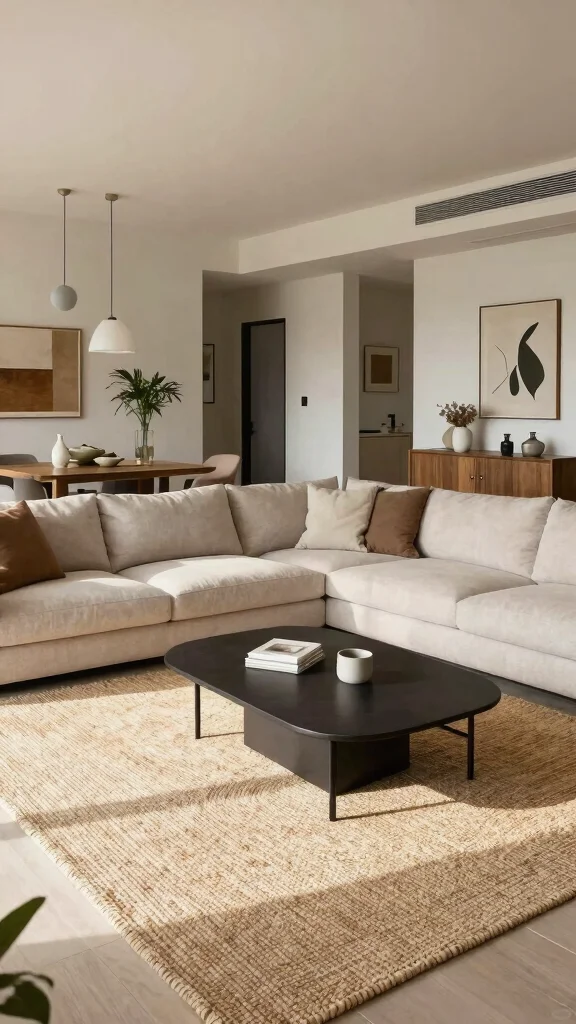
An open concept layout breathes life into small living rooms, enhancing the flow between spaces like the kitchen or dining area. This design fosters a sense of spaciousness and connectivity, making the entire area feel more inviting. Use rugs to define different zones without erecting physical barriers, allowing for a harmonious transition throughout.
To achieve this seamless flow, select furniture that complements each other in color and style, unifying the space. Consider budget-friendly options, like a DIY console table, to enhance storage while maintaining aesthetic appeal. This arrangement resonates with modern trends that emphasize openness and community, allowing for effortless entertaining.
Consider these tips:
– Use furniture that complements each other in color and style to unify the space.
– Place a long console table against a wall to create a natural transition between rooms.
– Incorporate plants to help define areas and add texture.
– Utilize decorative screens to subtly separate zones while enhancing style.
This approach not only fosters community but also enhances the overall aesthetic of your living area.
Open Concept Flow makes small living rooms feel larger and more inviting. Pair cohesive colors and furniture styles, and use rugs to define zones—no walls needed. These living room furniture arrangement ideas prove you can connect kitchen, dining, and chat-ready spaces on a budget.
Recommended Products

SPACIOUS AND COMFORTABLE: Our loveseat will be a favorite spot for leisure in your home. It is 65.2 inches wide and spacious enough for 2 or 3 people. The thick spring foam cushion and breathable fabric create a soft and supportive base and backrest, allowing you to rest and entertain throughout the day without discomfort. The wooden legs and frame of this sofa are made from FSC-Certified wood.

3 PIECES INCLUDED - XINEAGE premium stretch sofa cover is exclusive designed for those couches with 2 extra large cushion, which includes one couch cover and two extra large cushion covers, a Must-have magic sofa covers for 2 extra large cushion couch! Because the cushions cover are separated, they will fit better, looks like a customized slip cover. Also, the strong elastic edge and extra straps on bottom help secure the cover and ensure 100% NON-SLIP (Note: 1 Cushion size has no extra straps)

【SMALL MODERN LOVESEATS】The smooth and simple lines of the sofa combined with the black iron legs make the sofa modern and minimalist. This inexpensive small double sofa is the perfect choice for your temporary furniture change, available in four colors and four options for small apartment configurations, living room, office, dormitory, and bedroom furniture
Open Concept Flow
Editor’s Choice




5. Create Zones with Rugs
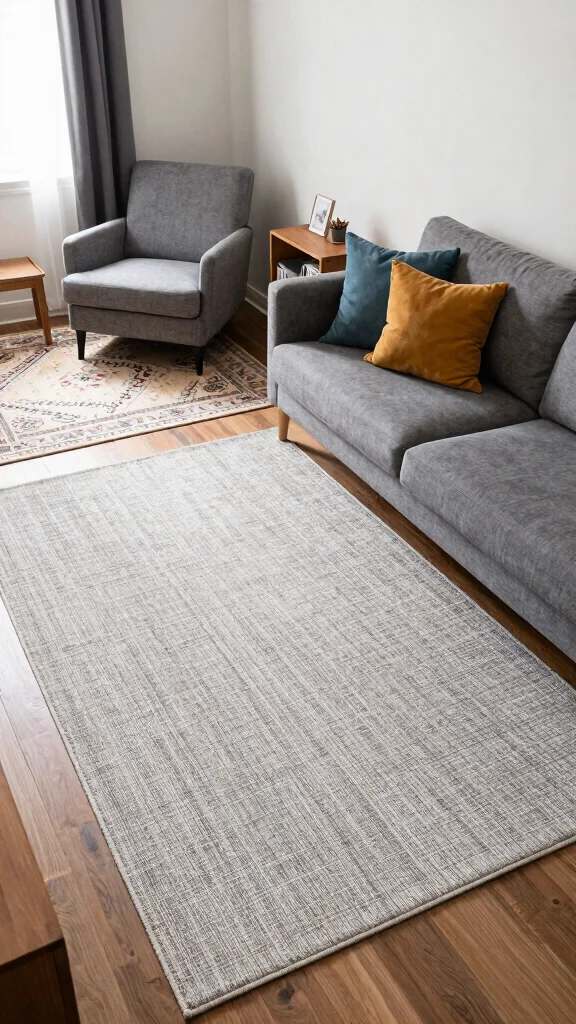
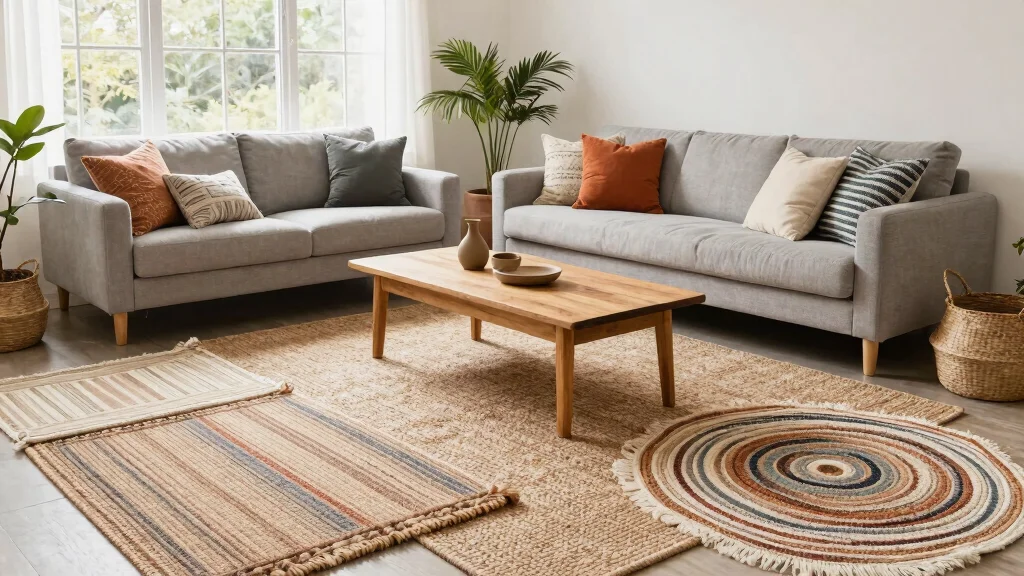
Using rugs to create distinct zones in your living room is an effective way to maximize space while defining areas for specific activities. A large area rug can anchor your furniture, clearly separating the sitting area from a reading nook or workspace. This thoughtful approach enhances both aesthetics and functionality, making your space feel more organized.
To effectively implement this technique, choose rugs that complement your furniture in color and texture. Ensure the front legs of your sofa and chairs rest on the rug for a cohesive look. Layering rugs can add visual interest, especially if you love eclectic decor styles, enhancing the emotional warmth of your living room.
To effectively use rugs:
– Choose a rug that complements the furniture in color and texture.
– Ensure the front legs of your sofa and chairs are on the rug.
– Layer rugs for added visual interest in eclectic styles.
– Use rugs with bold patterns to create focal points in different zones.
This technique not only enhances aesthetics but also improves functionality by clearly delineating different activities.
Mastering living room furniture arrangement ideas is easier when you create zones with rugs. Anchor the seating with a large rug, then carve out a reading nook or workspace—watch small spaces feel organized and welcoming.
Recommended Products

【2-Tier Coffee Table】WLIVE round coffee table has 4-tier open shelf, and the high-strength wooden tabletop can be used to place tea cups, books, tissues and other daily necessities. This coffee table round will blend in perfectly with your living room and add a touch of mid-century modern to your home.

【Farmhouse Two-tone Design】This charming coffee table is in a farmhouse-style design, which adds a touch of country-inspired charm to your home while the white metal frame and bottom tier provide a bright and airy feel. The top tier is featured in a dark walnut board, adding a touch of rustic elegance to your living space.

【Space-saving】The design of circular nested coffee tables is simple and beautiful, while also practical, allowing for the use of different sizes of tables as needed. Due to the nesting design, multiple coffee tables can be stacked together, saving space, especially in small spaces.
📹 Related Video: 10+ Easy Layout Configurations & How To Arrange Living Room
6. The Diagonal Layout
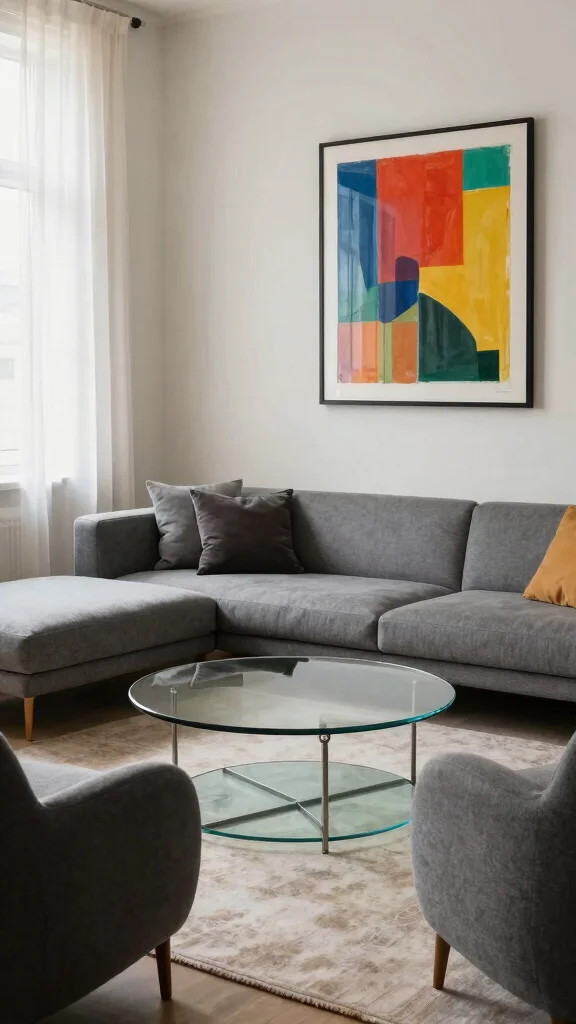
Arranging your furniture diagonally can infuse energy into a small living room. This layout utilizes space more effectively, often making the area feel larger and more dynamic. By positioning your sofa at an angle, you create a sense of movement, inviting guests to interact with the space.
To create a diagonal layout, consider using a round coffee table that complements the angles and encourages flow. Accent chairs can be easily moved to adapt to different occasions, ensuring flexibility in your design. This arrangement aligns with current trends that favor creativity and unique configurations, promoting a lively atmosphere.
To create a diagonal layout:
– Place your sofa at an angle rather than flat against the wall.
– Use a round coffee table for better flow and to complement the angles.
– Consider accent chairs that can be easily moved for different occasions.
– Incorporate a large area rug to tie the arrangement together.
This diagonal arrangement not only enhances visual interest but also promotes easier movement throughout your space.
Recommended Products
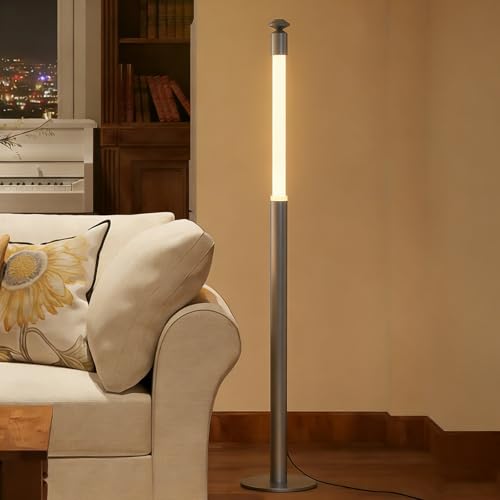
【Slim & Space-Saving Modern Design】This slim LED tall lamp takes up minimal space and fits perfectly beside sofas, corners, beds, or desks, upgrading your home with a clean, modern aesthetic. With fine surface treatment and strict quality control, it combines practical function and stylish appeal to match any contemporary room decor.

White Modern Floor Lamp: This floor light fits in any room from industrial to modern or traditional décor. Its simple and elegant design can make it easy to place in any room of the house.

MAGNETIC REMOTE + FOOT SWITCH DUAL CONTROL: The wireless remote magnetically attaches to the lamp pole or any metal surface for easy access. Plus a convenient foot switch for hands-free operation. The GOEBLESON floor lamps set of 2 are such convenient for setting the smart lighting from the comfort of your couch or bed, or while holding a baby. Remote includes batteries and works across from the room
The Diagonal Layout
Editor’s Choice



You might also like

7. Nested Furniture Arrangement
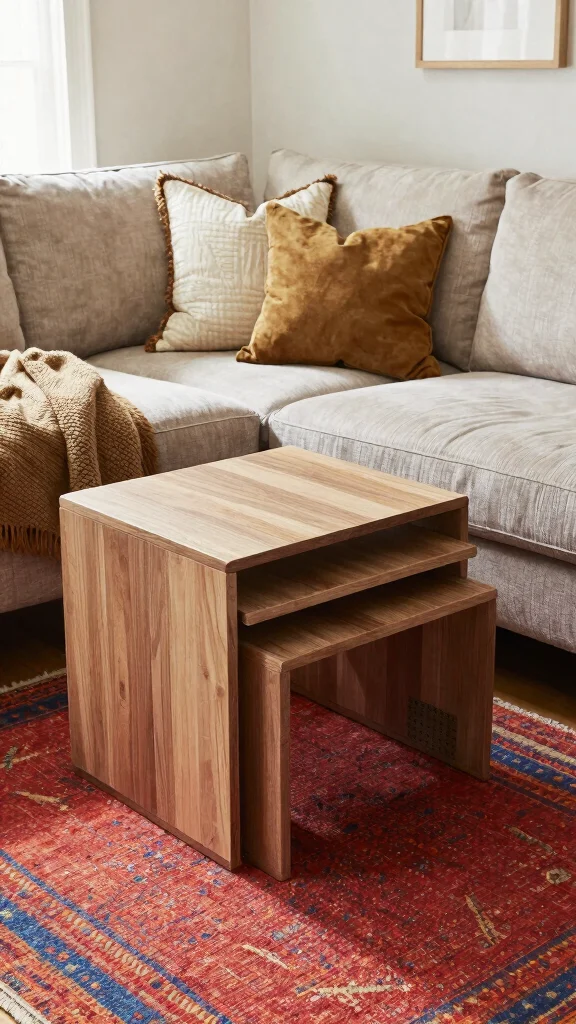
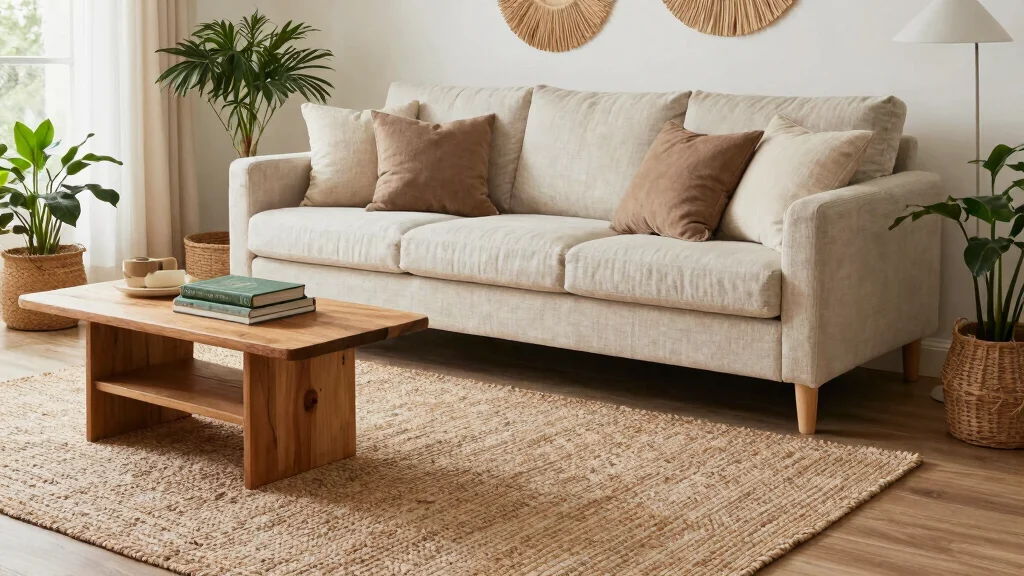
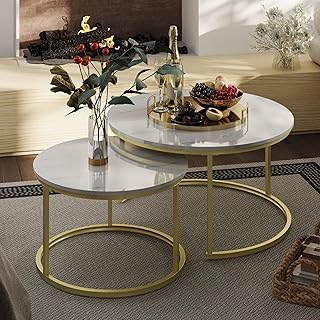
For those seeking versatility, a nested furniture arrangement is a fantastic choice. Nesting tables or stools can be tucked away when not in use and pulled out for gatherings, adding extra surface space without cluttering the area. This arrangement is ideal for smaller living rooms that often host visitors.
To implement this stylish solution, choose nesting pieces that match your decor and can be easily moved. Position your main seating to allow easy access to these versatile items, maintaining a seamless flow. This approach aligns with design trends that prioritize flexibility and functionality, ensuring your space feels inviting and organized.
To implement this:
– Choose nesting pieces that match your decor and can be easily moved.
– Position your main seating for easy access to the nested items.
– Incorporate a stylish tray on top of a nesting table for a polished look.
– Use decorative objects to enhance the nesting area’s appeal.
This approach beautifully blends functionality with style, making your living room both organized and flexible.
Recommended Products


Luxurious Comfort: The 0.25" low-pile design offers the ideal balance of softness and practicality. It fits easily under doors or furniture without obstructing movement. The fuzzy faux wool feels gentle on bare feet, softening hard floors and creating a relaxing oasis in your home

Soft Rugs for Living Room: Made of 100% polyester with low pile, immerse your feet in softness. You can read on the floor rug, work or take a nap, and enjoy leisure time
Nested Furniture Arrangement
Editor’s Choice


8. Floating Furniture Arrangement
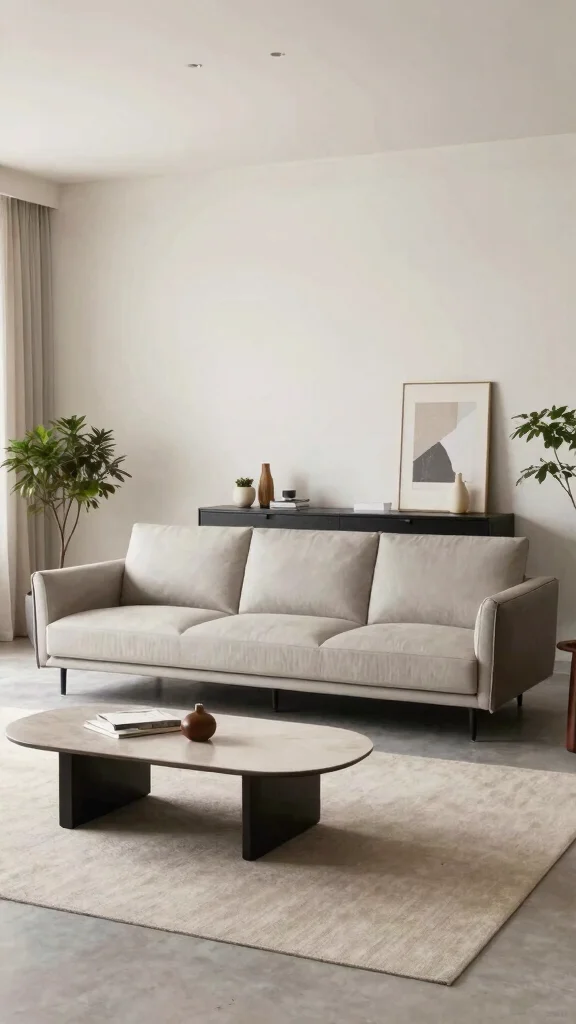
A floating furniture arrangement can create a sense of spaciousness while freeing up floor space for movement. Instead of pushing all your furniture against the walls, try placing it away from them to foster a more intimate setting that feels cozy and inviting. This layout encourages interaction and makes the space feel larger than it is.
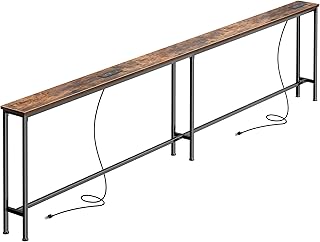
To achieve this setup, position your sofa centrally in the room with a coffee table in front. Adding a console table behind the sofa not only provides additional storage but also enhances decor. This arrangement aligns with contemporary design trends that emphasize openness and social interaction, making your living room a welcoming space.
Here’s how to do it:
– Position your sofa centrally in the room, with a coffee table in front.
– Use a console table behind the sofa for additional storage or decor.
– Keep the edges open to maintain flow and avoid clutter.
– Create conversation areas by grouping chairs around the coffee table.
This arrangement maximizes functionality while creating a warm and inviting atmosphere.
Recommended Products

PREMIUM MATERIAL & SIZE: This eucalyptus wall hanging is made of environmentally friendly plastic, natural hardwood and jute twine. The width of the high quality wooden stick is 17 inches and the total height of the artificial eucalyptus plant is 21 inches. Each item has 7 number of big hanging branches, 4 numbers boho decorations consists of beads,wooden balls,natural chip cutting and tassels.Please feel free to customize according to your need.

MODERN WOOD RING DESIGN, 2 PACK: Two faux String of Pearls set in 7.87" wood ring planters with wood pebbles and a jute hanging rope. Overall drop is ~16" — a bold, boho-modern wall accent that stands out against light OR dark walls. Ready to hang right out of the box.
Floating Furniture Arrangement
Editor’s Choice



9. Modular Furniture for Flexibility
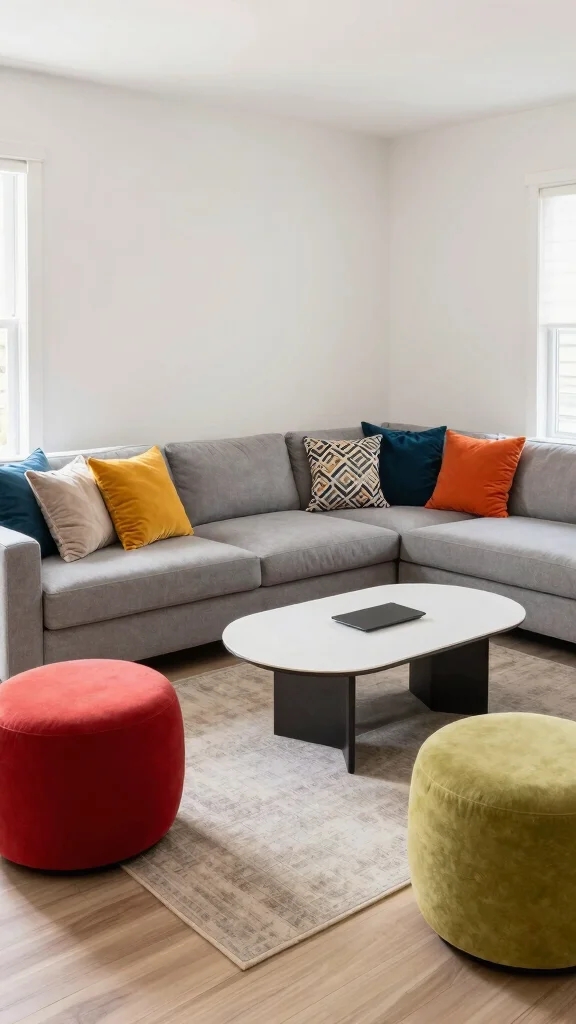
Modular furniture is ideal for small living spaces, offering unmatched flexibility and adaptability. These versatile pieces can be rearranged according to your needs, making them perfect for any occasion, whether it’s hosting friends or enjoying a quiet evening at home. Their modular nature allows you to customize your layout easily.
To incorporate modular furniture, choose sectionals that can be configured in various ways to suit your space. Ottomans or stools can serve dual purposes as seating and tables, enhancing functionality without sacrificing style. This trend speaks to the desire for adaptable living environments that elevate your emotional well-being.
To incorporate modular furniture:
– Choose a sectional that can be configured in different ways.
– Use ottomans or stools that serve as both seating and tables.
– Ensure your modular pieces have a cohesive design to maintain a unified look.
– Consider multi-purpose furniture that adapts to your lifestyle.
This arrangement allows you to create a space that evolves with your needs, enhancing both style and practicality.
Modular Furniture for Flexibility
Editor’s Choice


10. Lighter Colors for Open Feel
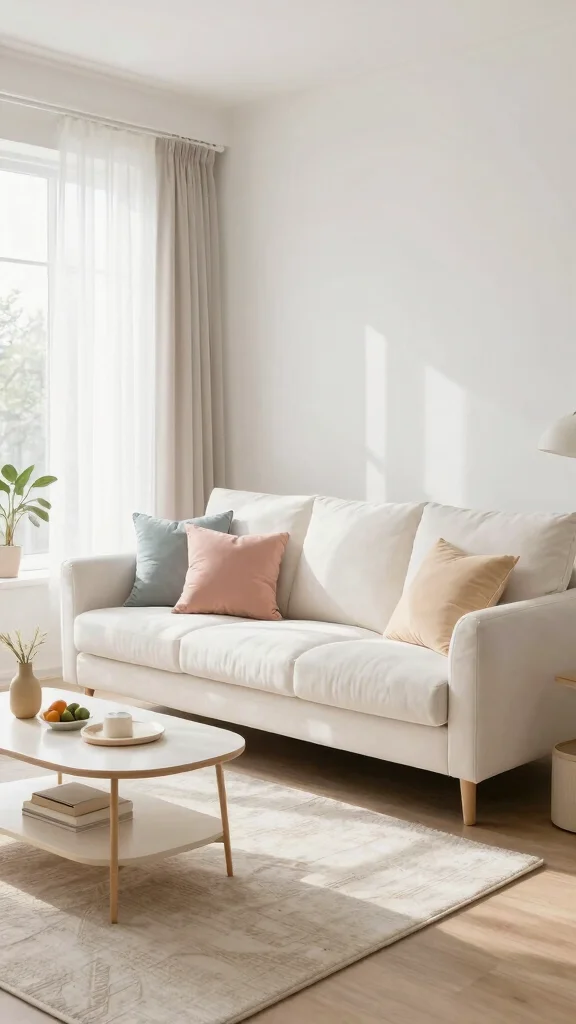
Choosing lighter colors can dramatically influence the perception of space in a small living room. Light-colored furniture and decor create an airy, open feel, making the room appear larger and more inviting. This design approach fosters a cheerful environment that encourages relaxation and socialization.
To implement this idea effectively, opt for light-colored sofas in shades like off-whites or soft pastels. Pair these with a neutral area rug and light curtains to enhance brightness throughout the space. This simple yet impactful change aligns beautifully with design trends that prioritize light, airy aesthetics for emotional uplift.
Here’s how to implement this:
– Opt for light-colored sofas, such as off-whites or soft pastels.
– Pair with a neutral area rug and light curtains to enhance the brightness.
– Use vibrant accents sparingly to maintain a cohesive look.
– Incorporate reflective surfaces to amplify natural light.
This arrangement improves visual flow while making your living room a more inviting and cheerful space.
Fun fact: Light-colored furniture can make a small living room feel up to 30% larger. Pair off-whites or soft pastels with a neutral rug and light curtains. These living room furniture arrangement ideas boost brightness and invite conversation.
11. Use Vertical Space Wisely
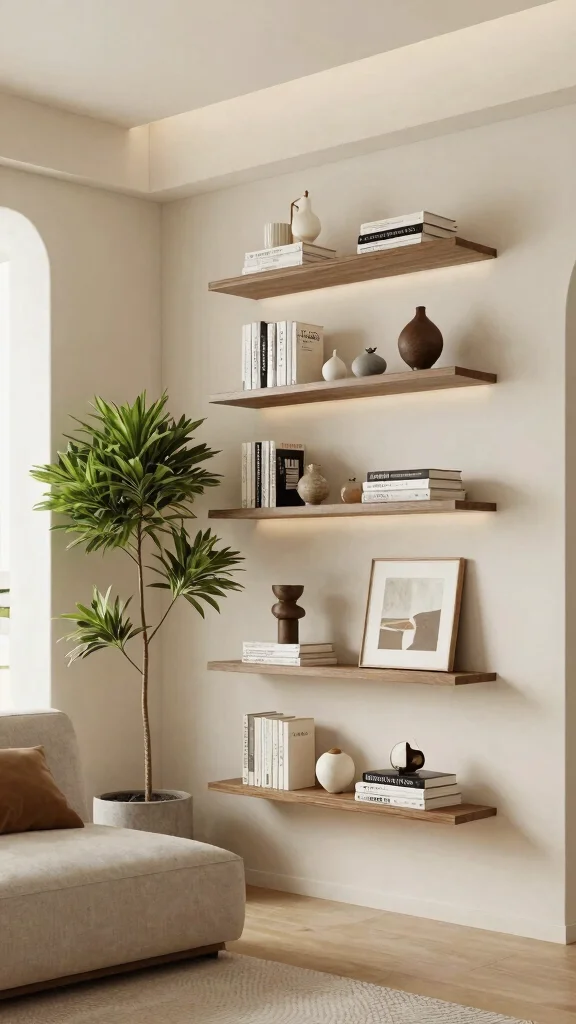
When floor space is limited, maximizing vertical space becomes essential. Utilizing shelves, tall bookcases, or wall-mounted storage draws the eye upwards, freeing up ground space and creating a sense of depth. This approach not only enhances storage but also adds visual interest to your living room.
To make the most of vertical arrangements, install floating shelves to display decor and books without sacrificing floor space. Tall plants or artwork can create focal points that draw attention upward, making the space feel more expansive. This trend aligns with the desire for organized and visually appealing environments that promote emotional well-being.
To make the most of vertical arrangements:
– Install floating shelves to display decor and books without taking up floor space.
– Use tall plants or artwork to create a focal point and draw attention upward.
– Keep furniture low-profile to maintain an open feel.
– Hang decorative items at varying heights for added interest.
This arrangement enhances storage options while creating a more dynamic and engaging living room environment.
You Might Also Like
12. Create a Focal Point
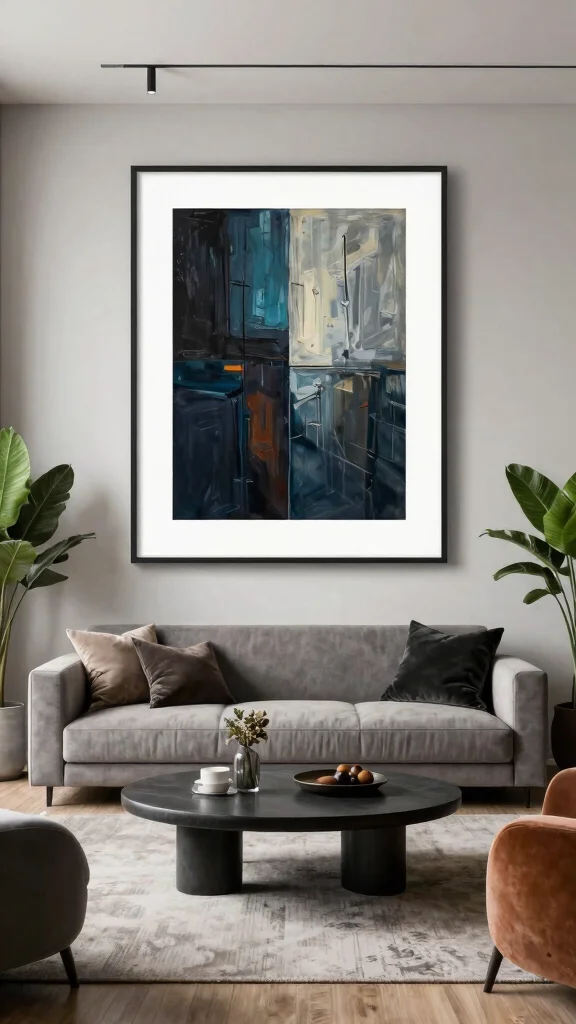
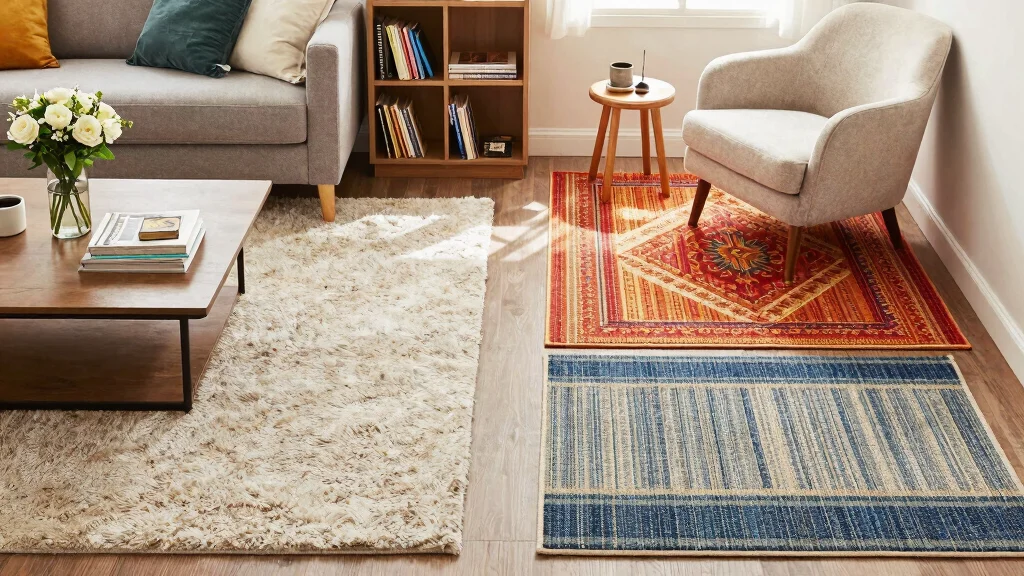
Every room benefits from a focal point, and in a small living room, it’s essential for enhancing flow and visual interest. A well-placed piece of art, a unique furniture item, or a striking light fixture can draw the eye and anchor the space, providing a cohesive design element that ties everything together.
To create a focal point, consider using a bold piece of artwork or an oversized mirror on one wall. A standout coffee table or an unusual accent chair can serve as a conversation starter, enhancing the overall aesthetic. This approach aligns with design trends that emphasize individuality and personal expression, making your living room feel uniquely yours.
For creating a focal point:
– Use a bold piece of artwork or an oversized mirror on one wall.
– Consider a standout coffee table or an unusual accent chair as a conversation starter.
– Balance the focal point with surrounding decor to ensure cohesion.
– Use lighting to highlight the focal point effectively.
This arrangement keeps your living room visually engaging while helping to define the overall style.
13. Layer Lighting for Ambiance
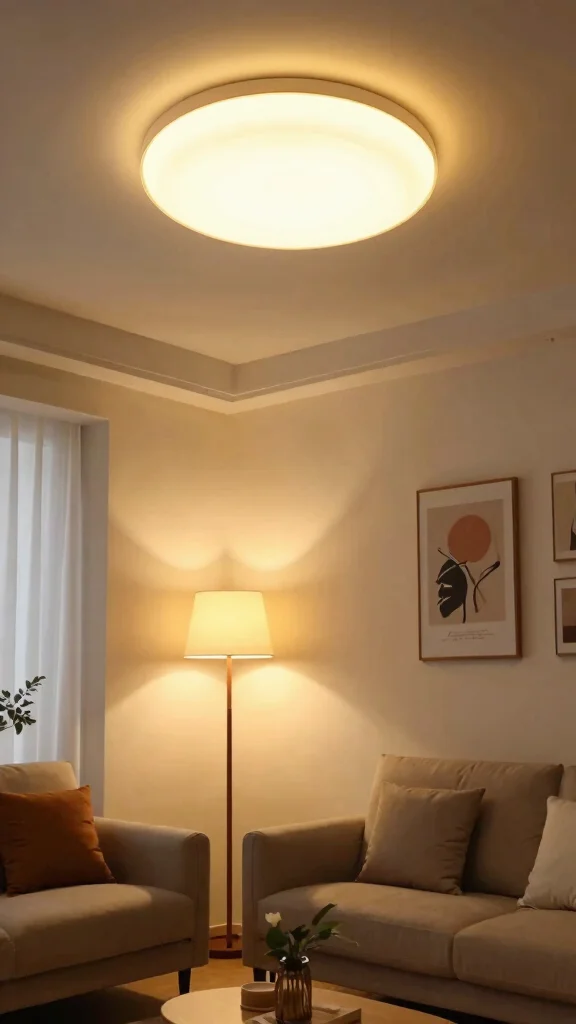
Lighting plays a crucial role in setting the mood of your living room, especially in smaller spaces. Layering different lighting sources can create warmth and depth, enhancing the overall flow and inviting atmosphere. This thoughtful approach makes your living room feel cozy and welcoming, regardless of its size.
To achieve effective lighting, combine overhead fixtures with lamps and accent lights for a well-balanced look. Using dimmers allows you to adjust brightness based on the time of day or activity, creating the perfect ambiance for any occasion. This trend aligns with modern design principles that prioritize comfort and emotional connection in living spaces.
To achieve effective lighting:
– Combine overhead lighting with lamps and accent lights for a balanced look.
– Use dimmers to adjust brightness based on the time of day or activity.
– Highlight architectural features or decor with spotlights or sconces.
– Incorporate string lights for a cozy, inviting feel.
This arrangement ensures your living room feels warm and inviting, enhancing its overall charm and functionality.
14. Personal Touches Make It Home
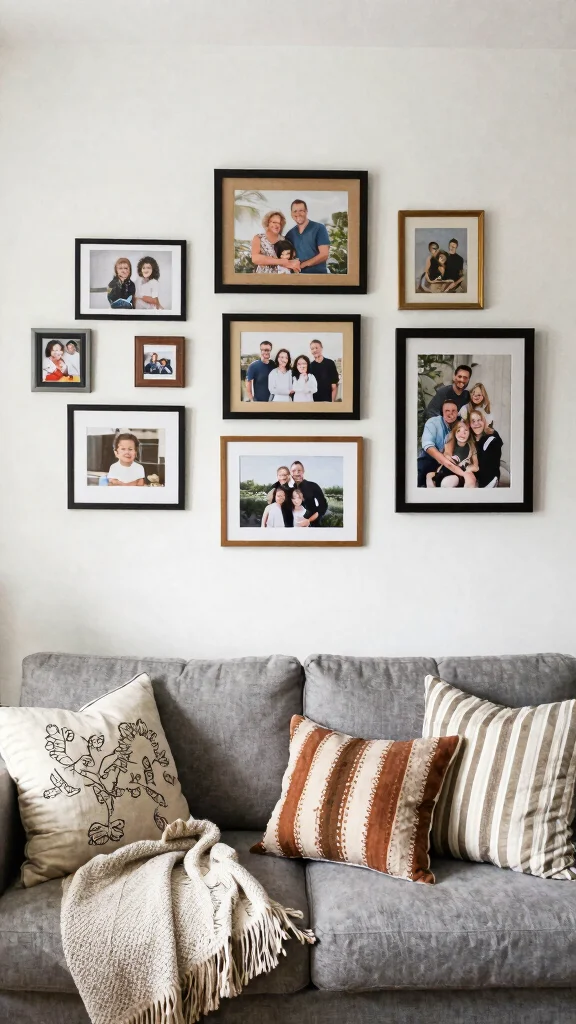
Finally, personal touches are what truly make your living room feel like home. Incorporating unique decor items, family photos, or travel mementos can infuse your space with character and warmth, creating an environment that reflects your individual style. This approach enhances the emotional connection you have with your living area, making it a true sanctuary.
Consider ways to add personal flair to your space. A gallery wall featuring favorite art pieces or family pictures can serve as a stunning focal point. Choose decor items that resonate with your experiences or interests, creating a cohesive narrative throughout the room. This trend emphasizes individuality and creativity, allowing your personality to shine through.
Consider these ways to personalize your space:
– Create a gallery wall with favorite art pieces or family pictures.
– Choose decor items that resonate with your experiences or interests.
– Use color schemes that evoke meaningful memories.
– Incorporate handmade items for a unique touch.
This approach adds warmth and character to your living room while enhancing the overall flow, making it a true reflection of who you are.
Conclusion
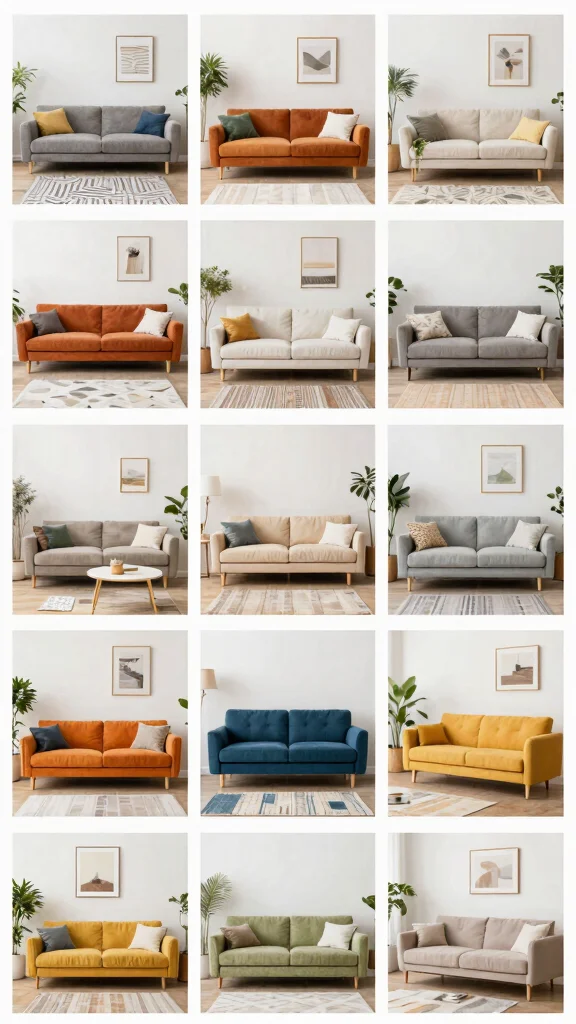
Arranging furniture in a small living room can be both a creative challenge and an exciting opportunity to express your style.
These 14 living room furniture arrangement ideas not only optimize flow but also enhance functionality and personalization. Embrace these ideas to transform your space into a cozy, stylish retreat tailored just for you.
Note: We aim to provide accurate product links, but some may occasionally expire or become unavailable. If this happens, please search directly on Amazon for the product or a suitable alternative.
This post contains Amazon affiliate links, meaning we may earn a small commission if you purchase through our links, at no extra cost to you.
Frequently Asked Questions
What are some living room furniture arrangement ideas for small spaces that create perfect flow?
Small spaces benefit from furniture that defines zones without blocking traffic. Start with a clear focal point (like a mounted TV, fireplace, or artwork) and arrange seating to face it. Use a compact sofa or loveseat with a pair of chairs to form a conversation area, keeping a minimum 3-foot clearance for walkways.
Choose a slim-profile coffee table or nesting tables that can tuck away when needed, and anchor everything with a rug to unify the space and guide the eye. Use vertical storage and wall-mounted shelving to free floor space, which improves room flow optimization. These ideas work as practical small space solutions and create a balanced living room layout that follows solid living room furniture arrangement ideas.
How can I optimize room flow with a smart living room layout and furniture placement tips?
Define a focal point and create three clear zones: conversation, media, and storage. Place the largest piece, usually the sofa, facing the focal point and keep at least 3 feet of clear path around it. Use furniture with slim profiles to maximize open space. Position the TV and media console at a comfortable viewing distance, ideally at eye level when seated. Use area rugs to anchor zones and visually separate areas without walls. When possible, float furniture away from walls to improve air flow and sense of space. These steps align with furniture placement tips, interior design ideas, and room flow optimization.
What are practical small space solutions for arranging a sofa, coffee table, and TV without clutter?
Start by choosing one primary seating orientation and placing the sofa around 6–8 feet from the TV, or ensure a comfortable viewing distance based on screen size. Keep 18–24 inches of clearance around the coffee table for foot traffic. Use a narrow coffee table or nesting tables; a storage ottoman can double as extra seating. If space allows, a corner TV stand or wall-mount saves floor space. Consider a sectional with a chaise to maximize seating without crowding the room. Use a rug to tie the seating area; ensure the rug size fits under all front legs of the pieces to create a cohesive look.
How do I balance interior design ideas with function to improve living room layout in a compact space?
Choose a cohesive color palette and repeat materials to unify the space; simplicity in design helps flow. Declutter and pick multi-functional pieces (storage ottoman, sofa with built-in storage). Use vertical space: tall bookcases, wall shelves, mirrors to reflect light and create depth. Lighting matters: layer ambient, task, and accent lighting to define zones. Keep furniture proportionate to the room; oversized pieces kill flow. Finally, test your layout with tape to visualize traffic paths before moving furniture.
What should I consider if my room has an odd shape or unusual features when applying living room furniture arrangement ideas?
Map the room’s actual shape and measure awkward corners. Use modular or adjustable pieces that can be reconfigured. Create a main seating cluster away from doorways; place the sofa along the longer wall or in a corner to open traffic paths. Use corner seating or a slim console along odd walls to maintain balance. Let natural light guide placement: keep seating away from heavy blocking of windows, or use sheer curtains to maximize light and make the space feel larger. Use a long, narrow coffee table or nesting tables to fit irregular layouts. Finally, lean on small space solutions and living room layout strategies to keep flow optimized.
Related Topics
living room layout
small space solutions
furniture placement tips
interior design ideas
room flow optimization
minimalist design
cozy arrangements
budget friendly
easy setups
open concept living
functional decor
beginner friendly