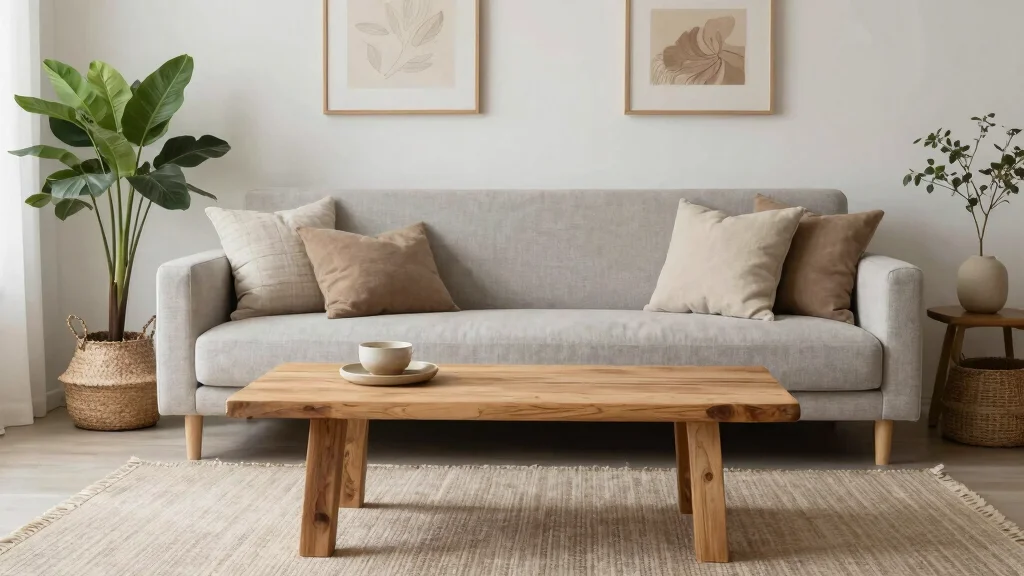
Creating a natural minimalist living room is more than just a trend; it’s a lifestyle choice that embraces simplicity and sustainability. In today’s world, where our spaces often feel cluttered and overwhelming, the idea of a serene, uncluttered living area can be incredibly appealing. I put this post together because I want to inspire you to transform your space into a calming retreat that reflects your values and love for the environment.
If you’re someone who wants to create a peaceful home using eco-friendly decor, minimalist furniture, and organic materials, this guide is for you. Whether you’re a seasoned designer or just beginning your journey into minimalism, you’ll find something here that resonates with you. I pulled together 16 natural minimalist living room ideas that are stylish, sustainable, and perfect for enhancing your overall well-being.
From using earthy tones to choosing sustainable furniture, this post will provide you with practical tips to create a living room that feels both inviting and eco-conscious. You’ll learn how to incorporate natural elements and select eco-friendly textiles that enhance your space without overwhelming it. Let’s dive into these ideas that will help you cultivate a serene environment and reflect your personal style.
Key Takeaways
– Start with a serene color palette featuring earthy tones. This will create a calming atmosphere in your living room.
– Choose sustainable furniture made from organic materials. It not only looks great but supports eco-friendly practices.
– Incorporate soft textiles that add comfort while also being environmentally friendly. Think natural fibers and organic cottons.
– Utilize natural light to brighten your space and enhance its warmth. Consider using sheer drapes or eliminating heavy window treatments.
– Focus on creating open spaces that allow for relaxation and flow. A clutter-free room promotes a sense of peace and tranquility.
Recommended Products

Natural Desert Palette with Earthy Charm: Incorporating muted browns greens and terracotta this set features layered arches and plant silhouettes for a rustic grounded feel Fits beautifully with boho western or neutral toned rooms

【Charming Textured Art】Boho abstract textured wall art feature intricate, tactile designs in neutral black and brown hues, offer a minimalist yet striking statement, bring a layer of sophisticated texture and bohemian warmth to any interior.
1. Embrace Earthy Tones
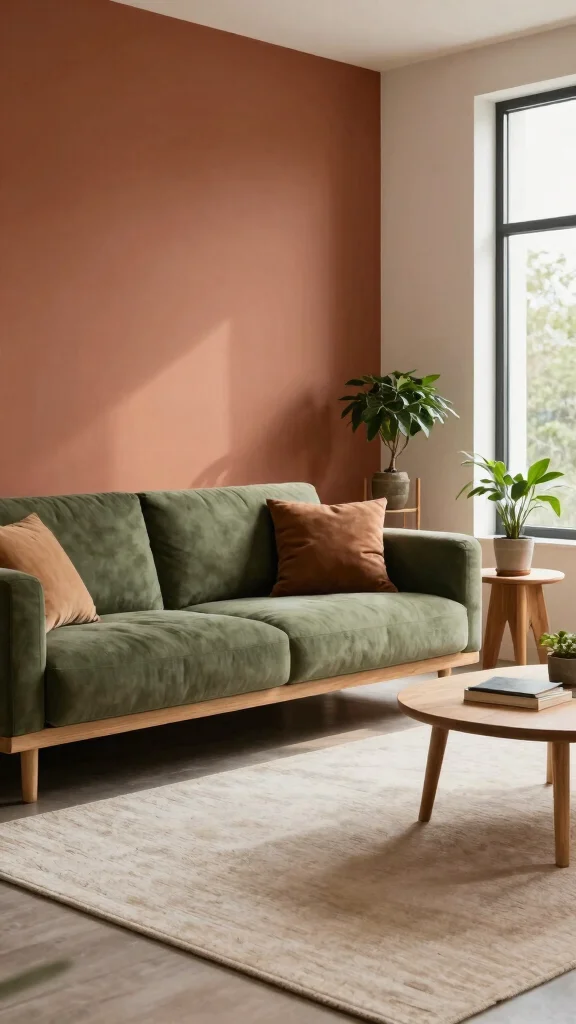
Earthy tones like terracotta, olive green, and warm beige create a soothing backdrop in your living room. These colors harmonize beautifully, evoking a sense of nature and tranquility, making the space feel grounded and inviting. Pair terracotta walls with natural wood furniture or use olive green cushions against a beige sofa for a layered look that invites relaxation.
To make the most of these hues, consider incorporating budget-friendly options. Simple accessories in these colors, like throws or art, can easily transform your space. This palette aligns with current design trends focused on wellness and comfort, enhancing your emotional connection to your home.
Consider these elements to maximize this palette’s potential:
– Pair terracotta pots with lush greenery
– Install warm beige curtains for softness
– Use olive green throws on neutral sofas
– Incorporate wooden accents for warmth
This approach not only adds visual appeal but also fosters a sense of calm, enriching the overall atmosphere of your living room.
Recommended Products

CLASSIC MINIMALIST STYLE: This set of 2 side tables features a simple square silhouette and 1.8" thick tabletop that complements modern, minimalist, or classic room settings in the living room, bedroom, or guest room

MODERN LOW-PROFILE DESIGN: This modern coffee table features a wide minimalist silhouette with clean edges that suits living rooms, apartments, dorms, and small lounges, making the Coffee Table practical and space-saving

COMPACT MEDIA SETUP: Keep entertainment essentials organized without crowding the room. This low-profile tv stand features a wide top for TVs up to 50 inches, two tall shelf spaces, soft corners, and an open frame that supports airflow and cable management
2. Sustainable Furniture Choices
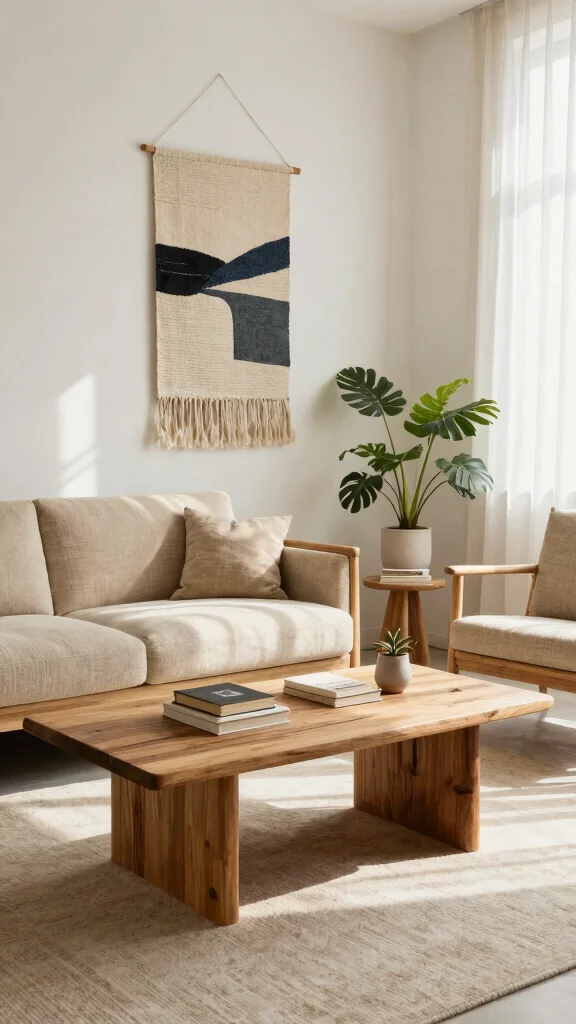
Selecting sustainable furniture for your living room is a wonderful way to blend style with environmental responsibility. Opt for pieces crafted from reclaimed wood or bamboo, which add unique character while reducing your ecological footprint. Minimalist designs with clean lines help maintain an airy feel, ensuring the space feels open and inviting.
You can find affordable options at local thrift stores or support artisans who create sustainable pieces. This aligns with a growing trend towards eco-conscious living, allowing your home to reflect your values while remaining stylish.
Consider these suggestions for finding sustainable furniture:
– Search for reclaimed wood coffee tables
– Incorporate bamboo shelving to save space
– Use multi-functional pieces like ottomans with storage
– Choose minimalist designs for visual lightness
By making these mindful choices, you’ll create a living room that feels authentic and connected to the planet.
Recommended Products
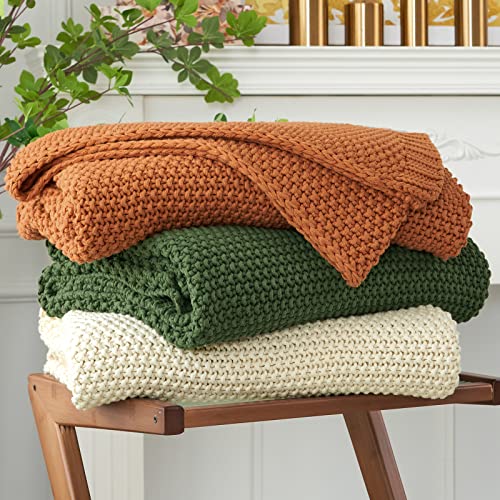
VERSATILE BLANKET: This cable knit accent blanket is functional, comfortable & beautiful. Use the knitted blanket as a baby blanket in the nursery, as a sofa blanket in the living room or as a bed throw blanket in the bedroom.

DESIGNED FOR TRAVEL, MADE FOR EVERYDAY LIFE – Our Dreamsoft Travel Scarf was designed to be your extra comfy layer for cold flights and long travel days, but it’s made so you can use it every day! Wear it to brunch, the office, or on video calls. Adds warmth without a bulky jacket, so you stay comfortable and look put together throughout the day.

PREMIUM 100% COTTON CONSTRUCTION: Crafted with exclusive 4-layer breathable cotton fibers in pure natural structure, premium cotton that delivers a baby-soft Class A texture,our boho throw blanket ensures superior softness & temperature regulation. Measuring 50" x 60" 1.6lb
3. Soft Textiles for Comfort
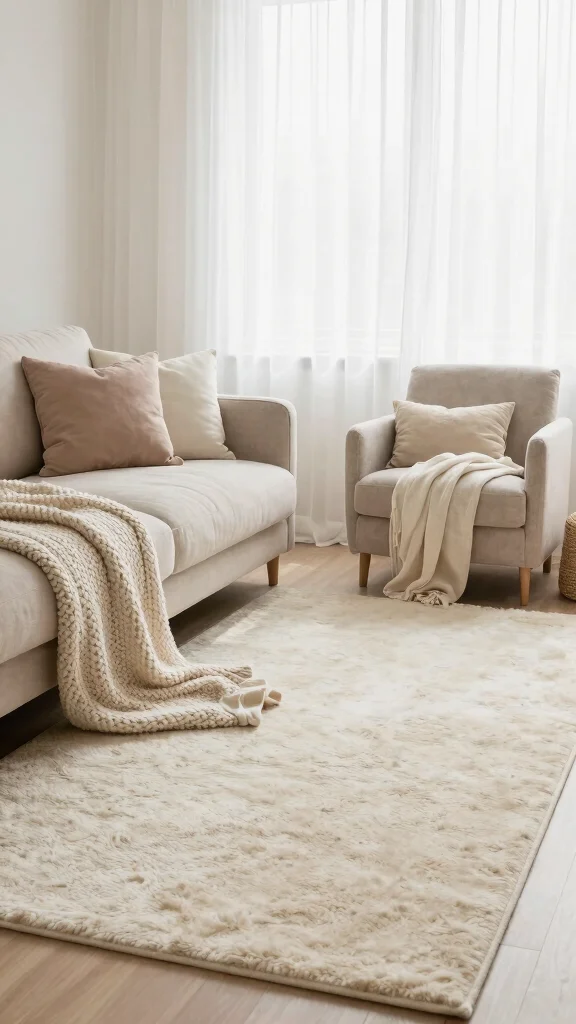
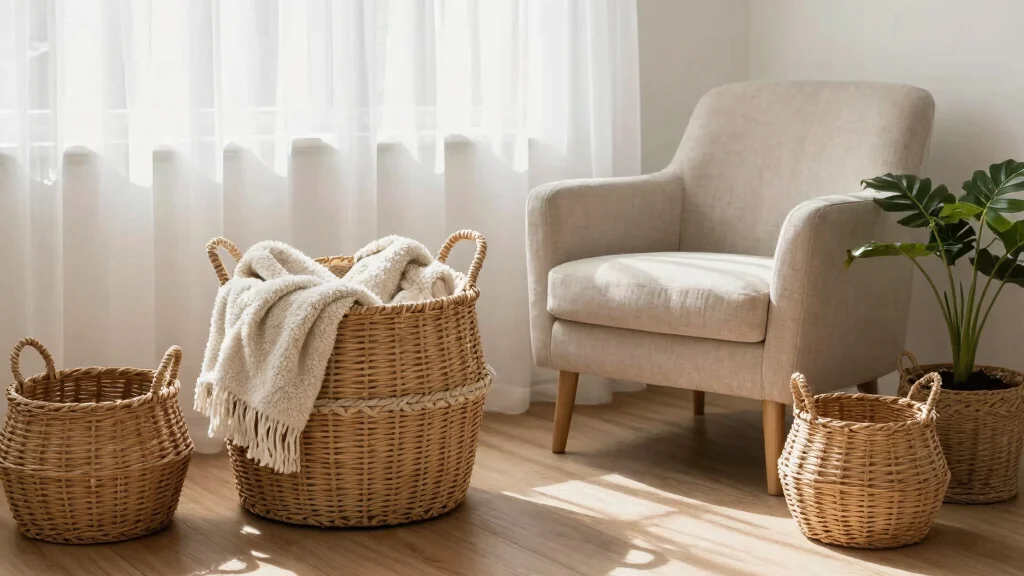
Textiles are crucial for adding warmth and comfort to your natural minimalist living room. Embrace soft, organic materials like cotton, linen, and wool to create layers of coziness. A plush area rug can anchor the space, while a lightweight cotton throw draped over your sofa adds both style and comfort.
Choosing sheer curtains made from natural fibers allows gentle light to filter in, enhancing the room’s serene atmosphere. By mixing diverse textures—like knitted throws and smooth cushions—you create visual interest while maintaining a minimalist vibe.
Consider these tips for textile layering:
– Use a jute rug for natural texture
– Layer cotton throws in neutral shades
– Select linen curtains for airy lightness
– Incorporate different fabric types for visual contrast
This thoughtful combination ensures your living room feels inviting, with each texture enhancing the overall aesthetic.
Recommended Products

100% Natural Jute: Crafted from premium jute fibers sourced from sustainable plants, our rugs are fully handmade and biodegradable. Each rug undergoes rigorous quality inspections to ensure durability and beauty, making it an eco-friendly addition to your home decor.

[HANDMADE CRAFTSMANSHIP]: Expertly hand-woven by skilled artisans from 100% plant-based jute fibers for a thick, richly textured surface and natural warmth; slight color and size variations are normal, ensuring each rug is uniquely handcrafted

[EXPERTLY CRAFTED]: Machine-woven by skilled artisans from plant-based sisal fibers for a rich, textured look and natural feel; slight color variations highlight its natural beauty; fabric border provides a clean, finished edge
🏡 Transform Your Home Today!
Unlock your creativity with this DIY guide to elevate your living space with organic, minimalist touches.
4. Incorporate Natural Elements
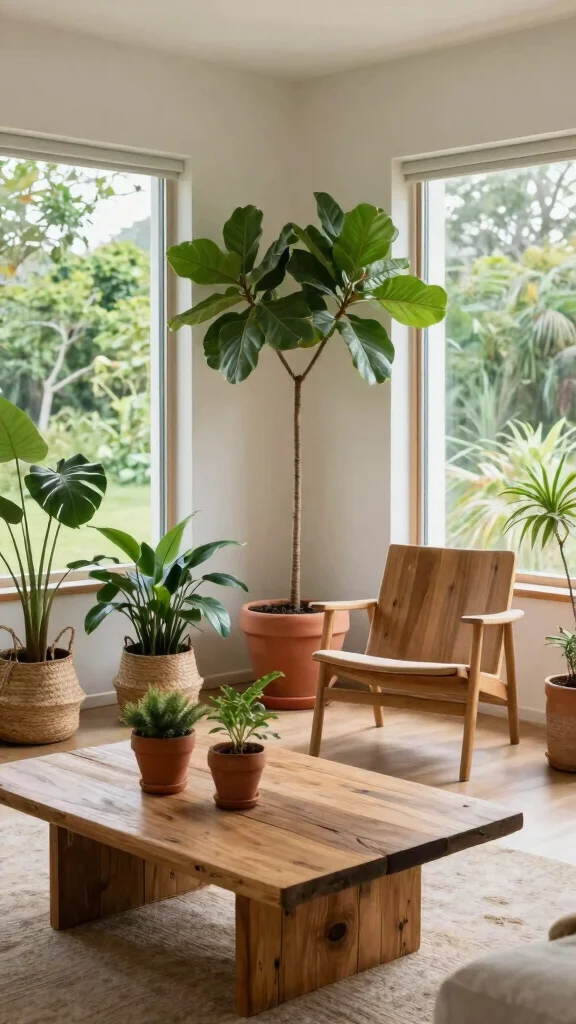
Bringing natural elements indoors is vital for creating a tranquil minimalist living room. Incorporate indoor plants, stones, and wood accents to foster a serene atmosphere. Plants not only improve air quality but also introduce refreshing colors and textures into your space.
Consider a variety of plants—hanging ferns, tall floor plants, and small succulents—to create a dynamic visual experience. Wooden decor items, like driftwood sculptures or bamboo accents, enhance the organic feel of the room.
Here are some suggestions for incorporating natural elements:
– Use terracotta planters for a rustic touch
– Group plants in odd numbers for balance
– Add stone accents for earthy texture
– Position wood elements near natural light
By weaving these elements into your design, you create a living room that feels alive and connected to the outdoors.
Recommended Products

WELL MADE: Sold as 2 panels, each panel is W52" x L84", and W104" x L84" in total. Each curtain panel has 2-in-1 top style design: rod pocket and back tab. With 3-inch inner diameter fit most standard rod. Curtains also can be hung with clip rings. 3 ways meet your various needs.

READY MADE: 2 Linen Curtain Panels per package.Each panel measures 52 inches wide by 96 inches long. Top design of Back tab & loop pocket provide 3 hanging options. <1> hanging from the back patch to create an elegant pleated look, <2> from the 3 inch rod pocket for a classic look <3> Hanging with clip rings for easy, slide open and closed (clip rings are not included)
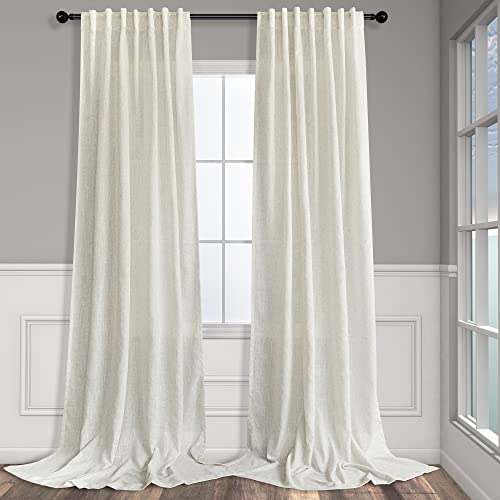
Basic Information: 2 LINEN PANELS in 1 package. Each panel measures width 52 x 84 length. 3-Way Hanging Options: Hang these curtain panels (1) using the back loops to create an elegant pleated effect, (2) from the 3 inch rod pocket for a classic look, or (3) using clip rings for easy, slide open and closed (clip rings are not included)
Key Trade-offs & Our Top Pick
Option 1: Organic Cotton Textiles
– Pros:
– Soft and breathable, making them comfortable for lounging.
– Made from pesticide-free cotton, promoting eco-friendly decor.
– Cons:
– Can be more expensive than conventional textiles.
– Limited color options compared to synthetic fabrics.
– Best for: You if you’re looking for comfort and natural feel without compromising on sustainability.
Option 2: Bamboo Furniture
– Pros:
– Bamboo grows quickly, making it a sustainable furniture choice.
– It’s lightweight yet strong, easy to move around your natural minimalist living room.
– Cons:
– May require more maintenance than hardwood.
– Some might find it lacks the warmth of traditional wood.
– Best for: You if you want stylish, eco-friendly furniture that is easy to rearrange for a fresh look.
Option 3: Reclaimed Wood Decor
– Pros:
– Adds a unique, rustic charm to your space.
– Reduces waste by reusing materials, supporting sustainable design.
– Cons:
– Can be pricey based on craftsmanship and sourcing.
– Not all reclaimed wood is treated for pests, which may require extra care.
– Best for: You if you love the story behind your decor and appreciate handcrafted items.
Option 4: Linen Fabrics
– Pros:
– Naturally breathable and moisture-wicking, great for temperature control.
– Heirloom quality that grows softer with each wash, ensuring long-term durability.
– Cons:
– Can wrinkle easily, which may not suit everyone’s aesthetic.
– Generally more expensive, especially if sourced sustainably.
– Best for: You if you prioritize comfort, style, and quality in your living room textiles.
Option 5: Jute Rugs
– Pros:
– Eco-friendly, as jute is a biodegradable material.
– Adds natural texture and warmth to a minimalist space.
– Cons:
– May be less comfortable underfoot than softer rugs.
– Not the best for high-traffic areas, as they can wear out quicker.
– Best for: You if you want to incorporate organic materials while keeping your space stylish and grounded.
Expert Recommendation:
Best Overall: Organic Cotton Textiles
Organic cotton is our top choice for most people due to its softness, breathability, and eco-friendliness. You get a comfortable, luxurious feel that makes your living room inviting. Plus, these textiles are widely available and versatile, fitting into various decor styles. They also promise long-lasting durability without compromising your eco-friendly values.
Why We Picked This:
While organic cotton shines, you may prefer bamboo furniture for its lightweight nature or reclaimed wood decor for its uniqueness. If you love the rustic vibes, reclaiming wood could be the right fit. For those focused on warmth and texture, linen fabrics are unmatched. Choose based on what resonates with your personal style and practical needs!
Recommended Products

【Aesthetic Neutral Tones】Set of five modern matte vases in beige, taupe, clay, gray, and charcoal. These home decor vases bring natural warmth to living room or office décor, fitting effortlessly into neutral spaces.

【Abstract Beige Brown Wall Art】Transform the atmosphere of your home with exquisite abstract decorative paintings that help you realize your dream comfortable home. These stunning pieces not only enhance your decor but also invite deeper contemplation and appreciation, making them a perfect addition to any art collection.

[Sculptural 3D Relief] Features a 2cm+ (0.8 inches) raised surface depth, creating a tactile landscape with a sandblasted, stone-like texture. This dimensional design interacts with ambient lighting to cast dynamic shadows, serving as a focal point for bedrooms, entryways, or home offices.
5. Create a Relaxing Focal Point
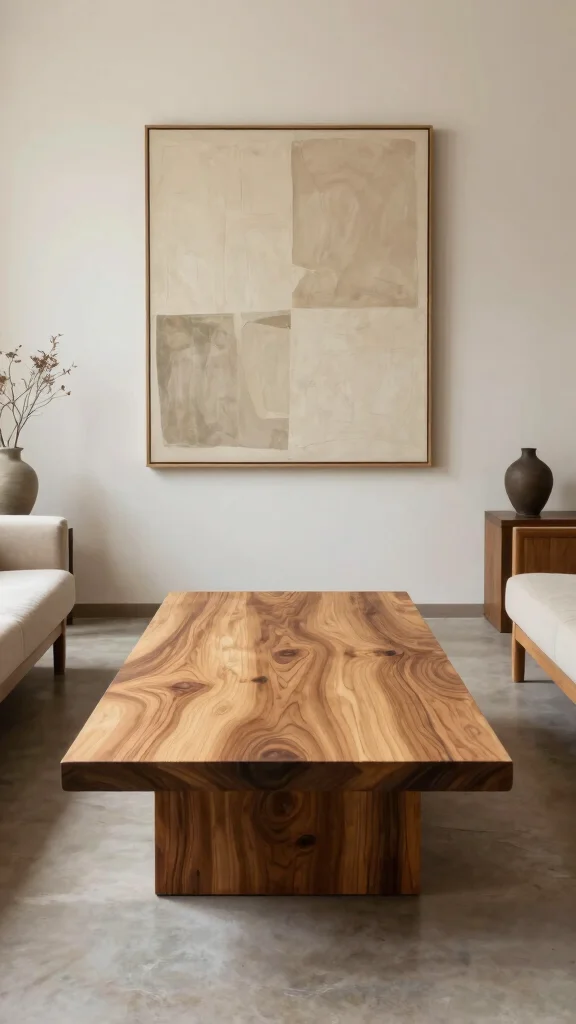
Establishing a focal point enhances the minimalist aesthetic of your living room. Consider a striking piece of art or a sustainably sourced coffee table that draws the eye and embodies natural beauty. Alternatively, a well-curated bookshelf filled with nature-themed books can become a captivating centerpiece.
When crafting your focal point, ensure surrounding decor complements it without distracting from its impact. This balance fosters a harmonious environment that invites relaxation.
Use these tips to highlight your focal point:
– Utilize soft lighting to draw attention
– Keep surrounding decor simple and understated
– Choose natural materials for cohesion
– Position furniture to enhance visibility
This thoughtful approach will create a living room that feels both inviting and effortlessly stylish.
Your focal point is the heartbeat of a natural minimalist living room. Choose one statement piece—art, a sustainably sourced coffee table, or a nature-themed bookshelf—and let surrounding decor breathe. This simple balance invites relaxation and keeps your space effortlessly chic.
Recommended Products

Elegant Mid-Century Modern TV Stand: ONBRILL TV stand with a power outlet is convenient for connecting table lamps, DVDs, and speakers. The TV stand can accommodate up to 80-inch TVs, allowing you to enjoy a large-screen audiovisual feast

NATURAL SCANDI & JAPANDI STYLE: Finished in a soothing natural oak tone with beautiful fluted detailing, this round coffee table brings an airy, organic vibe to your home. Its warm, light wood aesthetic perfectly embodies the Scandi and Japandi styles, making your living room feel brighter, larger, and more inviting—ideal for creating a calming sanctuary.
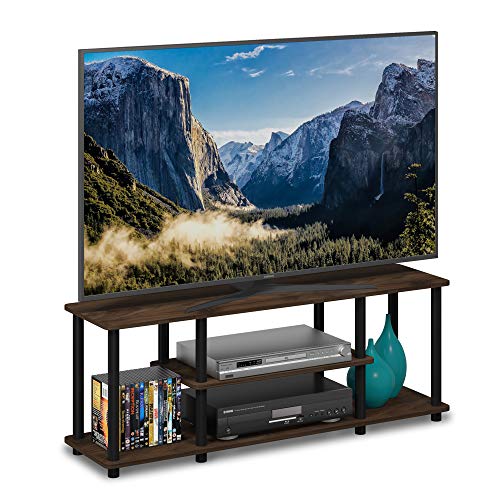
COMPACT MEDIA SETUP: Keep entertainment essentials organized without crowding the room. This low-profile tv stand features a wide top for TVs up to 50 inches, two tall shelf spaces, soft corners, and an open frame that supports airflow and cable management
6. Utilize Natural Light
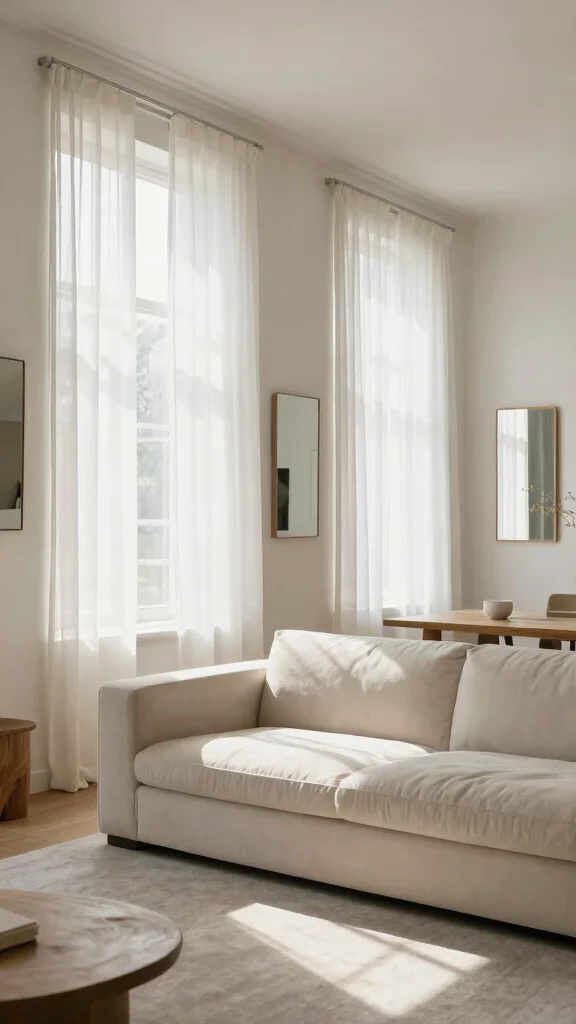
Natural light significantly enhances the ambiance of your living room. Opt for window treatments that allow sunlight to pour in, like sheer curtains or organic fabric shades. Position mirrors thoughtfully to reflect light, making your space feel larger and more open.
Arrange furniture away from windows to keep the light flowing freely. This not only brightens the room but also highlights the beauty of organic materials used in your decor.
Consider these insights for maximizing natural light:
– Select light, airy fabrics for window treatments
– Place mirrors opposite windows for reflection
– Choose furniture that allows light to pass through
– Keep surfaces clear for unobstructed light flow
This strategy invites a sense of openness and warmth into your living space.
Recommended Products

Stylish Design: Experience the ultimate in versatility with throw blanket, meticulously crafted from 100% organic cotton woven fabric in the timeless waffle weave pattern for unparalleled softness and warmth. Perfect as couch blanket or as a travel cotton blanket, picnic blankets, boho decor, outdoor couch, Boho bedding and more. It is a cooling blanket that adds cozy allure to you during summer and warm blanket that you can cuddle up during winter.

DESIGNED FOR TRAVEL, MADE FOR EVERYDAY LIFE – Our Dreamsoft Travel Scarf was designed to be your extra comfy layer for cold flights and long travel days, but it’s made so you can use it every day! Wear it to brunch, the office, or on video calls. Adds warmth without a bulky jacket, so you stay comfortable and look put together throughout the day.

🌿 Breathable Comfort: Experience unparalleled comfort with our 100% Cotton Knit Throw Blanket. This cozy blanket is Oeko-TEX Certified, ensuring a breathable and soft texture, perfect for year-round use. Perfect for those who love plush texture and boutique-style coziness.
7. Go for Minimalist Lighting Fixtures
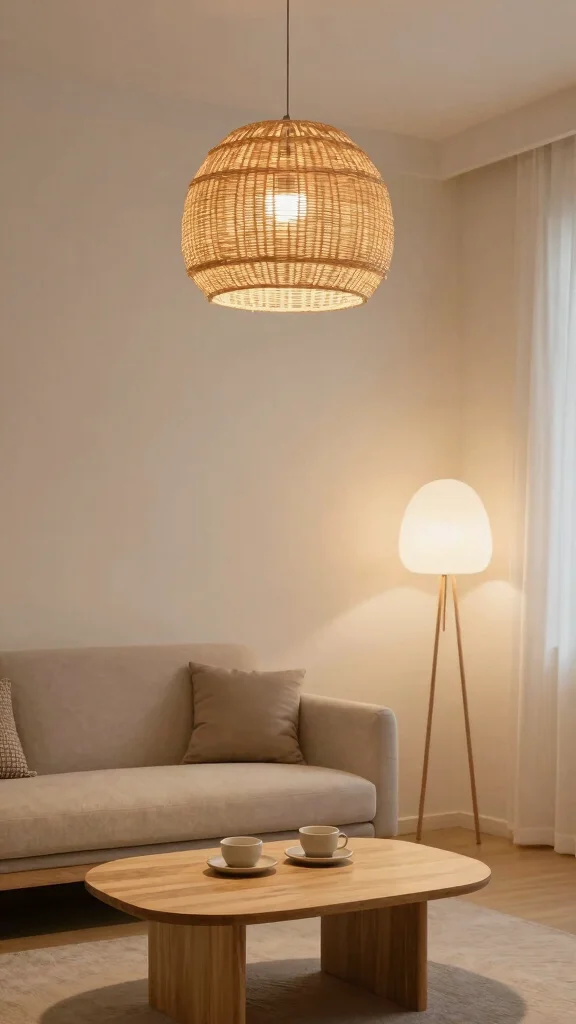
Lighting fixtures can greatly influence the atmosphere of your natural minimalist living room. Select designs that are simple yet elegant, such as pendant lights made from woven rattan or earthy-toned metals. A minimalist floor lamp can serve as both a source of light and a stylish element in the room.
Ensure that your lighting complements the overall decor without overshadowing it. Warm-toned bulbs create a cozy ambiance, perfectly aligning with the minimalist design.
Use these tips for effective lighting:
– Choose dimmable fixtures for flexibility
– Incorporate natural materials for cohesion
– Highlight specific areas with focused lighting
– Maintain a consistent style throughout
These choices will elevate your living room’s aesthetic, creating a warm and inviting environment.
Recommended Products

🛋️ Fits all Interiors : This Versatile Neutral Boho Rug 8' x 10' area rug blends natural jute and wool to create a stylish boho rug that fits beautifully in living rooms, bedrooms, dining rooms, and entryways. Its neutral tones in tan color and textured weave make it ideal as a large area rug for living room décor, farmhouse interiors, or modern natural fibre spaces.

[HANDMADE CRAFTSMANSHIP]: Expertly hand-woven by skilled artisans from 100% plant-based jute fibers for a thick, richly textured surface and natural warmth; slight color and size variations are normal, ensuring each rug is uniquely handcrafted
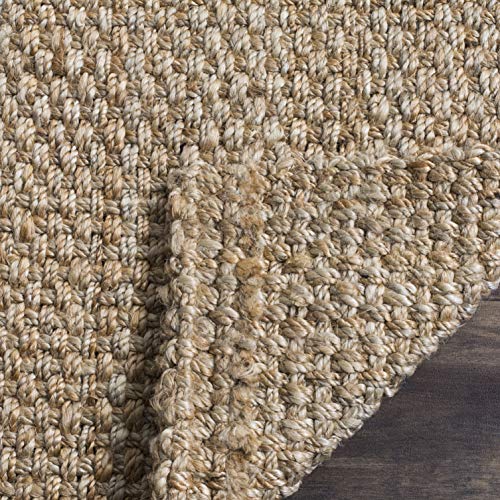
[HANDMADE CRAFTSMANSHIP]: Expertly hand-woven by skilled artisans from plant-based jute fibers for a rich, textured look and natural feel; slight variations in color and size make each area rug truly one-of-a-kind
You might also like
8. Showcase Handmade Decor
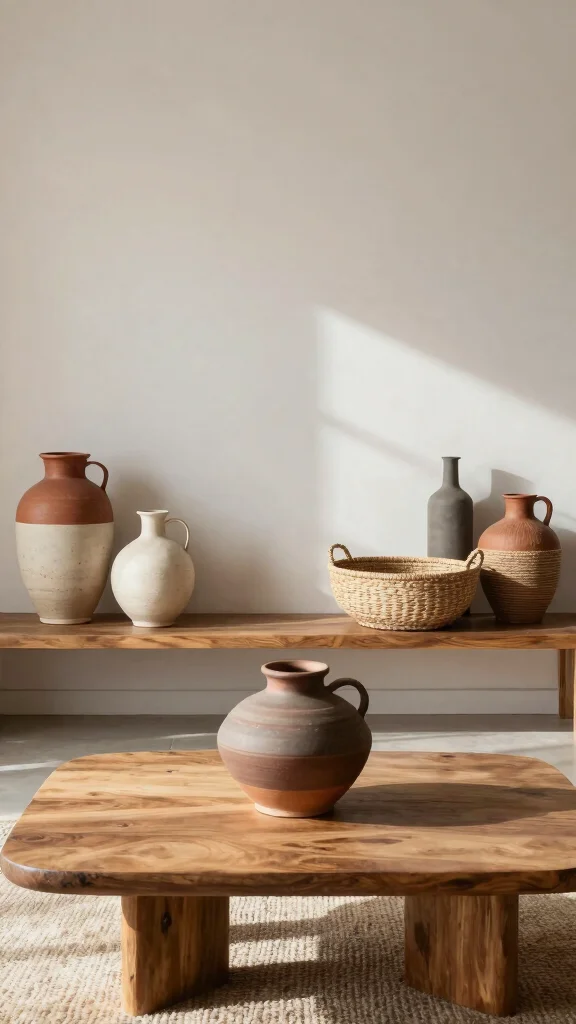
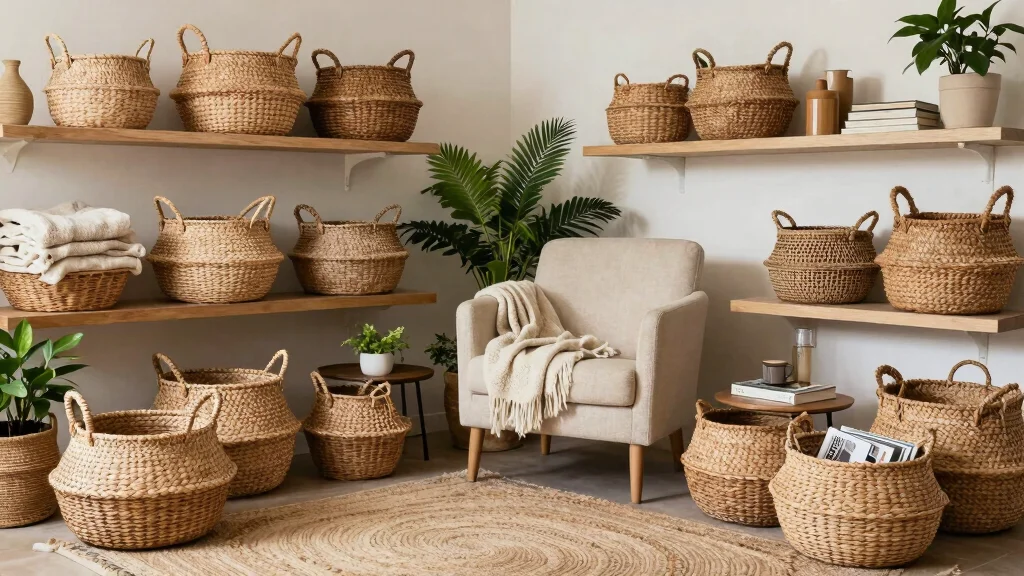
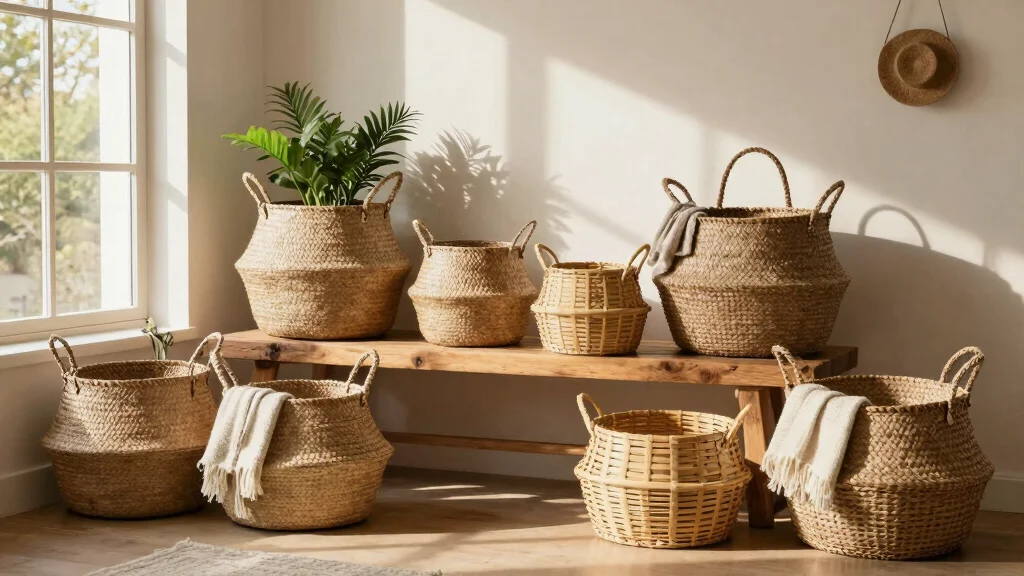
Incorporating handmade decor pieces adds a personal touch to your living room while supporting eco-friendly artisans. Seek items crafted from organic materials, such as ceramic vases, handwoven baskets, or unique pottery. These pieces provide character and warmth, enhancing the overall atmosphere of your home.
Display them thoughtfully on shelves, coffee tables, or mantles to create visual interest without clutter. Mixing various textures and styles in handmade decor can enrich the organic feel while keeping the space minimalist.
Consider these suggestions for showcasing handmade decor:
– Create a gallery wall with handmade art
– Use unique pottery as functional decor
– Arrange baskets for both storage and display
– Incorporate natural fibers for warmth
This approach elevates your living room’s style while celebrating craftsmanship.
Recommended Products
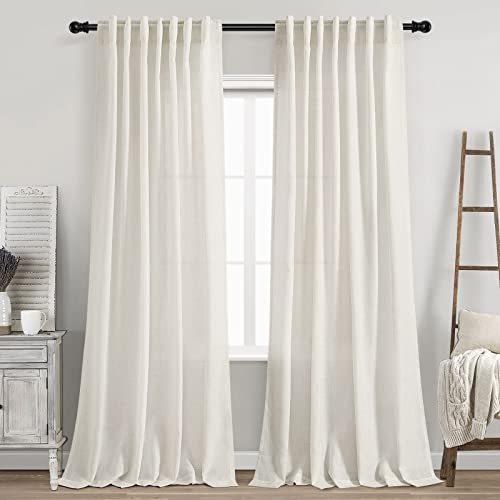
READY MADE: 2 Linen Curtain Panels per package.Each panel measures 52 inches wide by 84 inches long. Top design of Back tab & loop pocket provide 3 hanging options. <1> hanging from the back patch to create an elegant pleated look, <2> from the 3 inch rod pocket for a classic look <3> Hanging with clip rings for easy, slide open and closed (clip rings are not included)
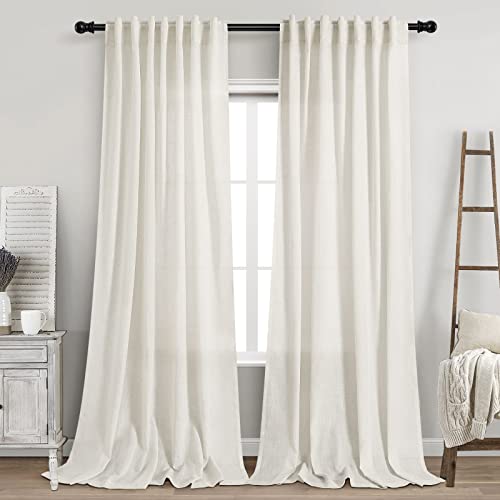
READY MADE: 2 Linen Curtain Panels per package.Each panel measures 52 inches wide by 102 inches long. Top design of Back tab & loop pocket provide 3 hanging options. <1> hanging from the back patch to create an elegant pleated look, <2> from the 3 inch rod pocket for a classic look <3> Hanging with clip rings for easy, slide open and closed (clip rings are not included)

Packing Detail: The package includes 2 natural ivory linen curtains and each linen textured curtain measures 52 inch wide and 84 inch length(104" wide total). The top style of the curtains is bronze grommets with 1.5 inch inner diameter, fit well with most rods.
9. Select Eco-Friendly Fabrics
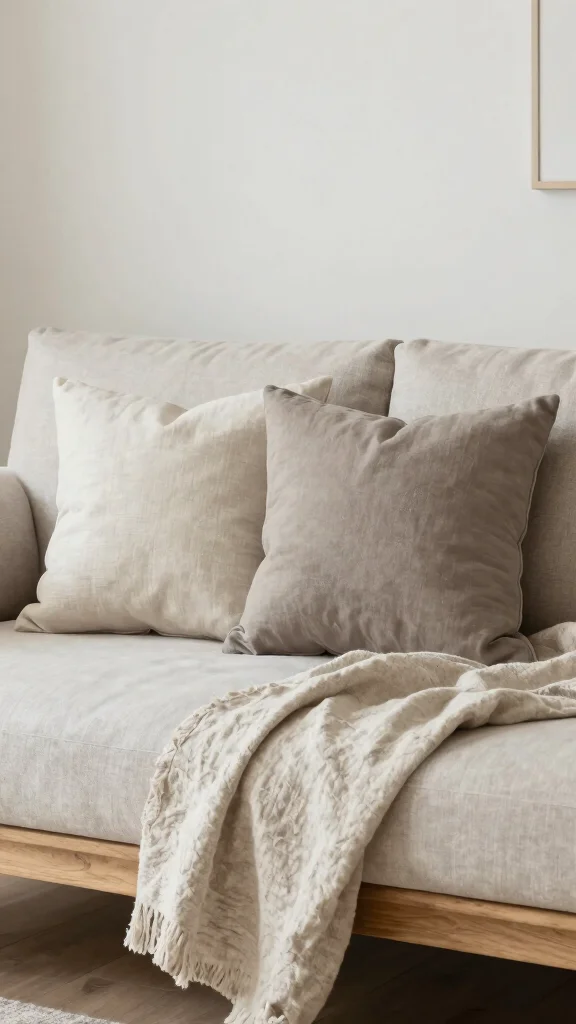
Opting for eco-friendly fabrics is essential for a natural minimalist living room. Look for textiles made from organic cotton, linen, or Tencel, which are produced with minimal environmental impact. These materials provide comfort and durability while being free from harmful chemicals.
Incorporate these fabrics into cushions, throws, and upholstery to create an inviting environment. Neutral colors complement the minimalist design, promoting a calming atmosphere.
Consider these insights for selecting eco-friendly fabrics:
– Choose organic cotton for cushions and throws
– Opt for linen curtains for lightness
– Avoid synthetic materials for a healthier space
– Research brands that emphasize sustainability
These choices will ensure your living room is both beautiful and environmentally conscious.
10. Layering Textures
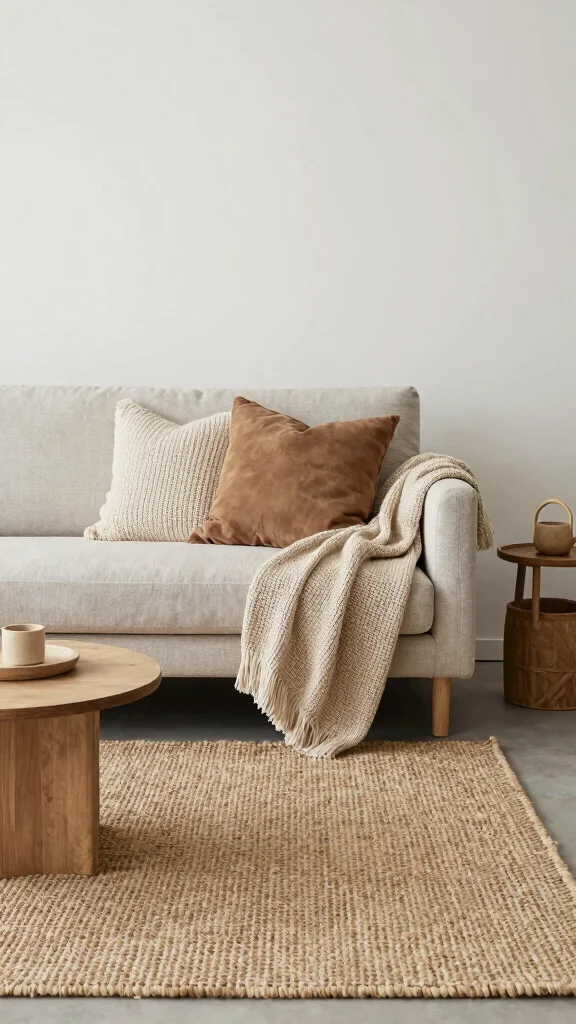
Layering different textures adds depth and interest to your natural minimalist living room while keeping decor simple. Combine materials like jute rugs, knitted throws, and leather cushions to create a cozy atmosphere. Each layer contributes to comfort while maintaining a sleek aesthetic.
Ensure that colors remain in a cohesive palette to avoid overwhelming the space. This technique invites warmth and personality without sacrificing the minimalist theme.
Use these tips for effective layering:
– Mix jute and cotton for varied texture
– Incorporate leather cushions for richness
– Choose throws with different weaves
– Keep a consistent color scheme
This approach will enrich your living room, making it feel inviting and engaging.
Layering textures is like a quiet conversation in a natural minimalist living room—soft jute, knitted throws, and leather cushions invite warmth without shouting color. Keep a cohesive palette and let each material add comfort and character, not clutter.
11. Use Natural Insulation and Energy Efficiency
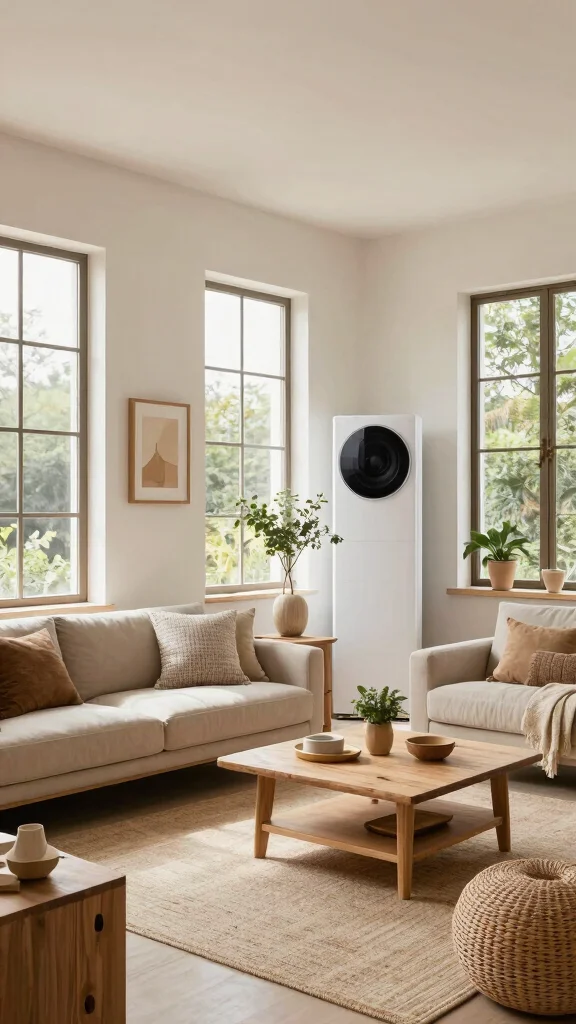
Creating an eco-friendly minimalist living room involves more than just decor; consider natural insulation and energy-efficient solutions. Use eco-friendly materials like wool or cellulose for insulation to maintain comfortable temperatures. Energy-efficient appliances and lighting minimize your carbon footprint while enhancing your living space.
Employ natural ventilation through strategically placed windows to improve airflow and reduce reliance on air conditioning. This not only conserves energy but also contributes to a healthier indoor environment.
Consider these suggestions for energy efficiency:
– Choose low-VOC paints for a healthier home
– Install energy-efficient lighting
– Utilize natural ventilation for cooling
– Research sustainable insulation options
This commitment to sustainability will enhance the comfort and functionality of your living room.
12. Mindful Sentimental Decor
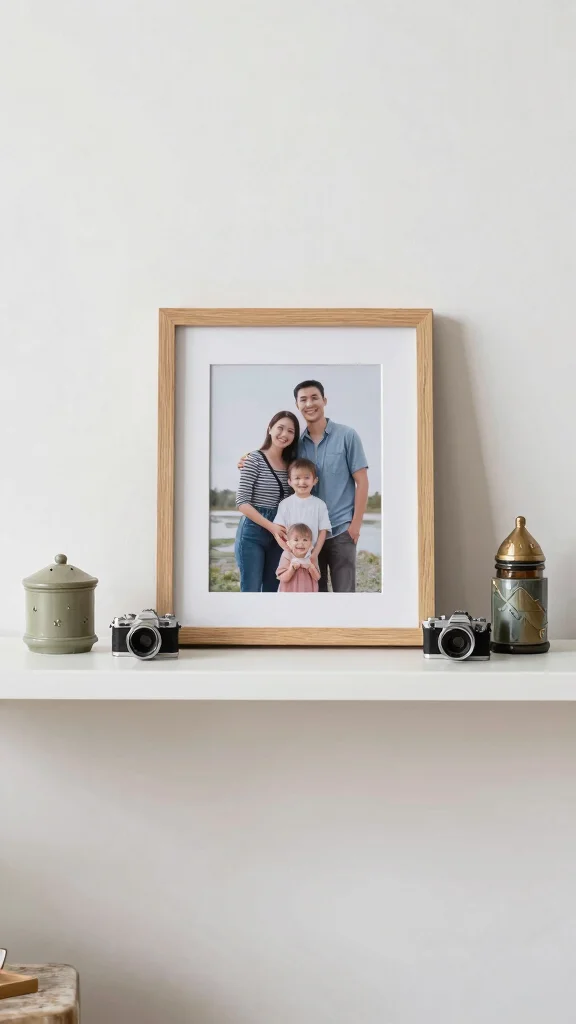
Curating decor pieces mindfully is key in a natural minimalist living room. Select sentimental items that hold meaning, such as heirlooms or travel souvenirs, and display them thoughtfully. Balance is crucial; avoid overcrowding surfaces to maintain a clean aesthetic.
Designate specific areas for these cherished items to shine without overwhelming the decor. When chosen with intention, these pieces can enhance warmth and personality, creating a meaningful living space.
Use these tips for exhibiting sentimental decor:
– Rotate items seasonally for freshness
– Create a dedicated display area
– Use minimalistic frames for photos
– Limit the number of displayed pieces
This approach allows your living room to reflect your story while staying true to a minimalist aesthetic.
You Might Also Like
13. Choose Simple Wall Art
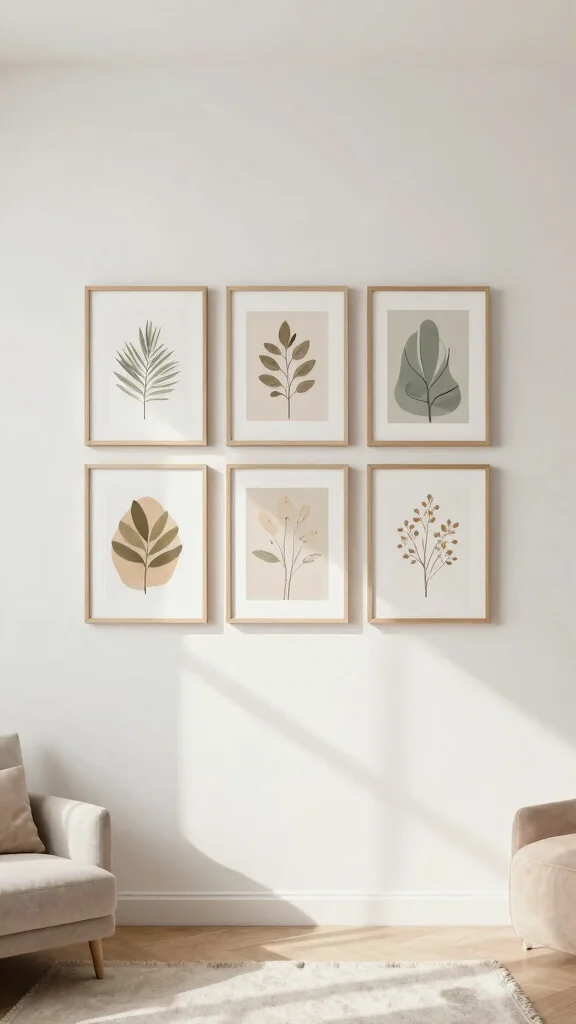
Art can infuse personality into your natural minimalist living room, but it should remain understated. Opt for simple, abstract pieces or nature-inspired artwork that complements your color scheme without overwhelming it. Consider canvas prints or framed images that resonate with your love for nature.
A thoughtfully curated gallery wall featuring a few selected pieces can enhance the organic feel of your space. Hang art at eye level to maintain a cohesive look with other decor elements.
Keep these tips in mind for selecting wall art:
– Limit the number of pieces for a clean look
– Choose frames that match your aesthetic
– Incorporate natural themes for consistency
– Maintain balance in the arrangement
This careful selection will elevate your living room, making it feel inviting and personal.
14. Focus on Comfort over Trend
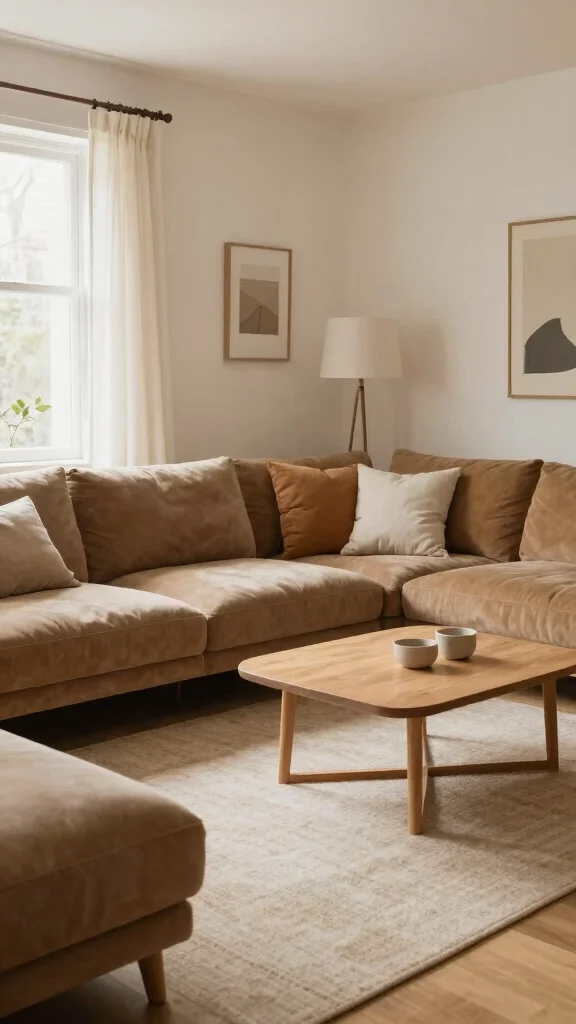
In your natural minimalist living room, prioritize comfort over fleeting design trends. Select furniture and decor that promotes relaxation, ensuring your space is a genuine retreat. Choose ergonomic pieces with simple silhouettes that invite lounging without sacrificing style.
The aim is to create a welcoming environment that reflects your taste and values, rather than adhering to strict design rules.
Consider these suggestions for comfort:
– Test seating options before purchasing
– Incorporate soft fabrics for coziness
– Choose functional layouts for ease
– Opt for timeless designs that last
This focus on comfort will make your living room a cherished space for relaxation and enjoyment.
15. Prioritize Open Spaces
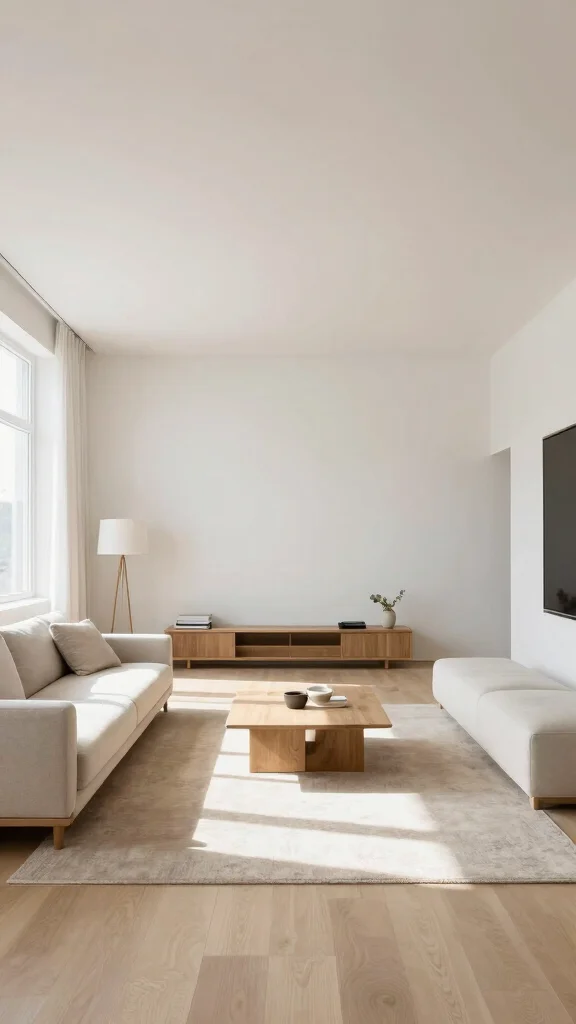
Creating an open space is essential for a natural minimalist living room, promoting calm and freedom. Avoid overcrowding with furniture; instead, select key pieces and allow room for movement. Arrange furniture to encourage conversation while maintaining clear walkways.
Use rugs to define areas without creating visual clutter. An intentional layout enhances functionality while preserving the minimalist charm.
Keep these tips in mind for open spaces:
– Regularly declutter to maintain serenity
– Use versatile furniture for flexibility
– Position key items for flow
– Assess decor for purpose and function
This thoughtful arrangement will help your living room feel spacious and inviting.
Fun fact: Open spaces can boost calm by up to 30% in a natural minimalist living room. Remove one bulky piece, define zones with a rug, and keep walkways clear for effortless flow.
16. Reflect Your Personal Style
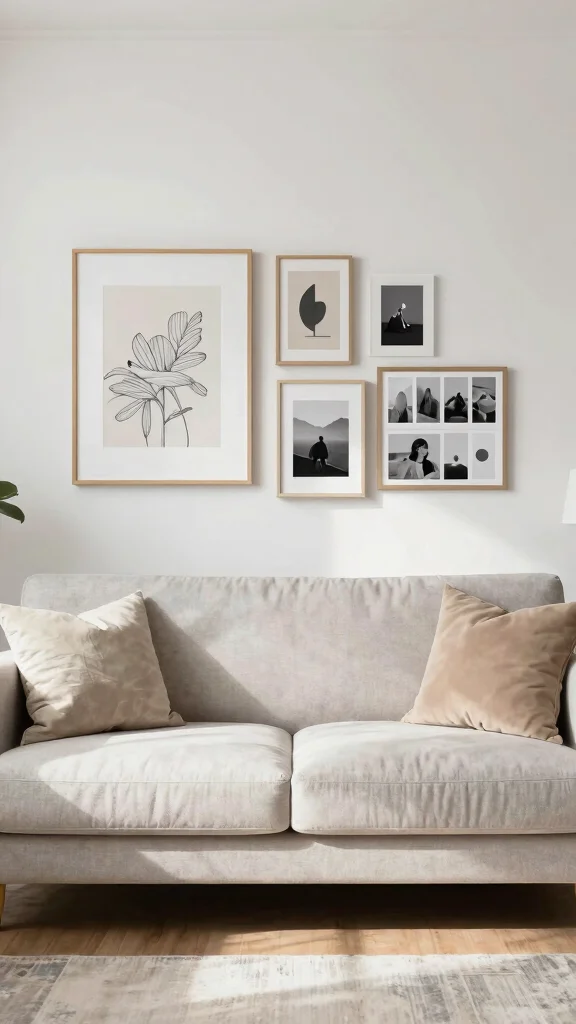
In a natural minimalist living room, your decor should reflect your unique style and personality. Incorporate elements that resonate with you—be it a favorite color, a cherished item, or a distinct design feature. Personal touches elevate the space beyond aesthetics, creating a living room that feels truly yours.
Balance these personal elements with a minimalist approach to avoid clutter while keeping your space special.
Use these insights for personalizing your decor:
– Change decor pieces periodically for freshness
– Display items that evoke positive memories
– Choose colors that uplift your spirit
– Maintain a cohesive look with personal touches
This thoughtful approach makes your living room not just a space, but a reflection of who you are.
Conclusion
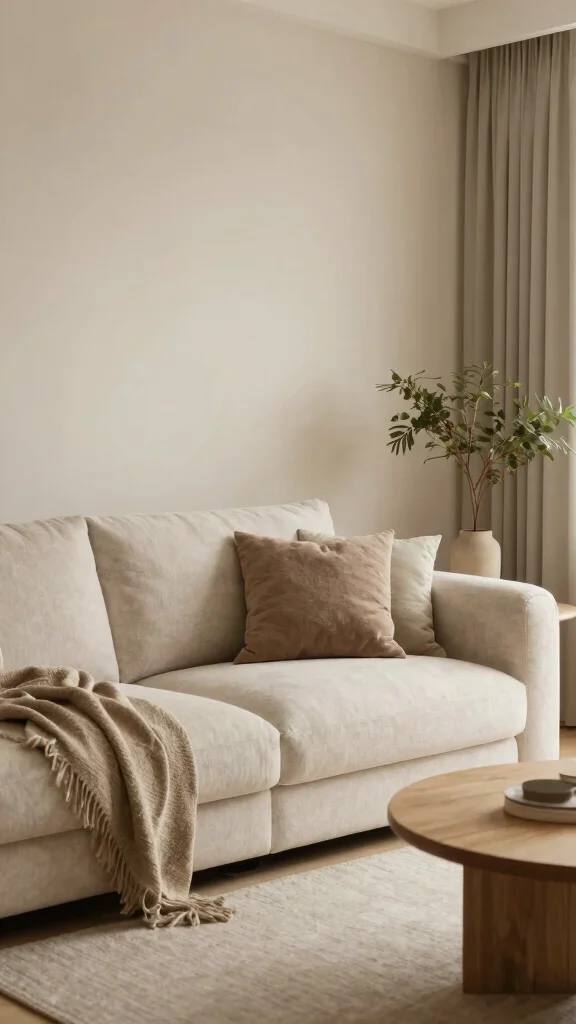
Embracing a natural minimalist living room design allows you to create a tranquil, eco-friendly space that reflects your values and style.
By incorporating organic materials and sustainable choices, you not only enhance your living area but also contribute positively to the environment.
As you explore these ideas, remember that the essence of minimalist design lies in simplicity and intentionality, so select decor that resonates with you and brings joy to your home.
Frequently Asked Questions
How can I create a natural minimalist living room using eco-friendly decor and organic materials?
Start with a serene color palette and natural materials to ground the space in calm. Choose minimalist furniture with clean lines made from sustainably sourced wood or recycled metals. Dress the room with organic textiles like linen throws, organic cotton cushions, and wool rugs; look for certifications such as GOTS or OEKO-TEX. Add texture with natural elements like jute, sisal, or rattan, and keep surfaces clutter-free to preserve serenity. Practical tip: pick a restrained color trio drawn from nature and repeat textures to create cohesion.
Which eco-friendly textiles work best in a natural minimalist living room?
Great options include linen, organic cotton, hemp, and wool for textiles; add jute or ramie for robust rugs or baskets. These fabrics are breathable, durable, and age gracefully, aligning with a natural minimalist living room. For upholstery, seek organic materials with low-VOC finishes and certifications like GOTS or OEKO-TEX. Care tips: air out fabrics regularly, follow gentle washing guidelines, and vacuum to reduce dust. Complete the look with plant-based dyes to keep your serene color palette intact.
How do I maintain a serene color palette in a minimalist living room without sacrificing warmth and texture?
Start with warm neutrals as the base and bring in nature-inspired accents through muted greens, soft blues, or earthy terracotta. Use organic textiles and textures to add depth—think linen throws, wool rugs, and cotton drapes—so the room feels cozy yet uncluttered. Keep walls light and natural, and introduce color sparingly with small decor pieces or textiles. Let light in with sheer window treatments and layer lighting to emphasize warmth. By layering textures and using natural dyes, you preserve a serene color palette while staying inviting.
Can sustainable design principles improve comfort and functionality in a natural minimalist living room?
Absolutely. Sustainable design emphasizes healthy air, natural light, and long-lasting pieces that reduce waste. Prioritize serene color palette and breathable eco-friendly decor to boost mood. Choose multi-functional furniture to maximize storage and reduce clutter, and position seating to take advantage of daylight. Use natural materials that feel good to touch, and add plants for airflow and a sense of calm. Practical step: assess lighting, select low-VOC finishes, and opt for modular pieces that can adapt as needs change.
How do I choose minimalist furniture that lasts and aligns with eco-friendly decor?
Look for solid, sustainably sourced materials with clear certifications like FSC or PEFC. Favor timeless, simple designs that won’t go out of style and that can be refreshed with eco-friendly textiles. Consider second-hand or refurbished pieces to reduce waste, and choose finishes with low VOCs for better indoor air quality. Maintenance matters: rotate cushions, protect with natural covers, and clean with plant-based products to extend longevity while keeping your natural minimalist living room feeling fresh and chic.
Related Topics
natural minimalist living room
eco-friendly decor
sustainable design
organic materials
minimalist furniture
serene color palette
green living
home styling
modern simplicity
beginner friendly
eco-conscious
textile sustainability