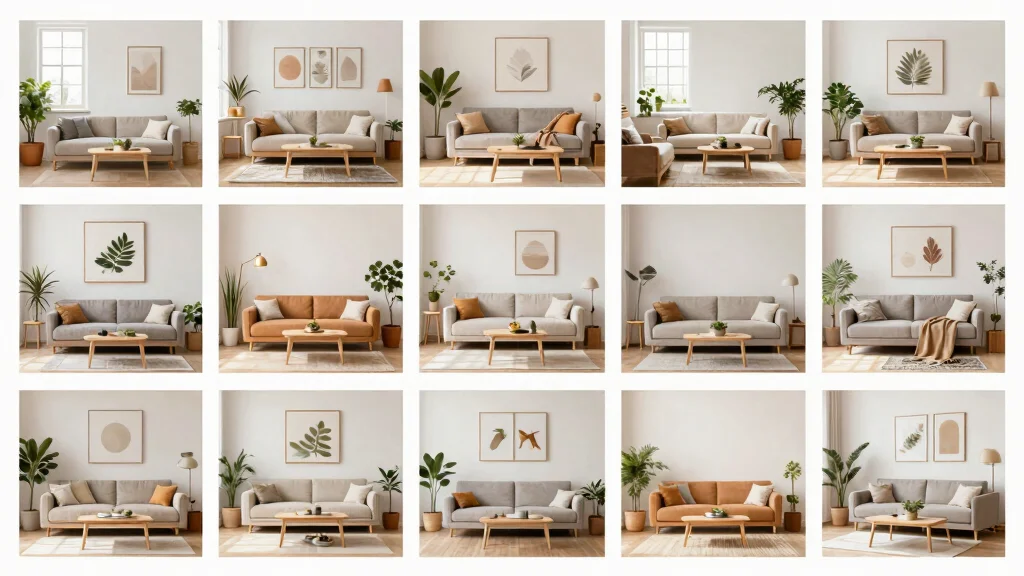
Creating a minimalist living room in a small or tiny home can be a delightful challenge. If you’re feeling overwhelmed by clutter or struggling to make the most of your limited space, you’re not alone. Many people crave simplicity and tranquility in their homes. That’s why I put together this guide, packed with 16 ideas that embody the beauty of minimalist living room designs. These tips will not only help you declutter but also enhance the overall atmosphere of your tiny space.
This post is for those who appreciate minimalist home decor, whether you’re living in a tiny house, a small apartment, or simply want to make your living room feel airier. If you value style, functionality, and sustainability, you’ll find plenty of inspiration here. You’ll learn how to create a cozy, modern living room filled with compact furniture styles that maximize space while still being inviting.
Get ready to explore ideas that are functional, stylish, and perfect for creating a minimalist living room in your small home. From open concept layouts to smart storage solutions, you will discover practical ways to transform your space into a serene retreat. Let’s dive in!
Key Takeaways
– Open Concept Layout: This design maximizes light and space, making your living area feel larger and more inviting. It encourages a flow between different areas of your home.
– Natural Materials: Using natural textures like wood and stone can bring warmth to your minimalist decor. These materials are sustainable and enhance the earthy feel of your living room.
– Built-In Furniture: Consider custom furniture that fits your space perfectly. Built-in shelves or benches not only save space but also provide a neat, organized look.
– Multifunctional Spaces: Create areas that serve multiple purposes. For example, a sofa bed can provide seating during the day and a sleeping area at night, maximizing your usability.
– Thoughtful Accessories: Minimalism doesn’t mean devoid of personality. Incorporate a few carefully chosen accessories that reflect your style without overwhelming the space.
Recommended Products

Lightweight And Durable: Made of high-strength aluminum alloy, it is both light and stable


Boho Square Storage Basket: This soft woven storage basket is the blend of form and function. The tactile, textured weave adds a layer of warmth and luxury to your daily storage. The minimalist cotton rope design brings natural warmth to any decor style—from modern to boho. Perfect for your to organize makeup tool, on your desk for stationery, or on a nightstand for glasses and remotes
1. Open Concept Layout

An open concept layout invites a sense of spaciousness and warmth into your tiny living room. This design choice removes barriers, promoting a fluid connection between different areas of your home. The influx of natural light enhances the inviting atmosphere, making your space feel larger and more comfortable. Imagine a cozy seating area seamlessly flowing into your dining space, illuminated by sunlight streaming through large windows.
To make the most of this layout, opt for low-profile furniture that serves dual purposes, such as a sleek sofa with hidden storage. Light-colored walls and decor can amplify the feeling of openness, while mirrors can reflect light, creating a sense of depth.
Consider these strategies to enhance your open layout:
– Pair large windows with minimal window treatments for maximum light.
– Use multifunctional furniture like a coffee table that doubles as storage.
– Maintain a consistent flooring material to unify the spaces.
This approach not only streamlines your living area but also adds a modern touch, making your home feel both sophisticated and welcoming.
Recommended Products

Low-Profile Design: Only 6 inches high, this under bed storage container slides easily under most beds while providing 53L of space for clothes, shoes, bedding, and seasonal items; Perfect for dorm under bed storage, bedrooms, and small-space organization

Low-Profile Design: Only 6.75 inches high, this under bed storage container slides easily under most beds while providing 73L of space for clothes, shoes, bedding, and seasonal items; Perfect for dorm under bed storage, bedrooms, and small-space organization

Low-Profile Design: Only 6.75 inches high, this under bed storage container slides easily under most beds while providing 73L of space for clothes, shoes, bedding, and seasonal items; Perfect for dorm under bed storage, bedrooms, and small-space organization
2. Natural Materials
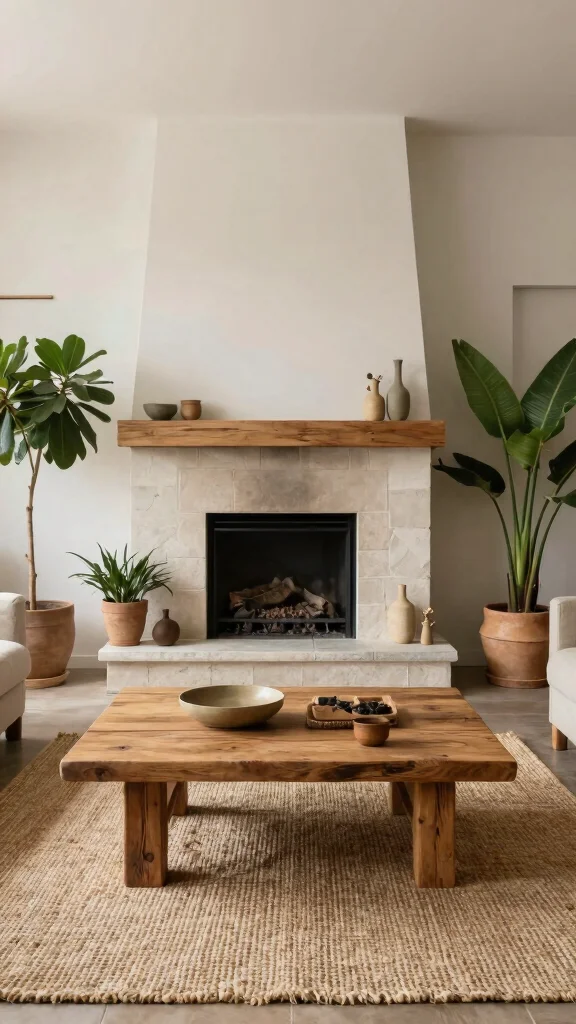
Incorporating natural materials into your living room is essential for achieving a minimalist yet inviting atmosphere. Elements like wood, stone, and natural fibers not only enhance aesthetic appeal but also promote sustainability. Imagine a cozy corner furnished with reclaimed wood pieces, where warmth meets eco-friendliness, all while adhering to minimalist principles.
For flooring, consider eco-friendly options such as bamboo or cork to add character without compromising your design. Additionally, features like a stone fireplace can serve as a beautiful focal point, bringing an organic touch to your space.
Here are some ideas to integrate natural materials:
– Choose eco-friendly finishes like non-toxic paints.
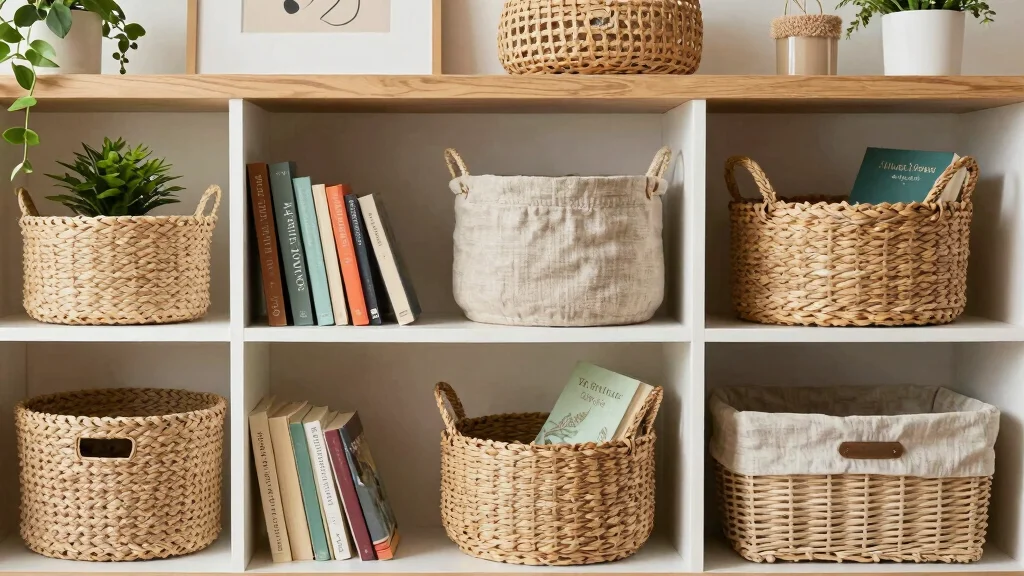
– Incorporate textures with woven baskets or jute rugs.
– Add greenery with potted plants for a lively touch.
Natural materials not only elevate the visual appeal but also foster a sense of tranquility, ensuring your living room remains a serene retreat.
Recommended Products

Warm LED Light Built-In:Integrated warm LED lights softly illuminate your displayed items. These corner shelves with lighting create a cozy glow, turning empty wall corners into inviting reading nooks or display spots.

Multi-Functional Wall Shelves: These suspended shelving units offer versatile display solutions. By installing matching shelves atop the brackets, they create rich wall decor effects. The floating design can form either a long bookshelf or transform into a vertical storage unit, showcasing all kinds of decorative items

10-Inch Round Decorative Wall Art: Featuring a smooth wooden frame and a clean round silhouette, this 25-inch wall decor adds a subtle decorative accent without taking up much space. It works well in living rooms, bedrooms, entryways, home offices, nurseries, kitchens, and more.
3. Built-In Furniture

Built-in furniture revolutionizes small living spaces by combining functionality with a sleek appearance. Custom designs can maximize your room’s dimensions, making every inch count. Imagine a wall-mounted desk that folds away or a bench with hidden storage underneath, providing practicality without sacrificing style.
In the living room, consider a ceiling-high built-in bookshelf to store books and decor while keeping the floor open. Utilizing corners for built-in shelving or seating can enhance your layout dramatically.
Implement these tips for effective built-in designs:
– Custom tailor built-ins to match your style and needs.
– Maximize vertical space with shelves that extend to the ceiling.
– Opt for light-colored finishes to keep the room airy.
Built-in furniture not only enhances your living room’s aesthetic but also ensures it remains organized and functional.
Recommended Products

3-IN-1 CONVERTIBLE SLEEPER CHAIR: This sleeper chair features a hidden pull-out bed design that effortlessly transforms into a single sofa chair, lounge chair, or small sofa bed with just a pull! Perfectly suited for everything from daily relaxation or overnight guests, this multifunctional chair bed allows you to enjoy movies, reading, or sleep. Maximize your space utilization while enhancing your home’s functionality.

3-in-1 Convertible Design for Compact Spaces: Easily transforms from a loveseat sofa to a relaxed lounger, and finally into a guest bed. Perfect for maximizing space in apartments, dorms, studios, or home offices. Lightweight (<95 lbs) enough to move around effortlessly

3-in-1 Design Multi-Function: You can adjust the backrest according to your preference as it has three adjustable positions. The backrest of this futon couch easily adjusts to 120°, 160°, and 180° It can be used in three different ways depending on the position. Get a sofa, a recliner, and a sleeper all at once when you buy one!
🏡 Transform Your Space Like a Pro
Unlock the secrets to stunning DIY makeovers that enhance your minimalist living room in any tiny home.
4. Multifunctional Spaces

Embracing multifunctional spaces in your tiny home is a brilliant way to maximize utility while maintaining a minimalist vibe. This concept allows you to combine different areas, such as integrating a workspace that can be concealed when not in use. Picture a stylish foldable desk that tucks away seamlessly, transforming your living room into a multi-use haven.
When choosing furniture, look for versatile pieces like a coffee table with hidden storage or a sofa bed that accommodates guests. This flexibility keeps your living area organized and functional.
Consider these ideas for multifunctional spaces:
– Create zones using rugs to define different areas.
– Choose convertible furniture that adapts to your needs.
– Keep decor minimal to maintain an uncluttered look.
This design approach encourages creativity and adaptability while ensuring your living room remains a versatile and organized space.
Recommended Products

【Multifunction】- This decorative tray is perfect to place crystal/healing stone/jewelry/perfume/essential oil/candle and any other object, which could refresh your desktop and gives you special visual enjoyment. It also can be an exquisite prop for taking photo.

Wabi-Sabi Aesthetic: Inspired by the Japanese philosophy of embracing imperfections, this stone pendant light showcase the natural beauty and authenticity of marble. The warm, earthy tones of yellow travertine marble create a cozy and inviting ambiance, adding a touch of sophistication.

[Sculptural 3D Relief] Features a 2cm+ (0.8 inches) raised surface depth, creating a tactile landscape with a sandblasted, stone-like texture. This dimensional design interacts with ambient lighting to cast dynamic shadows, serving as a focal point for bedrooms, entryways, or home offices.
5. Neutral Color Palette

A neutral color palette is a hallmark of minimalist design, creating a serene backdrop for your living room. Shades like white, beige, gray, and soft earth tones can open up a small space, making it feel calm and expansive. This versatile foundation allows for easy incorporation of subtle accents that enhance the overall design.
Layer textured materials in these neutral shades to add depth without overwhelming the senses. Consider pairing light-colored sofas with warm wooden elements or soft textiles to create a balanced look.
Explore these tips for a neutral color palette:
– Use monochromatic schemes with different shades for cohesion.
– Play with textures by layering various fabrics for interest.
– Add minimal pops of color through art or cushions.
A neutral palette not only fosters a minimalist atmosphere but also serves as a canvas for personal expression.
Neutral palettes make tiny spaces breathe. In a minimalist living room small tiny homes, soft whites, beiges, and grays become a calm canvas—layer textures and light woods to add warmth without crowding the room. Start with a light sofa, then add subtle accents.
Recommended Products

Extensive Deaign: Small wall shelf with 2 types of installation according to your preferences,each small shelf size is 5"L x 5"D x 1.57"H.Weight capacity is 8 lbs.The small floating shelves were packed in set of 6

MODERN MINIMALIST DESIGN: This book shelf features a clean-lined rectangular frame with a closed back, making it ideal for home offices, living rooms, or bedrooms

[Small Floating Shelves] - Set of 4 small wall shelves with 2 types of installation: up or down, each small shelf size is 5"L x 5"D x 1.57"H.
6. Smart Storage Solutions

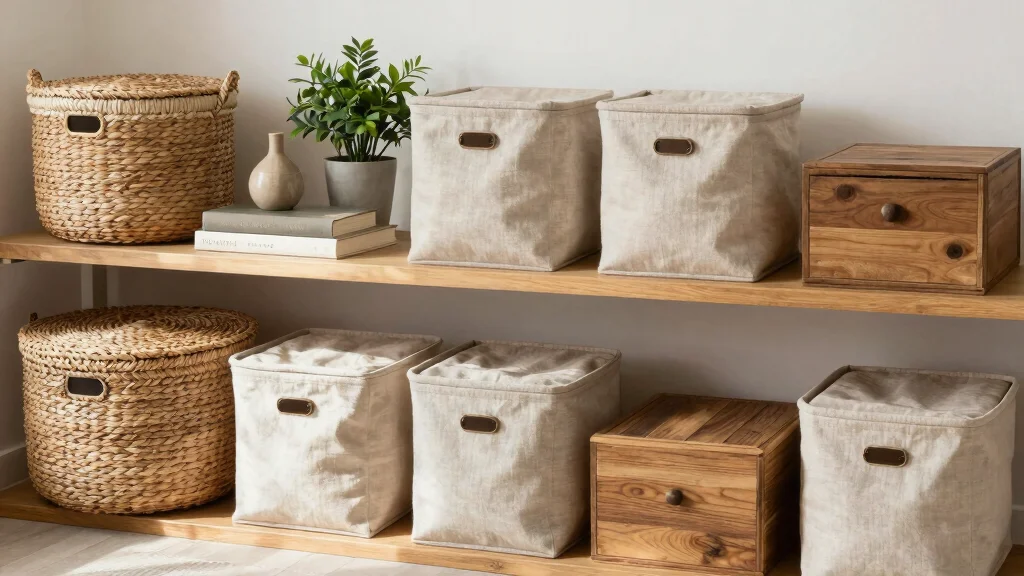
In a tiny home, smart storage solutions are key to maintaining an organized, clutter-free environment. This can be achieved through innovative hidden storage and creative display ideas. Think about utilizing every nook, from under your sofa to above doorways, to maximize space efficiency.
Incorporate furniture with hidden compartments or decorative shelves that double as storage. For instance, an ottoman with internal space can keep blankets or games tidy while also providing seating.
Here are some smart storage ideas:
– Utilize vertical space with high shelves for books and decor.
– Add stylish storage bins that match your decor.
– Regularly declutter to keep your storage solutions effective.
Organized living rooms create a sense of openness, making your tiny home feel larger and more inviting.
Recommended Products

Low-Profile Design: Only 6.75 inches high, this under bed storage container slides easily under most beds while providing 73L of space for clothes, shoes, bedding, and seasonal items; Perfect for dorm under bed storage, bedrooms, and small-space organization

133-INCH OVERSIZED U-SHAPED DESIGN:Measuring 133"W x 62"D x 35"H, this oversized U shaped sectional couch creates a spacious conversation area for a large living room or family room. Two roomy chaise lounges give everyone space to sit, stretch out or recline on either side. Bring the family together for weekend gatherings, holiday visits, game nights or casual evenings without making guests compete for the best seat.

Comfortable Loveseat for Everyday Use :This mid-century modern loveseat sofa is upholstered in soft faux leather that feels smooth, breathable, and easy to clean. The seat cushion combines high-resilience foam and supportive springs to create a comfy loveseat sofa with lasting softness and bounce for daily lounging.
Key Trade-offs & Our Top Pick
Option 1: Open Concept Layout
– Pros:
– Maximizes natural light throughout the space.
– Creates a sense of spaciousness, making small areas feel larger.
– Cons:
– Lack of defined areas can lead to noise and visual clutter.
– Limited privacy, especially in shared living situations.
– Best for: Those who enjoy a social atmosphere and want to create a cohesive look in their tiny home.
Option 2: Built-In Furniture
– Pros:
– Customizable to fit specific spaces, making the most of every square foot.
– Often provides additional storage, keeping the area organized.
– Cons:
– Can be costly and time-consuming to install.
– Permanent solutions may limit flexibility if you decide to rearrange later.
– Best for: Homeowners looking for practical and stylish storage solutions that blend seamlessly with their decor.
Option 3: Multifunctional Spaces
– Pros:
– Offers flexibility, allowing one room to serve multiple purposes.
– Ideal for tiny homes where space is at a premium.
– Cons:
– Can be challenging to design effectively without feeling cluttered.
– May require purchasing specialized furniture that can be more expensive.
– Best for: Anyone needing versatility, especially those who work from home or have guests frequently.
Option 4: Neutral Color Palette
– Pros:
– Creates a calming environment that feels open and airy.
– Easy to update with colorful accessories without a complete redesign.
– Cons:
– May feel too plain or sterile if not thoughtfully accessorized.
– Risk of appearing less inviting without added textures or colors.
– Best for: Minimalist lovers who appreciate a peaceful and sophisticated aesthetic.
Option 5: Smart Storage Solutions
– Pros:
– Keeps your tiny home organized and clutter-free.
– Utilizes vertical space effectively, something often overlooked in small homes.
– Cons:
– Requires planning and may involve DIY projects that take time.
– Some solutions may not suit every design style or home layout.
– Best for: Those who prioritize organization and want to maximize every inch of their tiny home.
Best Overall: Multifunctional Spaces
The multifunctional spaces option stands out as the best choice for most people living in minimalist tiny homes. It provides ultimate flexibility, allowing you to adapt your living space according to your needs. Whether you need a home office, guest room, or dining area, multifunctional spaces can transform your small living environment. Plus, they often inspire creativity while keeping your space organized, making it a practical solution for modern living.
Why We Picked This:
We know that not everyone will prefer multifunctional spaces. If you love a specific style or want a more traditional feel, built-in furniture or an open concept layout could be better. Each option has its unique charm and set of advantages. It’s essential to consider your lifestyle and how you use your space before deciding on the best solution for your minimalist living room in a tiny home.
Recommended Products

[Multi-Functional Wall Shelves]: These suspended shelving units offer versatile display solutions. By installing matching shelves atop the brackets, they create rich wall decor effects. The floating design can form either a “long bookshelf” or transform into a “vertical storage unit,” perfectly showcasing all kinds of decorative items

RUGGED ALL-METAL RELIABILITY: Built from premium aluminum with a reinforced frame, these floating shelves resist warping, bending, and everyday wear so your book shelf, bathroom decor, and favorite room decor pieces stay securely supported for years of effortless home decor styling

Sculpted Swallow Relief: each wall bird is molded from resin with raised wings, layered feathers, ornamental details and an antique gold finish that resembles aged metal; The three dimensional surface adds visible depth when viewed from the front or side, helping the birds stand out on plain painted walls, textured backgrounds and gallery arrangements; The detailed finish suits vintage, rustic, farmhouse and eclectic rooms without requiring a frame or separate display panel
7. Incorporating Nature
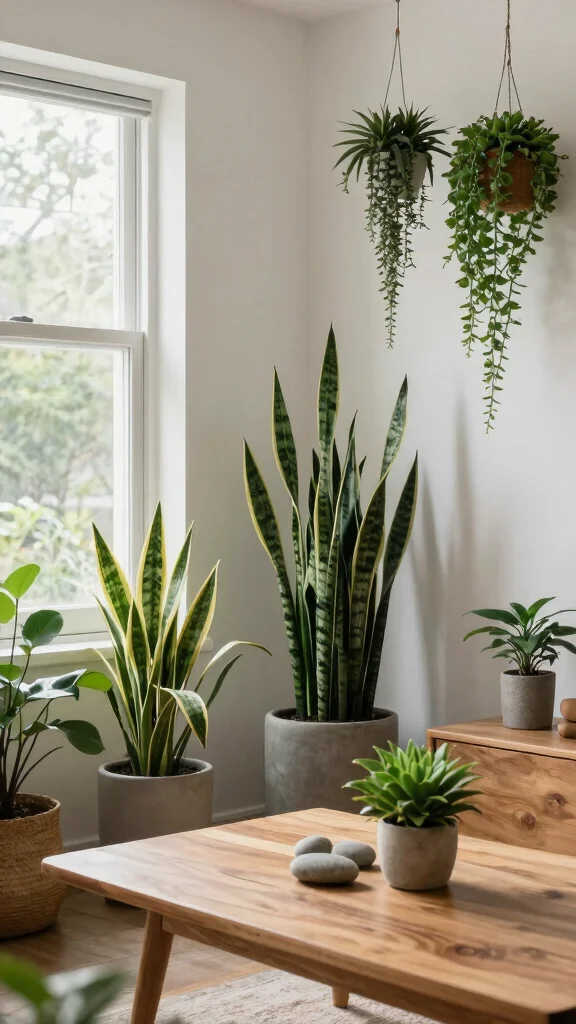
Integrating natural elements into your living room is crucial for achieving a minimalist aesthetic that feels rejuvenating. Indoor plants not only purify the air but also introduce life and color into a sleek design. Choose low-maintenance plants like succulents or snake plants that thrive in various conditions.
In addition to plants, consider nature-inspired decor such as wooden accents or stone planters to enhance the organic atmosphere. A living wall or hanging planters can save space while making a striking visual impact.
Try these ideas to bring nature indoors:
– Opt for low-maintenance plants that suit your lighting.
– Create a dedicated plant corner to draw attention.
– Use varying heights in plant stands for added dimension.
Bringing nature inside transforms your living room into a calming oasis amidst the daily hustle.
Recommended Products

Versatile 4-in-1 Space Solution | This compact convertible couch bed effortlessly transforms into 4 modes: Sofa, Lounger, Chaise, and Guest Bed. It’s the ultimate modular couch lifestyle hack for small apartments, dorms, and home offices, providing an expansive sleeper sofa experience without sacrificing valuable square footage. It’s the futon sofa bed that seamlessly shifts to your needs.

[More Size Options] Six sizes available, including standard S/T/F for users up to 5'9" and XL versions SXL/TXL/FXL with extended legroom for taller sleepers up to 6'4". Our size range caters to all height needs from kids through adults. The S-Series offers a perfect fit for smaller body frames, including slim adults, teens, and kids.

3-in-1 Design Multi-Function: You can adjust the backrest according to your preference as it has three adjustable positions. The backrest of this futon couch easily adjusts to 120°, 160°, and 180° It can be used in three different ways depending on the position. Get a sofa, a recliner, and a sleeper all at once when you buy one!
You might also like
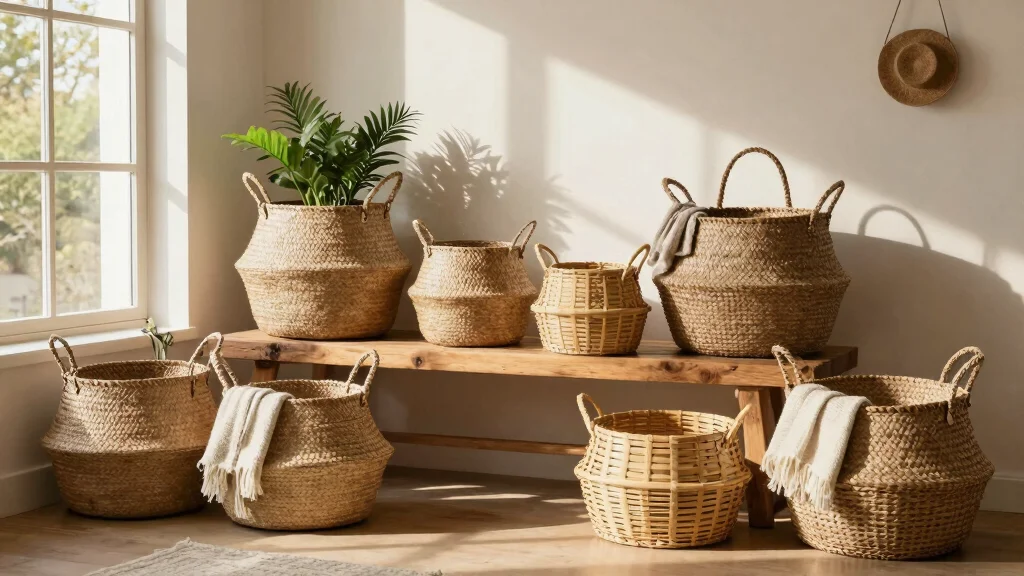
8. Minimalist Art
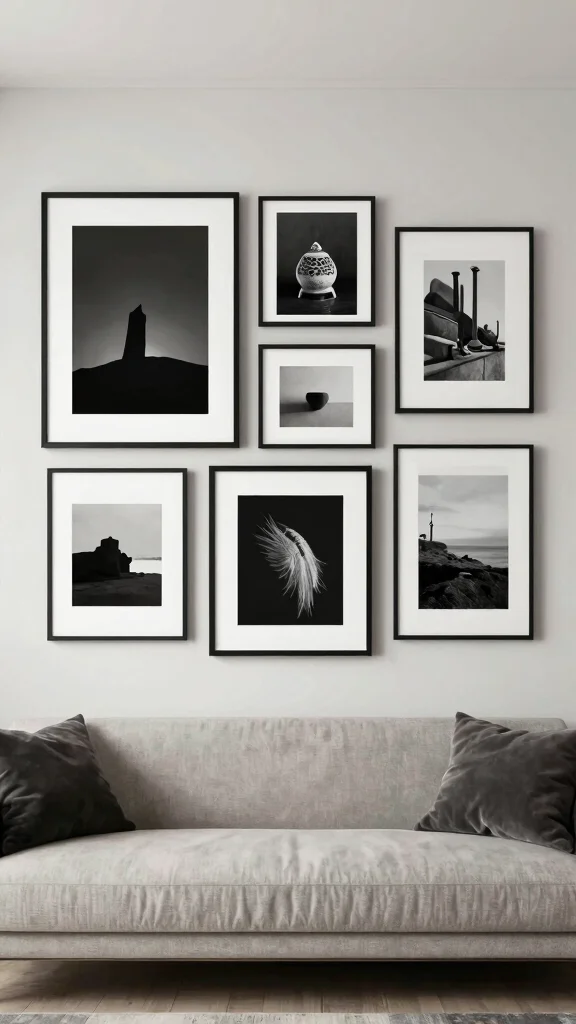
In a minimalist living room, less truly is more when it comes to art. Choose pieces that are simple yet impactful to avoid overcrowding your space. Large canvas prints with bold designs or monochromatic artworks can serve as stunning focal points without adding clutter.
Consider creating a restrained gallery wall with a few curated pieces that complement each other. Black-and-white photography or subtle abstract prints enhance the minimalist vibe while adding character.
Explore these art tips for a minimalist approach:
– Limit colors to maintain a cohesive scheme.
– Mix mediums like photography and paintings for variety.
– Keep frames simple to uphold the minimalist aesthetic.
Choosing minimalist art can elevate your living room’s overall look while reflecting your personal taste.
Recommended Products

【Sintered Stone Tabletop】Crafted from sintered stone, this stone coffee table offers exceptional durability, scratch resistance, and heat resistance. In contrast, other faux marble tops are prone to wear and tear, with edges that are particularly fragile.

Pack Size: The pack includes one wood wall panel measuring 5.9 x 4.7 inches, covering approximately 0.19 sq. ft. We recommend ordering a sample pack first to choose your preferred finish before placing a final order

'STEP UP' YOUR HOME DECOR – Stay on schedule with your Scandinavian inspired wall clock from Driini. Your unique ‘step’ clock makes itself at home with urban design and unobtrusively silent analog operation.
9. Layered Lighting

Lighting plays a vital role in enhancing the ambiance of a small living room. Layered lighting, which combines ambient, task, and accent lights, creates depth and warmth, making your space inviting. Incorporate a mix of floor lamps, table lamps, and wall sconces to achieve this effect without overwhelming the area.
Consider using dimmable lights to adjust the mood throughout the day. Warm-toned bulbs contribute to a cozy atmosphere, perfect for a minimalist aesthetic.
Here are some tips for layered lighting:
– Mix various light sources for a dynamic effect.
– Use sheer curtains to allow natural light to flow in.
– Focus on warm bulbs to enhance comfort.
Effective lighting layering elevates your tiny living room, promoting relaxation and functionality.
10. Textured Fabrics

Incorporating textured fabrics is an excellent way to bring warmth and comfort to your minimalist living room while keeping it visually engaging. Using materials like linen, cotton, and wool creates layers that add interest without overwhelming the design. Choose a neutral palette but mix in soft textures through throw pillows, blankets, and rugs.
Texture can also be introduced in furniture pieces, such as a woven armchair or a plush rug. By balancing textures, you can preserve the minimalist aesthetic while creating a cozy atmosphere.
Consider these tips for layering textiles:
– Combine different materials, like a wool throw on a cotton sofa.
– Choose subtle patterns to add visual interest.
– Accessorize wisely with a few carefully chosen items.
Incorporating textures into your decor can enhance your living room’s comfort while maintaining a stylish look.
11. Neutral Artwork
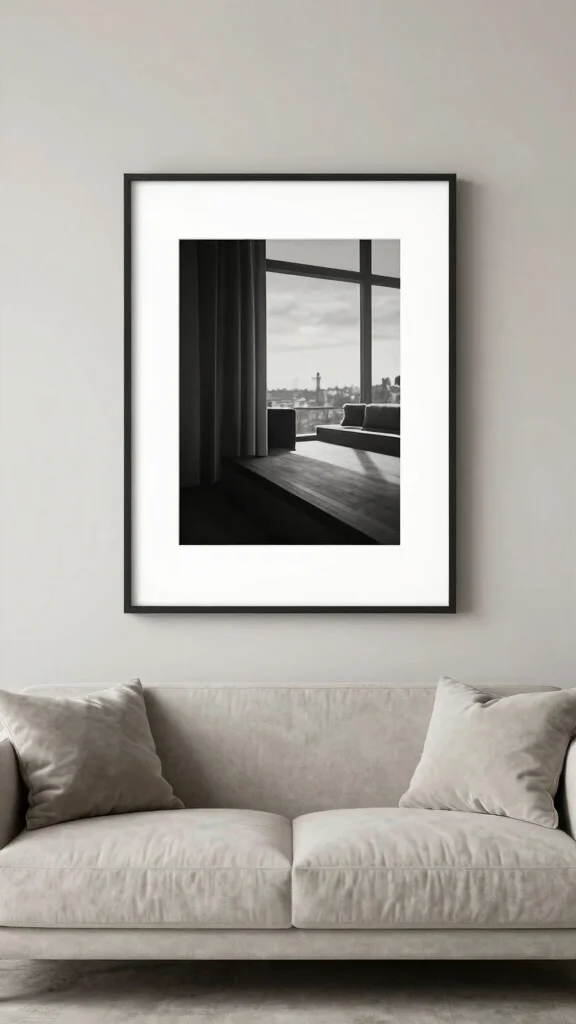
Choosing neutral artwork is essential for maintaining a minimalist aesthetic while showcasing your personal style. Art doesn’t need to be vibrant to be impactful; understated pieces can evoke emotions and provoke thoughts without overwhelming your space. Think about incorporating black-and-white photography or simple line drawings that complement your decor.
A large piece of neutral artwork can make a bold statement, creating a focal point without cluttering the room. Mixing textures between framed art and canvas pieces can add variety while preserving simplicity.
Explore these neutral art ideas:
– Choose large pieces for a dramatic effect.
– Maintain simplicity to enhance the minimalist vibe.
– Mix textures for a dynamic presentation.
Neutral artwork can enhance your living room’s sophistication, perfectly aligning with minimalist principles.
Neutral artwork keeps a minimalist living room small tiny homes calm and cohesive. A single large, neutral piece creates a focal point without clutter—let black-and-white photography or simple line drawings do the talking, while textures add depth.
12. Creating Visual Balance
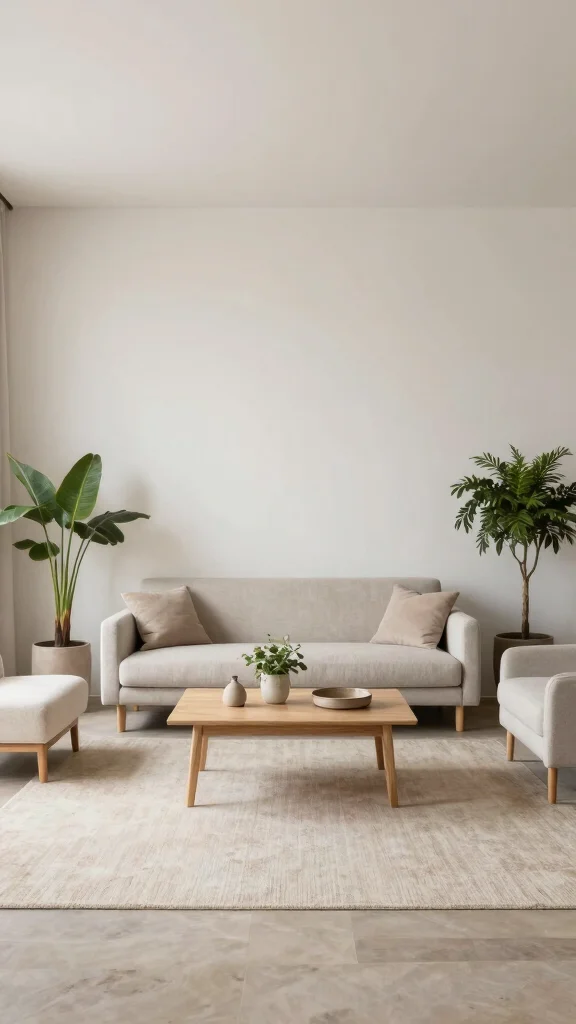
Visual balance is essential in minimalist design to create a harmonious living space. This balance can be achieved by distributing visual weight evenly across the room, ensuring that no area feels overcrowded. Use symmetry and asymmetry by balancing furniture, decor, and colors thoughtfully.
For instance, if one side has a large piece of furniture, balance it with smaller elements on the opposite side. The arrangement of plants and decor should complement the overall layout to create a cohesive look.
Try these strategies for achieving visual balance:
– Keep furniture proportional to your space for harmony.
– Balance colors and textures for a dynamic atmosphere.
– Maintain clear pathways for easy movement.
Achieving visual balance contributes to a tranquil, minimalist environment in your living room.
You Might Also Like
13. Simple Window Treatments

Simplicity is key when it comes to window treatments in a minimalist living room. Opt for sheer curtains or simple blinds that allow natural light to filter in while providing privacy. Heavy drapes can overwhelm the space and detract from the minimalist vibe.
Sheer fabrics can soften harsh light and create an ethereal ambiance, ensuring an open feel. Wooden blinds can add warmth without complicating your design.
Consider these tips for simple window treatments:
– Stick to light colors to enhance the sense of space.
– Choose functional designs for easy operation.
– Keep decor minimal by avoiding unnecessary layers.
Simplistic window treatments can enhance your living room’s bright and airy feel, aligning perfectly with minimalist living.
14. Creative Use of Color
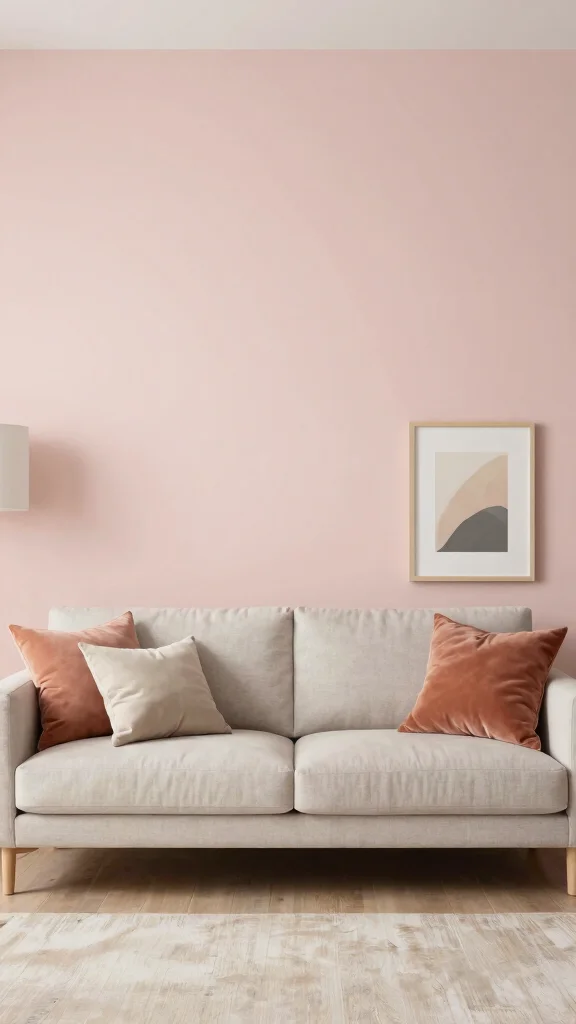
While a neutral palette is often favored in minimalist living rooms, don’t hesitate to incorporate color creatively. Subtle pops of color can enhance the space without overwhelming it. Consider a single accent wall or colorful accessories that draw the eye without cluttering the environment.
Accent cushions or art pieces in muted tones can provide that needed spark while keeping everything cohesive. Strive for colors that complement the overall scheme, fostering a sense of peace and calm.
Explore these ideas for creative color use:
– Limit the palette to one or two accent colors.
– Use color wisely through accessories or artwork.
– Choose colors that promote tranquility and comfort.
Creative color use can elevate your living room’s aesthetic, infusing personality while honoring minimalist principles.
Color is your space-saving ally in a minimalist living room small tiny homes. A single accent wall or a few muted cushions can energize the room without clutter. Stick to two or three complementary hues to keep calm and cohesive.
15. Thoughtful Accessories
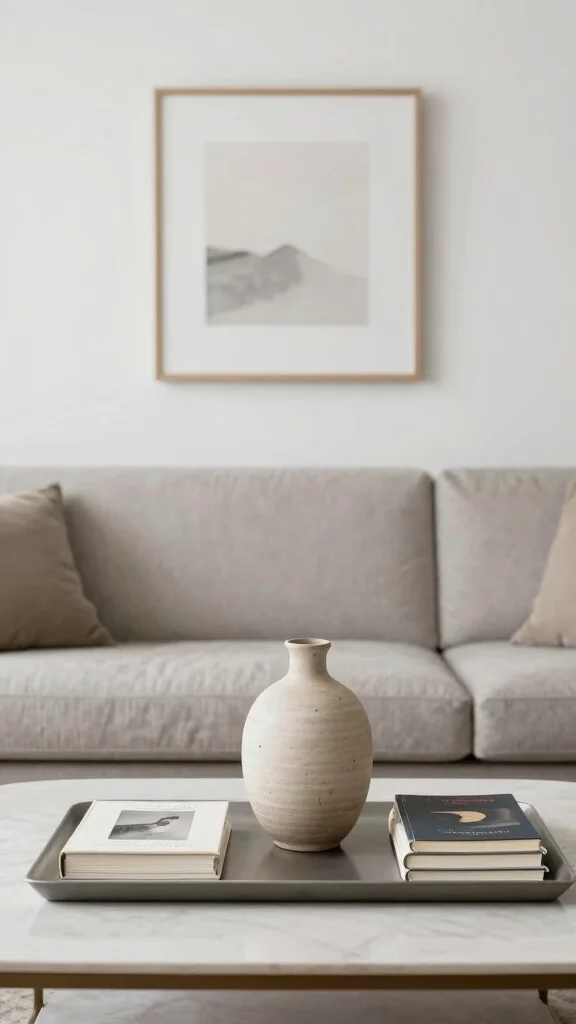
In minimalist design, every accessory matters. Thoughtful, intentional accessories can enhance your living room’s aesthetic while ensuring it remains uncluttered. Select a few key pieces, like a striking vase or a sculptural decor item, that serve as focal points without overwhelming the space.
Avoid overcrowding surfaces with too many items; instead, curate a selection that reflects your personality and style while keeping the area tidy. Using trays to group items can make organizing easier and maintain a minimalist vibe.
Consider these accessory tips:
– Limit the number of items to the most meaningful pieces.
– Use trays for organization to avoid visual chaos.
– Rotate decor items seasonally for a fresh look.
Thoughtful accessories will add a personal touch to your living room while preserving its minimalist appeal.
16. Personal Touches
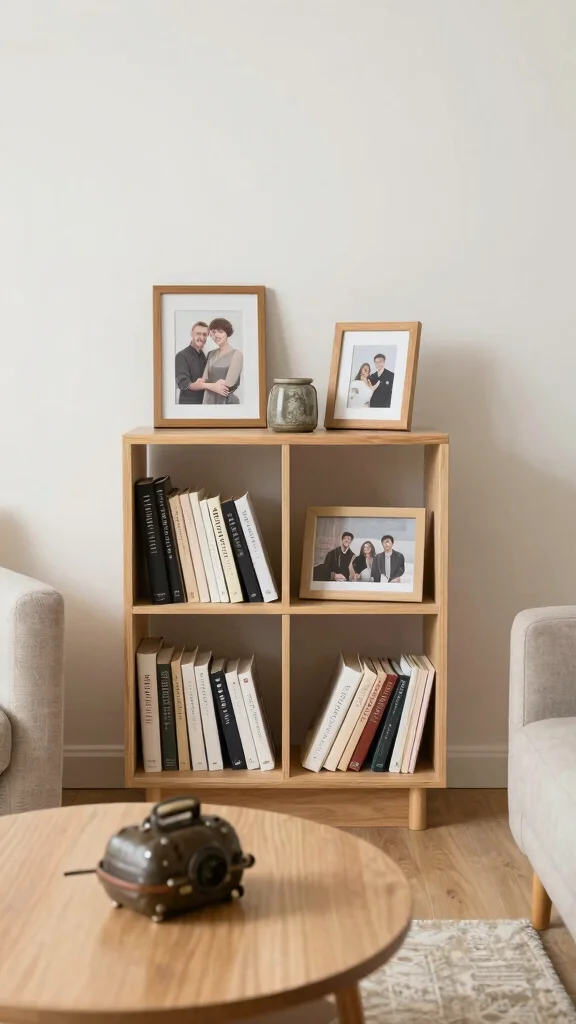
While embracing minimalism, remember to infuse personal touches that reflect your individuality. This could mean displaying a collection of cherished books, a few family photos in simple frames, or travel souvenirs arranged tastefully. The key is to keep it simple and meaningful, ensuring that each item has significance.
Incorporating personal elements makes your tiny living room feel like a true home while maintaining a minimalist allure. Striking the right balance will keep the space feeling open and inviting, rather than cluttered.
Here are some tips for adding personal touches:
– Choose meaningful items that resonate deeply with you.
– Create a dedicated display area for personal items.
– Keep it balanced by avoiding excess.
Personal touches can transform a minimalist living room into a warm, inviting space that feels uniquely yours.
Conclusion

Minimalist living in a tiny home presents exciting opportunities to create a stylish and functional living space. By integrating these innovative ideas, you can ensure your living room reflects your personality while remaining practical and sustainable. Embrace the beauty of simplicity and let your creativity shine!
Consider how each element you add can enhance your space, creating a haven that balances style and sustainability.
Frequently Asked Questions
What are the core principles of a minimalist living room in a small tiny home that actually work?
Think small, simple, and intentional. In a minimalist living room for minimalist living room small tiny homes setup, focus on decluttering, smart zoning, and multifunctional pieces. Start with a clean baseline: measure your space, choose a neutral palette, and define a single focal point. Then pick 2-3 essential pieces (a slim sofa, a compact coffee table, and wall-mounted storage) that fit without crowding the room. Use natural light and mirrors to make the space feel larger. Keep textures tactile but restrained to maintain a calm, uncluttered vibe. This approach aligns with minimalist home decor and tiny home design principles while maximizing usability in tiny living space.
How can I pick compact furniture styles that still look stylish in a tiny home living room?
Start with scale and function. Choose compact furniture styles with slim profiles, narrow arms, and legs that create a sense of openness. Look for modular or multi-functional pieces (like a sofa with hidden storage or a coffee table that doubles as a desk). Prioritize light colors and simple silhouettes to keep the room feeling breathable, and consider wall-mounted options to free floor space. In a tiny home design, every piece should earn its keep—opt for compact furniture styles that serve at least two roles and avoid oversized items.
What are practical storage ideas to keep a minimalist living room organized in a small space?
Make storage invisible where you can and visible only as design. Use hidden storage under seating, benches, and beds; opt for wall-mounted shelves that go up to the ceiling; choose furniture with built-in drawers; use baskets and bins on shelves to corral clutter; consider vertical organizers and magnetic strips for remotes and small items. Define zones with storage: a narrow console behind a sofa can hold books or tech. Declutter regularly, then rotate decor to maintain a clean look. All of this supports small space solutions and minimalist home decor in tiny home design.
How can I incorporate sustainable or eco-friendly design into a tiny home living room?
Go for sustainable materials and energy-smart choices. Select eco-friendly options like FSC wood, bamboo, recycled fabrics, and low-VOC paints; prefer durable pieces that last instead of fast furniture; choose natural fibers for textures; source locally to cut down on transport; use LED lighting and maximize daylight with mirrors; repurpose or upcycle existing furniture when possible. This keeps your minimalist home decor aligned with sustainable minimalist principles in tiny home design.
What are some modern living room ideas for small spaces that feel cozy and functional?
Create a warm, modern vibe without clutter by layering light and texture. Start with a neutral base and add one or two accent colors through textiles and art. Use layered lighting: ambient, task, and accent. Define zones with area rugs and compact furniture styles that fit the flow. Place a mirror opposite a window to bounce light. Add greenery for life without bulk. Keep surfaces clear with small space solutions like floating shelves and a slim console. All of this delivers modern living room ideas that feel expansive in small space designs and tiny home design.
Related Topics
home decor
minimalist design
small spaces
tiny home design
compact furniture
sustainable living
modern living room
budget friendly
easy decor tips
functional design
space-saving solutions
cozy interiors