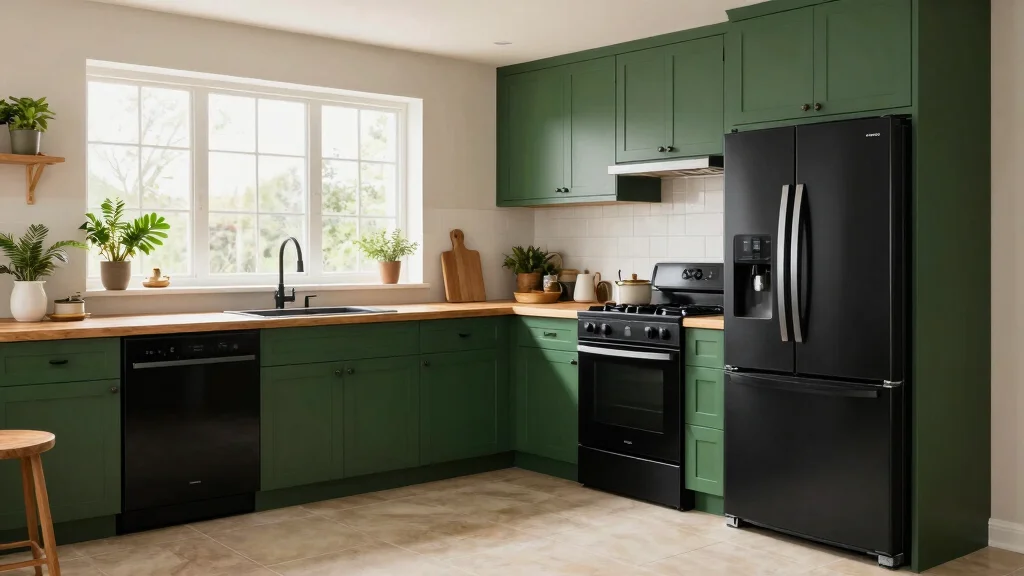

Declutter Your Home into a Sanctuary — Fast & Easy!
Master the 3-Box Method + Sell Clutter for $1,000 Cash (No Storage Fees!)
👉 Download Now – Just $2.90!Creating a kitchen that feels like a warm, inviting space can transform your home into a sanctuary for both cooking and gathering. Recently, I’ve been craving that blend of natural beauty and sustainability that green and wood kitchens offer. There’s something about the organic hues and textures that instantly brings a sense of calm and connection to nature. If you’re someone who loves rustic kitchen decor and eco-friendly designs, you’ll find this post particularly appealing.
I’ve gathered 16 stunning green and wood kitchen ideas that will inspire you to create a space that radiates warmth and sustainability. Whether you’re planning a complete remodel or just looking to refresh your current kitchen, these ideas are practical, stylish, and easy to implement. You’ll discover how to incorporate natural materials, warm color palettes, and sustainable home decor into your kitchen, making it a perfect gathering place for family and friends.
From sage green cabinets to reclaimed wood accents, there’s a wealth of inspiration awaiting you. Let’s dive into these ideas that promise to create a kitchen you’ll love spending time in, filled with warmth and character.
Key Takeaways
– Explore the beauty of sage green cabinets that add a refreshing touch while creating a serene ambiance.
– Discover reclaimed wood accents to bring rustic charm and sustainability into your kitchen design.
– Learn how an indoor herb garden can enhance your cooking experience and improve air quality.
– Embrace natural material countertops for a durable and eco-friendly work surface that looks stunning.
– Find out how warm lighting can elevate the overall atmosphere, making your kitchen a cozy retreat.
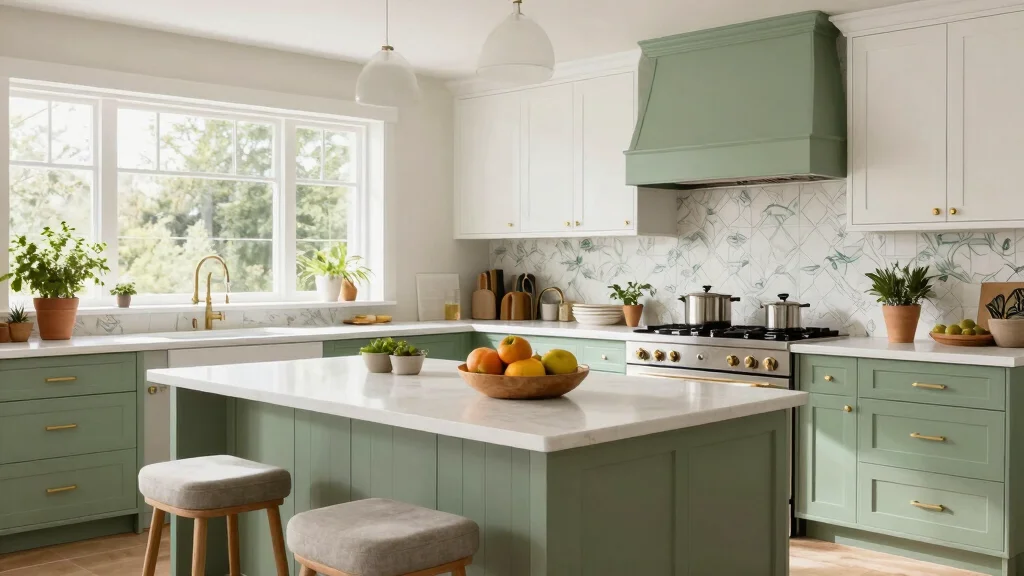
1. Sage Green Cabinets

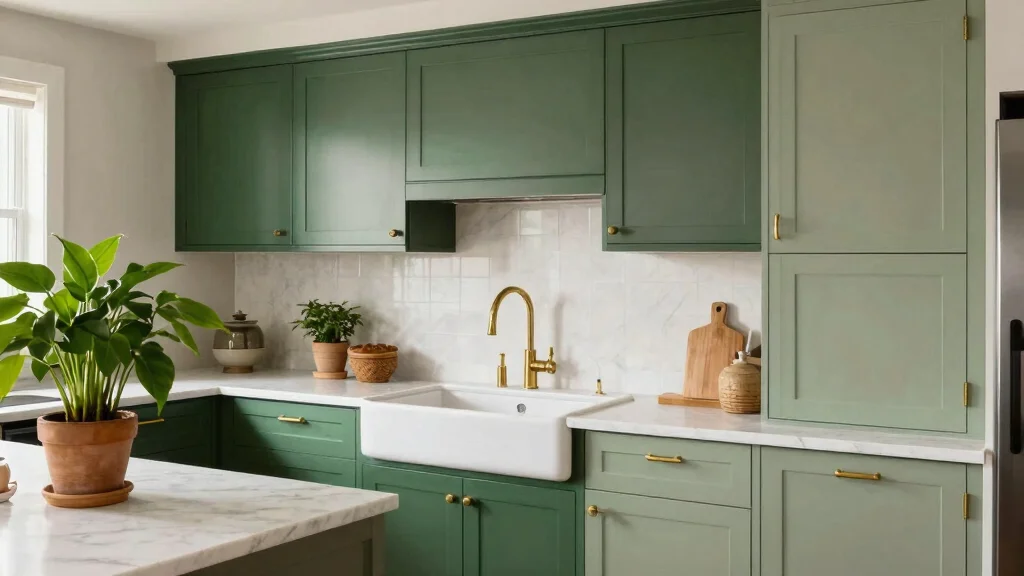
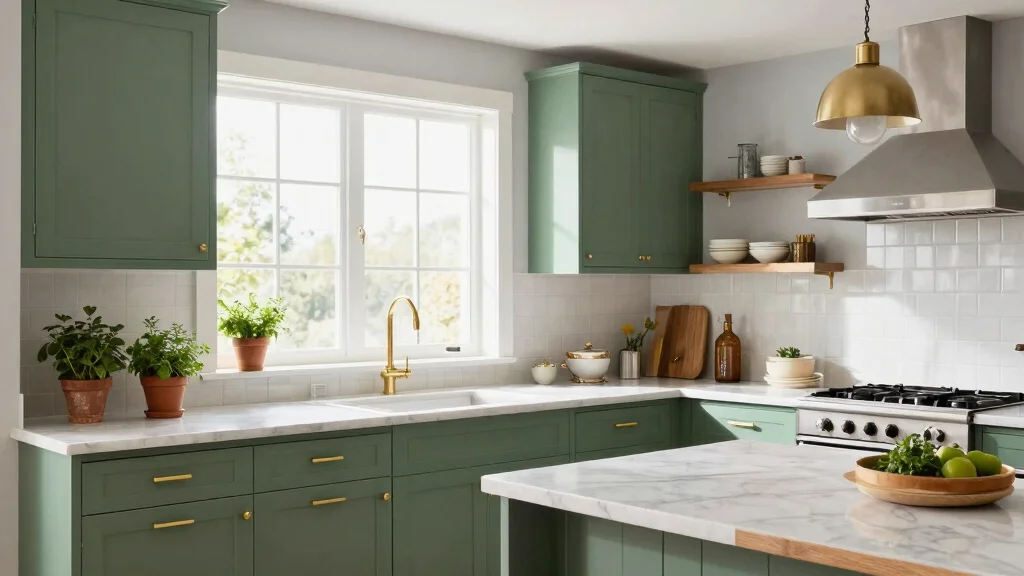
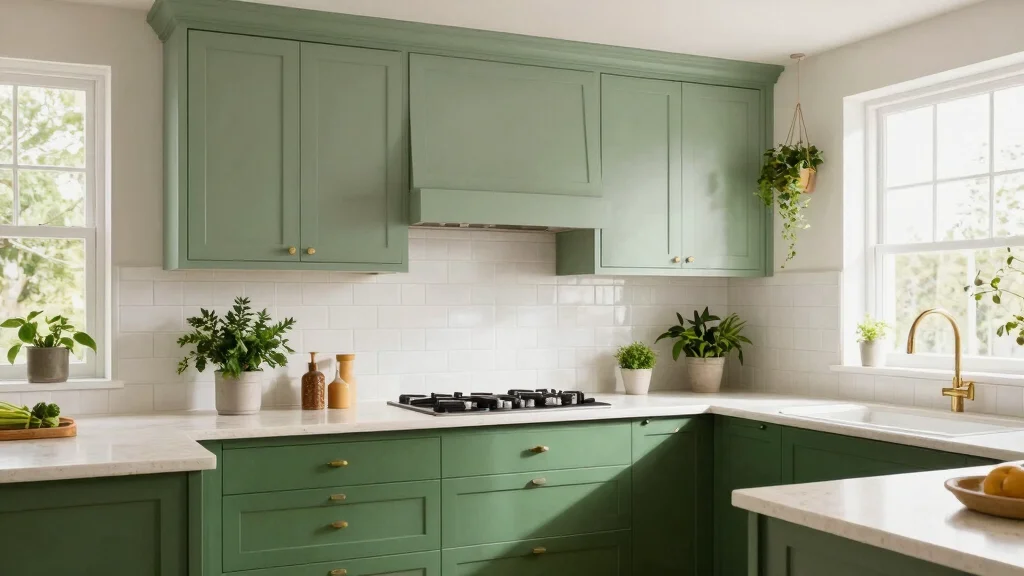
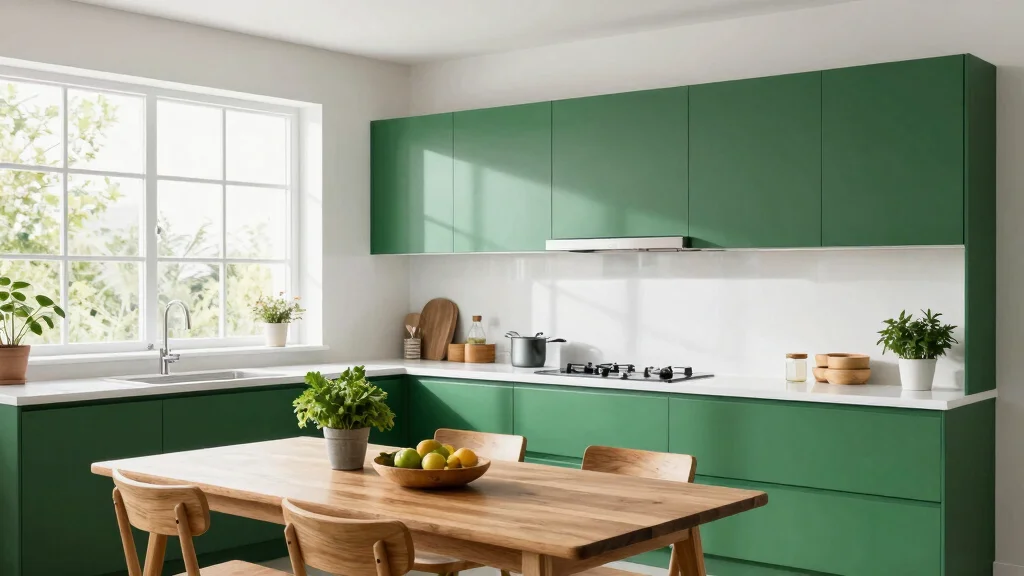
Sage green cabinets serve as a soothing anchor in your kitchen. This gentle hue brings a sense of calm and depth, creating a perfect backdrop for natural wood features. Imagine the soft green paired with warm oak shelves, inviting you to explore your kitchen with a sense of comfort and style. Adding brass hardware enhances the vintage vibe, beautifully contrasting with the green and wood aesthetics.
For a successful implementation, consider opting for a matte finish that lends a modern touch. Natural wood countertops will deepen the earthy ambiance, while a white backsplash offers a fresh, clean look that pops against the sage. Indoor plants can add a lively element, keeping the natural theme consistent.
Consider these elements to maximize this palette’s potential:
– Pair sage-painted lower cabinets with open oak shelving
– Install butcher block countertops alongside painted islands
– Use walnut handles on green cabinet doors
This combination not only elevates the visual appeal but also enhances the kitchen’s eco-friendly essence.
2. Reclaimed Wood Accents
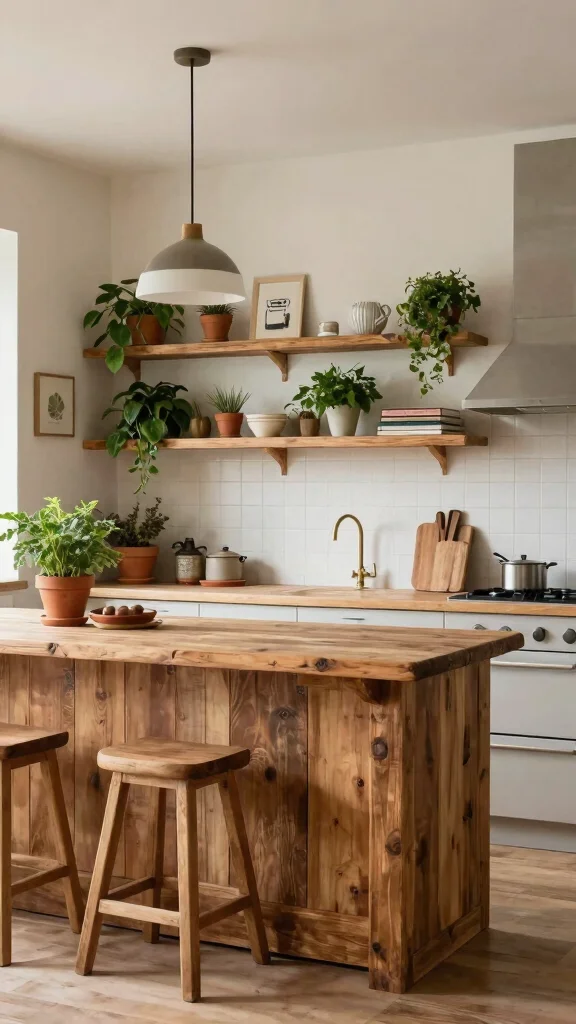
Integrating reclaimed wood into your kitchen design offers both charm and sustainability. This material is perfect for bar stools, shelving, or even a unique kitchen island, infusing your space with rustic warmth while promoting eco-conscious choices. Each piece carries its own narrative, enriching the kitchen’s character without sacrificing style.
You can blend reclaimed wood with contemporary features, such as sleek metal fixtures, to achieve a harmonious balance between the rustic and the modern. This approach not only beautifies your kitchen but also supports sustainable practices.
Consider these ideas for incorporation:
– Create a kitchen island from reclaimed wood for a unique centerpiece
– Use reclaimed wood for open shelving to display cookbooks and plants
– Add wooden bar stools for a casual dining area
This thoughtful design choice cultivates a warm and inviting atmosphere that champions eco-friendly living.
3. Indoor Herb Garden
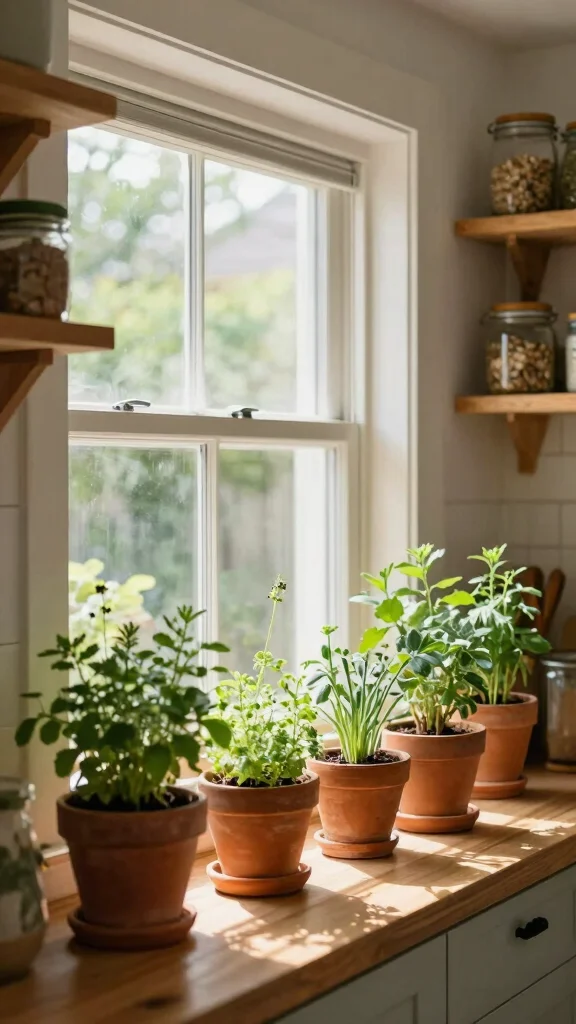
An indoor herb garden not only enhances your kitchen’s beauty but also adds functionality. Imagine having fresh basil, rosemary, and mint growing just a reach away! These herbs thrive in sunny spots on windowsills or under grow lights if natural light is limited, making them easy to incorporate into your decor.
Integrate small pots into your kitchen’s aesthetic using wooden plant stands or wall-mounted planters to save space and add greenery. Having fresh herbs at your fingertips enriches your cooking experience and brings nature indoors.
Here are some benefits of having herbs:
– Fresh herbs enhance the flavors in your cooking
– They improve air quality indoors, promoting a healthier environment
– It’s a fun way to involve the family in cooking and gardening!
Choosing pots that harmonize with your kitchen’s color palette creates a cohesive and inviting atmosphere.
“Green and wood kitchen ideas shine with an indoor herb garden you can actually use. Keep fresh basil, rosemary, and mint within reach on sunny windowsills, then elevate the look with wooden plant stands.”
4. Green Backsplash

A green backsplash can become a stunning focal point in your kitchen! Whether you opt for glossy tiles or a matte finish, a splash of green adds a refreshing burst of color that unifies your design. Shades like deep emerald or soft mint can transform your space, especially when paired with light wood cabinets for a striking contrast.
To enhance functionality while elevating style, consider using ceramic or glass tiles that are easy to maintain. A mosaic pattern can introduce texture and visual interest, while mixing shades of green creates a dynamic and lively look.
Here are some installation tips:
– Use ceramic or glass tiles for easy maintenance
– Consider a mosaic pattern for added texture and visual interest
– Don’t hesitate to mix shades of green for a dynamic look!
This vibrant addition can turn a standard kitchen into an engaging space that invigorates the entire atmosphere.
5. Natural Material Countertops

Choosing natural materials for your countertops can significantly elevate your kitchen’s design. Options like butcher block, granite, or quartzite merge functionality with aesthetics, providing durability while showcasing eco-friendly choices, especially when sourced locally. Each material brings its own unique patterns and colors, creating a one-of-a-kind centerpiece.
Butcher block offers warmth and is ideal for food prep, while quartzite can mimic the elegance of marble. Reclaimed wood adds an eco-conscious touch, and it’s essential to treat natural countertops with care for longevity.
Consider these countertop ideas:
– Butcher block is warm, inviting, and perfect for food prep
– Quartzite is a strong selection that can mimic marble’s elegance
– Use reclaimed wood for an eco-friendly flair
These materials not only enhance the kitchen’s rustic charm but also contribute to a sophisticated cooking environment.
Fun fact: Natural countertops like butcher block, granite, and quartzite each have unique grain patterns—and when locally sourced, you can cut transport emissions by up to 40% and enjoy faster turnaround. Plus, supporting local suppliers keeps eco-friendly, sustainable kitchen design moving forward.
How To Choose Eco-Friendly Materials for Your Green and Wood Kitchen
Choosing the right materials for your kitchen can create a natural, warm space that feels inviting while also being sustainable. When selecting eco-friendly materials, consider the following factors to ensure you make choices that align with your vision and values.
1. Material Type
Start by considering the types of materials you want to incorporate. Look for options like bamboo, reclaimed wood, or recycled materials. These choices not only bring warmth and character to your kitchen but are also sustainable. For example, bamboo grows rapidly and is a strong, durable option for flooring or cabinetry.
2. Source and Certification
Always check where your materials come from. Look for certifications like Forest Stewardship Council (FSC) or Cradle to Cradle. These certifications ensure the materials are sourced responsibly. Knowing the source can give you confidence that your choices support sustainable practices and reduce environmental impact.
3. Color Palette
Consider how colors can affect the overall feel of your kitchen. Warm colors, such as sage green or earthy browns, can create a cozy atmosphere. Choose materials that complement these colors. For instance, pairing light wood with green accents can enhance the natural vibe. This not only looks good but can make your space feel more inviting and calm.
4. Durability and Maintenance
Select materials that withstand wear and tear, especially in a high-use area like the kitchen. Hardwood flooring or quartz countertops are great choices because they are both durable and easy to clean. Ensure that the materials you choose require minimal maintenance to keep them looking beautiful over time. This can save you time and money in the long run.
5. Budget Considerations
Establish your budget before you begin selecting materials. Eco-friendly options can sometimes come at a premium, so it’s good to know how much you’re willing to spend. Look for materials that fit your budget while still meeting your eco-conscious standards. Consider investing in high-quality materials that may cost more upfront but will last longer and reduce replacement costs later.
6. Aesthetic Appeal
Finally, think about how the materials will fit into your kitchen’s overall design. Do you prefer a rustic look with barn wood accents or a sleek modern style with eco-friendly glass? Make sure that the aesthetic aligns with your vision for your kitchen. Mixing different textures and colors can add depth and interest to your space while keeping it cohesive.
Pro Tip: Don’t rush the selection process. Take your time to explore various materials and designs. Visit local showrooms or browse online galleries to get inspired. Sometimes, seeing materials in person can help you make better choices that resonate with your style and sustainability goals.
By carefully considering these factors, you can choose eco-friendly materials for your green and wood kitchen that not only enhance its beauty but also contribute positively to the environment. This approach will help you create a space that feels both natural and warm, aligning perfectly with your sustainable home decor aspirations.
6. Earthy Color Palettes

Earthy color palettes radiate warmth and comfort, making them ideal for kitchen design. Envision soft browns, muted greens, and gentle whites that echo the beauty of the natural world. These tones create a serene atmosphere, inviting relaxation while you cook or dine.
Incorporating these hues with natural wood elements amplifies the cozy feel throughout the space. Light colors on walls can open up the kitchen, while darker wood tones add depth and contrast.
Here are some palette tips:
– Use light colors for walls to create an airy feel
– Incorporate darker wood tones for cabinets or furniture to add contrast
– Accessorize with green plants to add life to the space
By sticking to these earthy tones, you can truly achieve a nature-inspired kitchen that feels both warm and welcoming.
Fun fact: Kitchens that embrace earthy color palettes with natural wood can boost perceived warmth and calm by up to 40%. Pair soft browns, muted greens, and whites to create a practical, inviting space—your green and wood kitchen ideas come alive.
7. Eco-Friendly Appliances
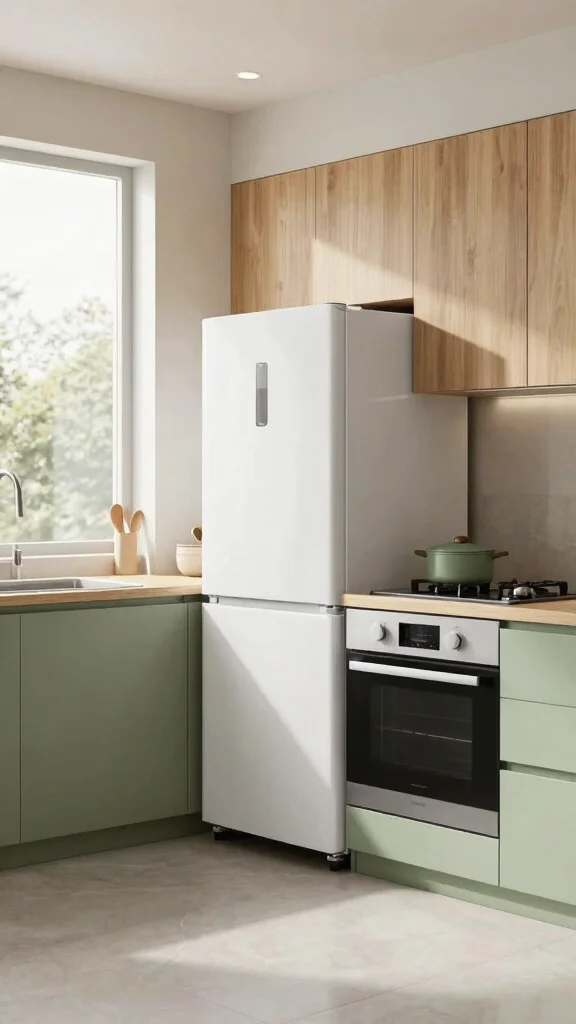
Choosing eco-friendly appliances is a smart step towards creating a sustainable kitchen. Seek out Energy Star-rated devices that minimize energy usage while delivering excellent performance. Many modern designs blend seamlessly with wooden elements, ensuring they fit your aesthetic beautifully.
Opting for appliances in shades of green or natural colors can maintain the kitchen’s cohesive look. These choices not only contribute to environmental sustainability but also enhance your kitchen’s overall appearance.
Here are some benefits of eco-friendly appliances:
– They can save you money on energy bills over time
– Reduce your environmental footprint
– Modern options are often more efficient and come with advanced technology
Investing in eco-friendly appliances is a practical choice for both your home and the planet!
8. Warm Wood Flooring
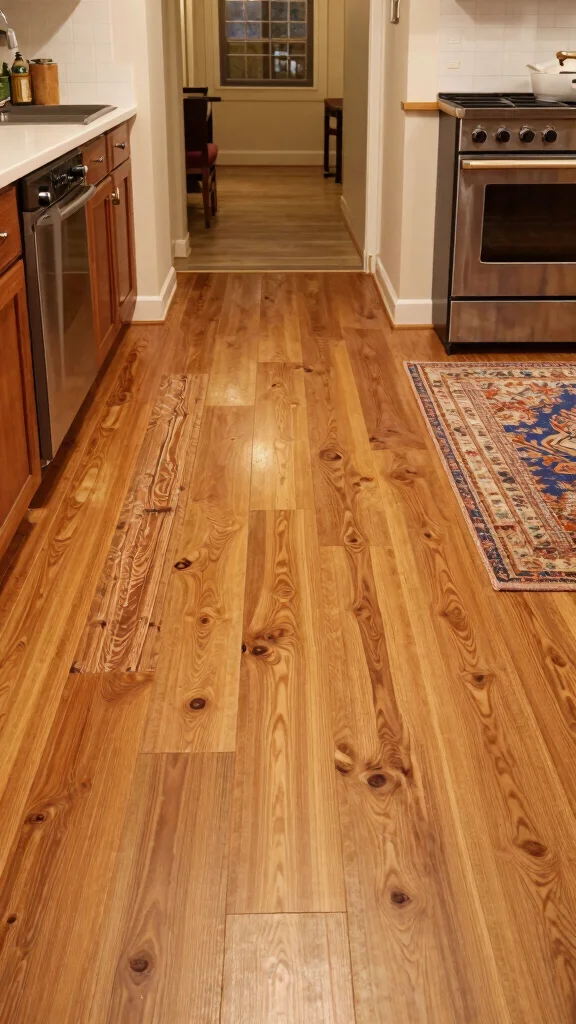
Warm wood flooring introduces natural elegance into your kitchen. Opt for rich shades like oak, walnut, or cherry that withstand moisture while providing a cozy ambiance. Such flooring creates a seamless transition between your kitchen and living areas, enhancing the trend of open-concept designs.
Complementary colorful rugs can add comfort and define different zones within the kitchen. Proper finishing helps protect against scratches and stains, keeping your floors looking pristine.
Here are some flooring tips:
– Choose finishes that protect against scratches and stains
– Consider the grain direction for visual interest
– Use area rugs to complement your color scheme
The warmth of wood flooring can greatly enhance the inviting nature of your kitchen, making it a perfect gathering space.


9. Ceiling Beams

Exposed ceiling beams can add character and height to your kitchen. This architectural feature brings a rustic quality while visually expanding the space. Whether left natural or painted, beams can beautifully complement your green and wood palette, providing opportunities for additional lighting fixtures.
Incorporating pendant lights hung from the beams can enhance both functionality and ambiance, creating a stunning visual effect. Reclaimed wood beams can also add a sustainable touch to your kitchen design.
Consider these tips for beams:
– Use reclaimed wood for a more sustainable option
– Consider adding pendant lights hanging from the beams for visual interest
– Stain beams in a contrasting color to highlight them against white ceilings!
Adding ceiling beams creates a striking focal point that enriches your kitchen’s overall appeal.
10. Natural Light Emphasis

Maximizing natural light is vital for a warm and inviting kitchen. Large windows, skylights, and glass doors can flood your space with sunlight, beautifully showcasing the green and wood features. Sheer curtains can allow light in while ensuring your privacy is maintained.
An open layout enhances light flow, making the kitchen feel vibrant and connected to the outdoors. Reflective surfaces, like glass or shiny tiles, can further amplify brightness and warmth.
Here are some light tips:
– Opt for reflective surfaces like glass or shiny tiles to bounce light around
– Use strategically placed mirrors to amplify light
– Choose light-colored walls to maximize brightness!
By emphasizing natural light, you not only enhance aesthetics but also promote a positive and uplifting kitchen environment.
11. Rustic Light Fixtures
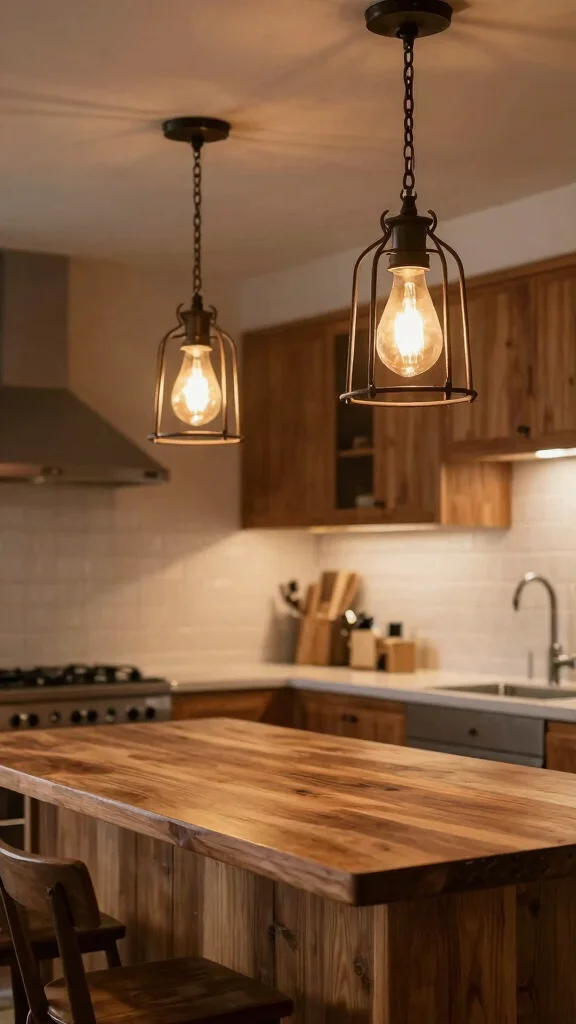
Rustic light fixtures can add a unique charm and personality to your kitchen. Think of wrought iron chandeliers, vintage pendant lights, or wooden sconces that echo your design theme. These fixtures can act as statement pieces, drawing attention and enhancing the rustic decor.
Select fixtures that harmonize with your wood tones for a cohesive look. Incorporating dimmer switches allows you to customize the ambiance, making your kitchen welcoming for any occasion.
Consider these lighting tips:
– Incorporate dimmer switches for adjustable ambiance
– Use Edison bulbs for a vintage touch
– Ensure the size of the fixtures fits the scale of your kitchen
Integrating rustic lighting into your kitchen creates a warm, inviting atmosphere perfect for cooking and gathering with loved ones.
12. Textured Baskets and Storage

Incorporating textured baskets as storage solutions can elevate your kitchen’s decor while keeping it organized. Natural fibers like rattan or jute blend beautifully with green and wood elements, adding layers of texture and warmth. These baskets can serve multiple purposes, whether storing fruits or neatly organizing kitchen towels.
Place them on shelves or hang them on hooks to showcase their charm while ensuring easy access. Choosing varied sizes introduces visual interest and practicality to your kitchen.
Here are some storage tips:
– Choose varied sizes for visual interest
– Use labeled baskets for functionality
– Consider color-coordinated baskets to match your palette!
These stylish storage solutions enhance your kitchen’s natural aesthetic while keeping it clutter-free.
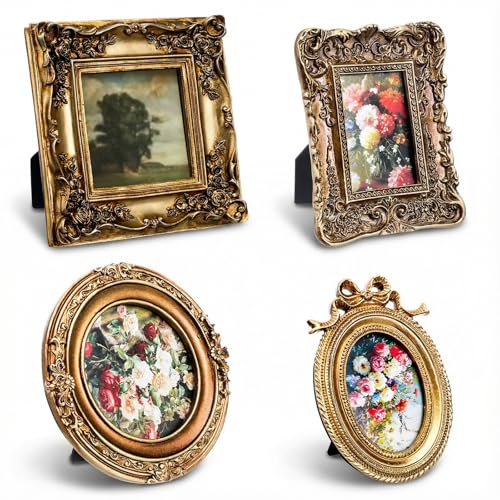
13. Unique Wall Art
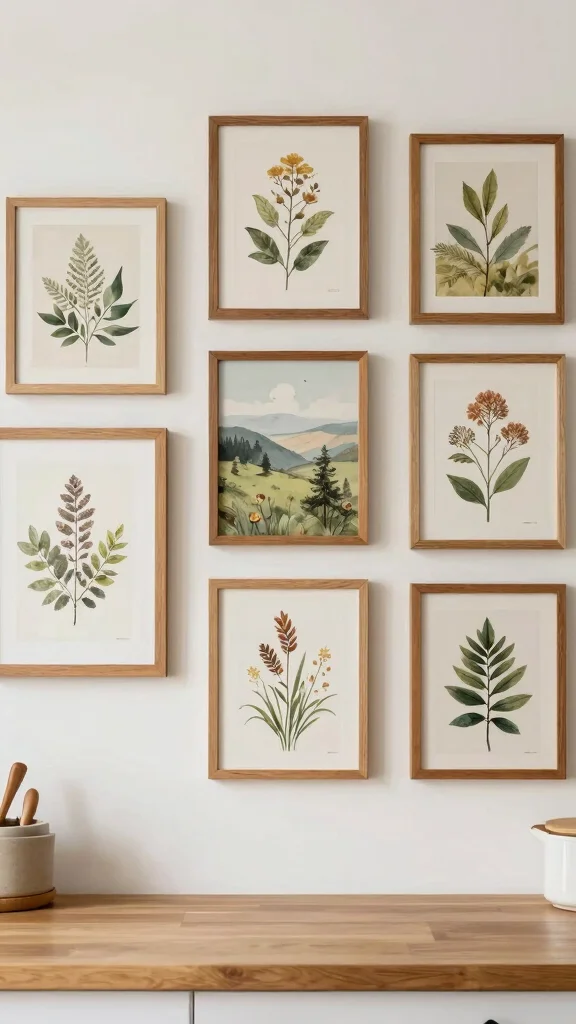
Decorate your kitchen walls with unique art pieces that resonate with nature, bringing character and warmth to the space. Consider prints of herbs, vegetables, or landscapes that inspire you and connect with your cooking environment. Using natural wood frames can enhance the overall theme, providing a lovely contrast against soft green walls.
Hanging art can also introduce vertical interest in smaller kitchens, making the space feel more dynamic. Personal touches in your decor can create a welcoming atmosphere.
Here are some art ideas:
– Create a gallery wall with framed prints and botanical sketches
– Use wooden or woven wall hangings for an artisanal touch
– Incorporate chalkboard art for a functional twist!
This personal touch transforms your kitchen into a space that reflects your taste and appreciation for the natural world.




14. Family-Style Dining

Creating a family-style dining area in your kitchen fosters togetherness and comfort. A large wooden table surrounded by mismatched chairs creates a relaxed dining atmosphere that invites everyone to gather. Adding fresh flowers or greenery as centerpieces enhances the natural feel, making the space even more inviting.
Combining chairs and benches can create a cozy, intimate setting for meals. This setup encourages conversation and connection, making your kitchen the heart of the home.
Here are some dining tips:
– Use place settings that reflect your earthy palette
– Keep it casual with textured linens
– Make it personal with family photos and mementos on display!
This layout encourages warmth and unity over shared meals, making your kitchen a cherished gathering spot.
15. Eco-Friendly Textiles

Incorporating eco-friendly textiles in your kitchen enhances comfort while promoting sustainability. Look for organic cotton or linen for dish towels, table runners, and chair cushions that complement your wooden elements. These natural fibers add softness to your design, creating a warm and inviting atmosphere.
Select colors that align with your green and wood palette for a cohesive look throughout the kitchen. Using textures and patterns can bring visual interest while ensuring practicality.
Here are some textile tips:
– Choose machine-washable fabrics for practicality
– Incorporate patterns like stripes or florals to add visual interest
– Rotate textiles seasonally for a fresh look!
Investing in eco-friendly textiles is a simple yet effective way to enhance your kitchen’s warmth and style.
16. Warm Lighting

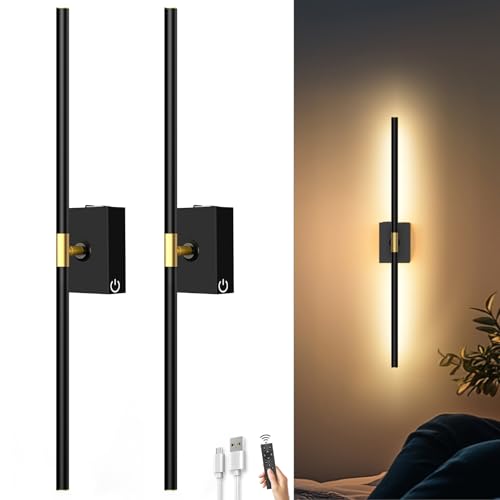
Warm lighting is essential for setting the mood in your kitchen, enhancing the inviting qualities of green and wood elements. Opt for warm white LED bulbs to create a cozy glow that envelops the space. Layer your lighting with pendant lights, under-cabinet fixtures, and wall sconces for depth and dimension.
Incorporating dimmers allows you to adjust brightness based on the time of day or occasion, making your kitchen versatile for any gathering. Thoughtful placement of fixtures can also enhance your kitchen’s rustic style.
Consider these lighting tips:
– Choose fixtures that mirror your rustic style
– Experiment with the placement to find your ideal ambiance
– Warm lighting can make your kitchen feel homey and welcoming!
Incorporating warm lighting completes your kitchen’s aesthetic, creating a perfect gathering spot for family and friends.


Conclusion

These 16 green and wood kitchen ideas bring the essence of nature into your home, creating a space that is both functional and inviting.
With a focus on sustainable design and natural materials, you can cultivate a warm atmosphere where family and friends feel at ease.
Embrace the beauty of eco-friendly elements and let your kitchen reflect your values while being a true gathering space.
Related Topics
home decor
sustainable kitchen
eco-friendly design
green and wood
rustic kitchen decor
natural materials
warm color palettes
kitchen styling
DIY kitchen
beginner tips
modern rustic
sustainable living