
Declutter Your Home into a Sanctuary — Fast & Easy!
Master the 3-Box Method + Sell Clutter for $1,000 Cash (No Storage Fees!)
👉 Download Now – Just $2.90!Creating a comfortable bedroom is essential for your well-being. This space should be a sanctuary where you can unwind and recharge. I put this post together because I understand how overwhelming it can be to figure out how to arrange furniture in a small bedroom without sacrificing comfort. The right layout can transform your space into a cozy retreat, making it feel more inviting and functional.
If you’re someone who struggles with maximizing space in your bedroom or simply wants to create a more inviting atmosphere, this guide is for you. Whether you’re aiming for a minimalist aesthetic or want to incorporate personal touches, these tips will help you. I’ve compiled 18 effective furniture placement tips that are practical, easy to implement, and perfect for small spaces. You’ll discover clever ways to arrange furniture while keeping comfort at the forefront of your design.
Get ready to explore innovative bedroom layout ideas that will not only enhance your comfort but also help you create a cozy bedroom design that reflects your personal style. With these ideas, you’ll find simple yet impactful ways to maximize your space and create a relaxing environment that feels just right for you.
Key Takeaways
– Prioritize the bed placement: Position your bed against a solid wall and away from the door to create a calming focal point in the room.
– Maximize vertical space: Use shelves and wall-mounted storage to keep the floor clear and free up valuable space for movement.
– Create a cozy reading corner: Add a small chair or a comfy seat in a well-lit corner to encourage relaxation and reading.
– Incorporate soft lighting: Use lamps or string lights to provide gentle lighting, which can enhance the room’s coziness.
– Personalize with decor: Add artwork and personal items that reflect your style to make the space truly feel like your own.




1. Prioritize the Bed Placement
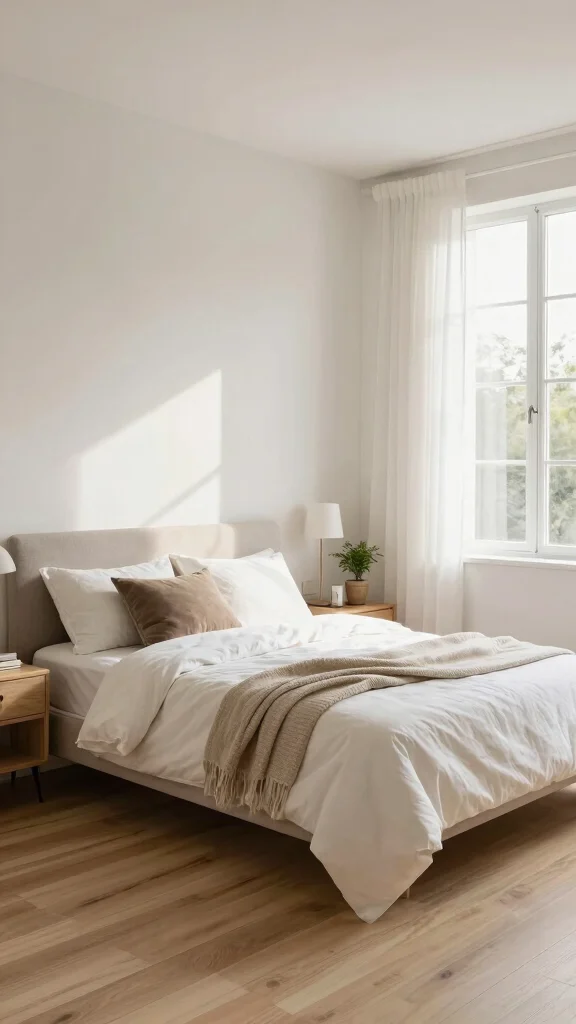
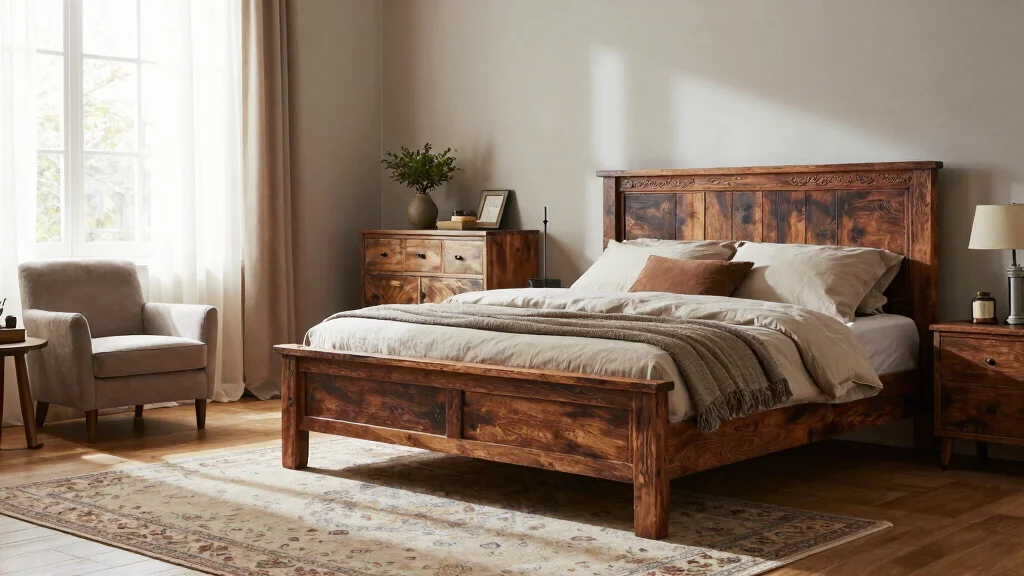
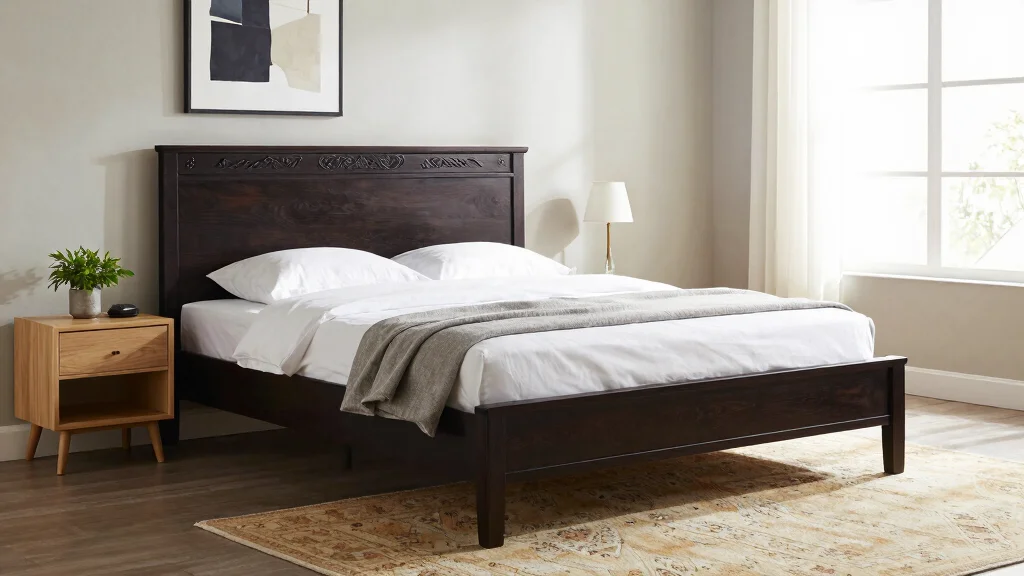
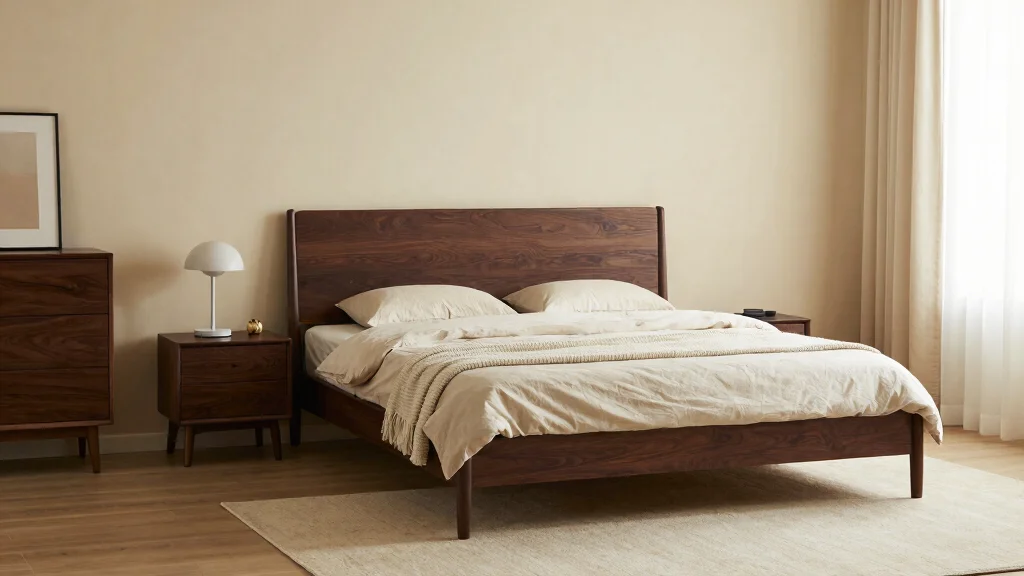
The placement of your bed is the heart of your bedroom design. Positioning it against the longest wall not only enhances visual harmony but also ensures that windows and doors remain unobstructed, allowing natural light to flood in. This setup invites a balanced look that feels spacious and welcoming.
Make sure to leave room on either side for nightstands, which provide essential storage and a perfect spot for lamps. A slight angle to the bed can create a cozy atmosphere, particularly in smaller rooms, giving the illusion of a larger space.
– Consider your view: Position the bed to enjoy a scenic view outside.
– Leave space for movement: Ensure there’s ample room to navigate around furniture.
– Sleep orientation: Aim for the bed to face the door for a sense of security.
– Experiment with height: Raise the bed with frames that include under-bed storage.
2. Maximize Vertical Space
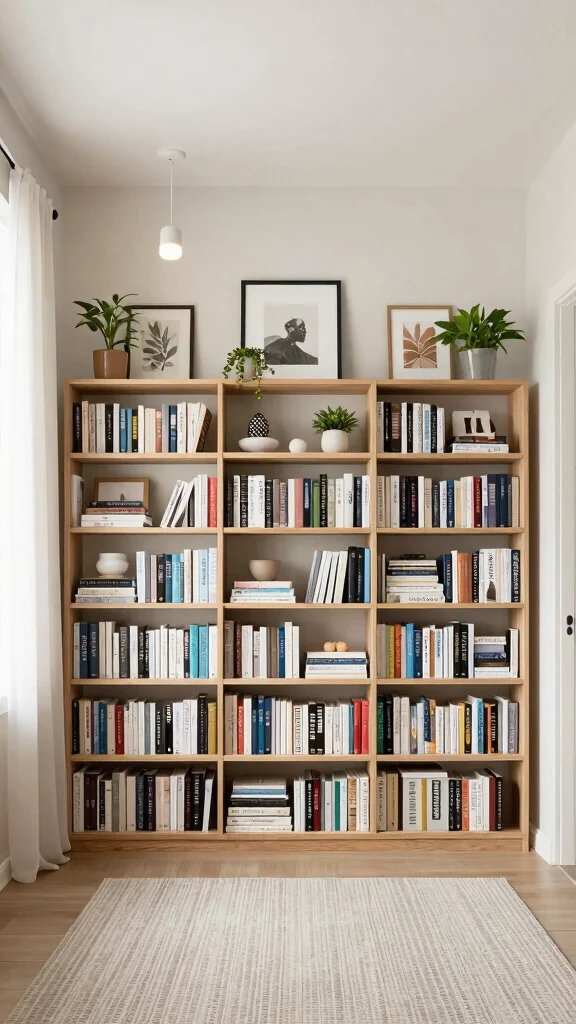
In a compact bedroom, thinking vertically can make a significant impact. Utilizing wall space with tall bookshelves or floating shelves not only clears the floor but also adds character and charm to your room. This technique draws the eye upward, creating the illusion of higher ceilings and a more open feel.
Incorporate hooks for accessories or bags to keep your space organized while maintaining a clean look. This approach aligns with current design trends that favor maximizing every inch of available space.
– Wall-mounted lighting: Swap bedside lamps for wall sconces to save space.
– Floating shelves: Install shelves to showcase decor or books.
– Tall furniture: Choose dressers that reach up to utilize height.
– Artwork: Hang large pieces or create a gallery wall higher up for added interest.


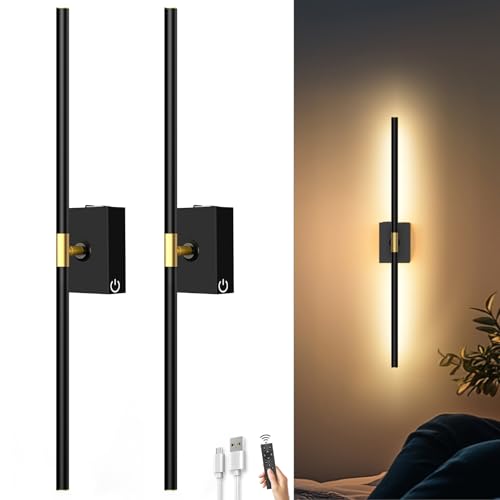
3. Create a Cozy Reading Corner
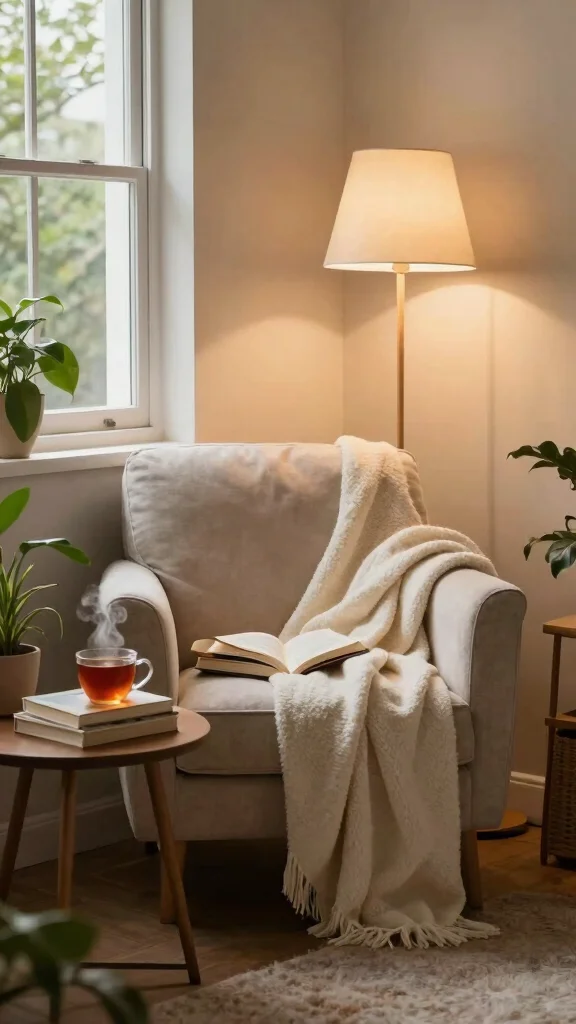
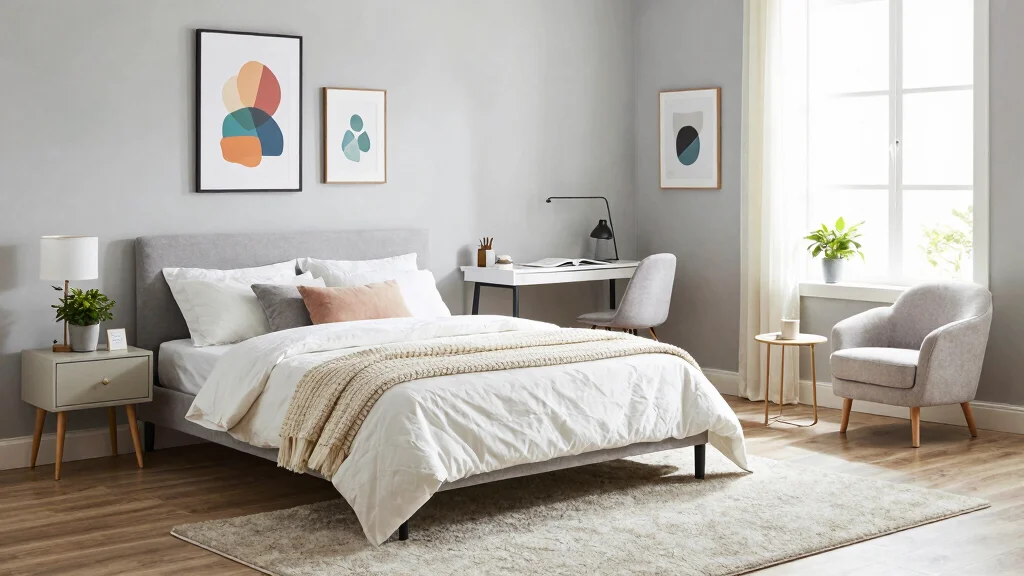
Every bedroom deserves a cozy nook for relaxation and unwinding. If you have the space, consider adding a comfortable chair or a small loveseat near a window, where you can bask in natural light while enjoying your favorite book. This little retreat enhances the warmth and comfort of your bedroom.
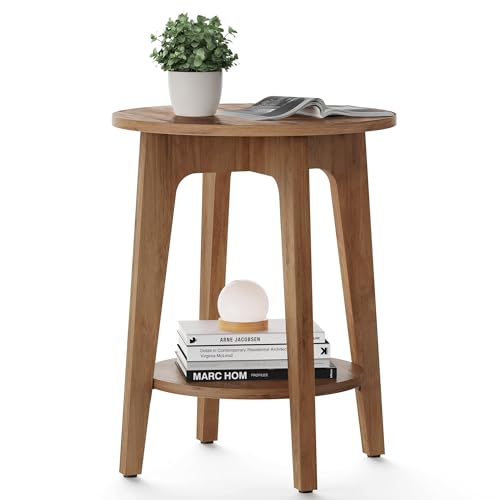
A small side table can hold your current read or a warm cup of tea, while a soft lamp provides gentle lighting for evening hours. This corner transforms your bedroom into a personal sanctuary, perfect for winding down.
– Use a pouf: Opt for a light pouf instead of a bulky chair for flexibility.
– Throw pillows and blankets: Add softness with cushions and cozy throws.
– Add a small bookshelf: Incorporate a slim shelf or cart to keep reading materials close.
– Personal touches: Decorate with framed photos or small artworks that reflect your personality.


4. Utilize Under-Bed Storage
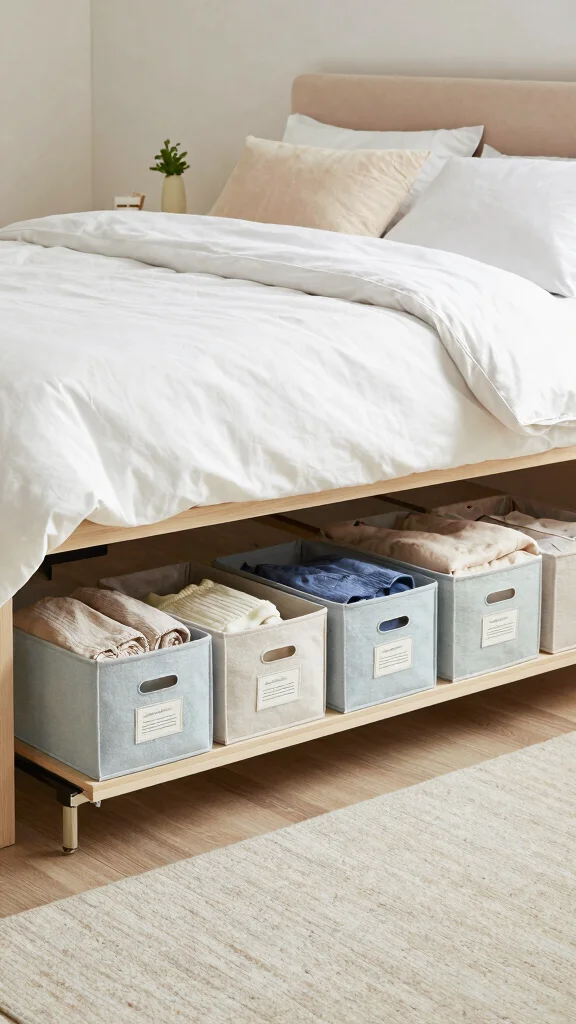
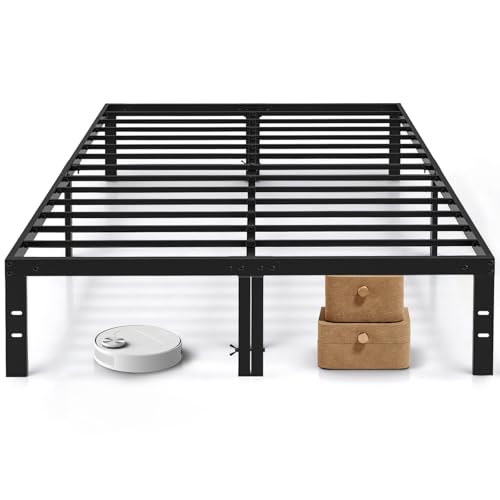
The under-bed area is often overlooked but can be a fantastic storage solution. Invest in bins or drawers that fit neatly beneath your bed to store linens, seasonal clothes, or shoes. This keeps your space tidy and maximizes your available area.
By organizing this hidden space, you make it easier to find what you need without cluttering the rest of your bedroom. Bed risers can also enhance storage capacity by providing more height for additional bins.
– Vacuum-sealed bags: Perfect for compressing clothes or bedding to save space.
– Rolling bins: Choose bins that roll out easily for quick access.
– Dividers: Incorporate dividers to keep smaller items organized.
– Labeling: Clearly label bins to streamline finding your belongings.
5. Choose Multi-Functional Furniture
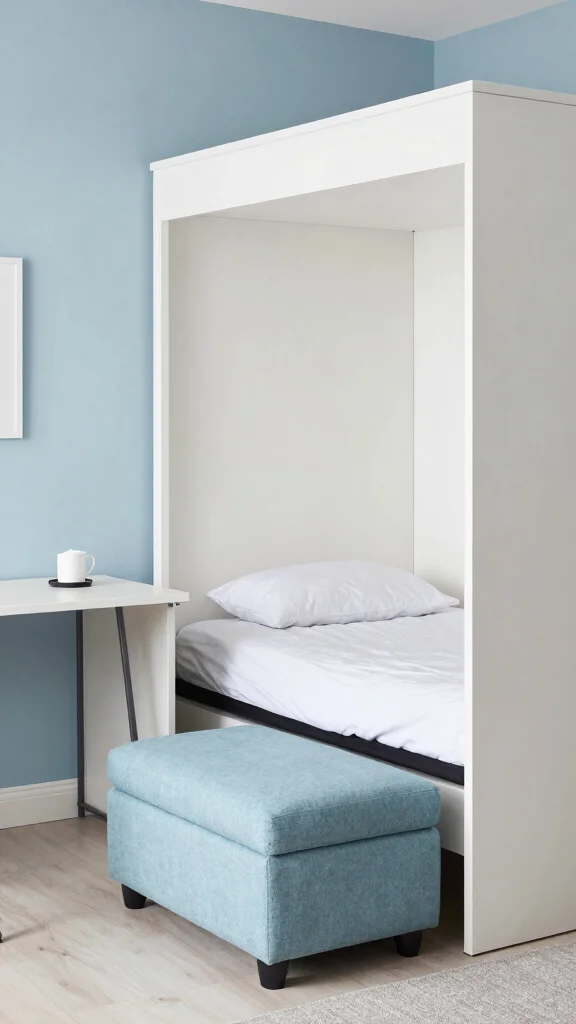
In smaller bedrooms, every piece of furniture should serve multiple purposes. Look for multi-functional items like beds with built-in drawers, benches that double as storage, or foldable desks that can be tucked away when not in use. This strategy effectively enhances your space.
These versatile pieces not only save space but also help reduce clutter, keeping your room feeling more open and inviting. Selecting furniture with dual functions ensures you get the most out of your investment.
– Ottomans with storage: Use these for seating and stashing away blankets.
– Murphy beds: Consider wall beds that fold up to save space.
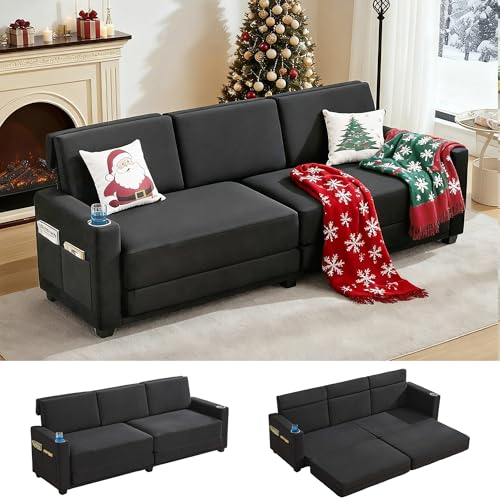
– Convertible sofas: Great for guest rooms, offering both seating and sleeping options.
– Drop-leaf tables: Ideal for a temporary workspace that can be easily stored away.


6. Layering Textiles for Warmth
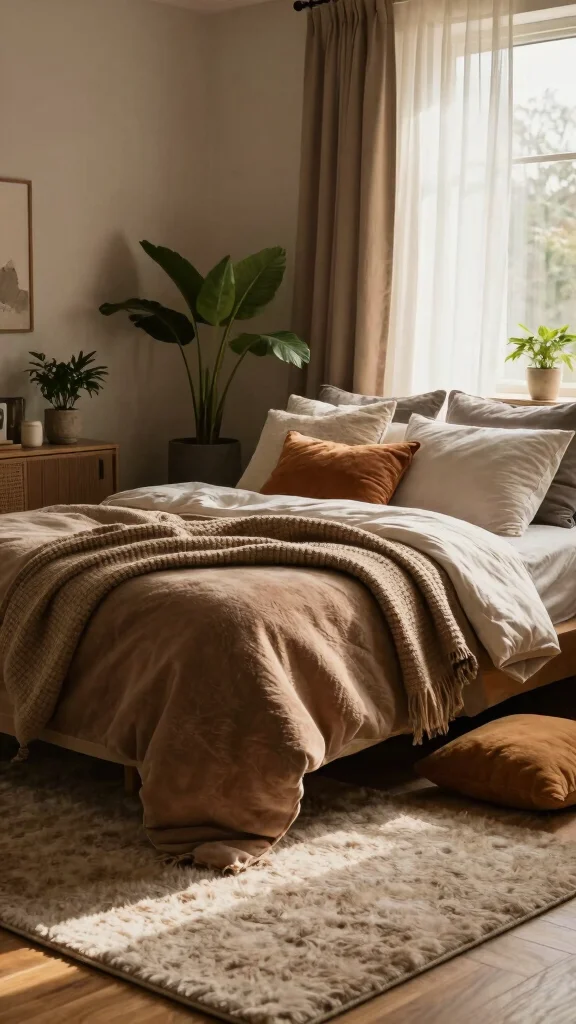
To create a warm and inviting atmosphere, layering textiles is key. Think about combining various materials like plush rugs, soft blankets, and textured throws to enhance comfort. This technique adds depth and visual interest to your bedroom design.
A chunky knit throw brings cozy style, while different fabric cushions make your bed feel extra inviting. Rugs can define spaces, anchoring furniture while adding a touch of softness underfoot.
– Mix patterns: Don’t hesitate to blend patterns and textures for an eclectic vibe.
– Include a quilt: A lightweight quilt adds warmth and color without bulk.
– Layer rugs: Experiment with layering smaller rugs over a larger base rug for added dimension.
– Use a variety of textures: Combine velvets, linens, and knits for a rich, cozy aesthetic.
7. Incorporate Soft Lighting
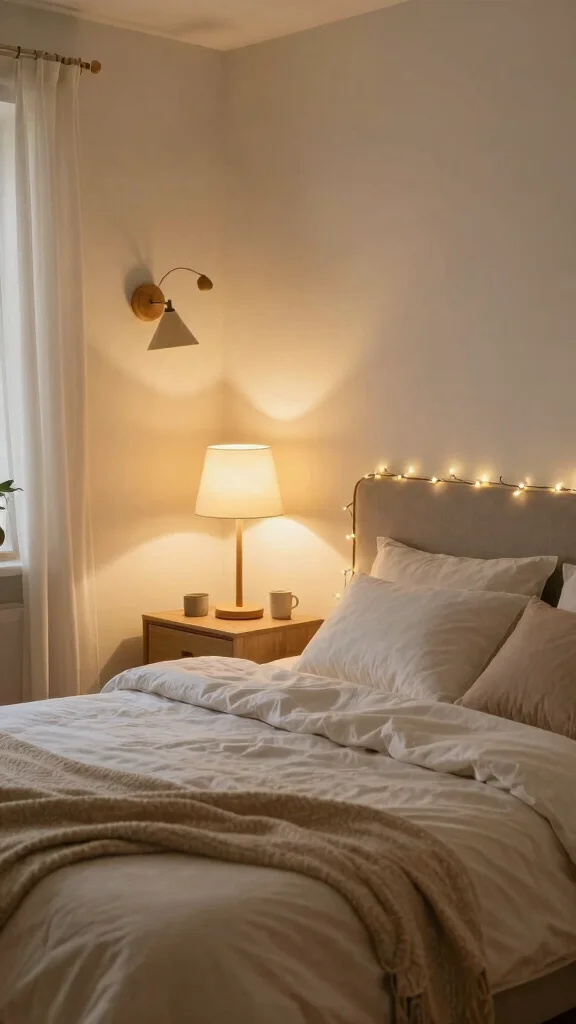
The right lighting dramatically influences your bedroom’s mood. Swap harsh overhead lights for softer options that create a warm and inviting atmosphere. Table lamps, fairy lights, or dimmable wall sconces are perfect for setting a cozy environment.
Utilizing a mix of ambient, task, and accent lighting helps define distinct areas in your room. Soft lighting not only boosts comfort but also enhances your decor, making it feel more personal and welcoming.
– Dimmer switches: Install these to adjust brightness as needed.
– Layer lighting: Use multiple sources to create depth and visual interest.
– LED strip lights: Consider placing LED strips under shelves or around your bed frame for a modern touch.
– Decorative lamps: Look for unique lamps that complement your decor while providing soft illumination.
8. Use Mirrors to Create Depth
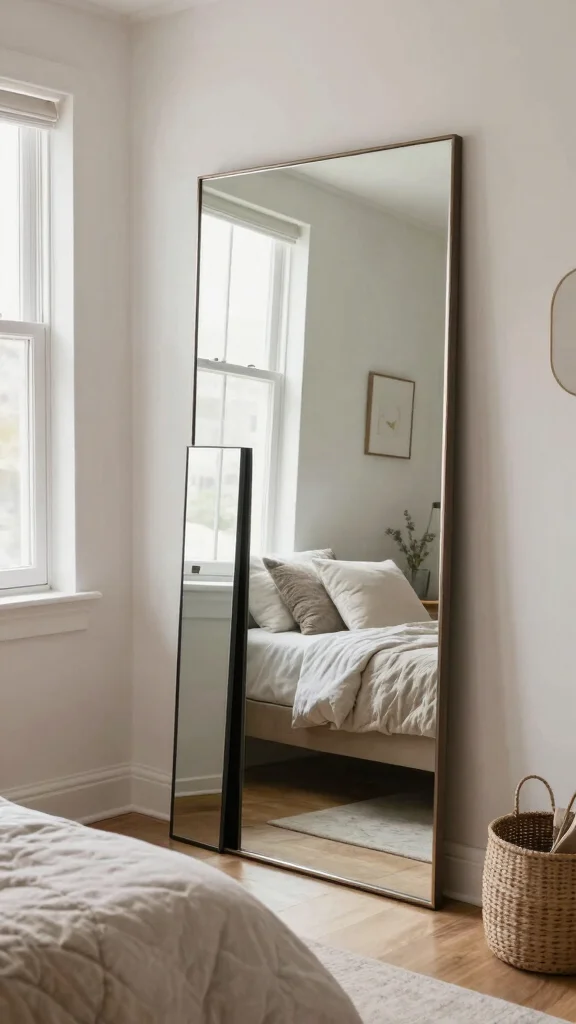
Mirrors are a small space’s best ally! They not only add a stylish touch to your decor but also create the illusion of more space and reflect light, making your room feel larger. Positioning a mirror opposite a window maximizes natural light and brightens the area.
Choose a large statement mirror or a collection of smaller mirrors for an artistic flair. You might even consider mirrored furniture to further enhance this effect.
– Mirrored nightstands: These add elegance while making your space feel open.
– Decorative wall mirrors: Create a gallery wall using mirrors of different shapes and sizes.
– Full-length mirror: This can serve a practical purpose while making the room feel more spacious.
– Placement: Be strategic about mirror placement to catch the best light.





How To Arrange Furniture in Your Bedroom for Maximum Comfort
Arranging furniture in your bedroom can be the key to creating a cozy atmosphere. Proper layout not only enhances the room’s functionality but also contributes to your overall comfort. Here are some furniture placement tips to help you create an inviting space.
1. Prioritize the Bed Placement
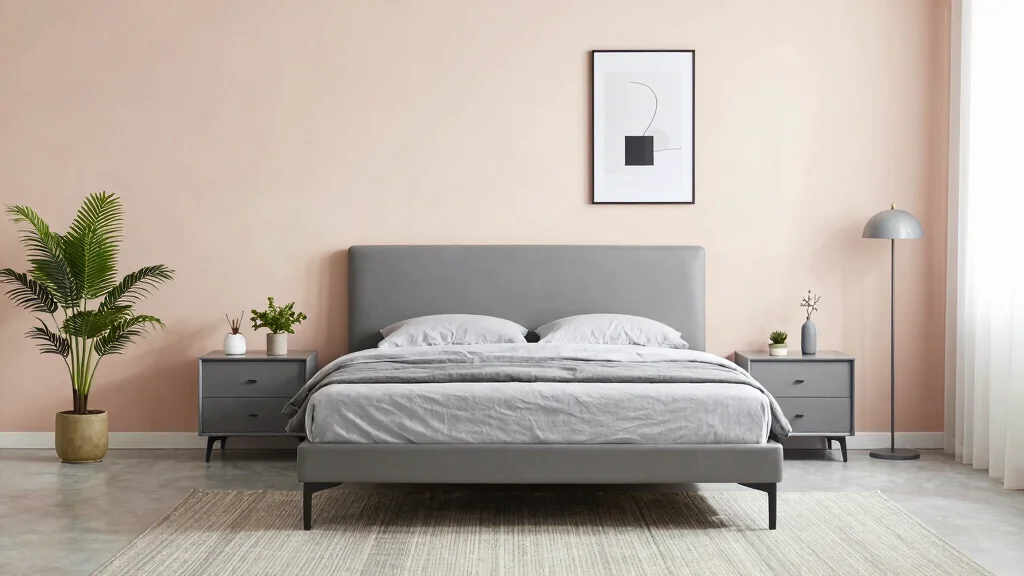
The bed is the focal point of your bedroom. Aim to position it against the wall opposite the door for a welcoming feel. Ensure there’s enough space to walk around it comfortably. If you have a large bed, consider leaving space on either side for nightstands, which can help maximize storage and create a balanced look.
2. Maximize Vertical Space
In small bedrooms, use vertical space to your advantage. Shelving units or tall bookshelves can create extra storage without taking up too much floor space. Hang artwork or mirrors higher up on the walls to draw the eye upward, making the room feel taller and more spacious.
3. Create a Cozy Reading Corner
If you enjoy reading, carve out a cozy corner in your bedroom. Place a comfortable chair or a small loveseat in a corner, paired with a small side table and a lamp. This creates a personal retreat where you can unwind. Make sure it’s well-lit and away from distractions.
4. Utilize Under-Bed Storage
Space can be limited in a small bedroom, so make use of the area under your bed. Store seasonal clothes or extra bedding in bins that slide easily beneath the bed. This keeps your room looking tidy while maximizing your storage options.
5. Choose Multi-Functional Furniture
Selecting furniture that serves more than one purpose can save space. For example, use an ottoman that doubles as storage or a nightstand with drawers. A fold-out desk can also create a workspace without permanently occupying floor space.
6. Layering Textiles for Warmth
Add a mix of textures to your bedding and decor. Use layered blankets, pillows, and throws to create a warm, inviting feel. Consider different materials like cotton, wool, or faux fur to enhance the cozy atmosphere.
7. Incorporate Soft Lighting
Lighting plays a crucial role in setting the mood. Use soft, warm light sources like table lamps or string lights to create a relaxing environment. Consider dimmer switches so you can adjust the brightness according to your needs, whether you’re reading or winding down for sleep.
8. Use Mirrors to Create Depth
Mirrors can make a small bedroom feel larger and brighter. Position a mirror opposite a window to reflect natural light. Decorative mirrors can also serve as art pieces while enhancing the visual space of your room.
9. Keep it Neutral with Pops of Color
Choose a neutral color palette for larger furniture items to create a calm vibe. Add pops of color through accessories like cushions, rugs, and artwork. This keeps the space feeling balanced and inviting without overwhelming the senses.
10. Define Zones with Rugs
Rugs can help define different areas in your bedroom, especially in studio apartments. Place a rug under your bed or reading corner to visually separate spaces. This technique adds warmth and comfort while creating a cohesive look.
11. Personalize with Art and Decor
Incorporate personal touches through artwork and decor that reflect your style. Display photos, prints, or textiles that bring you joy. This personalizes the space, making it feel like your own sanctuary.
12. Embrace Minimalism
Less can be more in a small bedroom. Keep only what you need and love. A minimalist approach can help declutter your space, allowing you to focus on comfort and functionality.
13. Layer with Light Curtains
Choose light, airy curtains to allow natural light while providing privacy. Avoid heavy drapes that can make a room feel cramped. Sheer curtains can soften the look and allow for a breeze, enhancing comfort.
14. Incorporate Indoor Plants
Plants not only improve air quality but also add a touch of nature. Select low-maintenance plants suitable for your bedroom’s light conditions. This brings life into your space and contributes to a calming atmosphere.
15. Separate Work and Sleep Areas
If you work from home, try to create a separation between your work and sleep zones. Use furniture placement or room dividers to help define these spaces. This promotes a better work-life balance and reduces distractions.
16. Keep Accessories Functional
Limit decor to items that serve a purpose. For example, use decorative baskets for storage or stylish hooks for hanging accessories. This strategy keeps your space looking clean while still being functional.
17. Optimize Closet Space
Use closet organizers, such as shelves and storage bins, to keep your clothes tidy. Efficient closet organization can free up space in your bedroom, allowing you to maintain a serene environment.
18. Create a Personal Retreat
Finally, think about what makes you feel relaxed. Incorporate elements like scented candles, a sound machine, or favorite books. Personalizing your space fosters a retreat-like atmosphere, allowing you to unwind at the end of the day.
Pro Tip: Always step back and assess your layout. Walk around the room after arranging furniture to ensure everything feels comfortable and functional. Adjust as needed to create the perfect layout for your cozy bedroom design.




9. Keep it Neutral with Pops of Color
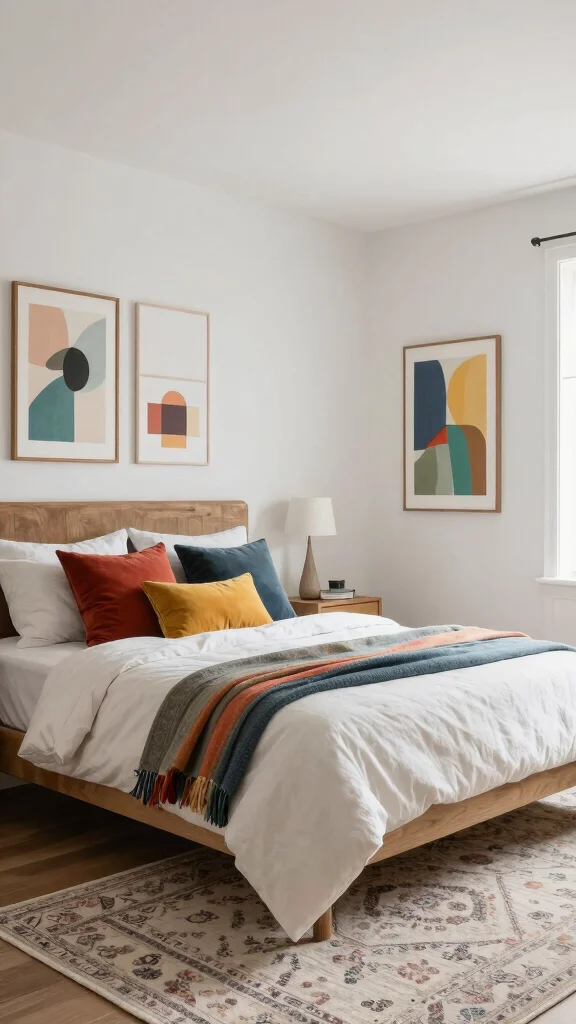
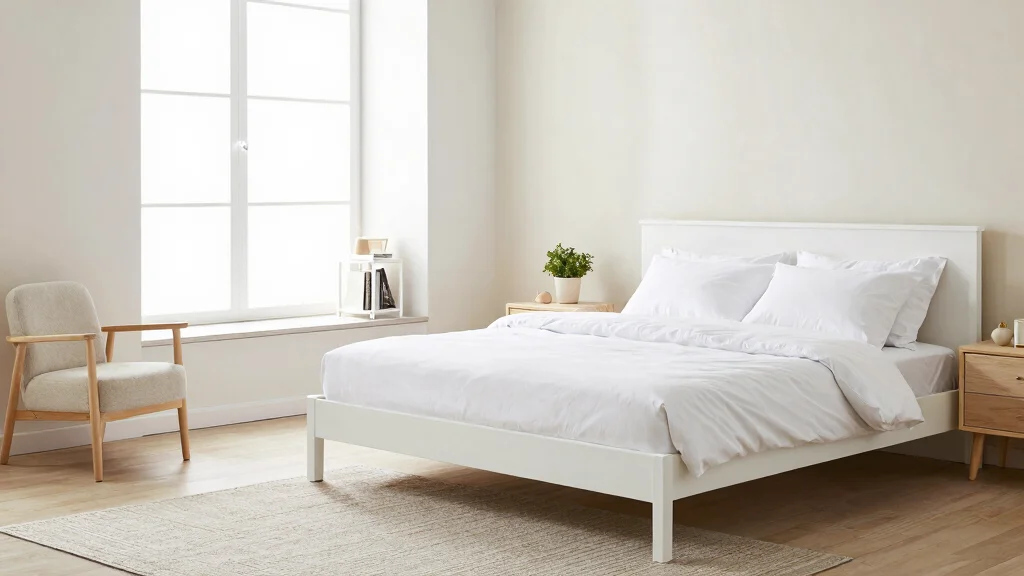
A neutral color palette can make a small bedroom feel expansive and calming. Soft whites, beiges, and greys provide a serene backdrop, but adding pops of color through decor or textiles brings personality without overwhelming the space. Bright cushions, vibrant artwork, or colorful throws can liven up the room.
Select a color scheme that reflects your style while maintaining cohesion. You can rotate accent colors seasonally for a fresh look without needing major changes.
– Accent walls: Introduce color with a single accent wall for impact.
– Colorful rugs: A lively rug adds warmth and character.
– Play with texture: Use varied textures in your neutral palette for depth.
– Artwork: Infuse color through framed art that resonates with you, making the space feel personal.
Fun fact: when you’re figuring out how to arrange furniture in bedroom, a neutral base can make a small space feel up to 20% bigger. Rotate accent colors seasonally—cushions, art, or throws—for personality without clutter, using pops of color to refresh without major changes.
10. Define Zones with Rugs
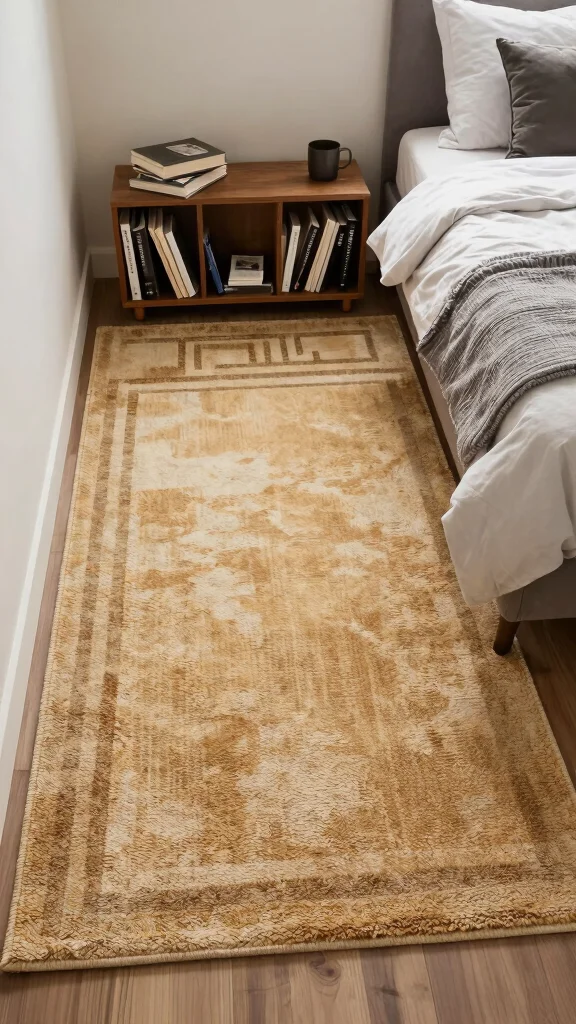
In smaller bedrooms, establishing distinct zones helps create functionality. Area rugs are excellent for this purpose, as they can visually separate sleeping areas from reading nooks or workspaces, while also adding warmth.
Choose rugs that complement your decor style and ensure they are appropriately sized for each area. Layering rugs can enhance this effect and offer additional comfort underfoot.
– Size matters: Ensure rugs are proportionate to the furniture they accompany.
– Texture: Experiment with layering different rugs for added depth.
– Color coordination: Select colors that harmonize throughout the room for a cohesive aesthetic.
– Placement: Position the front legs of furniture on the rug to create a more connected feel.


11. Personalize with Art and Decor
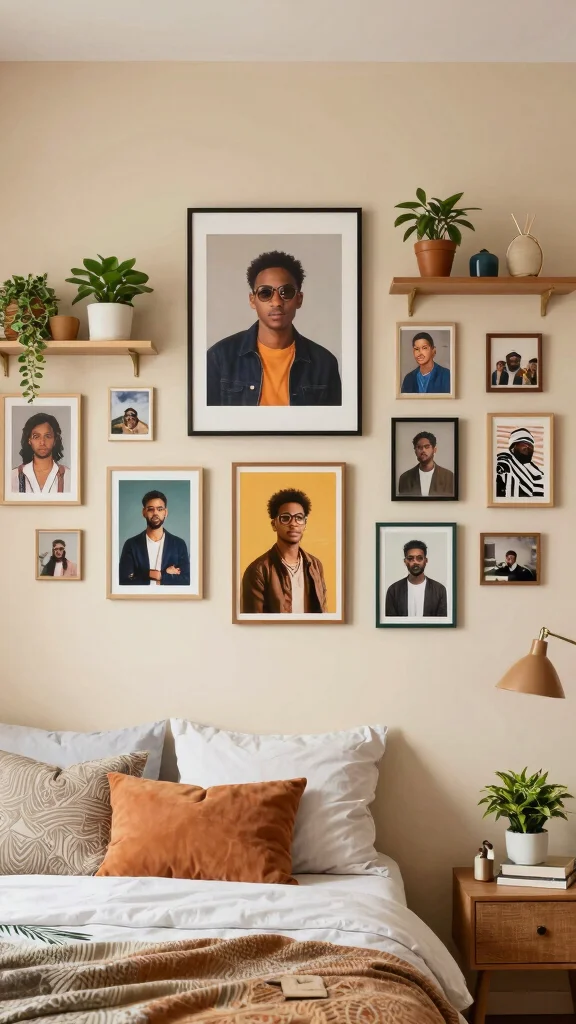
Incorporating personal touches through art and decor makes your small bedroom uniquely yours. Displaying favorite artworks, photographs, or travel memorabilia tells your story within the space. Consider a gallery wall above the bed or a clever shelf arrangement to showcase your personality.
Mixing various styles and sizes creates an eclectic look, but be mindful of the overall theme to maintain cohesion. Decorative items like vases or sculptures can also enrich your visual appeal.
– Changeable art: Use frames that allow you to switch out artwork easily.
– DIY decor: Create your own wall art for a personal touch.
– Shelves: Install shelves to display decor without taking up valuable floor space.
– Plants: Add greenery with small potted plants or hanging planters for a fresh feel.
Fun fact: When you ask how to arrange furniture in bedroom, try a gallery wall of 3-5 pieces—this can visually expand a small room by up to 20%. Add a couple of shelves for personal mementos to finish the look.


12. Embrace Minimalism
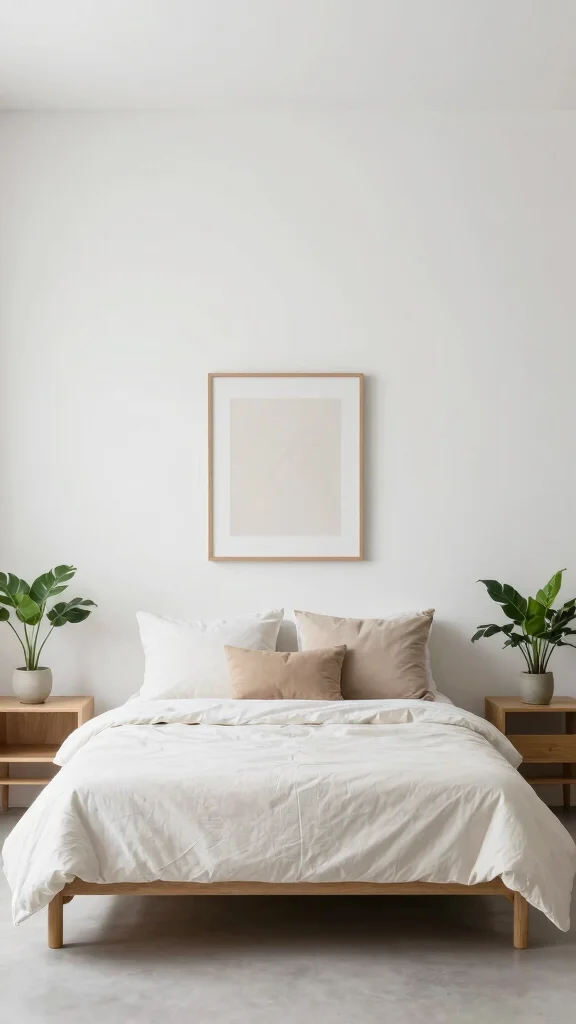
Sometimes, less is more! Embracing a minimalist approach helps maintain clarity and calm in your bedroom. Limit furniture and decor to only what you truly need and cherish. This strategy maximizes your space and contributes to a peaceful environment.
Select multifunctional furniture and focus on quality over quantity. A few thoughtfully chosen pieces can create a larger impact than numerous knickknacks.
– Declutter regularly: Keep up with a routine to maintain that minimalist vibe.
– Choose functional decor: Look for decor that serves a purpose, like attractive storage solutions.
– Mind your colors: Stick to a cohesive color palette that feels calming.
– Open up space: Arrange furniture to facilitate ease of movement and accessibility.
Less is more when you’re figuring out how to arrange furniture in bedroom. Start with a few essential pieces, then let negative space do the rest—most of us crave calm more than clutter, and the room will breathe.
13. Layer with Light Curtains
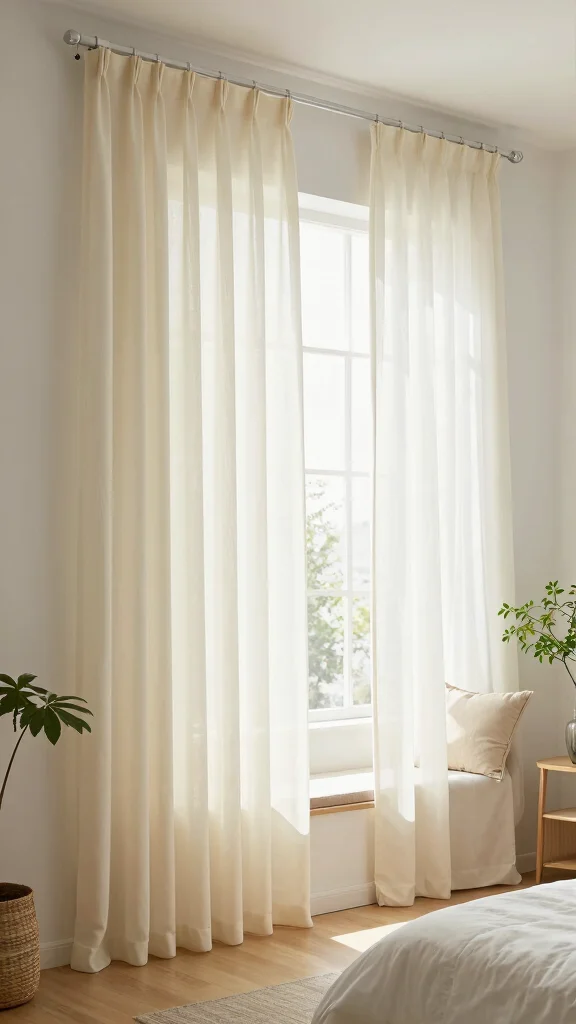
Heavy drapes can weigh down a small bedroom, while light curtains enhance an airy feel. Choose sheer or lightweight fabrics that allow natural light to filter through without sacrificing privacy. This simple change can brighten your space, making it feel larger and more inviting.
Select curtains that complement your decor for a cohesive look. Functionality is also essential, so consider options that are easy to open and close for light control flexibility.
– Color choices: Light colors like whites, creams, or soft pastels contribute to the airy vibe.
– Length: Hang curtains higher than the window frame to draw the eye upward.
– Layer: Combine sheer curtains with heavier drapes for versatility in style.
– Decorative rods: Invest in stylish curtain rods to elevate the overall appearance.
14. Incorporate Indoor Plants
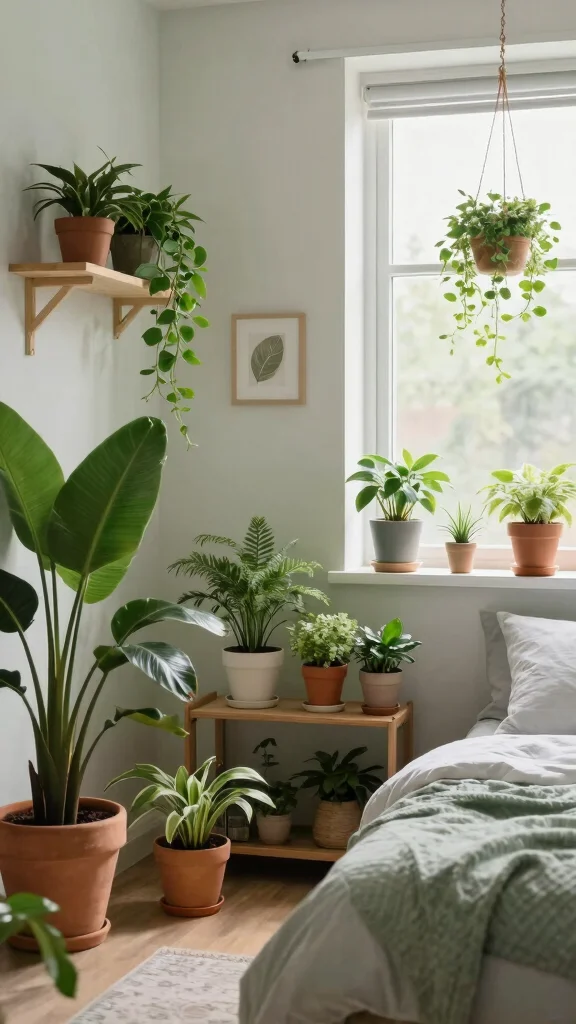
Bringing nature indoors can greatly enhance your comfort level in the bedroom. Indoor plants not only purify the air but also add vibrancy and life to your space. Select low-maintenance varieties like snake plants or pothos, which thrive well in small apartments.
Strategically placing plants creates a refreshing atmosphere that promotes relaxation and tranquility. Consider hanging planters, desk plants, or larger floor plants according to your layout.
– Group plants: Create a mini indoor garden with varying heights for visual interest.
– Use pots: Choose pots that complement your decor style for a cohesive look.
– Low-light plants: Opt for plants that thrive in shaded areas for corners.
– Seasonal swaps: Rotate plants with the seasons for variety and freshness.
15. Separate Work and Sleep Areas
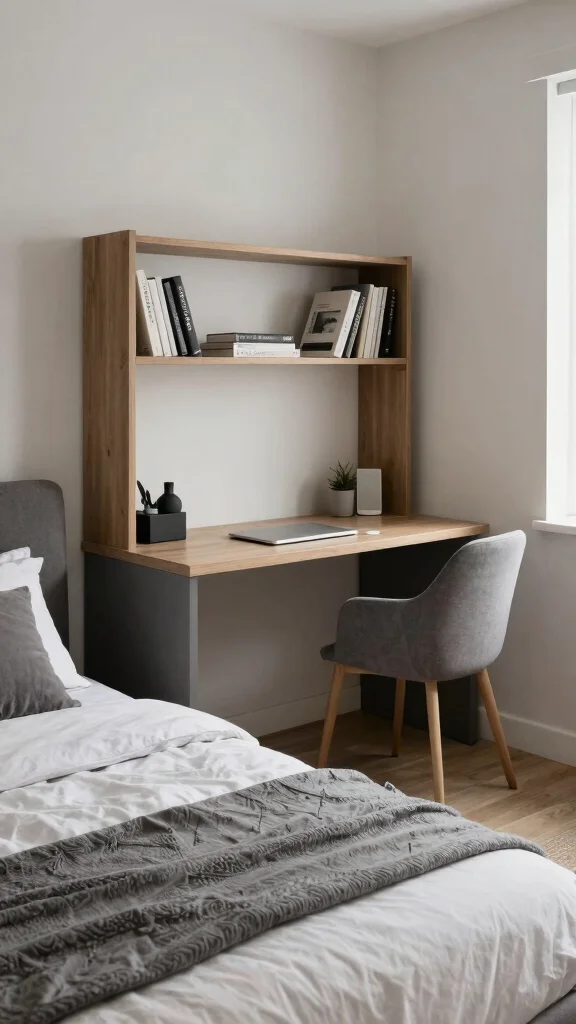
If your bedroom also serves as an office, creating a clear separation between work and relaxation zones is essential. Use rugs, furniture arrangements, or dividers to delineate these areas, helping your mind associate each space with its specific purpose. This promotes focus and fosters relaxation.
Design your workspace to remain organized and clutter-free, enhancing productivity. Personal touches like photos or motivational art can make the area inviting.
– Desk placement: Position your desk where it gets good light but doesn’t interfere with your sleep area.
– Visual barriers: Utilize bookshelves or curtains to create a clear visual separation.
– Clear workspace: Keep your work area tidy to maintain focus.
– Ergonomic choices: Choose an ergonomic chair and desk that fit your body for comfort.
16. Keep Accessories Functional
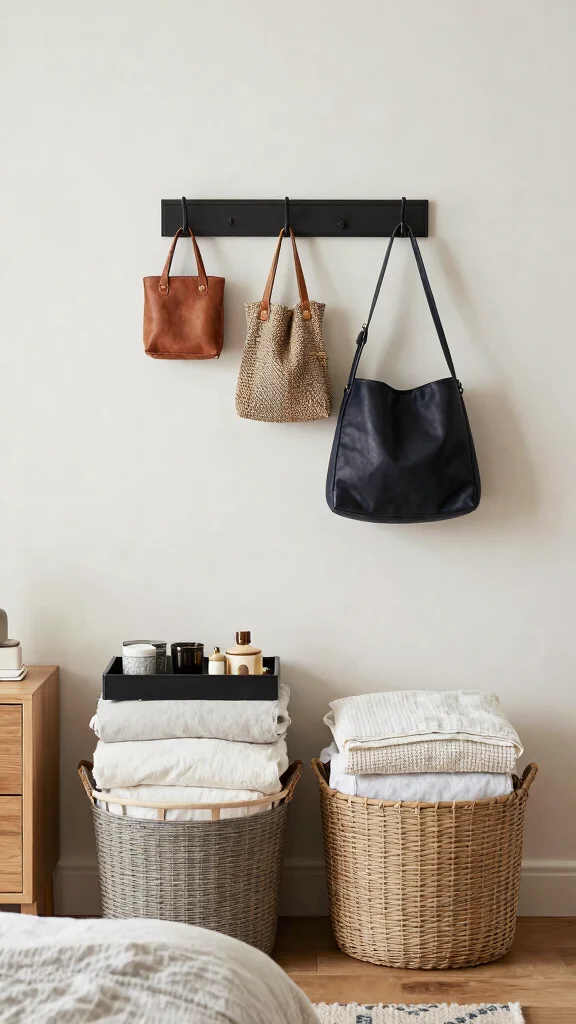
While accessories add personality, it’s vital to keep them functional, especially in a small bedroom. Use decorative baskets for storage or choose stylish hooks for hanging bags and accessories. This practice not only tidies up your space but also enhances the overall visual appeal.
Incorporate items that serve a purpose while remaining aesthetically pleasing, striking a balance between style and practicality. This approach helps maintain a clean, organized environment without compromising your unique taste.
– Decorative storage: Look for storage solutions that blend seamlessly with your decor.
– Functional decor: Opt for items like wall hooks or trays that serve dual purposes.
– Organizational tools: Use chic organizers on dressers or desks to keep things tidy.
– Seasonal decor: Rotate accessories with the seasons to keep your space feeling fresh.
17. Optimize Closet Space
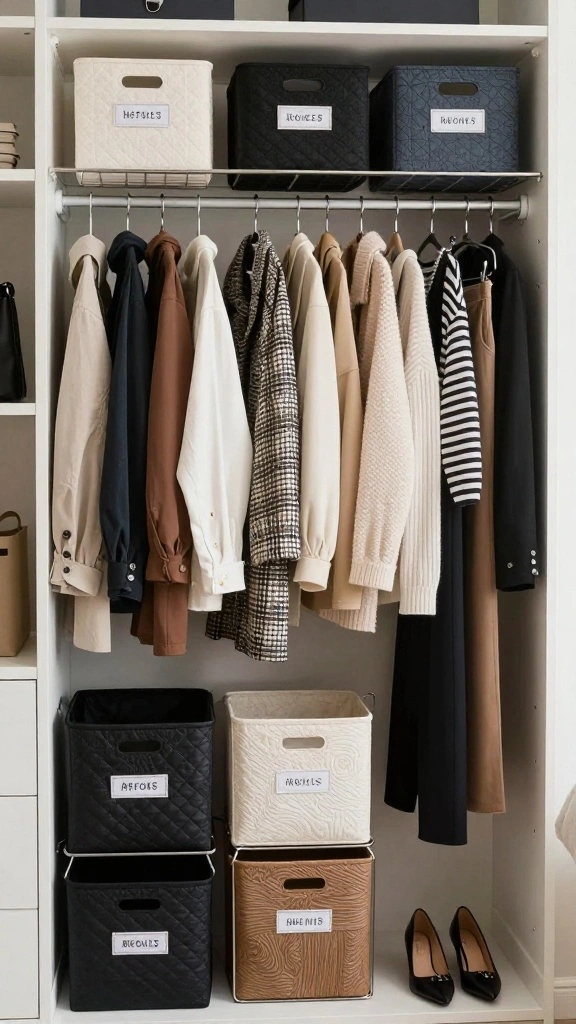
An organized closet can significantly enhance your bedroom’s overall feel. Invest in storage solutions like shelf dividers, hanging organizers, and clear bins to maximize closet space. A tidy closet reduces clutter in your bedroom and makes getting ready a more enjoyable experience.
When every item has a designated space, it reduces stress and helps maintain a minimalist vibe. Consider a color-coded system or seasonal rotation to keep things orderly.
– Vertical space: Utilize vertical space with stacked storage bins or additional shelving.
– Seasonal storage: Keep seasonal items packed away to free up space for essentials.
– Declutter: Regularly assess your closet to donate or discard items you no longer wear.
– Labeling: Clearly label bins and boxes for easy identification.
18. Create a Personal Retreat
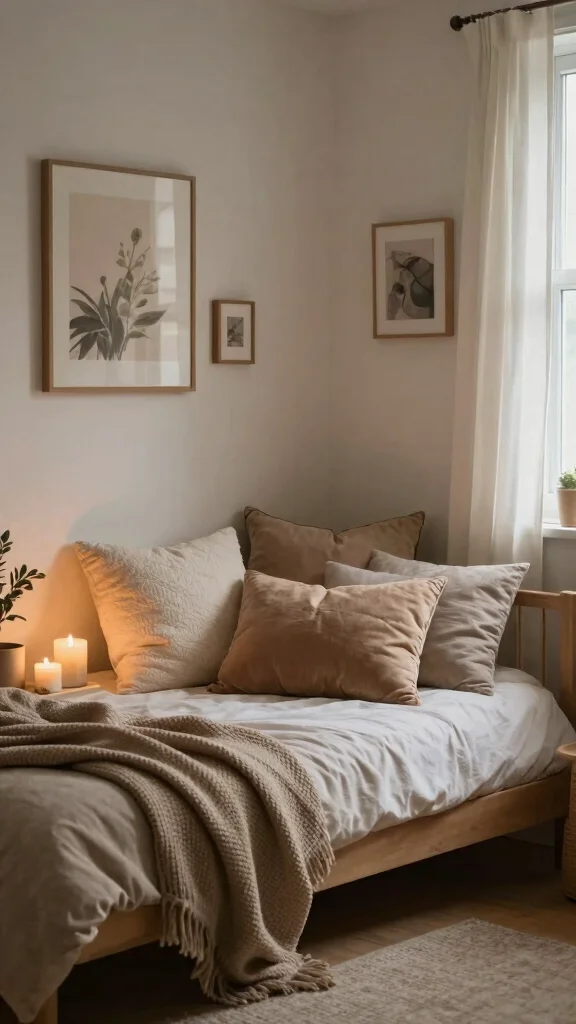
At the end of the day, your bedroom should feel like a sanctuary. Decorate with items that evoke relaxation and happiness—consider calming scents, soothing colors, and personal mementos. Incorporate elements like candles, soft music, or a sound machine to help you unwind.
Design your space to reflect your personality and what brings you joy. Establishing a personal retreat fosters relaxation and a sense of belonging, making your bedroom truly feel like home.
– Comfort items: Include pieces that make you feel cozy, like a favorite blanket or cherished photo.
– Mood lighting: Use soft lighting options to create a tranquil atmosphere.
– Aromas: Enhance relaxation with scented candles or diffusers.
– Art that speaks: Choose artwork that resonates with your personal journey or interests.
Conclusion
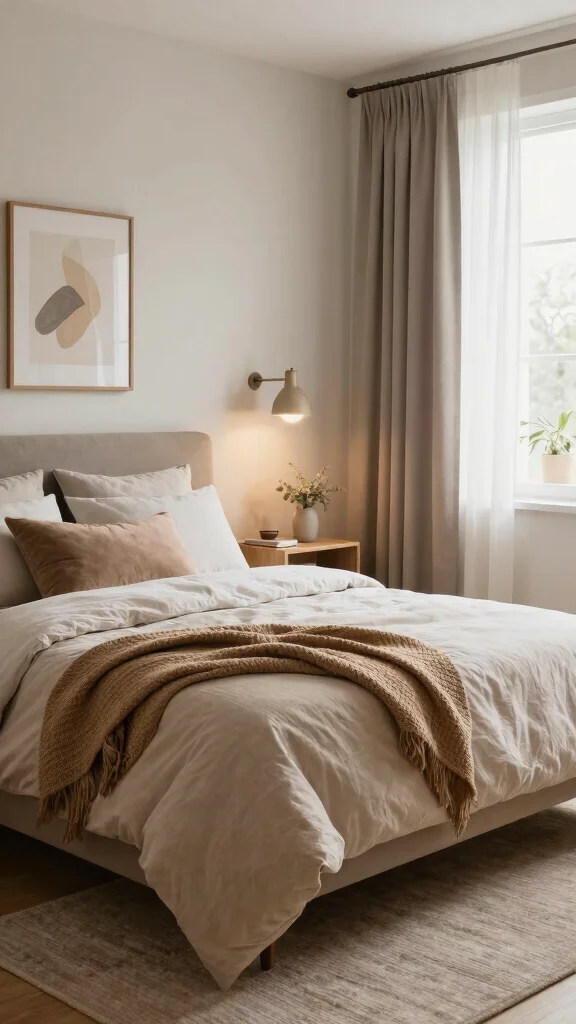
Crafting a comfortable bedroom in a small space is all about thoughtful arrangements and personal touches. By following these tips for furniture placement and decor, you’ll create a space that feels welcoming and serene. Remember that your bedroom should reflect your style while providing a restful retreat.
Take the time to rethink your layout and explore ways to incorporate comfort elements into your design. Happy decorating!
Related Topics
home decor
small space solutions
cozy bedroom design
furniture placement tips
bedroom layout ideas
maximizing space
beginner friendly
easy arrangements
minimalist design
functional furniture
comfortable atmosphere
space-saving techniques