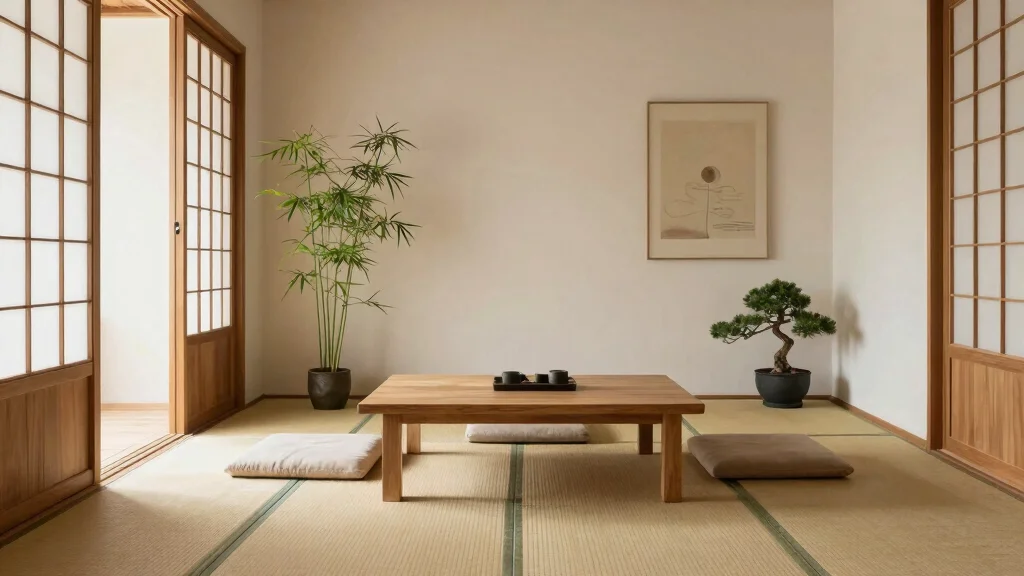
In today’s fast-paced world, many of us crave a space that offers tranquility and peace. The Japanese minimalist living room embodies this desire, inviting a sense of calm through simplicity and natural elements. I created this post to inspire those looking to transform their homes into serene sanctuaries, filled with the beauty of minimalist design and the refreshing touch of indoor plants.
If you’re someone who appreciates clean lines, a neutral color palette, and the gentle presence of nature indoors, this guide is perfect for you. I’ve gathered 16 Japanese minimalist living room ideas that will help you cultivate that coveted zen vibe. From functional furnishings to harmonious arrangements, these ideas will allow you to create a tranquil living space that resonates with your personal style.
By exploring these concepts, you’ll discover practical tips and actionable design strategies that will elevate your home decor. Whether you’re starting with a blank canvas or looking to refine your existing space, you’ll find inspiration and guidance to create a minimalist retreat that feels both warm and inviting.
Key Takeaways
– Focus on natural light to enhance the beauty of your living room. Large windows or sheer curtains can help illuminate your space while creating a serene atmosphere.
– Choose authentic materials such as wood, stone, and rice paper for furnishings and decor. These elements not only reflect the Japanese aesthetic but also promote a sense of harmony.
– Design open spaces to foster a feeling of freedom and calm. Avoid overcrowding the room with furniture, allowing for movement and flow.
– Incorporate indoor plants as a vital element of your decor. They bring life into your space and contribute to the overall zen vibe while improving air quality.
– Use a neutral palette for walls and furniture to create a soothing environment. Soft whites, beiges, and light greys can evoke tranquility and serve as a perfect backdrop for your minimalist aesthetic.
1. Embrace Natural Light
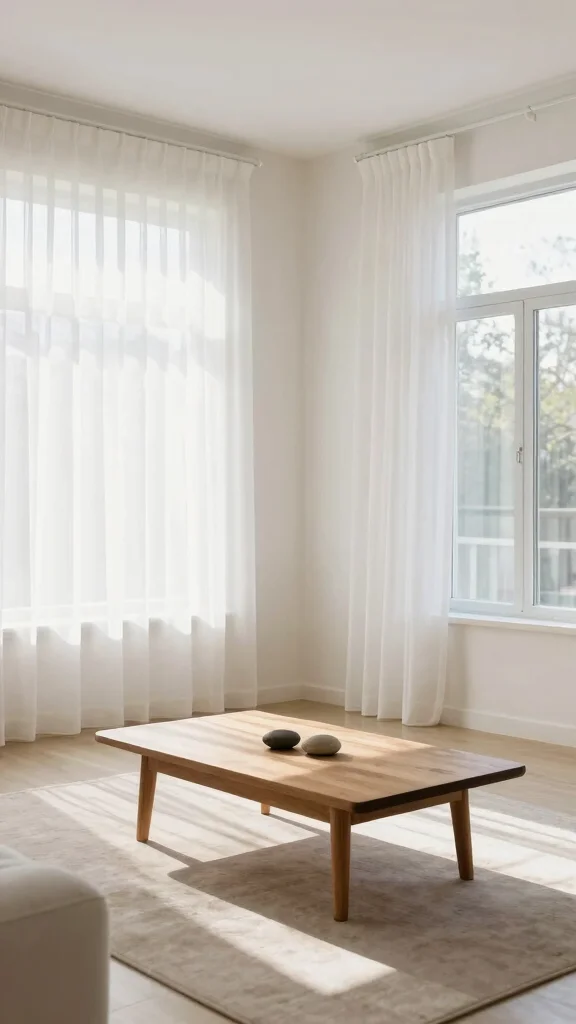
Natural light is a cornerstone of Japanese minimalist design, creating a serene atmosphere that invites tranquility. By incorporating large windows or traditional shoji screens, you can bathe your living space in soft, diffused sunlight. This approach not only enhances visual warmth but also fosters a connection with the outside world, allowing nature’s beauty to flow into your home.
To make the most of natural light, consider these ideas:
– Choose sheer curtains that gently filter light.
– Opt for light-colored furnishings that reflect sunlight.
– Position mirrors thoughtfully to amplify brightness.
These simple adjustments will create a peaceful sanctuary, enhancing your living room’s overall aesthetic while promoting relaxation.
2. Select Authentic Materials
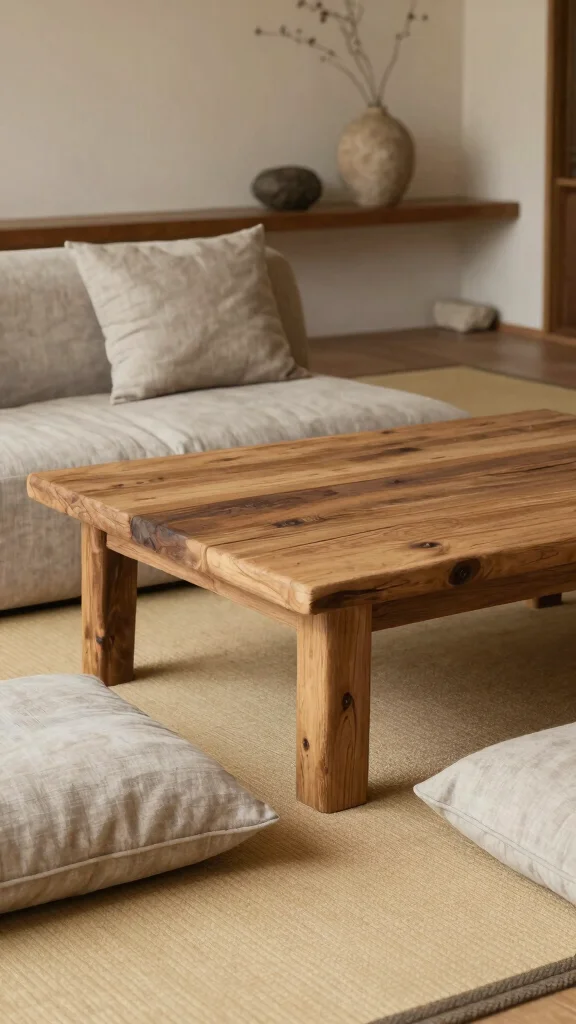
The essence of a Japanese minimalist living room lies in the use of authentic materials that evoke warmth and simplicity. Natural elements like wood, stone, and linen create an inviting space that embodies the tranquil spirit of Japanese design. By choosing high-quality, organic materials, you can enhance your room’s character and comfort.
Here are ways to incorporate these materials:
– Use reclaimed wood for furniture pieces.
– Consider tatami mats for a genuine feel.
– Select cushions made from soft linen or cotton.
Integrating these elements will deepen your connection to nature, transforming your living room into a peaceful retreat.
🏡 Transform Your Space Like a Pro
Unlock your home’s potential with this DIY guide and create stunning minimalist rooms effortlessly.
3. Create Open Spaces
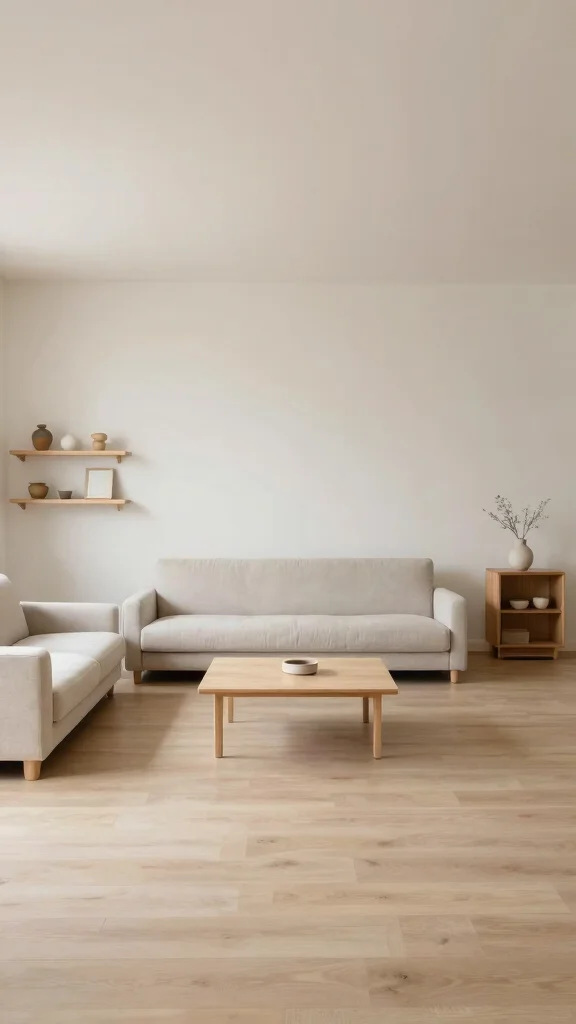
Open spaces are a hallmark of Japanese design, promoting serenity and a sense of calm. A clutter-free environment allows your mind to relax, enhancing your overall well-being. By minimizing furniture and focusing on essential pieces, you can cultivate an inviting atmosphere that embodies the minimalist ethos.
Achieve this by:
– Keeping furniture arrangements minimal and purposeful.
– Choosing multi-functional pieces like storage ottomans.
– Ensuring easy movement flow throughout the room.
This approach will create a soothing environment, perfect for relaxation and mindfulness.
4. Incorporate Zen Gardens
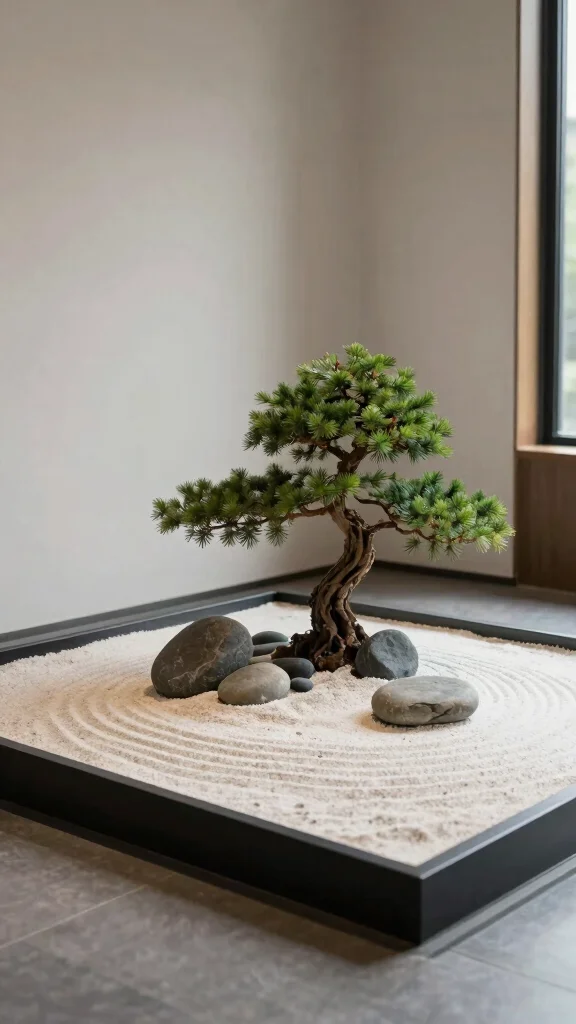
Zen gardens are a beautiful addition to any living room, allowing for peaceful reflection and mindfulness. A small indoor Zen garden can serve as a focal point, embodying tranquility and simplicity. By bringing nature indoors, you enhance the calming atmosphere that defines Japanese minimalism.
To create your own Zen garden:
– Use a shallow tray filled with sand or small stones.
– Add simple elements like a bonsai tree or smooth rocks.
– Position it prominently for easy viewing.
Caring for your Zen garden can enhance relaxation, reminding you of nature’s soothing presence.
5. Choose a Neutral Palette
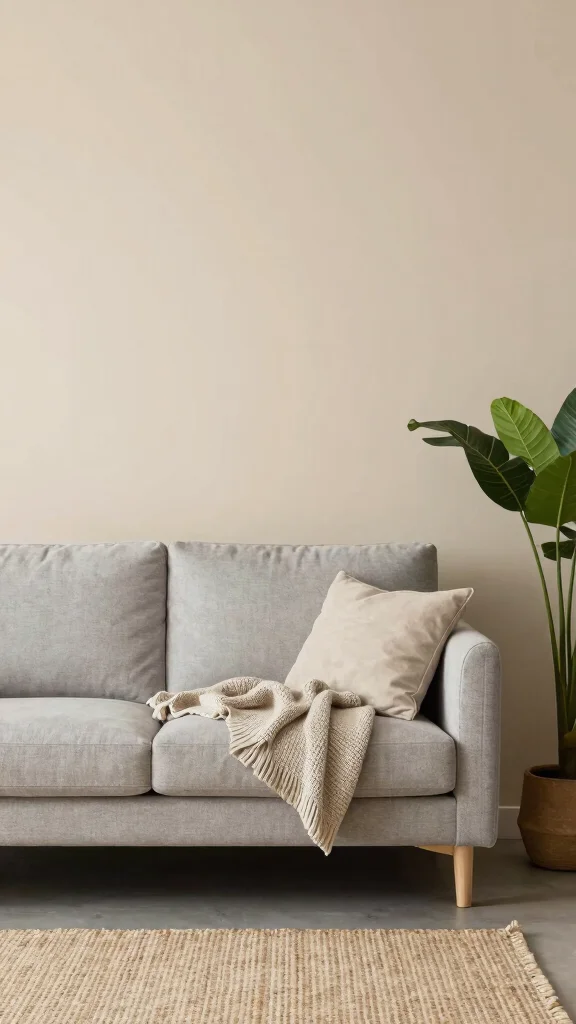
A neutral color palette is vital for achieving a calming ambiance in your Japanese minimalist living room. Soft whites, beiges, and grays work harmoniously together, allowing different design elements to blend effortlessly. This understated color scheme elevates serenity and creates a peaceful retreat.
For your color choices:
– Limit your palette to a few complementary shades.
– Use texture variations to add depth without adding colors.
– Draw inspiration from natural tones like earth and sky.
This strategy promotes a cohesive flow throughout your space, enhancing tranquility.
How To Choose Indoor Plants for Your Japanese Minimalist Living Room
Indoor plants can bring life and a sense of calm to your Japanese minimalist living room. They complement the serene atmosphere you want to create. Here’s a guide on how to choose the right indoor plants to achieve a tranquil vibe.
1. Consider Lighting Conditions
Understanding the light in your space is key. Some plants thrive in bright light, while others prefer indirect sunlight or shade. Observe how much natural light your living room receives during the day. If you have a bright room, consider plants like succulents or fiddle leaf figs. For lower light areas, snake plants or pothos are great options.
2. Choose Low-Maintenance Varieties
If you are new to plant care, opt for low-maintenance indoor plants. These options require less frequent watering and can tolerate a bit of neglect. Plants like the ZZ plant and peace lily are perfect for beginners. This allows you to enjoy greenery without added stress.
3. Match Plant Size to Your Space
Size matters in a minimalist design. Large plants can become focal points, while smaller ones can fit on shelves or tables. Consider the height and spread of the plant. A tall rubber plant can create an impressive statement, while smaller ferns can add subtle charm. Measuring your space before purchasing can help maintain balance and harmony.
4. Look for Complementary Colors and Textures
In a Japanese aesthetic, simplicity is key. Choose plants that harmonize with your color palette. Neutral greens blend seamlessly and enhance the tranquil vibe. Additionally, consider the texture of the leaves. Smooth, shiny leaves can provide a sleek look, while fuzzy leaves add depth.
5. Think About Air Quality
Some indoor plants can improve air quality by filtering toxins. Plants like spider plants and peace lilies are known for their purifying properties. Not only will you enhance the aesthetics of your living room, but you’ll also create a healthier environment.
6. Incorporate Personal Preferences
Choose plants that resonate with you. Whether they remind you of home or bring you joy, personal connections can enhance your living space. If you love the look of bonsai trees, go for it! Your living room should reflect your personality while maintaining that minimalist vibe.
Pro Tip: Group plants in odd numbers for a more natural look and balance. Use simple pots that blend into your decor to keep the focus on the plants themselves.
By following these guidelines, you can select indoor plants that enhance your Japanese minimalist living room. Aim for simplicity, tranquility, and personal connection to create your perfect zen home decor.
6. Minimalist Artwork
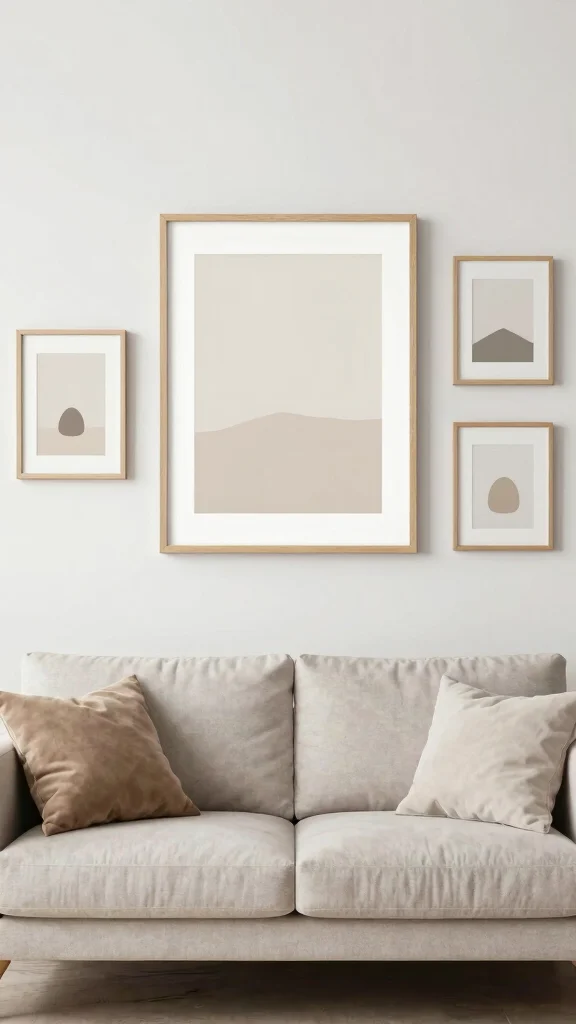
In a minimalist Japanese living room, art should enhance rather than overwhelm the space. Opt for a few carefully selected pieces that resonate with you and complement the overall design. This thoughtful approach fosters mindfulness and reflection, harmonizing beautifully with your decor.
To choose the right artwork:
– Select nature-inspired pieces such as landscapes.
– Use simple frames in natural wood or neutral tones.
– Arrange art to maintain visual balance and flow.
Minimalist art can elevate your living area, creating a soothing atmosphere.
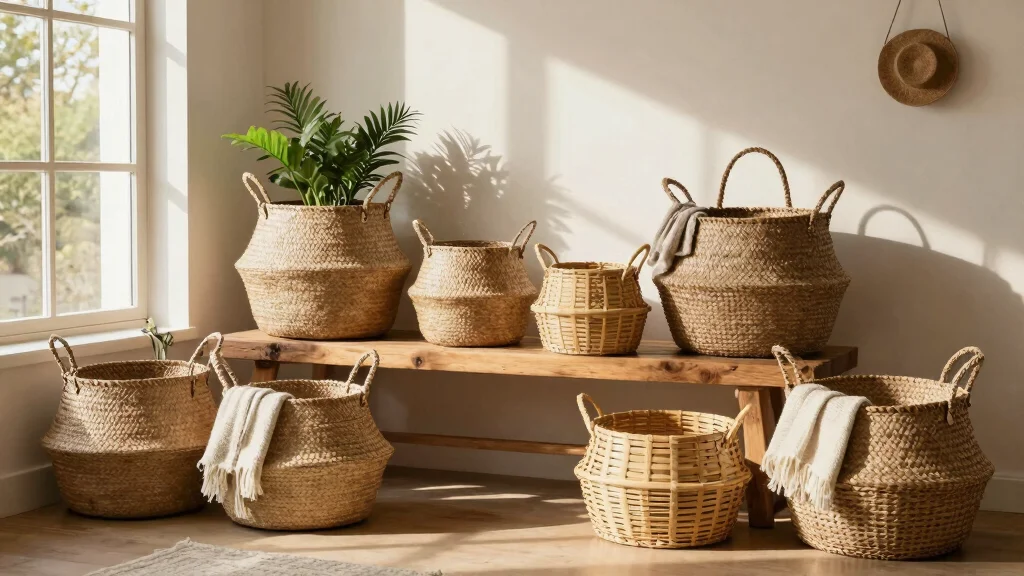
7. Add Indoor Plants
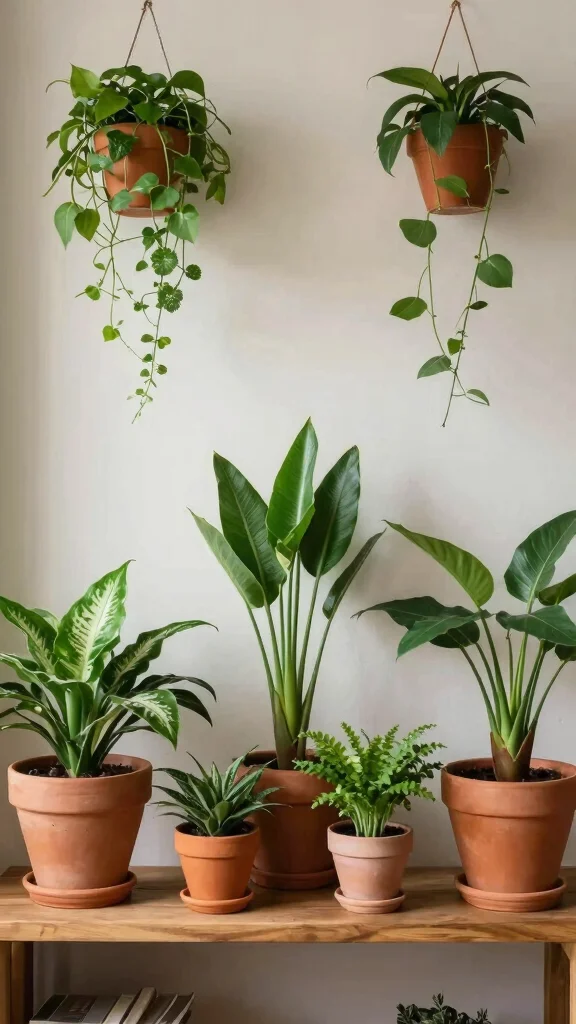
Indoor plants are essential for bringing life and vibrancy to your Japanese minimalist living room. They improve air quality while introducing natural elements that foster peace and harmony. Integrating greenery can transform your space, creating a calming oasis.
Incorporate plants effectively by:
– Choosing low-maintenance varieties like succulents.
– Using simple pots made of ceramic or clay.
– Arranging plants at varying heights for interest.
This greenery will soften the room’s lines, enhancing the inviting atmosphere.
You might also like

8. Use Low Furniture
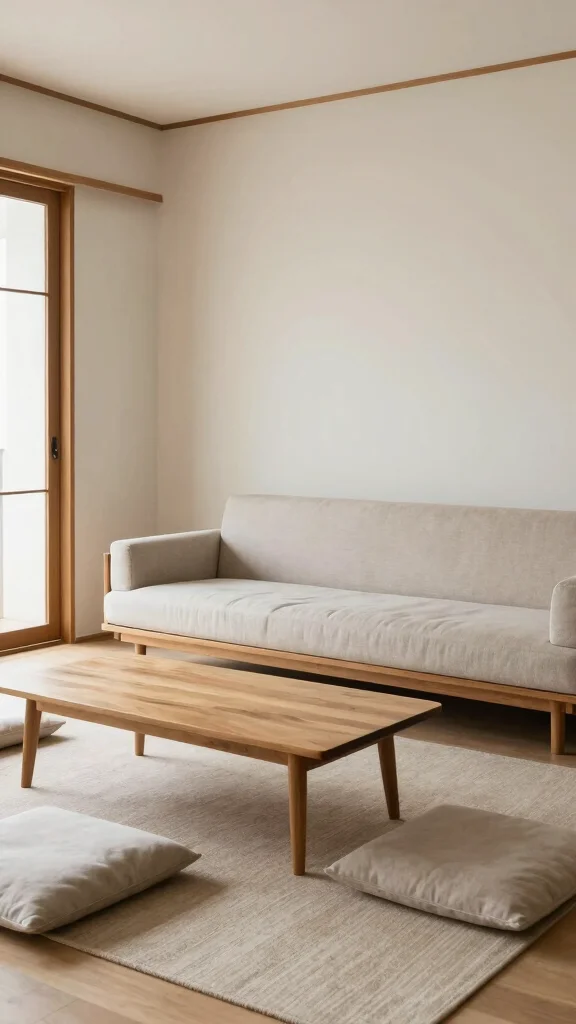
Low furniture is a signature aspect of Japanese design, fostering a sense of grounding and connection to the earth. Embracing lower-profile pieces in your living room enhances the minimalist aesthetic while promoting relaxation. This style creates a harmonious environment that’s perfect for unwinding.
Consider these ideas:
– Look for a low-profile sofa or floor cushions.
– Use a low wooden coffee table to maintain openness.
– Avoid bulky furniture that disrupts flow.
This design choice encourages a tranquil atmosphere, ideal for enjoying your space.
9. Incorporate Simple Textures
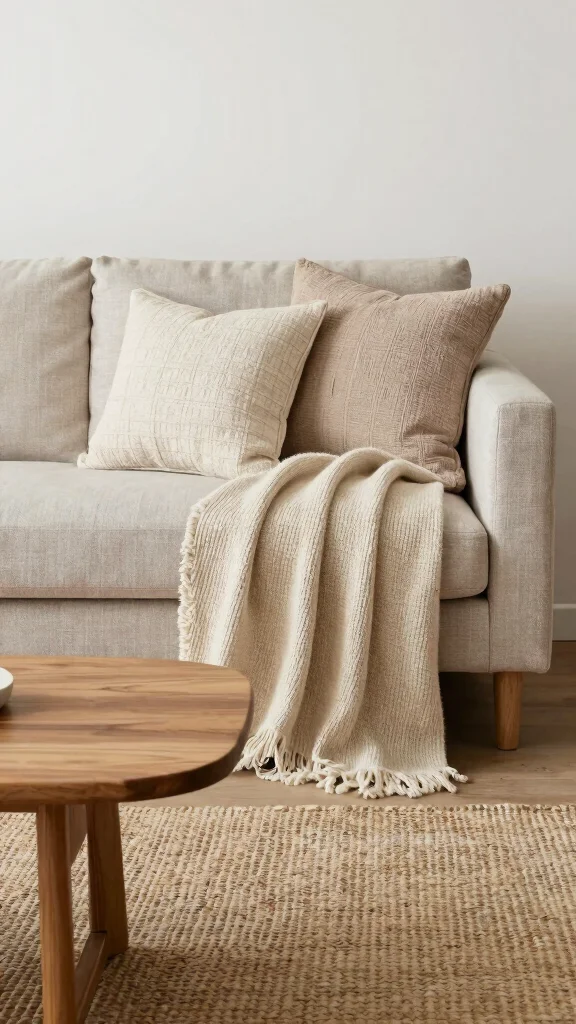
Texture plays a vital role in a minimalist living room, adding depth without cluttering the space. Subtle textures invite touch and warmth while maintaining a clean, uncluttered look. By mixing textures thoughtfully, you can create an inviting environment that feels cozy and welcoming.
To include various textures:
– Use woven fabrics for cushions and throws.
– Incorporate natural materials like wood and stone.
– Mix smooth surfaces with textured elements.
This balanced approach will enhance the overall comfort of your living room.
10. Focus on Functionality
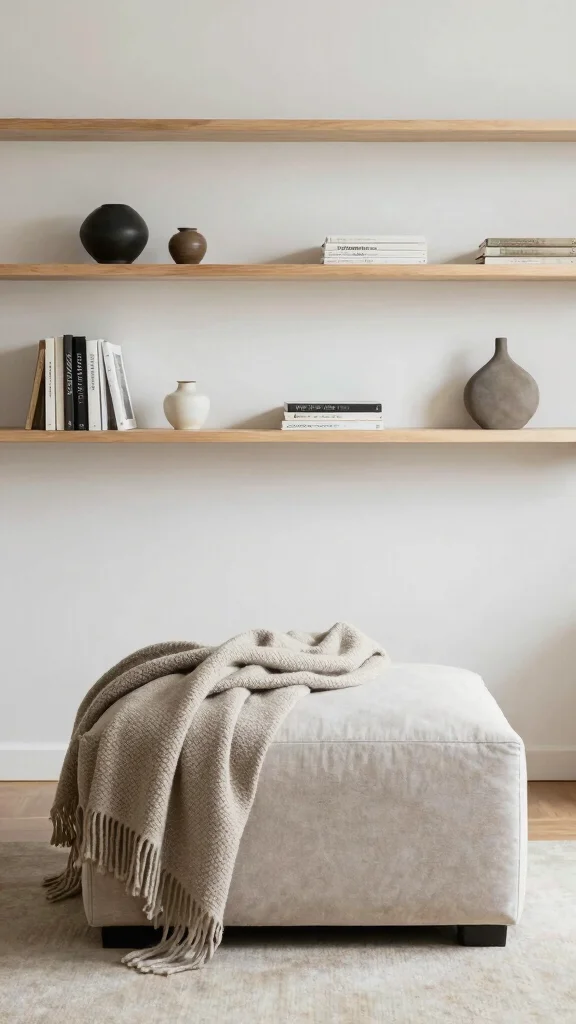
In Japanese minimalist design, every piece of furniture serves a purpose, ensuring both beauty and practicality. By focusing on functional decor, you can maintain a serene environment while keeping clutter at bay. This approach reflects clarity and intention in your space.
Implement functional strategies by:
– Choosing multi-purpose furniture like storage ottomans.
– Using shelves for both decor and practical items.
– Keeping surfaces clear of unnecessary objects.
This mindset fosters a calm atmosphere that encourages relaxation.
Fun fact: In a japanese minimalist living room, every piece earns its keep. Multi-purpose furniture and clear surfaces cut clutter while boosting calm, practicality, and intention—showing that function plus simplicity creates beauty you can live with daily.
11. Implement a Color Accent
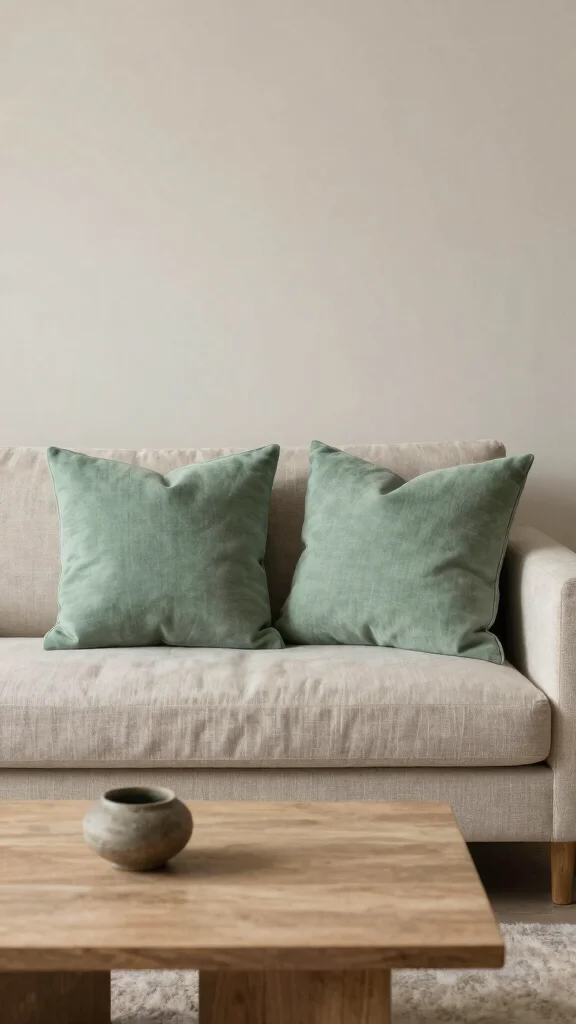
While a neutral palette is essential, a subtle color accent can infuse personality into your living room. A carefully chosen accent color can create focus and vibrancy, enhancing the minimalist aesthetic without overpowering it. This thoughtful addition allows for personal expression.
To select an accent color:
– Choose shades that reflect nature, like soft greens.
– Integrate the color through cushions or small decor items.
– Keep usage limited to maintain calmness.
This approach will create a cohesive look while allowing your style to shine.
Did you know a single well-chosen color accent can boost perceived calm by 30% in a japanese minimalist living room? Studies show nature-inspired hues, like soft greens, create focus without clutter, making a space feel both serene and lively.
12. Balance with Symmetry
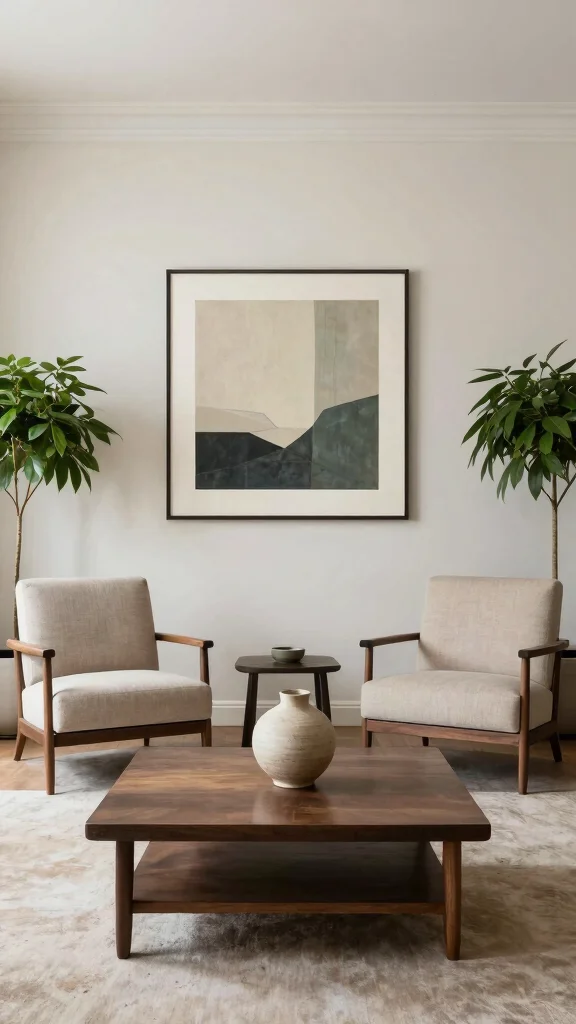
Symmetry fosters balance and harmony in a Japanese living room, essential for promoting relaxation and organization. A symmetrical layout of furniture and decor can enhance the overall aesthetic, creating a peaceful environment. This technique instills a sense of order in your space.
To achieve symmetry:
– Arrange seating and tables in pairs for balance.
– Use matching decor on either side of focal points.
– Incorporate equal-sized plants or art pieces.
This design strategy encourages a calm atmosphere, ideal for mindfulness.
Fun fact: in a japanese minimalist living room, symmetry can boost perceived calm by about 30%. Pair seating and decor to create balance, and your space stays organized and Zen—ideal for winding down after a busy day.
13. Create a Cozy Corner
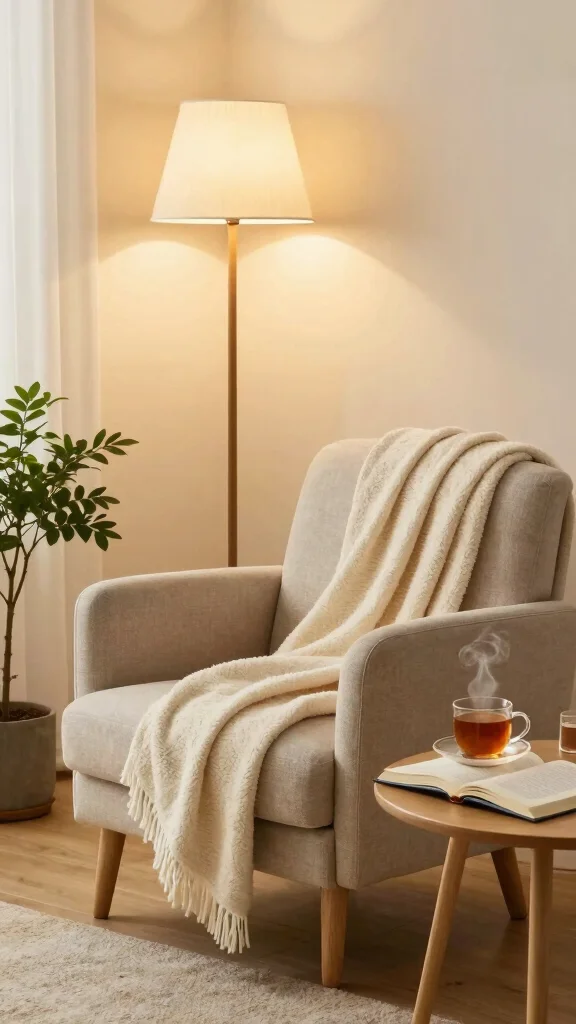
A cozy corner is an ideal spot for reading, meditating, or simply enjoying a moment of peace. This nook should reflect the minimalist aesthetic while providing comfort and warmth. Designing a cozy corner can enhance your living room’s functionality and charm.
To create your cozy corner:
– Choose a comfortable chair with soft cushions.
– Add a small side table for books or tea.
– Incorporate warm lighting for an inviting ambiance.
This personal retreat will help you unwind and recharge amid your living space.
14. Seasonal Decor Changes
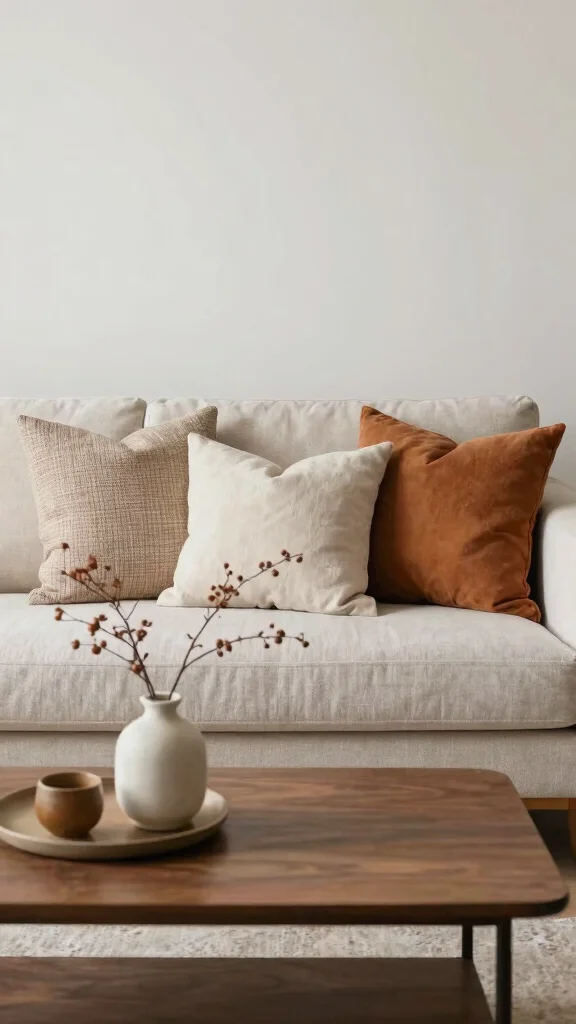
Updating your decor with the seasons keeps your living room feeling fresh and connected to nature. Subtle changes can enhance the zen vibe while maintaining a minimalist approach. This adaptability adds dynamism to your space and reflects the beauty of nature.
Consider these seasonal decor ideas:
– Swap pillows or throws for seasonal textures.
– Incorporate natural elements like flowers or branches.
– Keep changes simple to align with minimalism.
These small adjustments will keep your space lively and reflective of the changing seasons.
15. Mindful Arrangements
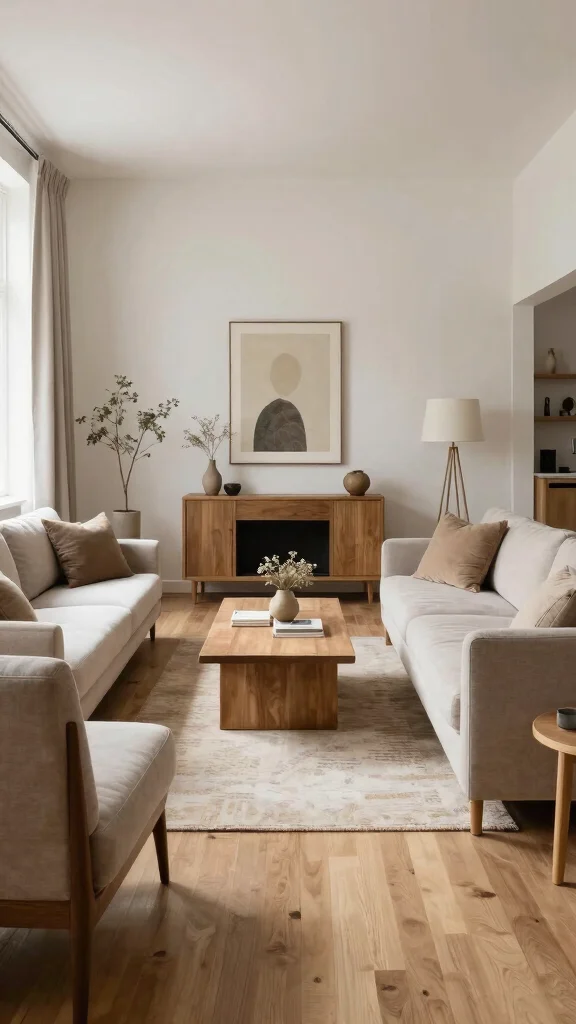
The arrangement of furniture and decor significantly impacts the energy flow in a zen space. Mindful placements can enhance positive energy and create a harmonious environment in your living room. By considering each item’s position, you can foster connection and serenity.
To achieve mindful arrangements:
– Follow natural movement patterns when arranging furniture.
– Place key pieces to encourage conversation and connection.
– Avoid blocking pathways or windows for open energy.
This thoughtful approach will transform your living area into a haven of relaxation.
16. Personal Touches
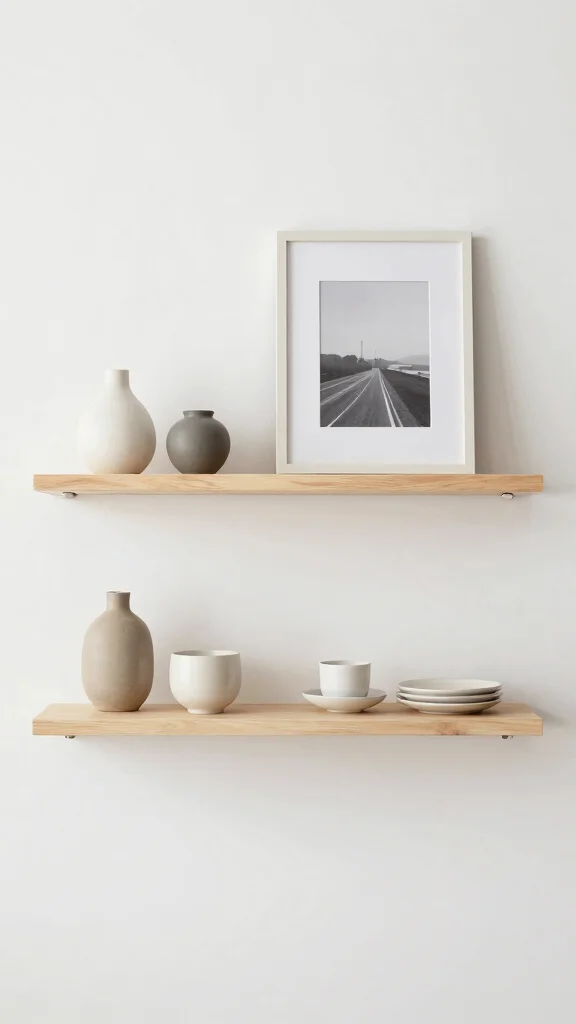
Even in a minimalist space, personal touches are essential for making it feel like home. Incorporate elements that reflect your personality and style while keeping it simple. This balance ensures your space remains serene yet uniquely yours.
To add personal touches:
– Include a few favorite books or cherished photos.
– Choose a decorative item that resonates with you.
– Be selective to ensure each piece holds significance.
This thoughtful personalization will enhance your minimalist living room while maintaining its calming vibe.
Conclusion
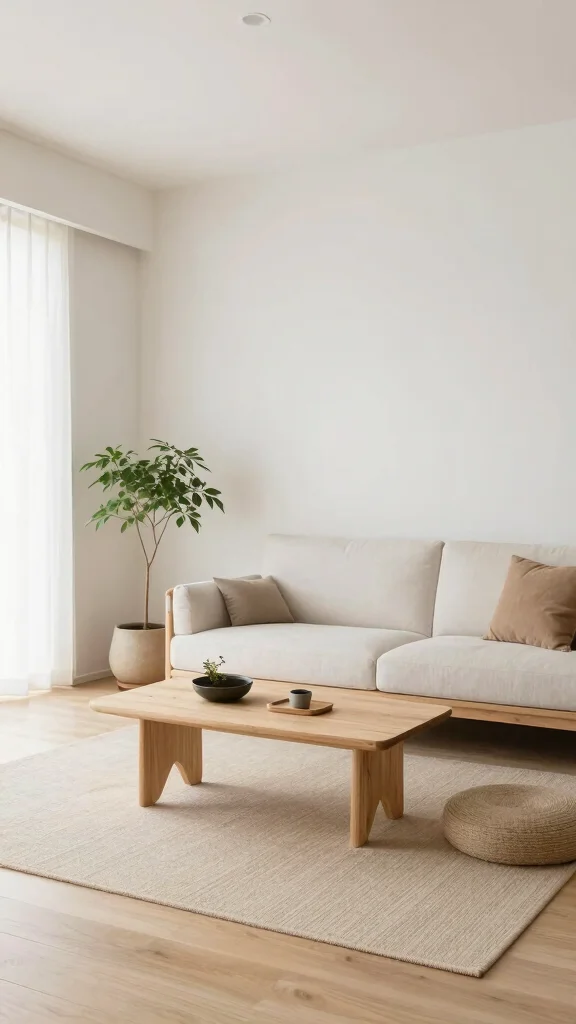
Creating a Japanese minimalist living room is all about embracing simplicity and tranquility. By mindfully incorporating natural elements, maintaining functionality, and adding personal touches, you can craft a serene space that resonates with zen home decor principles. Consider these ideas as you design your tranquil living space, inviting relaxation and mindfulness into your daily routine.
Frequently Asked Questions
Question: What defines a japanese minimalist living room and how can I start creating one?
A japanese minimalist living room blends calm, uncluttered spaces with natural materials and clean lines. To start, declutter and define zones with negative space. Choose a quiet color palette—warm whites, soft beiges, and natural wood tones—and stick to simple home furnishings and low-profile pieces to maintain an airy look. For a subtle focal point, select a small piece of art or a minimalist plant arrangement inspired by a tokonoma. Place a few well-chosen indoor plants to bring life without clutter; use clean-lined plant stands and keep pathways clear. This approach embodies zen home decor, minimalist interior design, and a tranquil living spaces vibe in a Japanese aesthetic.
Question: How can indoor plants enhance a japanese minimalist living room without clutter?
Indoor plants can elevate a japanese minimalist living room without creating clutter when you choose a few statement specimens and thoughtful placements. Pick 1-3 plants with architectural shapes (bonsai, snake plant, or a tall fiddle leaf) and place them in dedicated corners or along a clean wall. Use vertical planters or wall-mounted shelves to save surface space and avoid trailing pots that feel chaotic. Keep plant pots in a uniform color and material—ceramic in sandy tones to match the Japanese aesthetic—and group them with plenty of negative space to preserve the tranquil living spaces vibe. Remember to match light levels and water needs for easy care.
Question: What simple furniture choices support minimalist interior design in this style?
Smart minimalist interior design starts with furniture that speaks softly. Choose simple home furnishings with clean lines and natural materials—low-profile sofas with slim legs, teak or bamboo coffee tables, and linen textiles. Avoid ornate patterns; stick to neutral colors. Opt for hidden storage or built-ins to keep clutter out of sight, and align furniture with walls to extend sightlines, creating a sense of space that suits zen home decor and tranquil living spaces. Embrace the Japanese aesthetic in every choice.
Question: What lighting ideas work best for a tranquil living space with a zen vibe?
Lighting makes or breaks a tranquil living space. For a zen vibe, layer lighting: soft ambient, task lighting, and a gentle accent. Favor warm color temperatures (around 2700-3000K) and use paper lanterns, shoji-inspired screens, or minimal pendant lights to diffuse glow. Maximize natural light with sheer curtains and keep window treatments minimal. Dimmers help control mood and keep the space aligned with zen home decor.
Question: How can I balance simplicity with warmth in a japanese minimalist living room?
Balance simplicity with warmth by using natural textures: wood, stone, linen, and cotton in earthy tones. Introduce a few carefully chosen color accents drawn from nature, not loud hues. Add a small, cozy textile—a wool throw or textured rug—that stays within the neutral palette. Display a single, meaningful piece of art or a subtle Japanese-inspired wall hanging to honor the Japanese aesthetic without crowding the room. In short, curate rather than decorate; let minimalist interior design guide you to a tranquil living spaces that still feels inviting.
Related Topics
home decor
japanese minimalist living room
zen home decor
minimalist interior design
indoor plants
tranquil living spaces
japanese aesthetic
simple home furnishings
serene atmosphere
natural materials
clutter-free living
easy decor tips