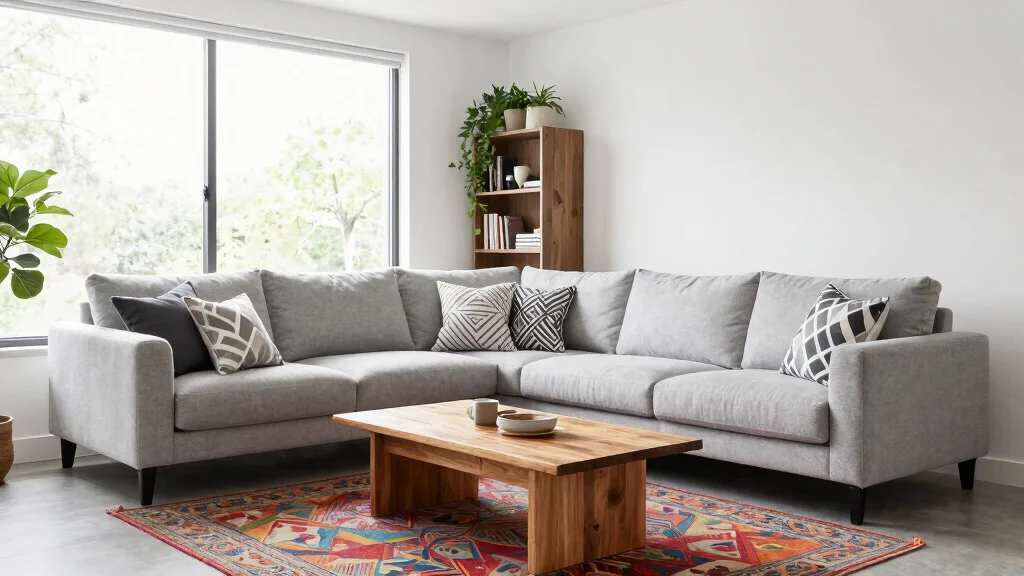
Creating a cozy and functional living room can feel like a daunting task, especially when you’re working with limited space. If you’re like many of us navigating the challenges of small apartment living, you might find yourself craving a well-organized area that feels open, inviting, and stylish. This post is here to help! We’ve gathered practical and creative living room layout ideas focused on maximizing your space and flow.
Whether you’re a design enthusiast or simply someone looking to optimize your small living area, this guide is for you. You’ll find that even the coziest corners can be transformed into beautiful, functional spaces. From clever furniture arrangement tips to showcasing modern living room decor, we’ve got you covered. These 13 layout ideas are designed to inspire and equip you with the tools you need to create a stunning living room that feels just right.
Get ready to discover tips that are not only straightforward but also totally achievable. You’ll learn about multi-functional furniture, color strategies, and how to use vertical space efficiently. Whether you’re entertaining friends, relaxing after a long day, or just enjoying some quiet time, you’ll have a space that flows and meets your needs.
Key Takeaways
– Explore small living room designs that utilize furniture arrangement strategies for better flow and space management.
– Discover how embracing an open concept living room can create an airy, spacious feel in your home.
– Learn practical tips like using multi-functional furniture to maximize utility without sacrificing style.
– Investigate color placement and texture choices that elevate your decor while making your space feel larger.
– Find inspiration in creative storage solutions and the incorporation of plants to bring life to your living room design.
Recommended Products
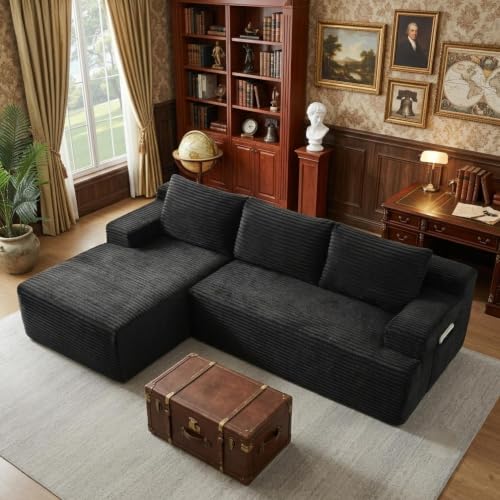
Flexible Modular Sectional Sofa – Customize Your Space: Upgrade your living room with this versatile 2-piece modular sectional sofa, designed for multiple layouts. Easily configure it into an L-shaped sectional sofa, separate lounge seats, or a sofa with chaise. Perfect for apartments, studios, and modern homes that need adaptable furniture solutions.
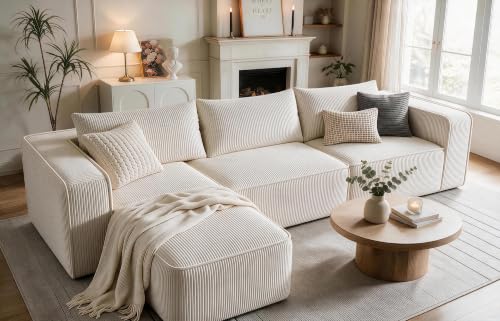
Effortless Space Transformation: Adapt your space with our cloud sectional couch; transitions smoothly from sofa to bed, good for living rooms, apartments, guest rooms, or bedrooms.

[Hidden Armrest Storage for a Clutter-Free Space] Designed with discreet storage compartments built directly into the armrests, this sectional sofa offers a smart and space-saving solution for organizing blankets, pillows, books, and everyday essentials. Keep your living room tidy and functional without the need for extra storage furniture, while maintaining a sleek, streamlined look.
1. The Classic L-Shape Arrangement
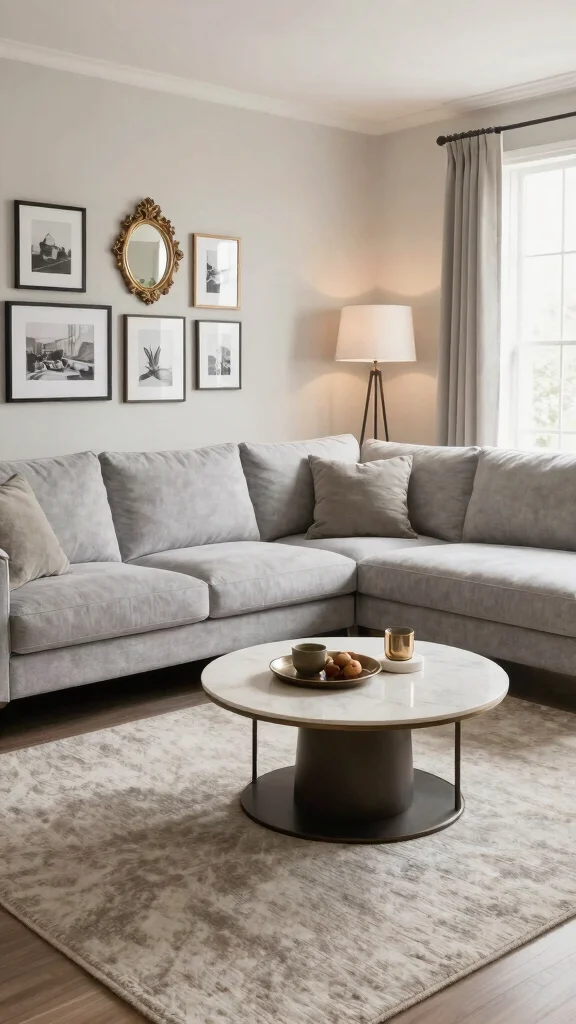
The classic L-shape layout remains a favorite in small living rooms for good reason. Arranging your sofa and chairs in an L formation invites conversation and creates a natural flow throughout the space. This setup works seamlessly by utilizing corner areas, making the room feel open and inviting. To enhance this design, consider using a combination of cozy textiles, such as a chunky knit throw or vibrant patterned cushions, which add layers and warmth to the arrangement.
For maximum comfort, choose furniture that fits your space well; oversized pieces can easily dominate the room. Use lighter colors to keep the atmosphere airy while incorporating elements like plants or art to create focal points without clutter.
Tips for an L-Shape Layout:
– Pair a round coffee table to encourage movement.
– Install accent chairs opposite the sofa to enhance interaction.
– Keep side tables slim to maintain an open feel.
This layout strikes a balance between style and comfort, making your living room an inviting hub for gatherings.
Recommended Products

Practical Lift-top Design:Smooth safe lift top with gas spring for easy open and close, anti-pinch structure protects your hands well. Reinforced construction keeps tabletop steady, great for working, reading and daily household storage

4 in 1 Convertible Coffee Table: Lift top coffee table features sturdy lifting for the large desktop and spring-lifting frames for the smaller one, seamlessly transforming from coffee table to workspace or expanding into a dining table for 4–8

✅ 3-in-1 Multi-Functional Design – Use it as a footrest, hidden storage, or flip the lid to transform it into a sturdy small coffee table. Perfect for saving space while adding convenience to your home.
The Classic L-Shape Arrangement
Editor’s Choice




2. Embrace the Open Concept
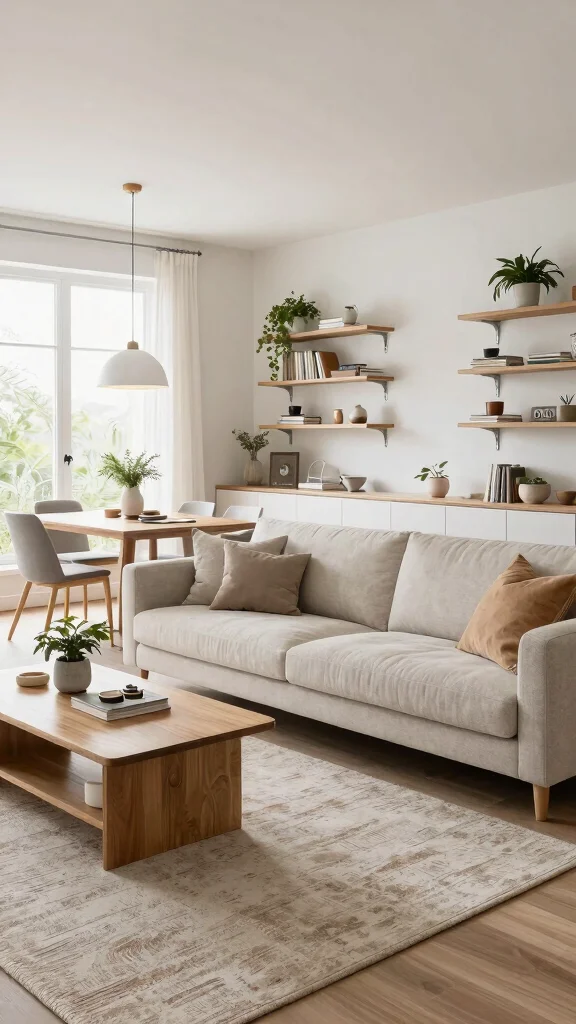
If you have the luxury of an open concept living area, you can create distinct zones with thoughtful furniture placement. Using your sofa to face the dining area fosters a sense of connection and flow, making the space feel cohesive and inviting. Opt for multifunctional furniture, like an ottoman that provides both seating and storage, to maximize utility without sacrificing style.
Rugs can play a vital role in defining these areas, offering visual separation without needing walls. Stick to a consistent color palette to maintain harmony and a light, airy feel.
Open Concept Essentials:
– Keep colors cohesive for a unified look.
– Choose lightweight fabrics to enhance openness.
– Add vertical storage solutions to keep floors clear.
This approach not only increases your living room’s usability but also encourages togetherness among family and friends.
Fun fact: Open-concept living room layouts can boost perceived space by up to 30% with smart zoning and rug-defined areas. Use your sofa to anchor the dining zone and add multifunctional ottomans for seating and storage to maximize flow.
Recommended Products
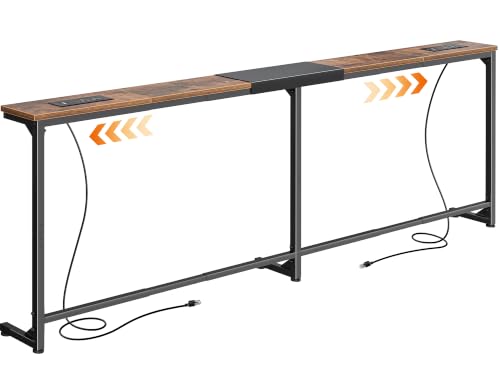
【Perfect Fit with Length Adjustment】No more behind the couch tables that are too short or too long for your sofa. This extendable C-shaped skinny sofa table smoothly adjusts from 63.4" to 78.3", allowing you to find the perfect fit for your couch. Just slide it to the right length—no complicated measuring, no awkward gaps

【Make Narrow Spaces Useful Again】 Designed for tight spaces, this 5.9""-wide slim behind couch table fits neatly into small gaps and brings extra order to your living room. Great for placing your phone, drinks, or a small lamp—keeping essentials within reach without taking up extra space.

Space-Saving Design: With dimensions of 39.4"L x 5.9"W x 28.9"H, this skinny console table slides perfectly into any narrow gap—behind sofas, in entryways, or tight corners. It turns unused space into functional storage so you can display your favorite items in the living room
Embrace the Open Concept
Editor’s Choice


📹 Related Video: Open Floor Plan Mistakes & How To Fix Them!
3. The Corner Sofa Solution
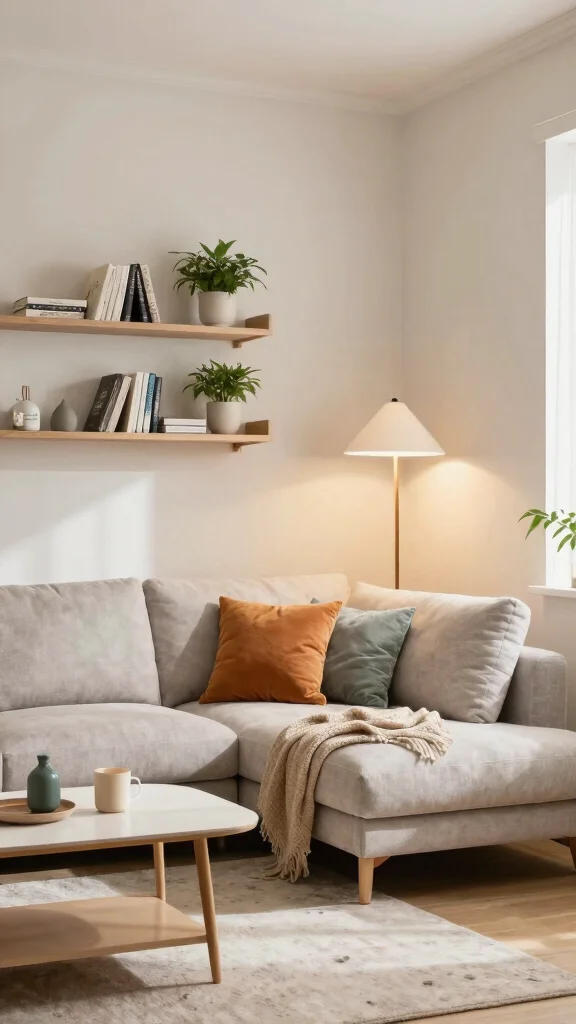
Maximizing every inch in a smaller living room is crucial, and the corner sofa solution is a smart choice. This arrangement fits snugly into corners, providing ample seating while keeping the central area open for movement. Positioning a coffee table or poufs in front creates a cozy nook that takes advantage of natural light from nearby windows.
To enhance comfort, layer in soft throws and cushions that invite relaxation and warmth. Keeping the decor simple yet inviting ensures the space feels welcoming without overwhelming.
Additional Ideas:
– Use a small side table for drinks or books.
– Hang floating shelves above for decor and additional storage.
– Include a bright floor lamp to illuminate the corner.
This layout efficiently utilizes space while offering a comfortable gathering spot for family and friends.
Corner sofas are game-changers for smart living room layout ideas in small spaces. They fit snugly in corners, freeing the center for movement—add a coffee table and poufs for a cozy nook. Layer soft throws and cushions to invite relaxation without clutter.
Recommended Products

【QUICK ASSEMBLY, EASY FOLDAWAY】This storage ottoman from the SONGMICS MAZIE Collection has a foldable design that allows quick setup in seconds by simply inserting the bottom panel. Easily fold and store it under the bed or in a closet when not in use

Designed for Small Spaces: Made for compact space, this modern sofa fits naturally into apartments, studios, offices, or cozy living rooms. The 3 seat layout offers comfortable seating without overwhelming your space, making it an ideal apartment couch for everyday use

Round Velvet Storage Ottoman with Hidden Storage: This round velvet storage ottoman combines a soft upholstered exterior with a spacious hidden storage compartment, helping keep blankets, books,or daily items neatly organized and out of sight
Dimensions & Size Guide
Standard Sizes & Measurements:
When planning your living room, knowing the right sizes and measurements can make a huge difference. For sofas, the standard length is usually around 72 to 96 inches. If you’re working with a small living room, consider a loveseat which typically ranges from 48 to 72 inches. Dining tables usually measure about 60 inches in length for four to six people. For coffee tables, a size between 36 to 48 inches long works well. A common height for coffee tables is around 18 inches, while side tables should be about 24 inches high to align with your sofa’s armrest.
Ensure there’s at least 30 inches of space between furniture pieces for easy movement. Aim for a minimum of 36 inches between pathways so people can move around comfortably without bumping into things. This is especially important in open concept living rooms where flow matters.
Quick Reference Table:
Size/Dimension – Best for: [use case], Minimum space needed: [measurement]
– 72-96 inches – Standard Sofa – 30 inches clearance
– 48-72 inches – Loveseat – 30 inches clearance
– 60 inches – Dining Table – 36 inches clearance
– 36-48 inches – Coffee Table – 30 inches clearance
– 24 inches – Side Table – 30 inches clearance
Space Planning Tips:
1. Measure Before You Buy: Always measure your room and pieces before purchasing. Mark the spots on the floor to visualize how everything fits. This helps avoid surprises later. ✔
2. Leave Room for Movement: Remember the space needed for opening doors, drawers, and walking through. This makes your living area functional and comfortable. 🚪
3. Check Scale and Proportion: Large pieces in a small room can feel cramped. Choose smaller-scale furniture that fits the space well. This will keep the room feeling open and airy.
4. Use a Floor Plan App: Consider using apps that allow you to create a digital layout. They enable you to rearrange furniture virtually before moving anything physically. 💻
5. Avoid Blocked Views: Arrange your furniture so it does not obstruct windows or pathways. This keeps the room feeling spacious and bright, and it enhances your view of the outdoors. 🌳
Pro Tip: The most crucial measurement is the distance between your seating and the coffee table. Aim for about 18 inches. This distance makes it easy to reach for items without feeling cramped. A well-planned layout not only looks great but also feels great to live in! 💡
Recommended Products

Picture Frame Design Plant Shelves: Our wall hanging planters distinguishes with its unique design and decorative feature, perfectly combining plants and wall decor. Add a modern visual effect to your wall, window, enhancing the personality and charm of your indoor and outdoor space.

Picture Frame Design Plant Shelves: Our wall hanging planters distinguishes with its unique design and decorative feature, perfectly combining plants and wall decor. Add a modern visual effect to your wall, window, enhancing the personality and charm of your indoor and outdoor space.

[Space-Saving Design]: Our 2-pack corner plant stand is perfect for small spaces, featuring 47 "tall 6 tiered plant shelves and 4 hanging hooks to maximize vertical space. This plant stand indoor can help you arrange multiple plants neatly, turning a cluttered plant arrangement into a beautiful organized display.
4. Multi-Functional Furniture
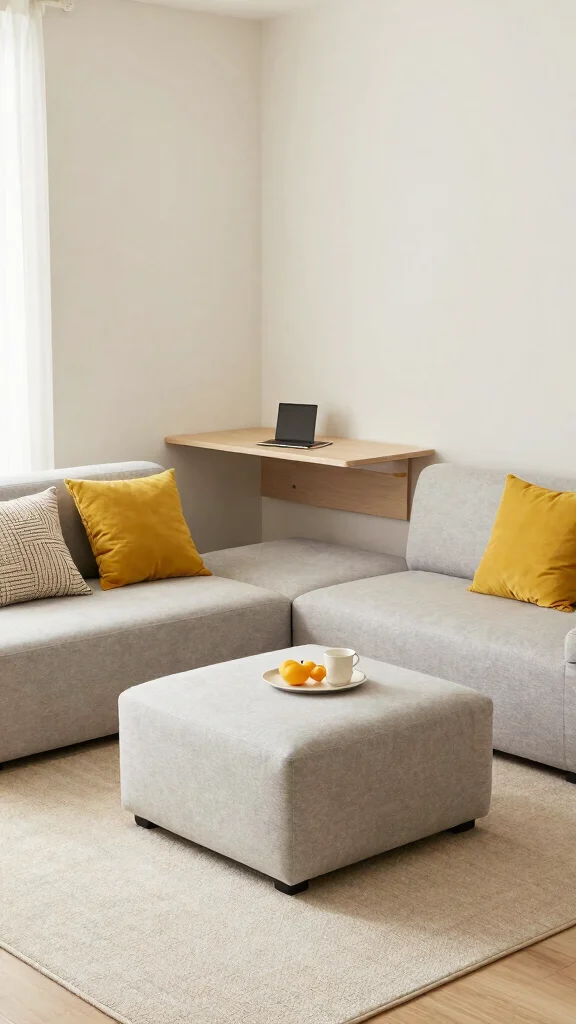
In smaller apartments, multi-functional furniture is essential for maximizing space. Look for pieces that serve dual purposes, like a bed that converts into a sofa or a coffee table that includes storage. These choices help keep your living room organized while saving valuable square footage.
A storage ottoman can offer seating, a table surface, and a place to tuck away blankets or games. Modular sofas are another great option, allowing you to rearrange based on your needs.
Must-Have Multi-Functional Ideas:
– Consider a wall-mounted desk that folds away when not in use.
– Use nesting tables that can expand or be pushed together.
– Opt for a bed with drawers underneath for extra storage.
These functional pieces enhance the overall style while providing flexibility in your living space.
Recommended Products

Delivered in 3 Separate Packages: Considering the large volume of product packaging, in order to meet practical needs and facilitate transportation, this 4-seater L-shaped couch will be divided into 3 separate packages for delivery, so they may not arrive at the same time. Package 1: one single sofa and one ottoman. Package 2: 2 single sofas and 2 throw pillows. Package 3: left and right armrests for the couch

Cloud-Like Comfort: Featuring 3D cutting technology, the memory foam sofa is filled with 30D elastic foam, providing excellent support and resilience for a more comfortable seating experience. Experience cloud-like comfort the moment you sit down

【Versatile Modular Sofa Couch】Designed for versatile lifestyles, this sofa consists of several independent and lightweight modules that can be easily moved. Each module can function on its own, enabling you to freely configure it into an L-shape, an open layout, or transform it into a cozy sofa bed, meeting your various demands. The ottoman doubles as a standalone chair, giving renters layout flexibility rather than a fixed one.
Multi-Functional Furniture
Editor’s Choice


5. Layering Rugs for Demarcation
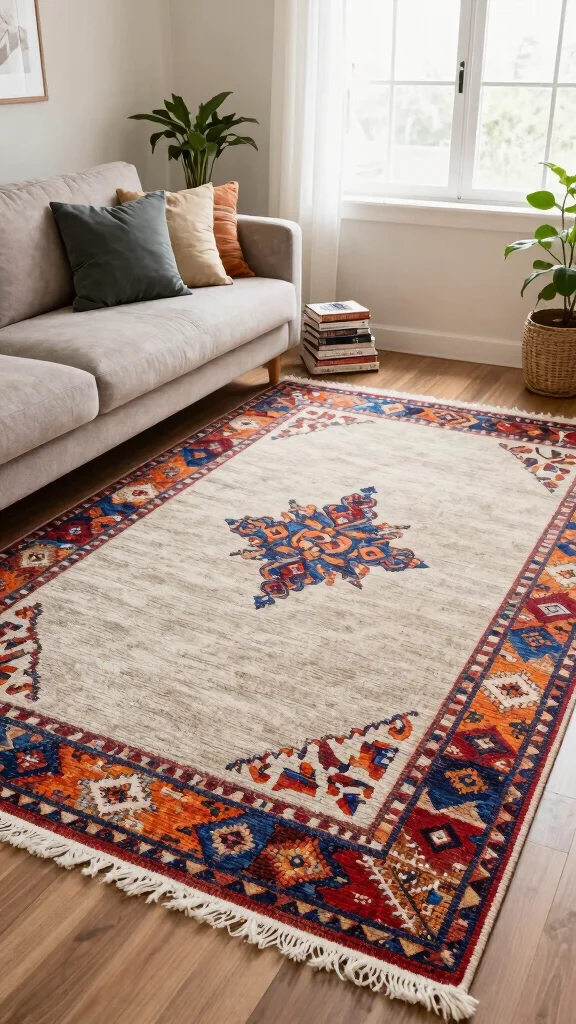
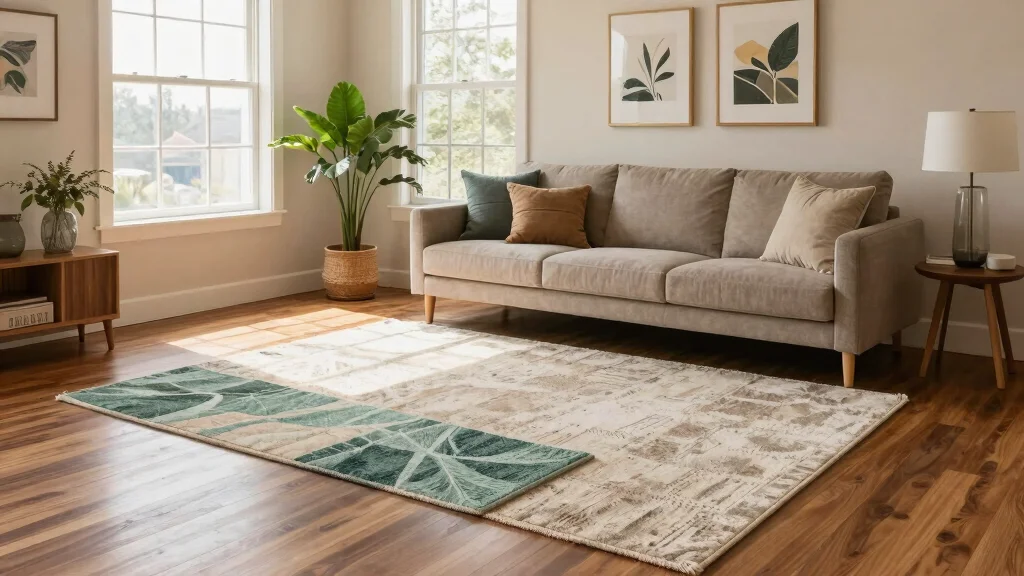
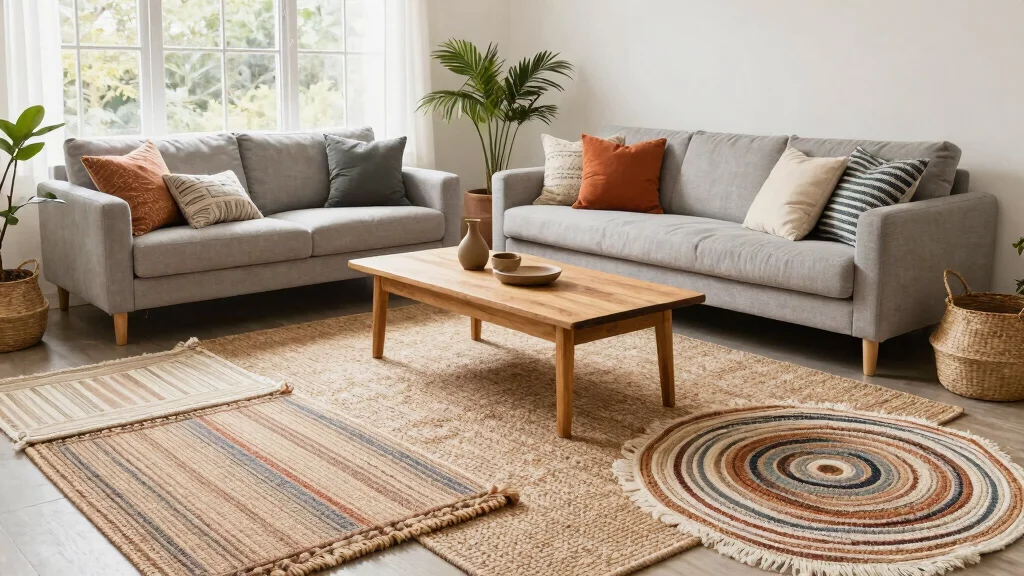
Layering rugs is a stylish method to define areas in a small living room, particularly in open floor plans. This technique adds texture and visual interest while creating a designated space for lounging or entertaining. Start with a larger neutral rug as a base, then layer a smaller, patterned or textured rug on top for a focal point.
This approach visually separates different areas, such as the living space from dining or work zones, without the need for bulky furniture. It’s important to ensure that the colors and patterns work harmoniously together for a cohesive look.
Things to Consider:
– Ensure colors and patterns complement each other.
– Choose diverse textures for a dynamic feel.
– Make sure rugs lie flat to promote easy movement.
Layering rugs not only enhances comfort but also elevates the visual appeal of your space, making it cozier and more inviting.
Recommended Products

【4-in-1 Lift Design】Unique lift top coffee table design to meet more needs--when fully unfolded, it becomes a dining or gaming coffee table for 8 people; when half expanded, it becomes a workstation for 2 people to use at the same time without disturbing each other; when lifting top is closed, farmhouse coffee table is suitable for storing sundries.

【Modern Lift-Top Coffee Table with Elegant Design】Featuring clean lines and a warm wood-tone finish, this lift top coffee table embodies modern sophistication. The elegant silhouette and curved legs create a refined focal point for contemporary living spaces, blending seamlessly with a variety of décor styles.

【4-in-1 Lift Top Design】Unique lift top coffee table design to meet more needs:when fully unfolded,it becomes a dining or gaming lift coffee table for 4-8 people;when half expanded,it becomes a workstation for 2 people to use at the same time without disturbing each other;when lifting top is closed,Large Storage coffee table is suitable for storing sundries.
6. Creative Use of Vertical Space
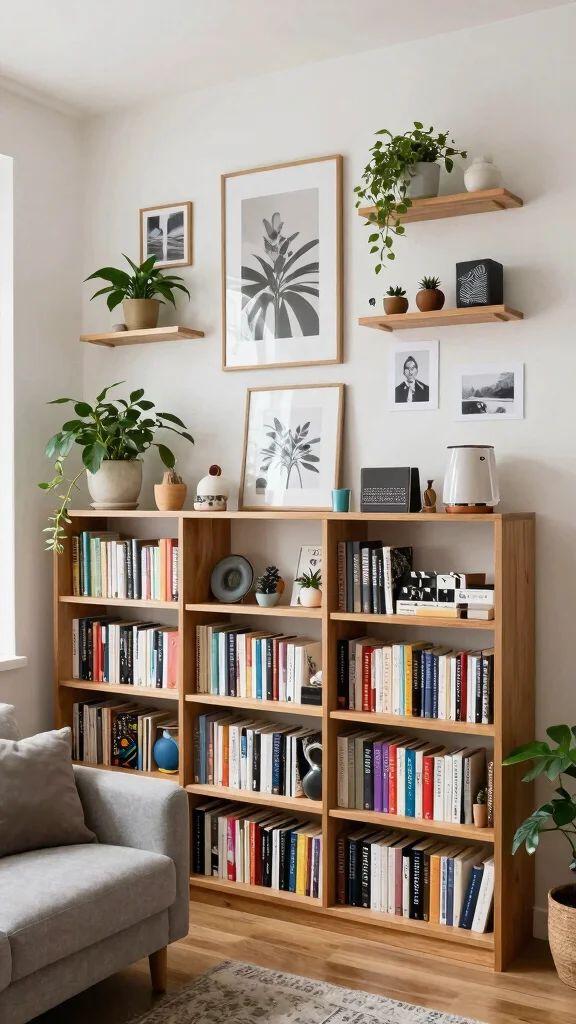
When floor space is limited, think vertically! Utilizing the vertical space in your living area can dramatically enhance its feel. Install shelves above furniture or incorporate tall bookshelves to create visually appealing displays while maximizing storage.
This strategy draws the eye upwards, giving an illusion of higher ceilings and more openness. Hang artwork closer to the ceiling or use sconces to free up surface areas while adding decorative value.
Vertical Space Strategies:
– Create a gallery wall with varied art and photos.
– Use floating shelves to showcase books and decorative pieces.
– Incorporate a tall plant or ladder shelf for added greenery.
Focusing on vertical arrangements not only enhances the airiness but also the functionality of your small living room.
Recommended Products

70" Sofa Table With Charging Station: We know what you want, the sofa table is equipped with 2 outlets, 2 USB ports and 78-inch power cord. In addition, you can place the power strip where you like by adjusting the tabletop section. Let your mobile phone, laptop, lamp and other electronic devices charge in an orderly manner

Modern Form, Lasting Appeal: Clean lines and balanced simplicity define this BARNET Collection entry table, combining a steel frame with rustic panels to create visual depth and pair effortlessly with matching storage units for a cohesive, modern interior

Intelligent Way to Use Compact Narrow Gap: One of the console table's dimension is 5.9"Dx39.4"Wx31.5"H, slim profile makes it easy to nestle in smaller gap to leave distance for wall vents and provide storage space for your beloved little showpieces
You might also like
7. The Power of Color
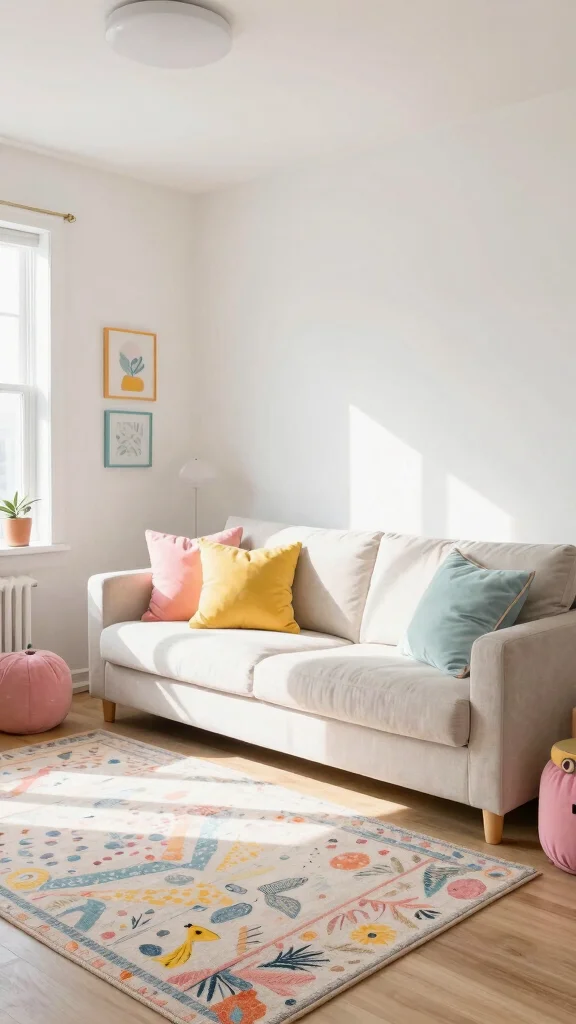
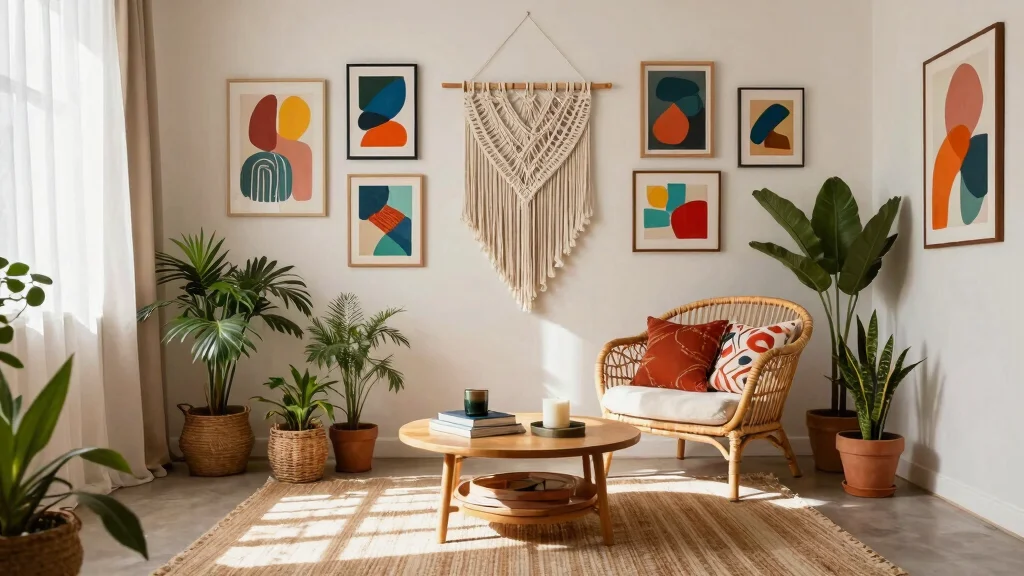
Color plays a pivotal role in transforming your living room! Light, bright palettes can make your small space feel larger and more open. Soft whites, light grays, and pastels reflect light effectively, creating a calming environment. You can also introduce vibrant accents through throw pillows, art pieces, or a statement rug for added cheer.
While darker colors can feel cozy, they might make the room seem smaller, so use them sparingly in accents or smaller furnishings. Balancing tones can significantly affect the mood and perception of space.
Color Tips:
– Use a monochromatic scheme for cohesion.
– Add pops of color through accessories for a lively vibe.
– Utilize wallpaper or painted accent walls for character.
Emphasizing the power of color can create an inviting atmosphere while enhancing the perception of space in your small living room.
Recommended Products

BULIT TO LAST: Boasts a large 8 Gallon (32L) hidden storage capacity, measuring 12.2"D x 16.1"W x 12.2"H (31 x 41 x 31 cm). Perfect for storing clothes, blankets, toys, books and magazines to tidy up your living room, bedroom and entryway. Built with solid MDF panels and reinforced heavy-duty frame, this storage ottoman holds up to 286 lbs (130 kg) static weight. It works great as a comfortable extra seat, footrest for daily use.

Ultimate comfort: This sectional sofa stands out with its fine soft corduroy fabric and 5.5-inch high-density sponge cushion, which not only feels soft to the touch but also is durable, allowing you to enjoy a comfortable leisurely time whether you are sitting or lying down.

SUPER STURDY: The medium density fiberboard used in this ottoman is made from FSC certified wood, strong and durable, has the load bearing capacity up to 600 lbs (static load capacity). The thick padding and soft fabric make this end of bed bench comfortable and welcoming in any entryway or bedroom
8. A Minimalist Approach
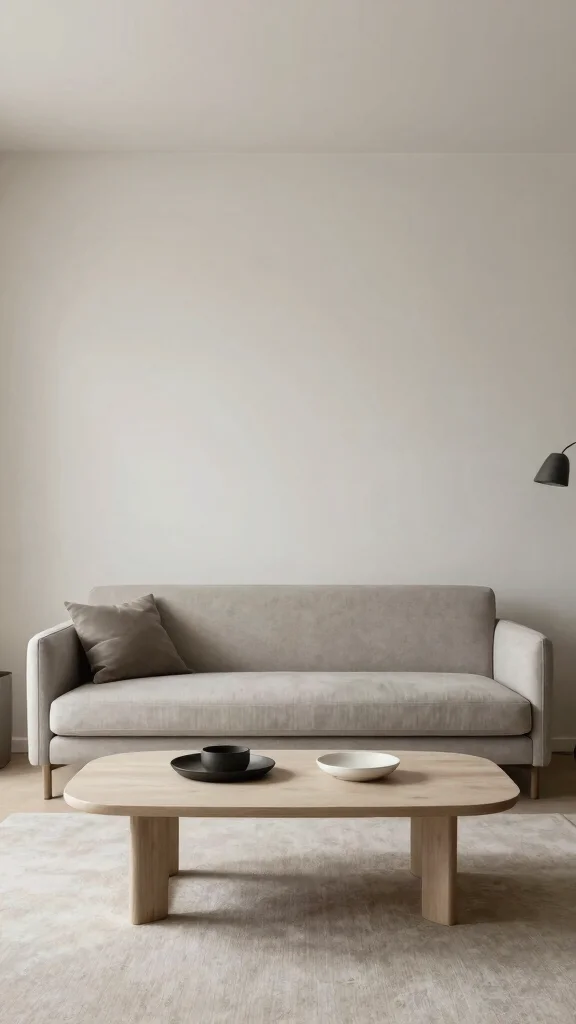
Adopting a minimalist decor style can greatly enhance the spaciousness of your living room. By simplifying furniture and decor, you create a clean, calming environment that feels open. Select a few key pieces that resonate with you, allowing them to shine without competing clutter.
Incorporate sleek furniture with clean lines and choose a neutral palette to promote tranquility. Using multifunctional items helps maintain usability without overcrowding the space.
Minimalist Essentials:
– Invest in high-quality, timeless pieces.
– Keep decorative elements simple, focusing on form.
– Utilize under-furniture storage to keep belongings out of sight.
This method not only allows for ease of movement but also fosters relaxation, as a clutter-free space encourages peace of mind.
Recommended Products

Ideal for Plant Lovers: These wall plant shelves are designed to showcase your favorite plants, turning any living room, bedroom, or bathroom into a green oasis. The floating shelf design keeps your space organized and stylish
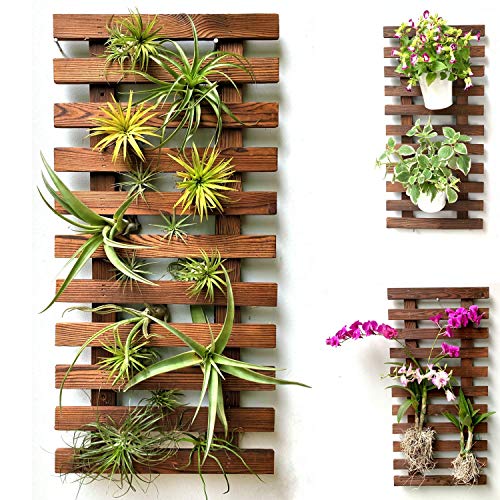
29x60cm (11.4" x 23.6") x 1 pc. Plants, flowers, pots, decorations are NOT included

29x90m (11.4" x 35.4") x 1 pc. Plants, flowers, pots, decorations are NOT included
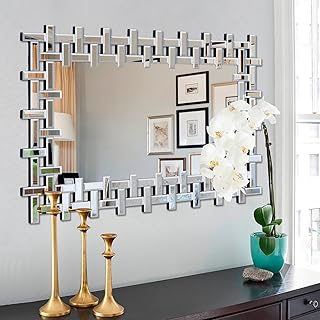
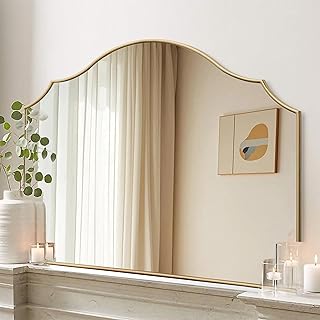
9. Incorporating Mirrors
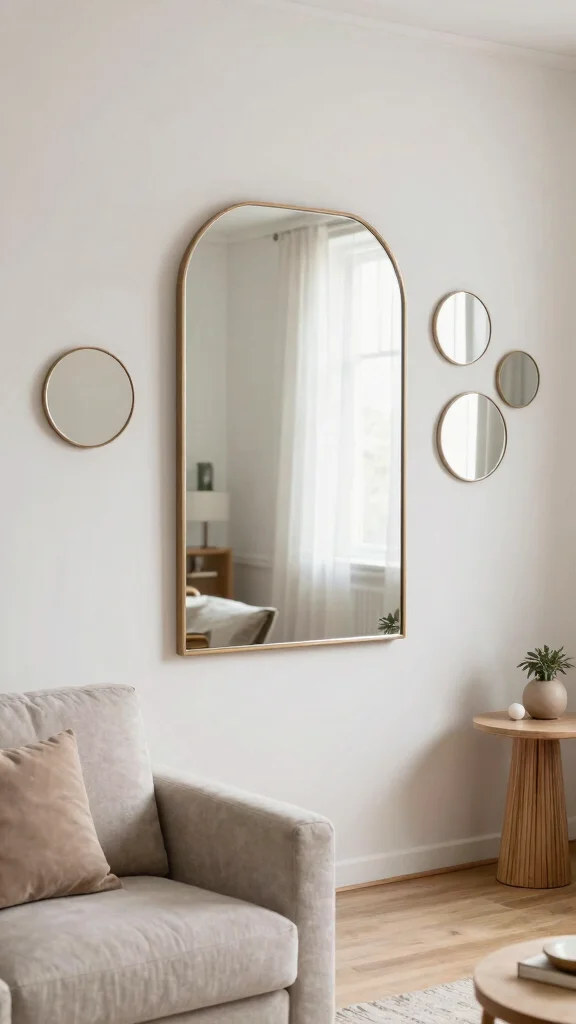
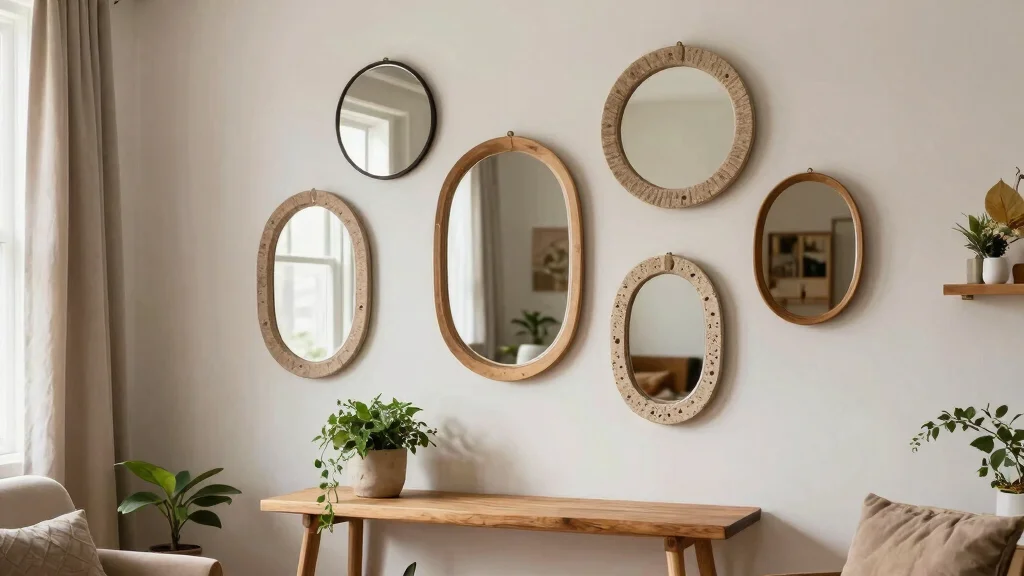
Mirrors can work wonders in small spaces! They reflect light and create an illusion of openness in your living room. Strategically placing mirrors can enhance natural light flow, making the room feel more expansive. Consider using a large mirror as a statement piece or arranging several smaller mirrors for an artistic display.
Mirrors also serve a decorative purpose, enhancing your room’s theme, whether it’s modern, boho, or classic. They add depth and interest to your decor.
Mirror Placement Tips:
– Position mirrors opposite windows to maximize light.
– Use mirrors in entryways or near light sources.
– Choose frames that complement your decor style for a polished look.
Incorporating mirrors can elevate your space, making it look not only larger but also more vibrant and dynamic.
Incorporating Mirrors
Editor’s Choice



10. Textured Fabrics and Layers
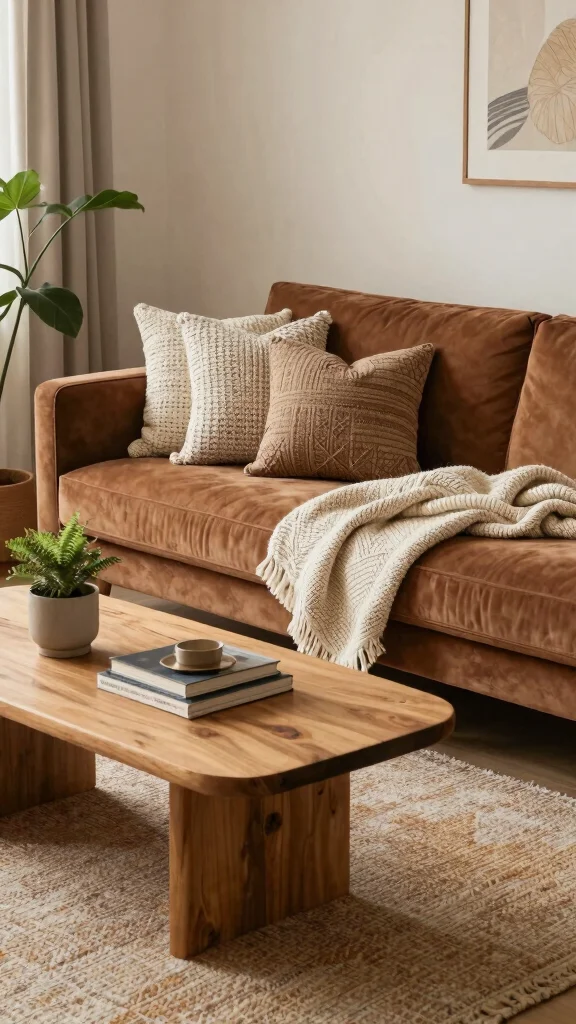
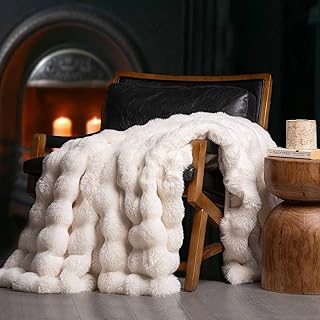
Adding texture is essential for making your small living room feel warm and inviting. Layer different fabrics and materials to create a cozy atmosphere. Think about using a soft knit throw, plush velvet cushions, and a woven rug to enhance tactile appeal.
Mixing textures not only adds visual interest but also invites comfort and warmth into your space. Incorporating natural elements, like wood or plants, can further enhance the inviting feel.
Texture Layering Ideas:
– Combine smooth and rough textures, like leather and knit.
– Use varied fabric types in cushions for added depth.
– Incorporate a variety of plants for life and texture.
Ultimately, the strategic use of textures can transform your space from stark to inviting, making it a welcoming retreat.
Textured Fabrics and Layers
Editor’s Choice




You Might Also Like
11. Light and Airy Curtains
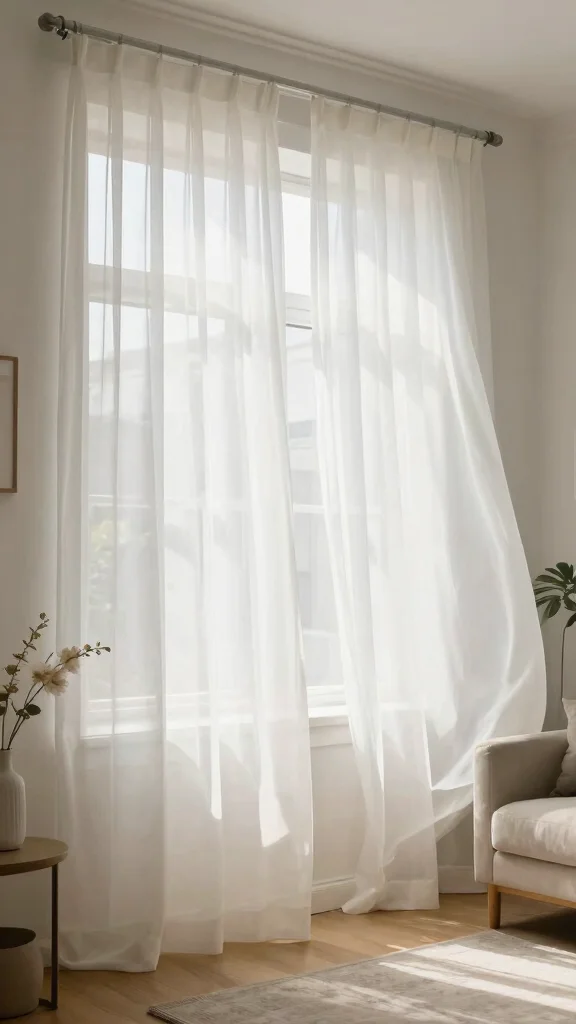
Curtains can significantly impact the feel of your living room. Opt for light, airy fabrics that allow natural light to filter through while still providing privacy. Sheer curtains soften window spaces and help maintain an open, spacious atmosphere.
You can layer sheer curtains with heavier drapes for added privacy or darkness when needed. Hanging curtains all the way to the floor creates an illusion of height, enhancing the room’s elegance.
Curtain Tips:
– Choose light colors to brighten the space.
– Hang curtains above the window frame for added height.
– Select simple patterns that complement your decor.
Light and airy curtains can elevate your living space, contributing to a more expansive and welcoming ambiance.
12. The Corner Media Unit
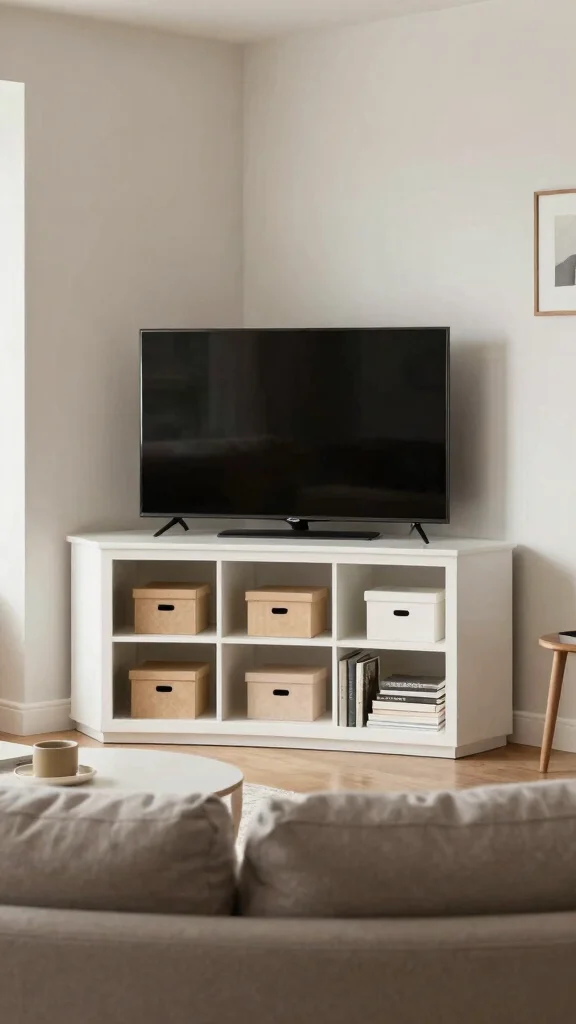
Incorporating a corner media unit can be a brilliant way to save space while keeping your living room stylish. This setup utilizes typically wasted corner space, providing a designated area for your television and media devices without occupying too much floor area.
Select a unit that fits snugly into the corner and offers storage for DVDs, games, or books. A wall-mounted TV can enhance this clean look, keeping surfaces clutter-free while surrounding the unit with minimal decor for a streamlined appearance.
Media Unit Tips:
– Ensure the unit complements your decor style for cohesion.
– Use decorative boxes or baskets to organize items discreetly.
– Position seating toward the unit to create a natural focal point.
A well-designed corner media unit enhances functionality while adding a stylish touch to your small living room.
Fun fact: Corner media units can free up to 20% of floor space in small living rooms, making room for brighter layouts. When you pair a wall-mounted TV with smart storage, your living room layout ideas feel bigger and calmer!
13. Indoor Plants for Life
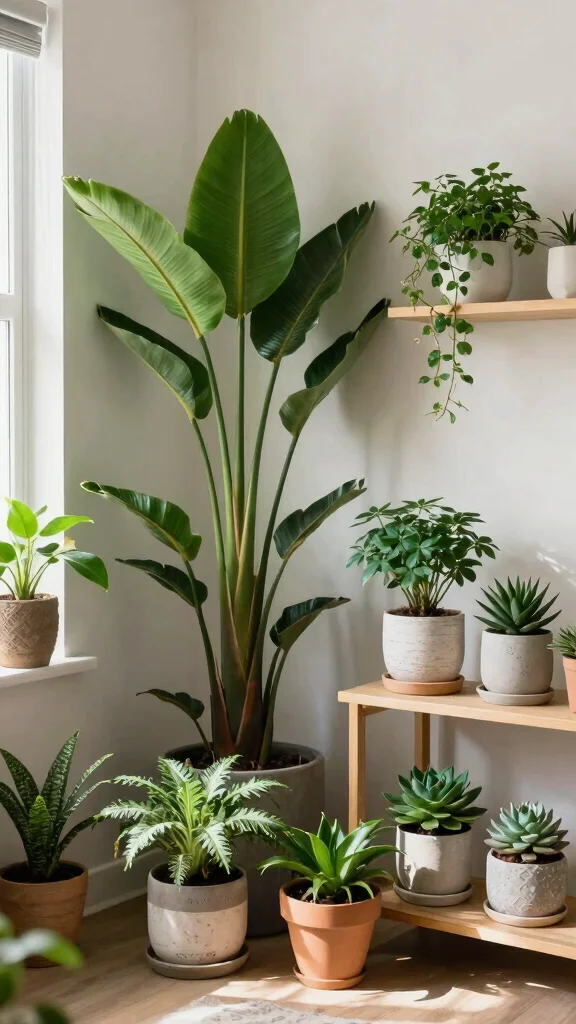
Adding indoor plants is an excellent way to infuse life into your small living room. Beyond their aesthetic appeal, plants improve air quality and create a serene atmosphere. Choose a variety of sizes and types, such as tall floor plants for corners or small succulents on shelves, to create visual interest.
Group plants together for an attractive display or hang them from the ceiling to save floor space. Ensure that natural light from windows supports the plants you select, or consider using artificial lighting for low-light varieties.
Plant Styling Tips:
– Mix different heights and textures for an inviting arrangement.
– Use decorative pots that match your overall decor style.
– Integrate live plants into existing decor without overcrowding surfaces.
Incorporating indoor plants can enrich the ambiance of your small living room, making it feel fresh, vibrant, and alive.
Conclusion
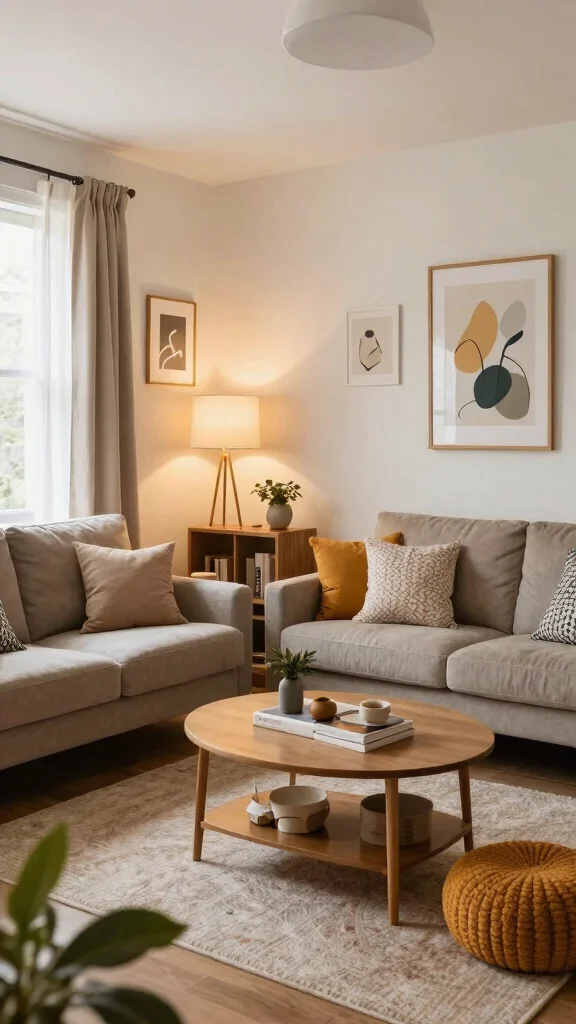
Transforming your small living room into an inviting and functional space starts with the right layout ideas. Each of these 13 tips provides a unique approach to maximizing space and flow, ensuring your home feels open and welcoming.
Whether you opt for multi-functional furniture, a minimalist approach, or vibrant decor, the key is to reflect your personal style while enhancing the functionality of your space. Embrace these ideas and watch your small living room shine!
Note: We aim to provide accurate product links, but some may occasionally expire or become unavailable. If this happens, please search directly on Amazon for the product or a suitable alternative.
This post contains Amazon affiliate links, meaning we may earn a small commission if you purchase through our links, at no extra cost to you.
Frequently Asked Questions
What are the best living room layout ideas to maximize space in a small apartment?
These living room layout ideas focus on maximizing space and keeping flow intact in a small apartment.
Start with precise measurements of your room and the furniture you own, then sketch a layout that prioritizes clear traffic paths and defined seating zones. Choose small living room designs with compact furniture, vertical storage, and wall-mounted pieces to free up floor space. Use light, neutral colors and a strategically placed rug to visually expand the area, and consider multipurpose furniture to maximize small spaces without sacrificing style.
How can I create an open concept living room in a small space?
To create an open concept living room feel in a compact space, arrange seating to keep sightlines open and traffic flowing. Place a sofa facing a slim media wall or console, with low-profile chairs that can be moved as needed, and use a long coffee table that doesn’t clutter the room. Define zones with a rug or lighting rather than walls, and opt for transparent or modular pieces to reduce visual bulk. Keep cords hidden and use wall-mounted storage to maintain a clean, cohesive look.
What furniture arrangement tips help maximize small spaces without making the room feel cramped?
These furniture arrangement tips help maximize small spaces while staying comfortable. Anchor seating with a sofa and place chairs opposite or at an angle to foster conversation without blocking doors. Choose multi-functional pieces like a storage ottoman or sofa bed, and use nesting tables to add surfaces without crowding. Make the most of vertical space with shelves and wall-mounted lighting, and keep pathways clear for easy movement.
Which multi-functional furniture and design choices support modern living room decor in a compact area?
For modern living room decor in a small area, focus on a cohesive palette and clean lines. Invest in furniture with hidden storage, modular units, and a slim-profile sofa to preserve openness. Use lighting and an appropriately scaled rug to define zones, while textures—wood, metal, and textiles—add depth without clutter. Fit everything around maximizing small spaces without sacrificing a polished, contemporary look.
What common mistakes should I avoid when planning a living room layout for a tiny apartment?
Avoid common mistakes that shrink the feel of a tiny space. Don’t oversize furniture or block doorways and windows, which kills flow. Keep scale consistent and limit the number of patterns to maintain a calm, cohesive look. Use a properly sized rug to anchor seating and ensure there’s a clear path for movement, embracing open concept living room flow.
Related Topics
living room layout
small apartment decor
furniture arrangement
open concept design
space maximization
modern living room
minimalist layout
easy decorating tips
functional furniture
cozy small spaces
design trends
beginner friendly